News
Truckload Rates Keep Rising as Tight Capacity Fuels Freight Market Recovery
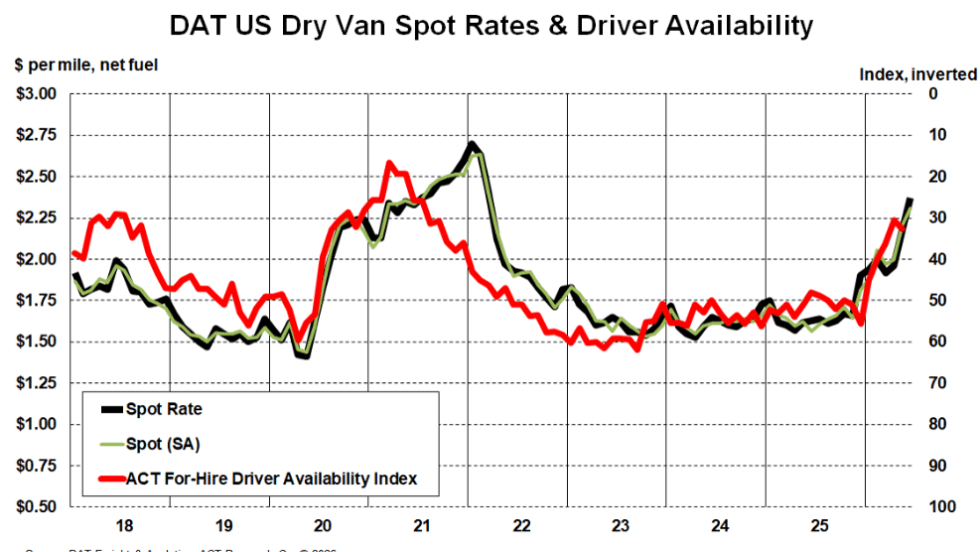
Spot and contract rates continued climbing in May and June, not because freight demand is surging, but because fewer trucks and drivers are available.
Read More → MENU
MENU SEARCH
Spot and contract rates continued climbing in May and June, not because freight demand is surging, but because fewer trucks and drivers are available.
Read More →
The challenges brought about by 2020 are also are leading to positive changes that will be with us well beyond this year.
Read More →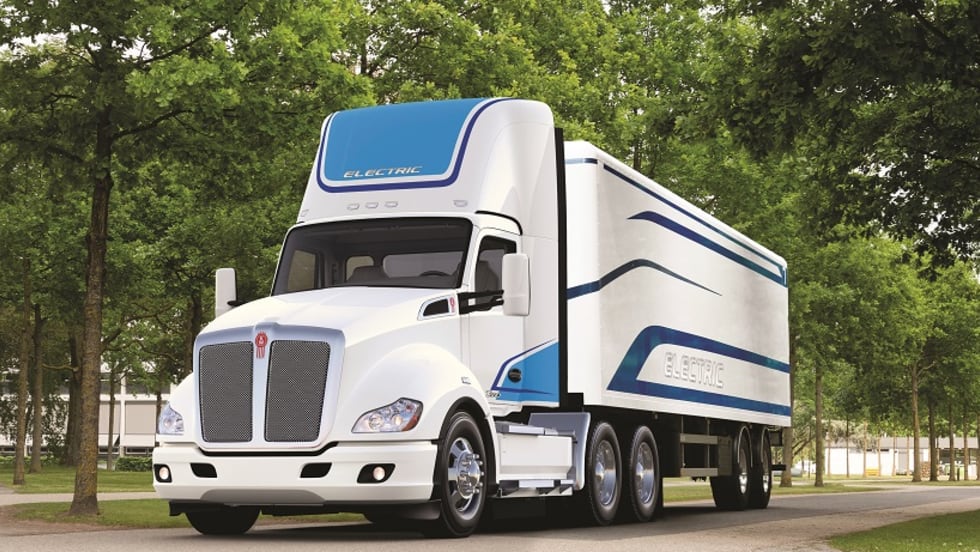
The COVID-19 pandemic hasn’t stopped heavy-duty truck makers from setting their sights on driver assistance, electrification, and autonomy.
Read More →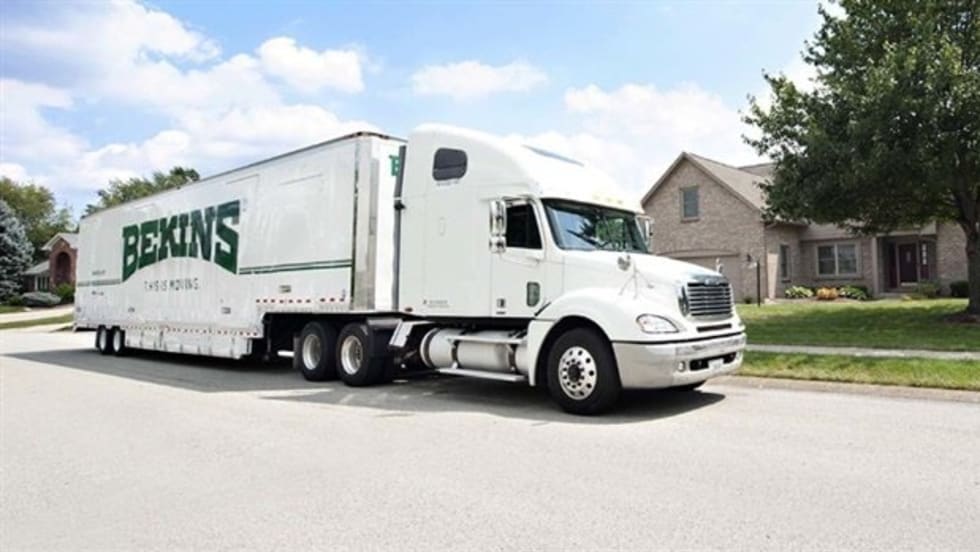
A new group within the American Trucking Associations will focus on the moving and storage segment of the trucking industry.
Read More →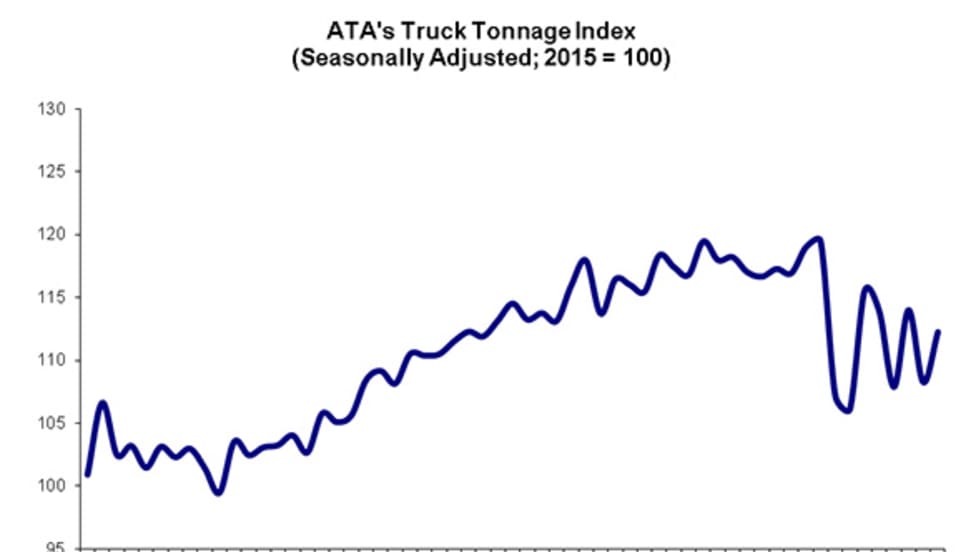
Truck tonnage in November was up compared to October but down year over year, according to the American Trucking Associations.
Read More →
HDT's editors reflect on what event, person, trend, or company was in our headlines the most and had the greatest impact on our fleet readers this year.
Read More →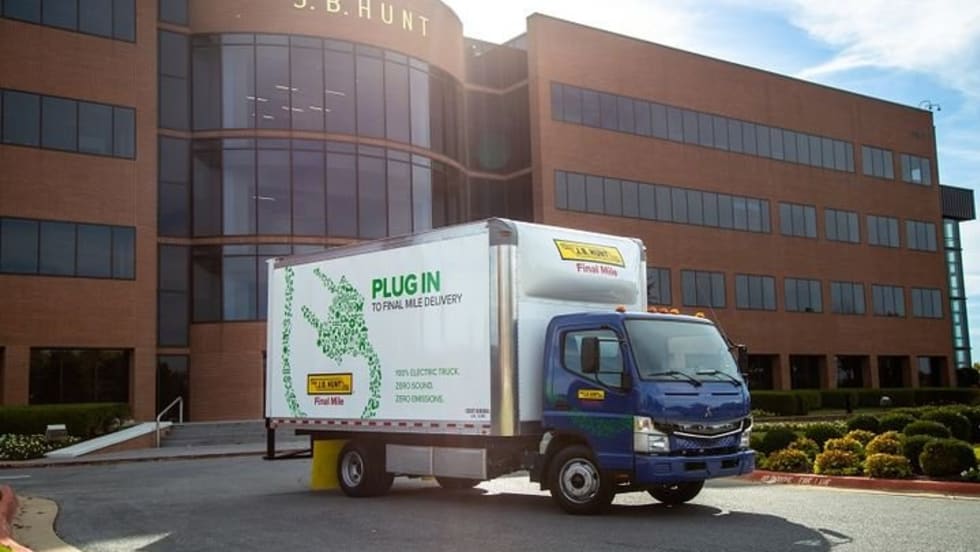
A new collaboration between J.B. Hunt and the University of Arkansas aims to increase awareness of inclusion and diversity in transportation and explore solutions to this and other industry challenges.
Read More →
This year’s Emerging Leaders demonstrate how a focus on consistent processes makes a difference, from the shop to the corner office.
Read More →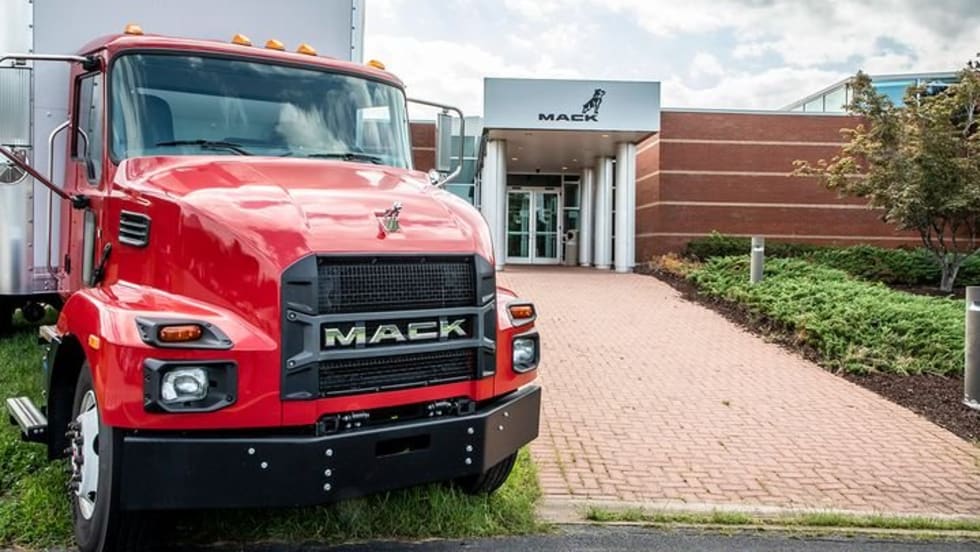
FTR is reporting that its Trucking Conditions Index for October 2020 literally went off the charts to the highest reading the research firm has ever recorded.
Read More →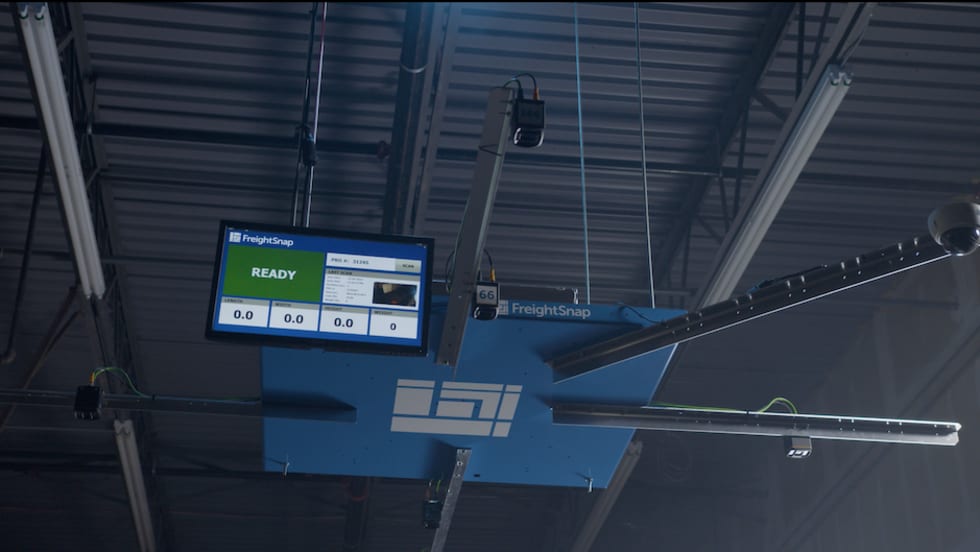
CLI said it has enhanced freight management accuracy and load planning with a new integration of the FreightSnap automated shipment dimensioning system.
Read More →
A new, solar-powered tracker is designed to monitor non-powered fleet assets such as trailers and containers.
Read More →