





Related: What Phase 2 GHG Regs Mean to Fleets
Where U.S. Trucking Fits in the Global Emissions Puzzle
A new report says heavy trucks are the missing piece in the global vehicle emissions puzzle. But the U.S. trucking industry is well ahead of the game, contends Deborah Lockridge in her All That's Trucking blog.
July 7, 2017

Ploger Transportation, an HDT Top 50 Green Fleet for 2016, is a participant in the NACFE Run on Less program. Photo: Ploger
4 min to read

Ploger Transportation, an HDT Top 50 Green Fleet for 2016, is a participant in the NACFE Run on Less program. Photo: Ploger
Nothing like a mainstream “green” article to make you see red.
The article “Missing Piece in Global Vehicle Emission Puzzle: Heavy Trucks” reports, “A global push to reduce vehicle emissions and create cleaner air for future generations has been underway for half a century now. However, while many governments around the world have introduced lower emission and higher fuel-efficiency standards for passenger cars, another large contributor to global emissions has mostly traveled under the radar. Those are heavy trucks or semi trucks.”
The story in Green Car Reports is about a new report from the International Energy Agency on global emissions. It notes that the trucking industry in China, the United States, and the European Union together account for one-fifth of global oil demand: 17 million barrels of oil per day.
The article says only four countries have energy efficiency rules for semi trucks. Yet it doesn’t point out that the U.S. is one of them.
You wouldn’t guess from reading this article about the huge strides the U.S. has made in emissions and GHG reductions.
As Allen Schaeffer with the Diesel Technology Forum said in the article's comments section:
“Consider that heavy-duty diesel truck emissions in the U.S. have been regulated by EPA since 1987. Since 2010, new commercial trucks are near zero emissions and today about 30% of all commercial trucks in the fleet have that generation of technology in use on the road. Today in Southern California more fine particles come from brake dust and tire wear than from heavy-duty Class 8 trucks.
“Efficiency gains since 2010 are anywhere from 3-8% for an 80,000-lb truck, thanks largely to engine efficiency improvements," he contiunued. "And additional improvements or on the horizon as a result of the Phase II greenhouse gas emissions and fuel economy rules.
“Today in California municipal and private fleets are also utilizing 100% renewable diesel fuel in their diesel fleets, reducing carbon emissions and criteria pollutant emissions as well.”
The IEA report, “The Future of Trucks: Implications for energy and the environment,” does say that improving the efficiency of road-freight transport is critical to reducing the growth in oil demand, carbon emissions, and air pollution over the next decades.
The report describes "a more sustainable policy pathway for truck transport" that globally could reduce energy use in road freight by 50% and emissions by 75% by 2050. The report highlights three major areas of improvement:
Improving logistics and operations to be more efficiency, such as using GPS to optimize truck routing and real-time telematics feedback and driver coaching.
Efficiency improvements such as aerodynamic retrofits to reduce drag and low-rolling-resistance tires, idle reduction devices, more fuel-efficient drivetrains, and lightweight materials.
Using alternative fuels such as natural gas, biofuels, electricity and hydrogen.
The first two items are things many fleets in the U.S. are already doing as a smart business move, because there’s a return on investment in savings on fuel, even at today’s lower diesel prices. And the federal government as well as the California Air Resources Board have pushed Number 2 with greenhouse gas and emissions regulations.
The third recommendation, alternative fuels, are slower to catch on because the ROI is harder to achieve. But they do make sense for some fleets, and California regulations and various grant programs are pushing their adoption in areas hard hit by pollution problems. While our current administration is trying to cut the number of regulations seen as being unfriendly to business, the fact is, global trends will continue to drive some of this technology. France, for instance, just announced it’s going to require all electric and hybrid vehicles by 2040.
In the meantime, U.S. trucking companies will continue to raise the bar on fuel economy. Some fleets are reporting 8, 9, 10 mpg and beyond. The Run On Less program from the North American Council for Freight Efficiency is highlighting some of these fleets. (Disclosure: HDT is a sponsor of Run On Less.)
HDT also will highlight fleets that stand out in terms of fuel economy/GHG reduction, alternative fuels and other environmentally friendly initiatives in its Top Green Fleets awards in our November issue. Watch for our call for entries.
Subscribe to Our Newsletter
More Blog Posts
The Diesel Price Crisis Has No Easy Fix
Washington is trying everything from oil-reserve releases to longer driving hours for fuel haulers. None addresses all the forces keeping diesel prices high.
Read More →
Beyond the Central Transport Settlement: Lessons on Hiring and Risk
The $5.5 million discrimination settlement raises broader questions about hiring practices, safety performance, and the hidden risks that can lurk in a fleet's recruiting process.
Read More →
Are Diesel Shortages Something to Worry About Again?
There’s a certain déjà vu when tensions flare in the Middle East and diesel price spikes can give you panic attacks. What parallels are there between the current situation and the 1970s energy crisis?
Read More →
NOx Isn’t Laughing Gas. Let’s Clear That Up.
A recent EPA reference mixed up NOx and nitrous oxide. It’s an easy mistake. Just not one you expect to see in emissions policy. Let’s look at the difference.
Read More →
TMC 2025 Takeaway 2: Buy... or Subscribe?
TaaS. Does that mean trucks as a service, trailers as a service, or tires as a service? HDT's Deborah Lockridge has another takeaway from the Technology & Maintenance Council meeting in her blog.
Read More →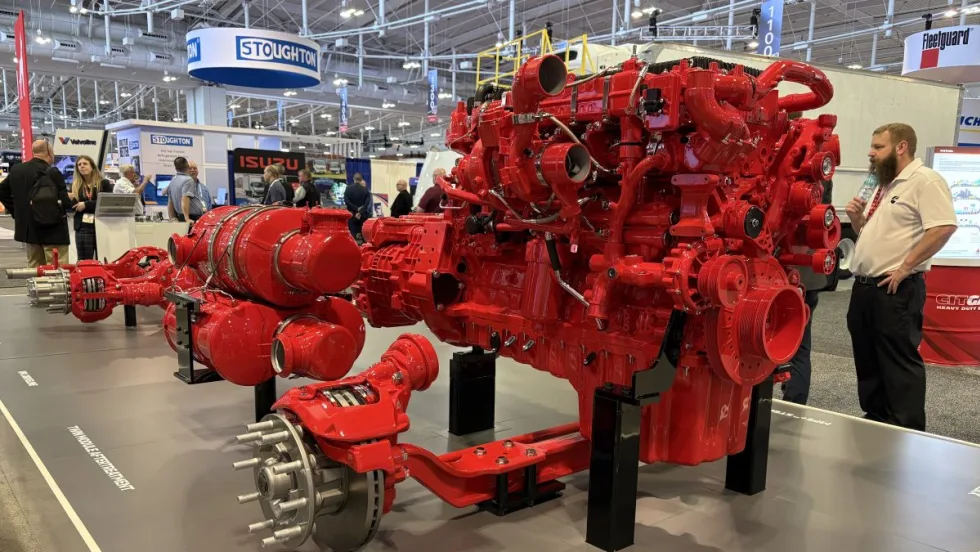
TMC 2025 Takeaway: The Journey Toward Vertical Integration
HDT's Deborah Lockridge on how the trucking industry has moved toward "vertical integration" over the past 25 years.
Read More →
Trucks Are For Girls!
HDT Editor and Associate Publisher Deborah Lockridge is a longtime Girl Scout leader and loves to connect her passion for inspiring girls with her love of the trucking industry.
Read More →
Trucking Advocacy: Impact Beyond the 2024 Elections
No matter who wins the election, trucking continues to work to educate the people who pass the laws and make the rules that affect the industry. HDT's Deborah Lockridge shares insights from two major trucking associations in her All That's Trucking blog.
Read More →
Recharge Your Brain for Better Business
Skimping on vacation may be the worst thing you can do for your business, your career, and your mental health. In her All That's Trucking blog, Deborah Lockridge writes about the importance of giving your brain what it needs to be innovative.
Read More →
Trucker Pre-Trip Leads to Mission 'Im-paw-sible'
See what happened when a truck driver found an unexpected stowaway during his pre-trip inspection.
Read More →