





More diesel deja vu: 2008. The trucking industry is experiencing the highest prolonged fuel prices in history. Heavy Duty Trucking wins a Grand Neal Award for its Fuel Crisis Survival special issue.
Are Diesel Shortages Something to Worry About Again?
There’s a certain déjà vu when tensions flare in the Middle East and diesel price spikes can give you panic attacks. What parallels are there between the current situation and the 1970s energy crisis?
April 13, 2026
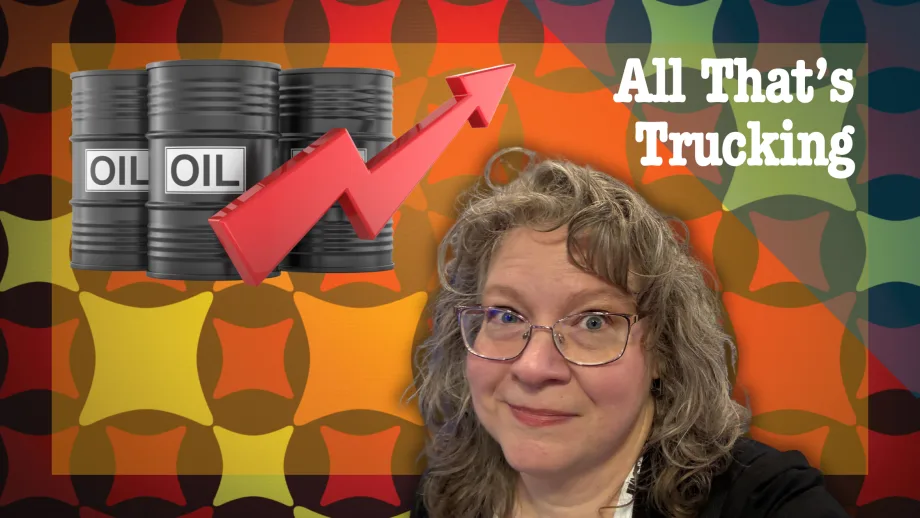
Deborah Lockridge remembers the fuel crisis of 2008 and even a bit about the 1970s Arab Oil Embargo.
Credit:
HDT Graphic
5 min to read
Some of us are old enough to remember — or at least remember hearing about — the energy crisis of the 1970s. The Arab Oil Embargo led to long lines at gas stations and fuel prices that jumped almost overnight. The national speed limit was even dropped to 55 mph to conserve fuel.
With the current situation in the Middle East, I wondered, what’s the likelihood of that kind of crisis today?
How the Middle East Conflict Is Affecting Oil and Diesel Prices
The U.S./Israeli military strikes on Iran on February 28 soon escalated into a wider Middle East conflict. The Strait of Hormuz, a narrow waterway that carries about 20% of the world’s oil, has become a major point of contention between the Trump administration and Iran.
Only a trickle of tanker traffic has been moving through the strait. And because oil is a global commodity, we’ve seen crude oil prices and diesel prices skyrocket.
President Trump's latest move, a blockade of the Strait to Iranian trade, was followed by Iran's promise to keep choking off traffic through the waterway.
The war isn’t just a military conflict. It’s become a game of economic chicken. Iran is betting it can hold out longer than the United States and the global economy.
“Soon you’ll be nostalgic for $4 to $5 gas,” said Iran’s top negotiator after the failure of the U.S.-Iran peace talks, according to a report in the New York Times.
Oil being used as a geopolitical lever definitely parallels with the Arab Oil Embargo.
Could the U.S. See Diesel Fuel Shortages?
So, you might wonder, as I did, could this turn into actual fuel shortages?
Probably not the same way it was in the 1970s.
One of the big lessons from the 1970s crisis was, the more dependent you are on one source of energy, the more exposed you are when something goes wrong.
The U.S. is in a very different position today. After that painful lesson 50 years ago, we produce far more of our own oil, and there are systems in place — including strategic reserves — to help cushion major disruptions.
But that doesn't mean we're immune, and on top of high prices, we could see tight diesel supply in some areas of the country.
The fuel system today runs with less cushion than it used to. Inventories are leaner, and supply chains are more interconnected. So we could see disruptions in certain areas, such as delivery delays or limits on fuel purchases.
Why the East Coast Is Most Vulnerable to Diesel Shortages
The East Coast is usually the most vulnerable to diesel supply disruptions. It doesn’t have much refining capacity of its own and relies heavily on fuel coming in from the Gulf Coast or overseas.
Over the past 15 years, we’ve seen several occasions when disruptions led to tight supplies in the Northeast:
- In 2012, Superstorm Sandy affected fuel availability across much of the Northeast. Ports, refineries, and pipelines were shut down ahead of the storm and many lost power or were damaged. The Energy Department authorized more than 4 million gallons of diesel to be released from federal reserves.
- In 2021, a cyberattack forced the shutdown of more than 5,000 miles of a major refined petroleum pipeline between Texas and New York, prompting a federal emergency hours of service exemption for truckers to bring in needed fuel by tanker truck.
- In November 2022, there was a brief panic when a misinterpretation of the government’s stockpile data led to headlines that the country was going to suddenly run out of diesel fuel by Thanksgiving. That wasn’t the case, but low stockpiles meant higher diesel fuel prices, especially in the Northeast, where stocks were the lowest and diesel faces competition from fuel oil for home heating in the winter.
Where Else Fuel Supply Could Get Tight in the U.S.
The Northeast may be the most vulnerable, but other regions face some disruption risks as well.
The Gulf Coast is the main supply hub for the country, but it’s also a major export center. When global demand is strong, a lot of that fuel heads overseas, which can tighten supply elsewhere in the U.S.
The Midwest tends to be more stable, but it depends on pipelines and transportation networks. Any disruption there — weather, outages, or supply issues from the Gulf — can ripple through quickly.
And the West Coast operates almost like its own system. With limited connections to the rest of the country, it’s more sensitive to refinery issues and can see sharper price spikes if something goes wrong. (And higher fuel taxes mean those price spikes are even more severe.)
What Trucking Fleets Should Watch Right Now
So what should fleets take away from all this?
It's unlikely we'll see widespread fuel shortages across the country, but expect more record-high diesel prices, and for prices to take months to drop back down if the strait is reopened.
But it is a reminder that fuel supply isn’t something you can always take for granted. It makes sense to develop business strategies to minimize the effects of disruptions, whether it's geopolitical disruptions like the Iran war, weather-related disruptions from hurricanes, cyberattacks or something else.
While these disruptions are typically temporary, lasting days, weeks, or perhaps months, they can have profound effects on a trucking company's ability to move freight, serve customers, and make a profit.
Where your fuel is coming from, how it’s getting there, and how dependent you are on a single source or region can all matter, especially if things get tight. Being prepared with a fuel plan for emergencies and disruptions shouldn't be limited to natural disasters.
It’s also a reminder of why more fleets have been talking about fuel resiliency — not just cost, but making sure they have options. That might mean diversifying fuel sources where it makes sense, locking in supply, or building a little more flexibility into their operations.
Responding to the current fuel situation comes down to awareness and flexibility: Keeping an eye on regional conditions, having options when possible, and being prepared for a little more volatility than we’ve been used to.
Or maybe a lot.
Subscribe to Our Newsletter
More Blog Posts
The Diesel Price Crisis Has No Easy Fix
Washington is trying everything from oil-reserve releases to longer driving hours for fuel haulers. None addresses all the forces keeping diesel prices high.
Read More →
Beyond the Central Transport Settlement: Lessons on Hiring and Risk
The $5.5 million discrimination settlement raises broader questions about hiring practices, safety performance, and the hidden risks that can lurk in a fleet's recruiting process.
Read More →
NOx Isn’t Laughing Gas. Let’s Clear That Up.
A recent EPA reference mixed up NOx and nitrous oxide. It’s an easy mistake. Just not one you expect to see in emissions policy. Let’s look at the difference.
Read More →
TMC 2025 Takeaway 2: Buy... or Subscribe?
TaaS. Does that mean trucks as a service, trailers as a service, or tires as a service? HDT's Deborah Lockridge has another takeaway from the Technology & Maintenance Council meeting in her blog.
Read More →
TMC 2025 Takeaway: The Journey Toward Vertical Integration
HDT's Deborah Lockridge on how the trucking industry has moved toward "vertical integration" over the past 25 years.
Read More →
Trucks Are For Girls!
HDT Editor and Associate Publisher Deborah Lockridge is a longtime Girl Scout leader and loves to connect her passion for inspiring girls with her love of the trucking industry.
Read More →
Trucking Advocacy: Impact Beyond the 2024 Elections
No matter who wins the election, trucking continues to work to educate the people who pass the laws and make the rules that affect the industry. HDT's Deborah Lockridge shares insights from two major trucking associations in her All That's Trucking blog.
Read More →
Recharge Your Brain for Better Business
Skimping on vacation may be the worst thing you can do for your business, your career, and your mental health. In her All That's Trucking blog, Deborah Lockridge writes about the importance of giving your brain what it needs to be innovative.
Read More →
Trucker Pre-Trip Leads to Mission 'Im-paw-sible'
See what happened when a truck driver found an unexpected stowaway during his pre-trip inspection.
Read More →
HDT Editor: 2023's Most Important Trucking Topics
Read Deborah Lockridge's picks for the most significant stories we covered at HDT in 2023: freight recession, zero-emission trucks, drivers and marijuana, and more.
Read More →