




What's the next big threat to truckload carriers?
Unionized drayage drivers. The International Brotherhood of Teamsters just inked its first contract with a drayage company working near the ports of L.A. and Long Beach. Drivers' wages will immediately jump from $12.72 to $19 per hour. And that's just the beginning
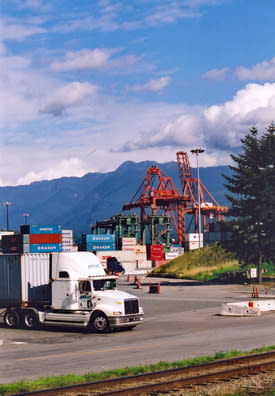
If good paying union jobs catch on in the drayage sector, truckload carriers could see their labor poor shrink even faster. Photo by Jim Park.
Unionized drayage drivers. The International Brotherhood of Teamsters just inked its first contract with a drayage company working near the ports of L.A. and Long Beach. Drivers' wages will immediately jump from $12.72 to $19 per hour. And that's just the beginning.
The IBT sent out a press release on Jan. 9 announcing that the drivers at Toll Group -- an Australian corporation that handles accounts for several major fashion and sportswear lines sold at retailers like Walmart and JC Penney -- had wrapped up 24 months of bitter wrangling with the company, and come away with a contract that leaves them significantly better off.
In April 2012, that same group of drivers made headlines by voting to join the Teamsters and ratifying the first union contract in the drayage industry in 30 years.
Here's what they got:
~ Fair wages: Upon signing the contract, the day shift hourly rate increased from $12.72 to $19. Night shift hourly rate went from $13.22 to $19.75. Drivers will also see $0.50/hour annual raises over the three-year life of the contract. Overtime at time-and-a-half after 40 hours.
~ Secure retirement: Automatic enrollment in the Teamster's Western Conference Pension Trust (which isn't what it used to be, but it's way better than nothing). Toll will contribute $1/hour per driver until 2014, and a $1.50/hour per driver by 2015.
~ Affordable health care: The Toll Group pays 95% of the premium for individuals and 90% for family coverage on a vision, dental, and a health care plan. Drivers who had previously paid $125/month for individual or $400/month per family for coverage will see premiums drop to roughly $30 and $150, respectively.
~ Stable work hours and paid time off: Toll drivers receive seven paid holidays, three paid personal days and six paid sick days annually. They will accrue one or two weeks of vacation within the first two years of service, with longtime employees earning up to a month. They can also bank on guaranteed full- or half-day of pay regardless of seasonal slowdowns if they are scheduled to work.
Compare that to a truckload driver making $50,000 for 3,000 hours of work annually. He or she is earning $16.66/hour. Sick days? Nope. Pension? Nope. Overtime? Not a chance. Benefits? Few and far between.
That short list doesn't include all the other fun and games over-the-road drivers enjoy, such as like delays at loading docks (no miles, no pay), living in a 400 cubic-foot box for weeks on end, eating in truck stops at tremendous expense, unpaid work like vehicle inspections and loading and unloading (it's still the first two hours free, right?) and all the rest of it.
Who's Kidding Whom?
There's was a time not that long ago when OTR drivers in their shiny Petes and Kenworths would look down their noses at the drayage crowd in their old fender flappers, lined up at container ports awaiting their turn to load. Well now, at least some of them will be sitting there waiting, just like they have always done -- at $19 or more per hour.
I think we're witnessing the first wave of an interesting transition in the trucking industry. The drivers at Toll Group appear to be predominantly Latino, and it would appear that they don't harbor some of the usual resentment towards unions. Let's face it, that crowd has been getting the short end of the stick for years. With this contract, as the Teamsters' press release triumphantly points out, these workers now have a shot at a "middle class" lifestyle.
They have good jobs with apparently decent pay thanks to their association with the IBT. If I was an employee driver with some of the other outfits in the port environment that we hear about in the news, the Toll Group deal would look pretty darned good. It's no wonder some of them become owner-operators in that environment. Mis-classification or otherwise, at least owning a truck looks like a chance to break the cycle of $12 jobs that just never seem to get any better.
Getting back to the OTR environment, it's fair to say that some of what might have been traded off for an oppressive union environment no longer applies.
Back when the predominantly organized LTL sector was in its heyday, the truckload drivers enjoyed trucks with plush upholstery, radios and ungoverned engines. The highway drivers were freer to come and go, and they didn't have all the union rules and regulations to worry about. In short, long haul trucking was a job that came with some freedom.
Well, look around folks. Where's the freedom of the open road today? Gone, thanks to CSA, EOBRs, speed limiters, logistics planners, micro-management of cost, JIT, ... The old grey mare ain't what she used to be.
I'm not sure one could realistically promote an OTR job today with the same propaganda we did 20 years ago. Heck, even 10 years ago.
Many aspects of that job have changed over the past 10 to 20 years, but the working conditions really haven't and the pay hasn't even kept pace with inflation. I think long haul truckload trucking is in real danger of losing a big chunk of its workforce to local and regional operations, especially ones that try to match the union contracts -- if for no other reason than to keep the unions away from the door. Either way, the drivers are often the better for it.
On the surface, I think the Toll Group drivers, now members of Teamsters Local 838, are financially better off than many, if not most, mid-grade drivers in the truckload sector. When word gets around that a drayage driver with a couple of years seniority can earn close to $60,000 a year and be home every night, with benefits, healthcare coverage and a pension, it won't be retiring drivers the truckload carriers have to worry about.
More Blog Posts

Truck Driver’s Dilemma: Click, Twist or Swipe?
Whether 'tis safer to twist a knob or press a button than to swipe right then swipe down to scan the menu for your favorite playlist...? That's a question for the age.
Read More →
Even the Swedes are Doing Turnpike Doubles
The government doesn't seem to mind asking trucking to invest a trillion dollars toward a greener future. But they won't let us pull turnpike doubles making 30% less CO2. Which is insanity, says HDT's Jim Park in his On the Road blog.
Read More →
Is Your Recruiting Message on Point?
How does your recruiting and retention messaging compare with the reality at your company? Would your drivers agree with your own assessment? Jim Park explores those questions in his On the Road blog.
Read More →
You Can’t Blame Trucks for the Highland Rest Area Bus Crash [Commentary]
The causes of the Highland Park rest area crash go far beyond the parking shortage and the need for flexibility in hours of service — but those issues must be addressed, too, says Jim Park in his On the Road blog.
Read More →
Electric Trucks Seem Far Down the Road for Fleets Dealing with Today's Maintenance Challenges
While the push for zero-emissions trucks rings clear for regulators, advocates and even a small crowd of suppliers, ZEVs seem to have run out of steam down on Main Street, says HDT Equipment Editor Jim Park in his latest On the Road blog.
Read More →
Guinea Pigs 2.0: Can Trucking Comply with a Near Impossible NOx Reduction?
The EPA’s Final Rule on NOx reduction will be incredibly difficult if not nearly impossible for trucking to comply with. Rather than endure another round of equipment failures, downtime and loss of customer faith, industry needs to rally ‘round the OEMs and seek a solution to this wrong-headed rule.
Read More →
Is Downspeeding Bad for Brakes?
Is there a connection between downsped drivetrains and increased brake wear? There shouldn’t be. Downsped fleets seeing increased brake wear are probably not letting the technology do its job, explains HDT Equipment Editor Jim Park.
Read More →
Dig for the Gold Behind CVSA’s Out-of-Service Numbers
Published out-of-service rates don’t mean much until you dig into the why. With brake problems consistently placing in two of the top five spots, maybe we’re missing something in brake maintenance, writes HDT Equipment Editor Jim Park.
Read More →
Things That Go Poof in the Night
We’re in electric-truck heydays now. But like another famous heyday, the 1849 California Gold Rush, there will be a lot fewer winners than losers, says Jim Park in his On the Road blog.
Read More →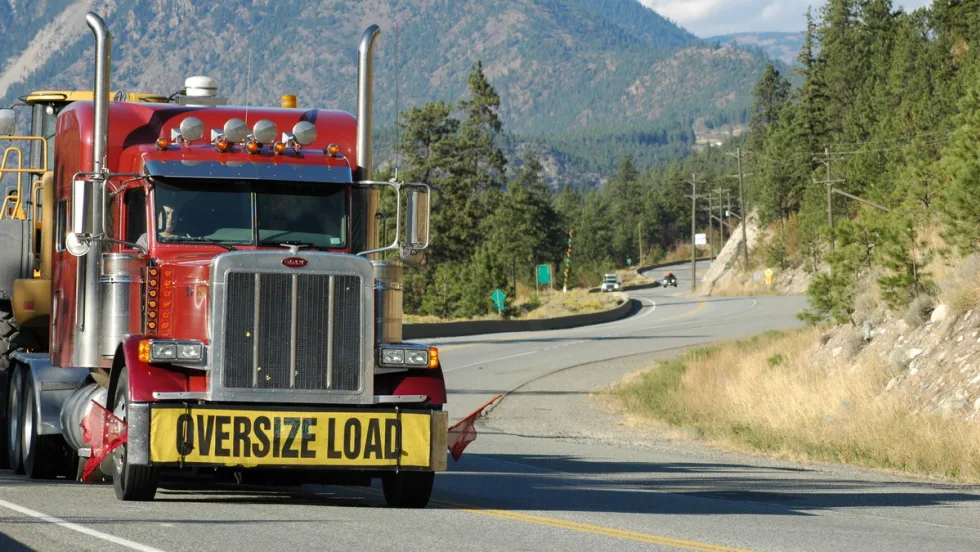
Do Your Truck Drivers Know How to Descend a Mountain Grade?
Where do drivers learn mountain-driving techniques? It's sure not from the typical state CDL manual. Jim Park shares what he learned following a deadly 2019 Colorado crash.
Read More →