





Related: Fleets Hit 7.28 MPG Average in Latest NACFE Efficiency Report
What NACFE-tracked Fleets are Using for Trailer Aerodynamics
Side skirts are still king when it comes to fuel-saving trailer specs and add-ons among fleets tracked in the North American Council for Freight Efficiency's annual study. Tom Berg has more in the Trailer Talk blog.
August 30, 2018
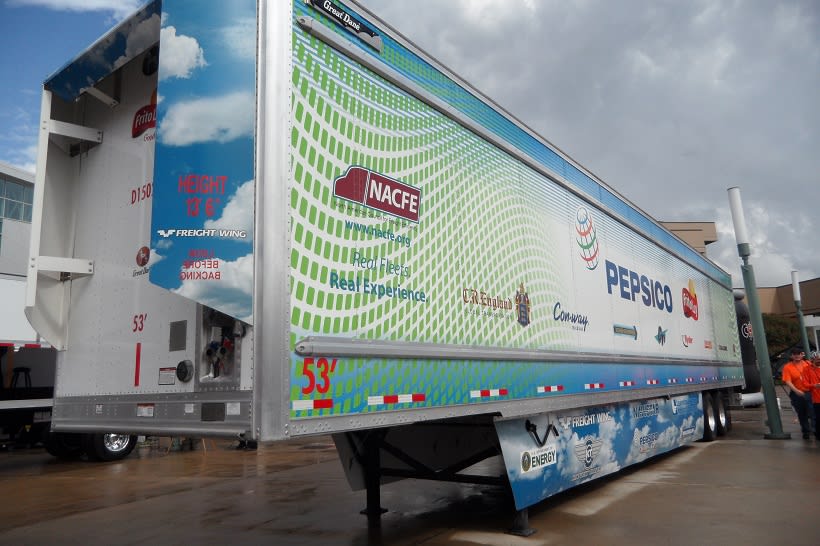
Advanced-technology trailer on display at a trucking show has nose fairings, side skirts, and (not visible) rear fairings. Graphics show the fleets participating in NACFE’s studies; they also buy and use much of the equipment covered in the 2018 Fleet Fuel Study.
Photo: Tom Berg
3 min to read
Side skirts are still king when it comes to fuel-saving trailer specs and add-ons among fleets tracked in the North American Council for Freight Efficiency's annual study. Tom Berg has more in the Trailer Talk blog.
Almost nine out of 10 recently purchased box-type trailers are equipped with the low-hanging deflectors, according to NACFE's 2018 Annual Fleet Fuel Study. The council has been doing the annual studies since 2012.
That high purchase rate of skirts shown in the ’18 study is for the 20 fleets participating, which include many of the better-known and progressive operations in the country. There are several reasons for their adoption, including California’s mandate that began in 2010, says Mike Roeth, NACFE’s executive director.
To save fuel and reduce greenhouse gas emissions, any trailer 53 feet or longer running in California must have side skirts and low-rolling-resistance tires. So if there was a chance an out-of-state fleet’s trailers would venture into the state, that fleet began buying them.
“Since then, price came down, durability went up, and weight came down,” Roeth says. Those fleets "are now finding that as they’ve gotten up in scale, they’re really paying off.” Because of wide variances in operations, fuel savings range from 1% to 10%, though 3% to 4% is more typical.
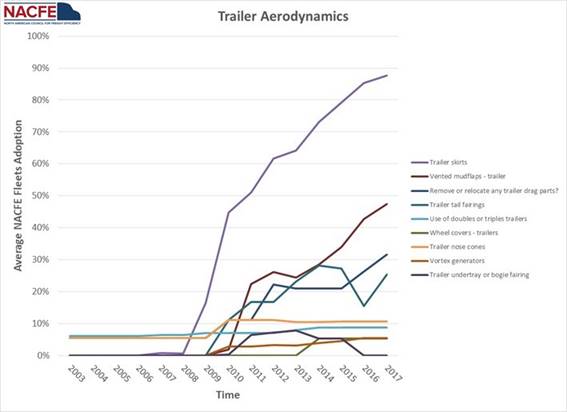
Side skirts comprise the most widely adopted technology among fleet buyers of van and reefer trailers, NACFE’s ’18 study says. And the graph shows that the steep adoption curve started in 2007, three years before the California rules began phasing in. Tray- and boat-shaped fairings mounted ahead of trailer tandems have also shown value, though their acceptance by fleets is limited.
Source: NACFE
“Of course, there are skirts and there are skirts… The closer they are to the ground, the more fuel saving there is.” Shallower “mini skirts” don’t save as much in fuel, but might be desirable to avoid damage from high driveway aprons and such.
Side skirts comprise the most widely adopted technology among fleet buyers of van and reefer trailers, NACFE’s ’18 study says. And the graph shows that the steep adoption curve started in 2007, three years before the California rules began phasing in. Tray- and boat-shaped fairings mounted ahead of trailer tandems have also shown value, though their acceptance by fleets is limited.
Other aerodynamic devices seeing serious adoption rates on trailers are vented mud flaps, at about 47% (probably because flaps are required anyway, and types that reduce drag by allowing air to pass through don’t cost much more); and tail fairings, at about 32%.
“Fleets bought into trailer tails but then pulled back because of trouble getting drivers to close them,” Roeth commented. Interest has rebounded in the last few years.
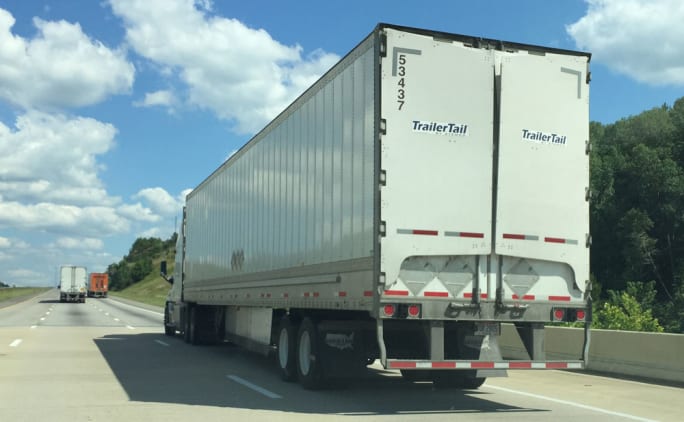
One problem fleets have had with trailer boat-tail aerodynamic devices like this one is drivers who neglect to deploy them.
Photo by Deborah Lockridge
Trailer nose fairings, or "nose cones," and vortex generators (placed on side walls near the rear of trailers) have limited followings, and sales have plateaued since 2009 or so, the study says.
Other fuel-saving trailer equipment that has seen higher adoption by fleets includes automatic tire inflation systems and lightweight components. Many fleets use tire inflators “because the air pressure doesn’t get checked” by drivers, and trailer manufacturers have cut weight through design advances, like thin walls.
Wide-base single tires on trailers only went so far in popularity. Fleet managers found that flat tires weren’t being noticed by drivers, and decided to go back to dual wheels and tires, Roeth says.
The latest Annual Fleet Fuel Study covered many subjects, primarily concerning road tractors. It found that in 2017, fleets averaged 7.28 mpg, up somewhat from ’16. NACFE’s studies and information are free. Download copies of the 2018 and earlier studies, as well as Confidence Reports about various fuel- and money-saving technologies, at NACFE.org.
Subscribe to Our Newsletter
More Blog Posts

Pulsing Back-of-Trailer Lamps Aim to Prevent Crashes
Can the addition of a pulsing brake lamp on the back of a trailer prevent rear-end collisions? FMCSA seems to think so, if its exemptions are any indication.
Read More →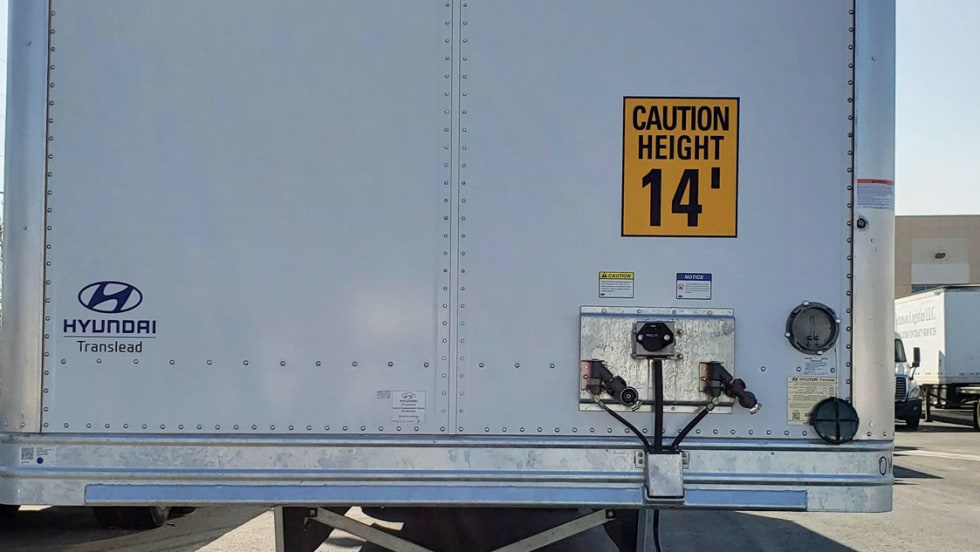
Designing a 14-Foot Trailer
Trailers are 13 feet, 6 inches high, right? Not for Hub Group, which developed a special 14-foot-high trailer spec for a dedicated customer based in California. Learn more in the Trailer Talk blog.
Read More →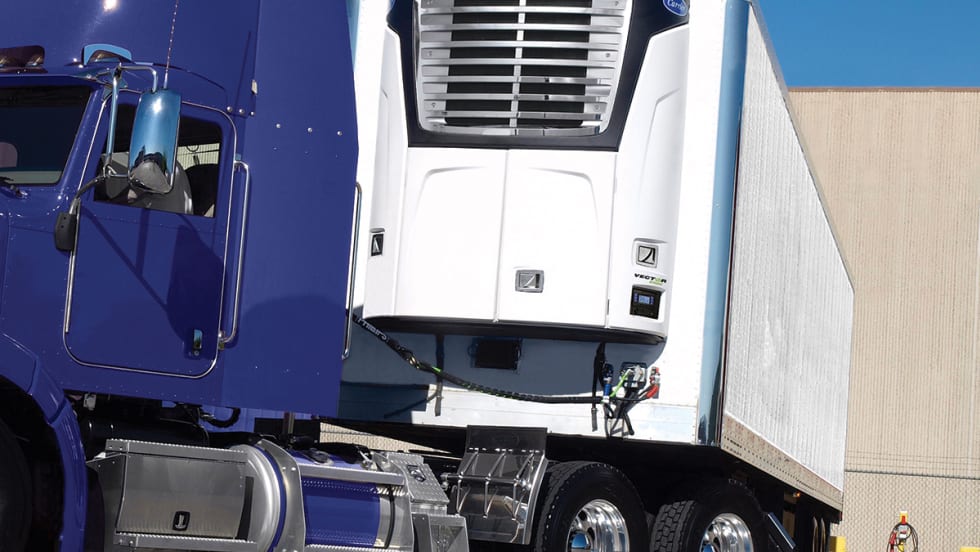
CARB Comes for Reefer Trailers
A new round of emissions control regulations decreed by the California Air Resource Board will begin affecting refrigerated trailer and TRU design and operations next year.
Read More →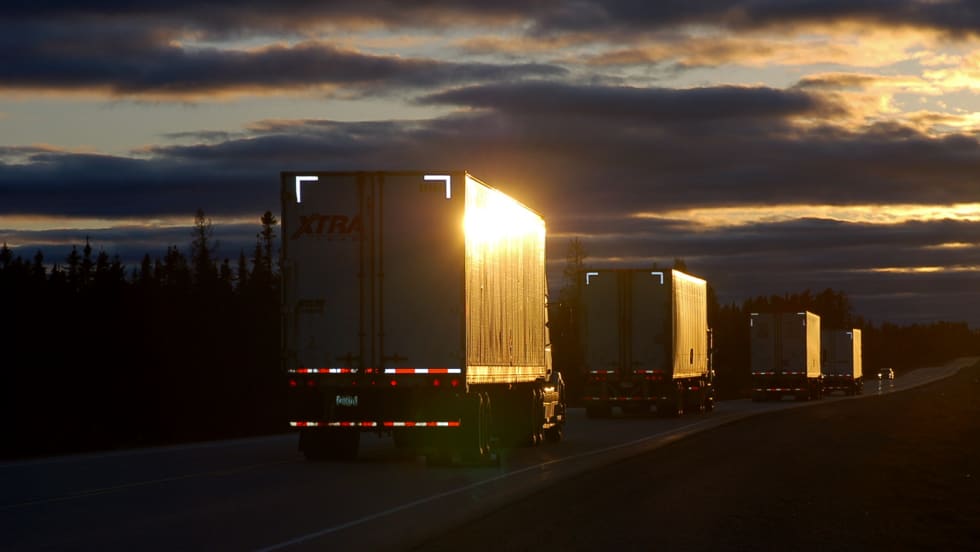
5 Ways Data Analysis Maximizes the Value of Trailer Telematics
Are you getting the most out of your trailer telematics investment?
Read More →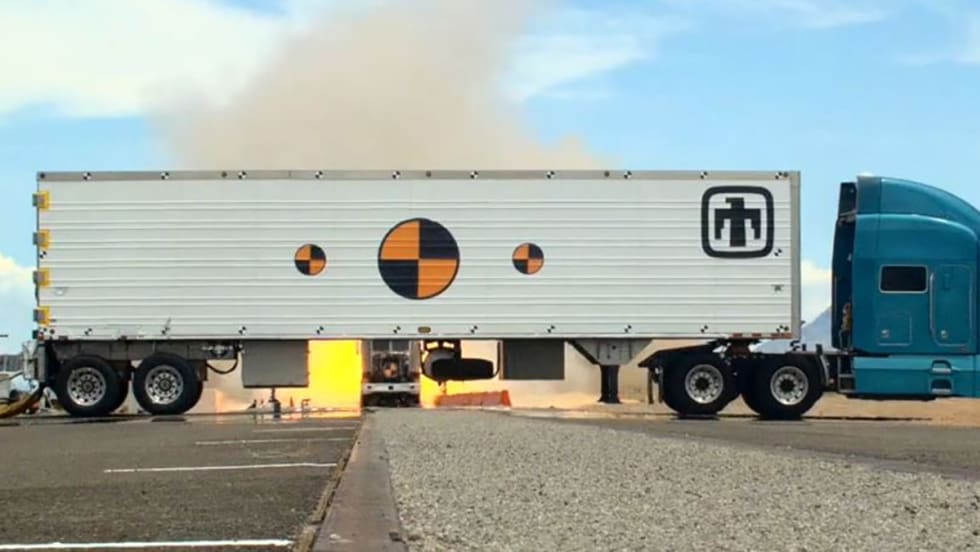
Can You Guess What's in That Trailer?
You don’t always know what’s in the trailers that pass you on the road. But some of those trailers are carrying something a little more dangerous that frozen food or new bedding…like, maybe, a nuclear weapon. But this isn’t an ordinary trailer; this is a trailer specifically made to not only carry this type of payload, but protect it at all costs.
Read More →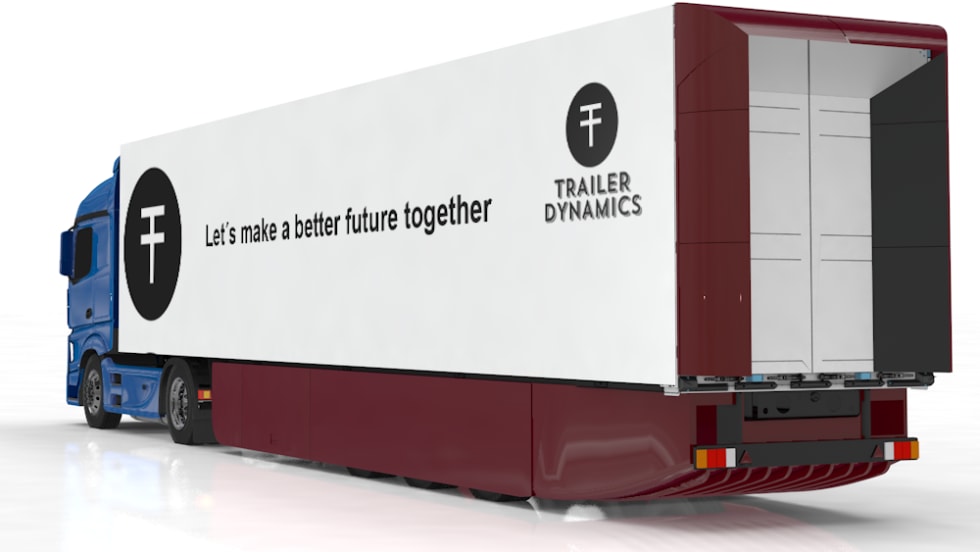
How Trailers Are Harnessing 'Free' Energy
Can trailers play a more active role in sustainable transport beyond aerodynamic add-ons or low-rolling-resistance tires? Some companies think so.
Read More →
Wrapping a Trailer for COVID’s Everyday Heroes
“We don’t only deliver freight. We deliver awareness.” That’s what Jim Barrett, president and CEO of Road Scholar Transport, likes to say about the Dunmore, Pennsylvania-based carrier’s “awareness fleet.” Its latest trailer wrap honors the everyday heroes of the pandemic.
Read More →
How a Tanker Fleet is Using Unorthodox Trailer Lighting to Fight Rear-End Collisions
Groendyke Transport watched the number of rear-end collisions with its trailers rise steadily until it tried an unorthodox and then unapproved method of alerting following drivers that its trucks were applying brakes and slowing down.
Read More →
The Role Trailers are Playing in COVID-19 Funerals
In places such as New York City and Detroit, overwhelmed hospitals and mortuaries are using refrigerated trailers to store the bodies of people killed by COVID-19.
Read More →
Reefer Trailer Aims to Help Reach Zero Emissions
Wabash National is partnering with C&S Wholesale Grocers to test a new type of zero-emissions refrigerated trailer.
Read More →