




Some Shippers Serve Up a Different Take on Green
Eleven natural food suppliers plus outdoors outfitter Patagonia are urging the proposed Phase 2 round of GHG/MPG standards be tightened and sped up.


The Jolly Green Giant of General Mills Image: generalmills.com

The Jolly Green Giantof General Mills Image: generalmills.com
Not counting what they shell out in dues to trade associations and behemoth lobbies like the U.S. Chamber of Commerce, American businesses collectively spend millions upon millions of dollars every year lobbying the government to influence legislation and regulations.
That should surprise no one. But what might is that not every big U.S. company lobbies strictly to benefit itself.
What we’re talking about here are companies that practice what John Mackey, co-CEO and co-founder of Whole Foods Market, calls “Conscious Capitalism.”
In a Harvard Business Review post, Mackey defines Conscious Capitalism as “a way of thinking about capitalism and business that better reflects where we are in the human journey, the state of our world today, and the innate potential of business to make a positive impact on the world.”
If that sounds too precious, he goes on to argue that working with a “higher state of consciousness” makes visible to such companies “the interdependencies that exist across all stakeholders, allowing them to discover and harvest synergies from situations that otherwise seem replete with trade-offs.”
That line or reasoning is reflected in a recent letter sent by top executives of 11 name-brand natural food suppliers (including General Mills and Ben & Jerry’s) plus outdoors outfitter Patagonia to the chiefs of the Environmental Protection Agency and the National Highway Traffic Safety Administration.
The writers urge the regulators to tighten and speed up the proposed Phase 2 round of GHG/MPG standards for commercial trucks.
That’s right. Tighten, not loosen. Speed up, not slow down. These dozen “conscious businesses” are lobbying to get the fuel consumption of heavy trucks cut by 40% by 2025. By contrast, the current federal proposal is to reduce that fuel use by 36% and do so by 2027.
Noting that their firms and parent companies and the retailers they serve collectively represent more than half-a-billion freight miles driven annually, the signers concede that the proposed rule is “a critical step forward.”
Nonetheless, they contend that the two agencies should “take advantage of known technologies to meet a stronger standard that would be both feasible and cost-effective.”
Making the point that they are not about baking pie in the sky, the executives state that they believe “stronger cost-effective standards make economic and environmental sense. Our businesses depend on trucks to transport products, and an efficient trucking industry in the years ahead will continue to be critical to success. The availability of fuel-efficient trucks is critical to reducing our carbon footprints as well as our fuel costs.”
They then offer this calculation to buttress their contention: “As compared to the proposed standards, a 40% reduction in fuel use would cut an additional 200,000 barrels of oil daily in 2035 and provide 33% more in fuel cost savings. Strong efficiency standards for heavy trucks will help our companies avoid billions of dollars in fuel costs and at the same time support the U.S. economy by keeping product transportation affordable and insulating freight costs from volatile global and regional crude oil prices.”
Naturally, the executives also discuss the positive impact tighter fuel-efficiency standards applied sooner will have on reducing “climate warming carbon emissions,” but they wrap up with yet more business sense.
“Strong standards will be good for businesses, the trucking industry and American consumers,” they tell the regulators. “Importantly, the financial benefits of strong standards will be significantly greater than the costs. These lower life cycle costs will start accruing as soon as the first new trucks enter into service. In fact, trucking will see lower life cycle costs right away and these savings will grow to $0.21 cents a mile in 2040; that is an annual savings potential of more than $25 billion.”
No matter what you think of climate change or natural foods, for that matter, it’s hard to argue with numbers like those.
More Blog Posts

Congress Dancing on the Ceiling. Again.
It’s time once more on Capitol Hill to battle over the debt ceiling, rather than conduct the nation’s urgent business, says HDT Business/Washington Contributing Editor David Cullen.
Read More →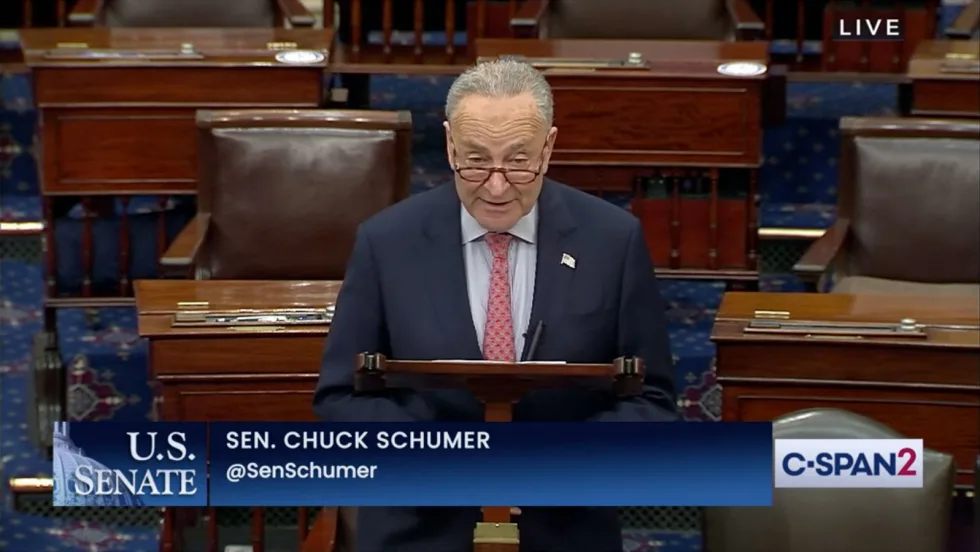
Infrastructure on Capitol Hill: On Two Tracks to Somewhere
It’s likely an infrastructure bill will pass. But how big it will be, and who will pay for it, rides on lots of politicking.
Read More →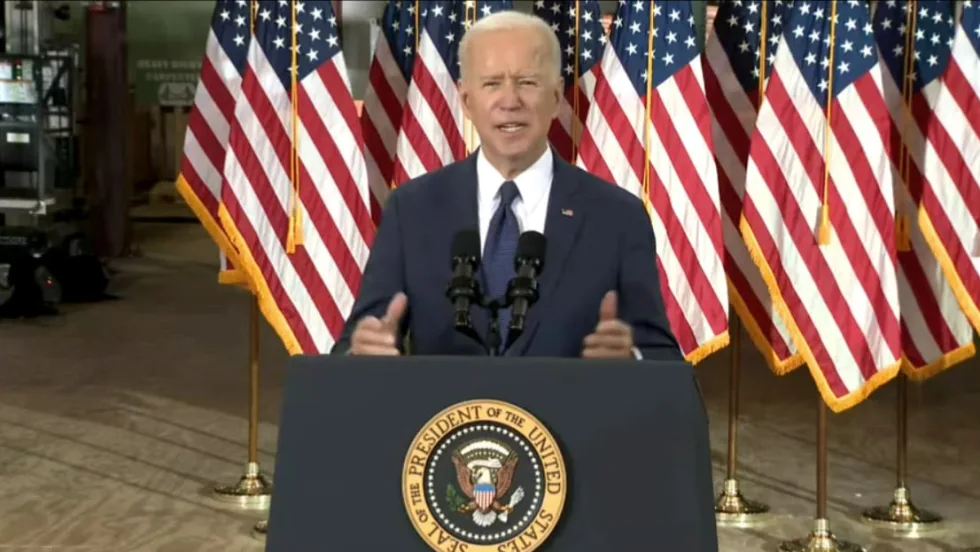
Gaming Out The Biden Infrastructure Proposal on Capitol Hill
The Biden Administration's American Jobs Act, the core of which is infrastructure funding, is on a long road to becoming law – replete with more twists and turns than a mountain highway.
Read More →
4 Ways Washington May Change Trucking Laws and Regulations
As the balance of power in Washington has shifted, trucking likely will see changes in laws and regulations. But how that happens isn't just like the Schoolhouse Rock version of "I'm Just a Bill."
Read More →
Regulatory Outlook 2020: Keep an Eye on Hours of Service
What's in store for trucking from the regulators in Washington, D.C., this year? Executive Editor David Cullen says the government wheels move slowly, but hours-of-service is among those to watch in 2020.
Read More →
Logistics Ain't What it Used to Be
You can no longer expect to run a motor carrier of any size without at least a glancing appreciation for the impact logistics— in one way or another-- has on every link in the supply chain.
Read More →
Will Dustup over Cleanup of Car Emissions Gut Truck GHG Rules?
What does Trump's revocation of California's vehicle emission waiver mean for the federal Phase 2 GHG emission rules already in place for commercial vehicles? Commentary by Executive Editor David Cullen.
Read More →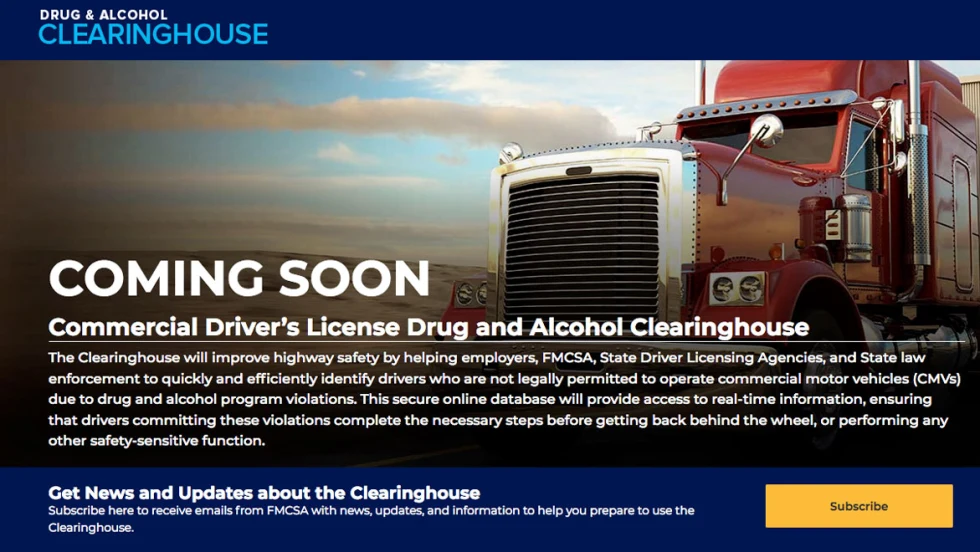
Some Sober Advice on the Drug & Alcohol Clearinghouse
The Federal Motor Carrier Safety Administration's prep work for the Drug & Alcohol Clearinghouse includes amassing an impressive amount of informational guidance online that can be accessed at a dedicated website. Commentary by Executive Editor David Cullen.
Read More →
Here's to Our Winners
The managers, executives, and owners of truck operations who are honored each year by Heavy Duty Trucking with our Truck Fleet Innovator awards so often seem to be moving at a fast clip in how they think about things. Blog Commentary by Executive Editor David Cullen.
Read More →
ATA Takes Madison Avenue to Pitch Highway Funding on Capitol Hill
A new advertising and grassroots campaign by ATA might just sell Congress on fixing our roads. Commentary by David Cullen, Executive Editor.
Read More →