




Regulatory Outlook 2020: Keep an Eye on Hours of Service
What's in store for trucking from the regulators in Washington, D.C., this year? Executive Editor David Cullen says the government wheels move slowly, but hours-of-service is among those to watch in 2020.


Don’t expect any radical new regulatory developments to come out of nowhere in the coming months to slap trucking upside the head.
Photo: U.S. Department of Transportation
On the regulatory front – no matter which party controls the White House – progress always comes ploddingly if not haltingly, as even the gleaning of a proposed rule is thoroughly eyeballed and commented upon by stakeholders and the general public before a federal agency issues a formal proposal… which is then studied even more until, ultimately, it may or may not become a rule.
More of the same is my outlook for 2020. Don’t expect any radical new regulatory developments to come out of nowhere in the coming months to slap trucking upside the head – with one big exception, which may be ready for prime time sometime this year, that could rewrite how motor carriers work.
But first things first. The top of the year brought the long-awaited rollout of the Drug and Alcohol Clearinghouse. Since Jan. 6, motor carriers, third-party administrators, medical review officers, and substance abuse professionals have been required to be registered on the clearinghouse and begin the reporting drug and alcohol testing violations.
However, in a change that has wrought confusion, in mid-December FMCSA extended the compliance date from Jan. 6, 2020, to Jan. 6, 2023, for when state driver licensing agencies must request information from the clearinghouse before they complete certain commercial driver's license transactions.
Again, that extension does not mean a delay in compliance for motor carriers. FMCSA also noted that it will allow States the option to voluntarily request clearinghouse information beginning on Jan. 6, 2020.
Time for Change?
But the 80,000-pound rig in the regulations arena is the pre-rule put out in August by the Federal Motor Carrier Safety Administration that marked the first step in the agency’s effort to reform the bedrock rule of trucking: The hours of service requirements.
FMCSA was pressed to do this by a bipartisan clamoring of 30 Senators back in 2018. Those senators, led by the chairman of the Commerce Committee, urged the agency in a letter to “examine a wide range of options to address HOS issues and ensure safety, including, but not limited to, providing certain allowances for unique businesses or driver operations, elimination of unnecessary requirements, or improved utilization of non-driving time.”
The agency seems to think it has risen to the occasion, noting in a recap of its 2019 accomplishments that its proposal for fixing HOS is “historic” and that it will “improve safety and increase flexibility for commercial vehicle drivers” through “key updates to hours of service rules that are directly based on the feedback FMCSA has received from drivers across the country.”
The guts of the proposal are contained in these changes:
Expanding the current 100 air-mile “short-haul” exemption from 12 hours on-duty to 14 hours on-duty, in order to be consistent with the rules for long-haul truck drivers
Extending the current 14-hour on-duty limitation by up to 2 hours when a truck driver encounters adverse driving conditions
Revising the current mandatory 30-minute break for truck drivers after 8 hours of continuous driving
Reinstating the option for splitting up the required 10-hour off-duty rest break for drivers operating trucks equipped with a sleeper-berth compartment
FMCSA has closed the comment period on those proposed updates to the rule. The next step— eagerly awaited by everyone in trucking— is for the agency to send its proposal for a final rule on HOS to the White House’s Office of Information and Regulatory Affairs for statutory review.
But there’s no mandatory timetable for when FMCSA must finish its work and submit it for review. Likewise, OIRA is not required by any certain date to examine the proposal and approve it or send it back for revision. How long the rule languishes in the White House is anyone’s guess, but given its economic significance, it is not going to rush through.
Of course, once the rule is approved to be issued and thus become law, it may be challenged in court by highway-safety advocates or other stakeholders that view its changes as too flexible. If that happens, it could be years before the reforms are fully implemented.
Three Other Big Letters
CSA is the other big three-letter thing to keep in mind in 2020. The reform mandated by Congress of FMCSA’s Compliance, Safety, Accountability safety-compliance regime is in the works, but it may be years before it is all ironed out and packaged up.
Sometime this year, the agency is expected to reveal more about how switching to a more scientific statistical-modeling approach known as “Item Response Theory” would make CSA’s Safety Measuring System for identifying high-risk carriers function more accurately.
And then there's the Entry-Level Driver Training rule, which is something of a split deal going into 2020. Its official compliance date remains Feb. 7, 2020, but FMCSA has delayed enforcement of two parts of the rule for two years so that electronic kinks can be worked out.
Specifically, the agency said that it needs more time to complete development of the electronic interface that will receive and store ELDT certification information from training providers and to transmit that information to state licensing agencies. The delay would also give those licensing agencies the time they need to modify their IT systems and procedures as needed.
There has been talk inside the Beltway that FMCSA should just delay the whole rule for two years while the computer stuff is being worked out. But as of now, Feb. 7 remains the start date for compliance.
The next thing I see on the regulatory agenda? The 2020 election. Whoever wins the White House – along with which party keeps or gains control of the Senate – will more than anything else determine what the climate for federal rules will be come 2021, and right on until at least 2025.
More Blog Posts
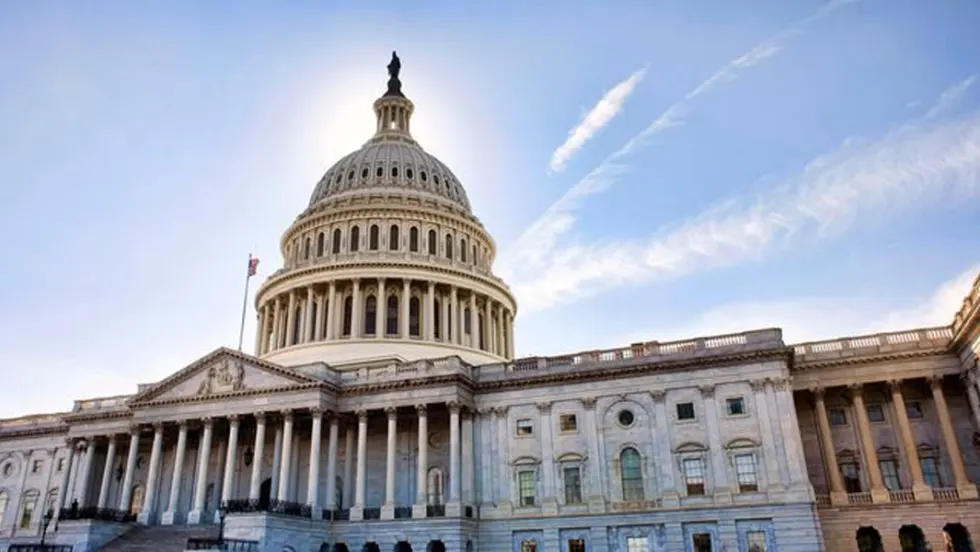
Congress Dancing on the Ceiling. Again.
It’s time once more on Capitol Hill to battle over the debt ceiling, rather than conduct the nation’s urgent business, says HDT Business/Washington Contributing Editor David Cullen.
Read More →
Infrastructure on Capitol Hill: On Two Tracks to Somewhere
It’s likely an infrastructure bill will pass. But how big it will be, and who will pay for it, rides on lots of politicking.
Read More →
Gaming Out The Biden Infrastructure Proposal on Capitol Hill
The Biden Administration's American Jobs Act, the core of which is infrastructure funding, is on a long road to becoming law – replete with more twists and turns than a mountain highway.
Read More →
4 Ways Washington May Change Trucking Laws and Regulations
As the balance of power in Washington has shifted, trucking likely will see changes in laws and regulations. But how that happens isn't just like the Schoolhouse Rock version of "I'm Just a Bill."
Read More →
Logistics Ain't What it Used to Be
You can no longer expect to run a motor carrier of any size without at least a glancing appreciation for the impact logistics— in one way or another-- has on every link in the supply chain.
Read More →
Will Dustup over Cleanup of Car Emissions Gut Truck GHG Rules?
What does Trump's revocation of California's vehicle emission waiver mean for the federal Phase 2 GHG emission rules already in place for commercial vehicles? Commentary by Executive Editor David Cullen.
Read More →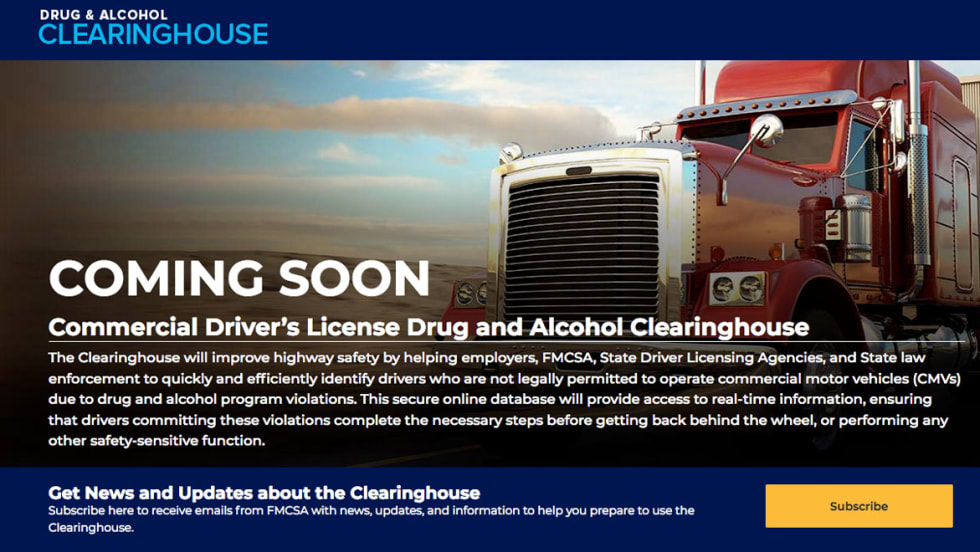
Some Sober Advice on the Drug & Alcohol Clearinghouse
The Federal Motor Carrier Safety Administration's prep work for the Drug & Alcohol Clearinghouse includes amassing an impressive amount of informational guidance online that can be accessed at a dedicated website. Commentary by Executive Editor David Cullen.
Read More →
Here's to Our Winners
The managers, executives, and owners of truck operations who are honored each year by Heavy Duty Trucking with our Truck Fleet Innovator awards so often seem to be moving at a fast clip in how they think about things. Blog Commentary by Executive Editor David Cullen.
Read More →
ATA Takes Madison Avenue to Pitch Highway Funding on Capitol Hill
A new advertising and grassroots campaign by ATA might just sell Congress on fixing our roads. Commentary by David Cullen, Executive Editor.
Read More →
FedEx Reveals What's Inside Every 'Last Mile'
Valuable insight about how FedEx sees the marketplace and reacts to it will not be found in the stark numbers of its latest earnings report. Commentary by David Cullen, Executive Editor.
Read More →