




Let the Robot Drive?
Another Tesla Autopilot crash this week is a reminder that autonomous vehicle technology still has a ways to go before it's ready for widespread use on public roads. But that doesn't mean the technology isn't viable.

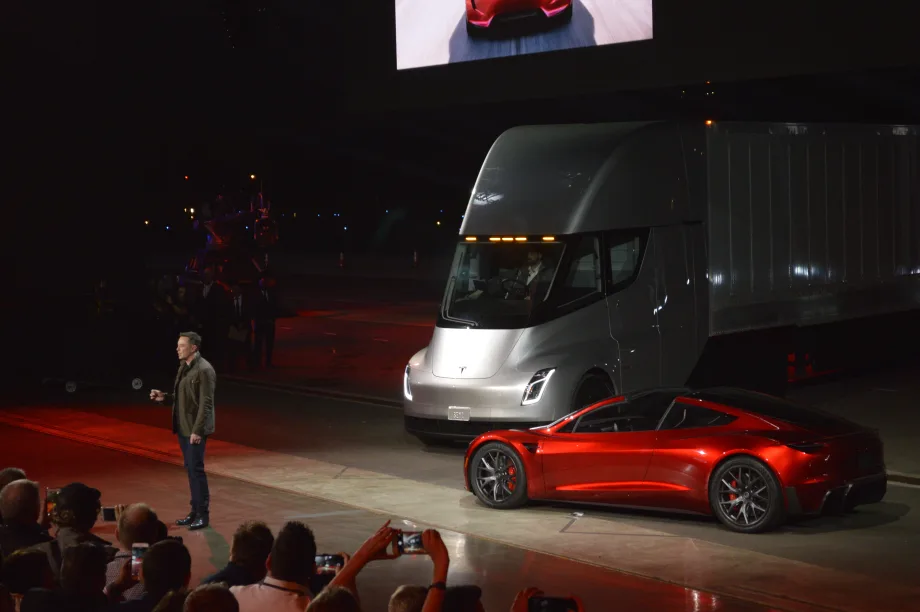
A Tesla Semi truck was spotted taking a test drive on public roads in California earlier this week. Photo: Jack Roberts
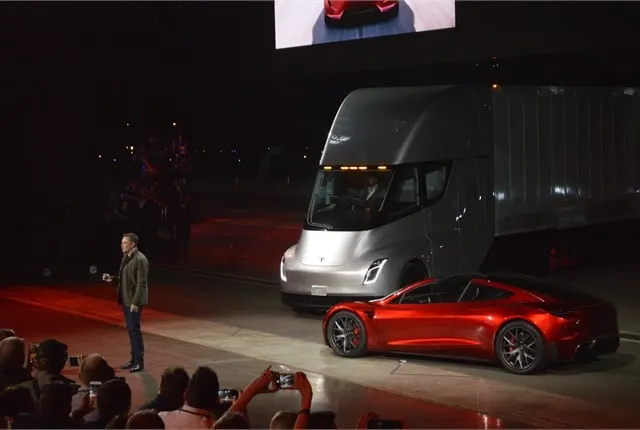
A Tesla Semi truck was spotted taking a test drive on public roads in California earlier this week. Photo: Jack Roberts
There are no certainties in this life, although the universe does seem to have a kind of Yin and Yang vibe to it.
That was certainly the case with Tesla this past week. It started out with the news that a Tesla Semi all-electric truck was spotted running (quietly) out on public roads, and ended up with the news that the National Transportation Safety Board is sending two investigators to look into a collision on Monday in Culver City, California, between a Tesla Model S and a fire engine. Early reports indicate the Tesla was in autonomous driving mode when the accident occurred. And according to the Culver City Fire Department, “amazingly,” there were no injuries in the accident.
The Tesla Semi spotted in the wild last week is almost certainly the same matte black model I inspected up close at the official launch of the truck late last fall. That truck was fitted with rear-view cameras instead of mirrors – but even mighty Tesla has to bow to federal highway regulations. So this example was, indeed, fitted with mirrors while out getting some crucial real-world evaluation miles under its belt.
The takeaway here is that Tesla is proceeding on pace with its plans to have Semi trucks ready to enter into serial production early next year. And if you’re a CDL-holding truck journalist (ahem!) it's a promising sign that you may get to take one for a spin, too, before this young year wraps up.
And while the Tesla accident, and the just-announced NTSB investigation into the causes of the crash, is not exactly a step back for autonomous vehicle technology, it is a timely reminder that for all the promises made by autonomous vehicle system developers, the technology is not quite ready for prime time, yet.
Autonomous vehicle speed bumps
When the NTSB investigated the now-famous 2016 Florida crash of a Tesla Type S in Florida, the agency ultimately placed some blame on the manufacturer for the accident, noting that “operational limitations” in the car’s autonomous control system played a “major role” in the accident. These limitations, according to NTSB, included Tesla being unable to ensure that drivers remained focused on the road and other traffic while the car was in autonomous driving mode or making sure the system could only be engaged on certain types of roads were the system performs best.
For its part, Tesla still insists that its Auto Pilot system, as it calls its autonomous vehicle controls, “significantly” enhances safety, while noting an earlier government study that found it significantly reduces crashes while in use.
Tesla also stressed again that Autopilot is “not a fully self-driving technology,” and added that “drivers need to remain attentive at all times” – even when the system is engaged.
All of which is a timely reminder that as amazing as computers are today, they are still severely limited in their ability react to unforeseen instances, and to learn from both the successes and failures that result from attempting to deal with them.
A lot of time, money and brain power is currently going into efforts to create “deep learning” computers. And it’s likely that we’ll eventually get to the point where a vehicle system can do a much better job at processing a highly dynamic, constantly changing operating environment such as a public roadway.
While I’m no computing expert, it does seem at the moment that vehicle speed, and an autonomous system’s ability to deal with incoming data, are the primary hurdles to widespread autonomous adoption. I say that because in both Tesla crashes, the cars were traveling at 65 mph. So it’s possible that the systems cannot yet deal with processing data at those speeds.
There have also been several widely reported low-speed autonomous driving accidents as well. And in many of those cases, it appears the system was doing just fine on its own. The problem was interaction and adjusting to the unpredictable actions of human drivers, who – as we all know – tend to have a somewhat "flexible" approach to dealing with circumstances such as yellow lights, stop signs, pedestrian crossings and the like.
Very few technologies ever spring right out of the box fully formed and ready to go. So the odds are that these accidents are simply part of the learning curve for all of us. I still believe we will see increased use of semi-autonomous cars and trucks over the next five years or so as the technology improves. And I still believe that many truck drivers will actually like these systems a great deal once they get familiar with them. Perhaps the lesson here and now is that we’re expecting too much from our computers too soon and need to remember to stay focused on the road, no matter how glitzy all this stunning new automotive technology is.
More Blog Posts

That Time Mack Trucks Threw Me a Birthday Party
Sometimes the best birthdays are the ones you never planned. Mine happened courtesy of one of America's oldest truck manufacturers, and it reminded me why I still love this industry after more than three decades.
Read More →
Trucking Should Prepare for Long Siege of High Fuel Prices
Many in trucking are treating today's fuel-price surge as a temporary disruption. History suggests they may be making a costly mistake.
Read More →
30 Days on the Road: April 2026
There was a glut of good news for the North American trucking industry. HDT's Jack Roberts takes a look back at our major stories from the month.
Read More →
30 Days on the Road: HDT's Monthly News Roundup for March 2026
HDT's Monthly News Roundup takes a look at the major North American trucking industry news stories from March, 2026.
Read More →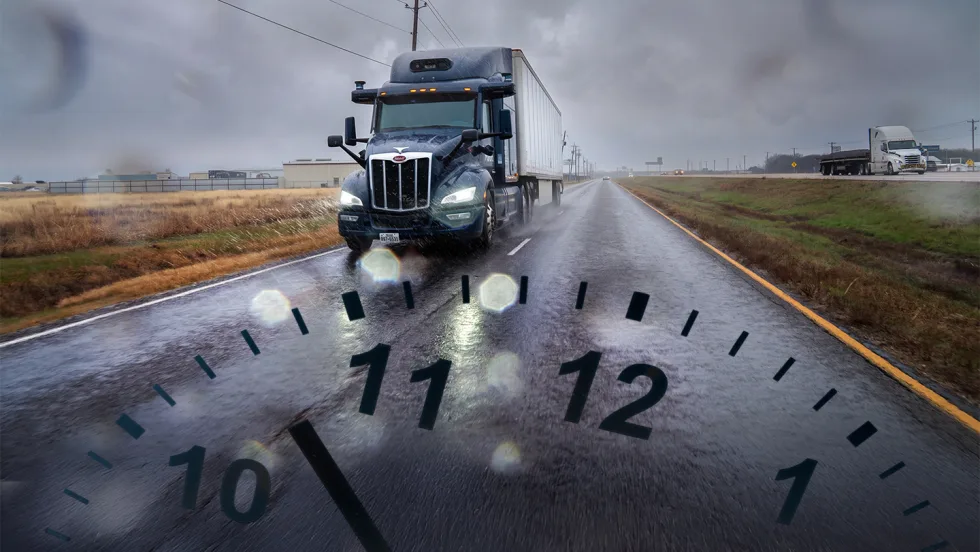
The Major Autonomous News No One is Talking About
Both Aurora Innovation and PlusAI have made under-the-radar announcements that signal a massive game-changer for trucking is coming soon.
Read More →
HDT's Monthly News Roundup: February 2026
February was dreary and dull -- as usual. But the North American trucking industry finally showed some signs of life. But how long that will last is anybody's guess.
Read More →
Like it or Not, The New Year is Here!
HDT's Monthly Trucking Newsletter looks back on the top stories from January, 2026.
Read More →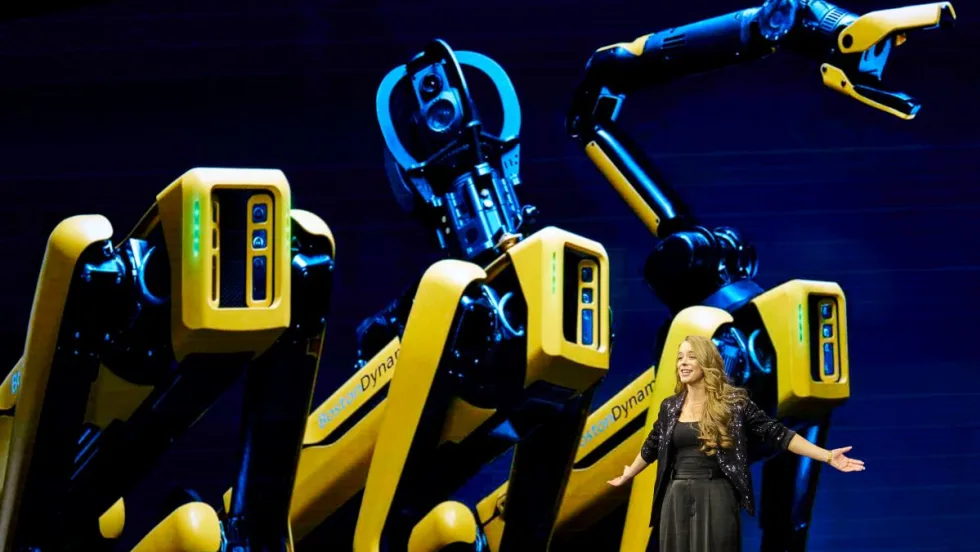
The Robots are Here
After a bruising year for trucking, CES 2026 felt subdued. Until it suddenly offered a glimpse of trucking's next disruption and reminded everyone that technology never waits for the next freight cycle.
Read More →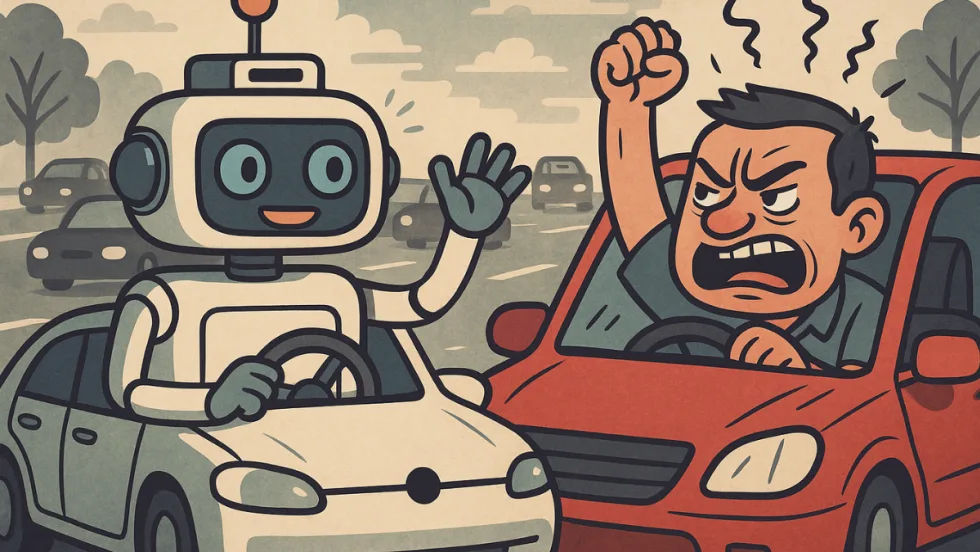
Robots and Road Rage
Computers never get angry. And that's a good thing on crowded stretch of interstate.
Read More →
For the Love of Old Trucks
Old trucks generally get ignored in classic car circles. Maybe that's changing.
Read More →