Heavy Duty Trucking Logo
MenuMENU
SearchSEARCH

How the Role of the Fleet Maintenance Technician is Evolving

Commercial vehicle technicians are highly trained experts, but are they ready for what's to come in digitalization and electrification?

by Beto Dantas, chief technology and innovation officer at ConMet
February 8, 2022
How the Role of the Fleet Maintenance Technician is Evolving

Commercial vehicle technicians are highly trained experts, but are they ready for what's to come in digitalization and electrification?

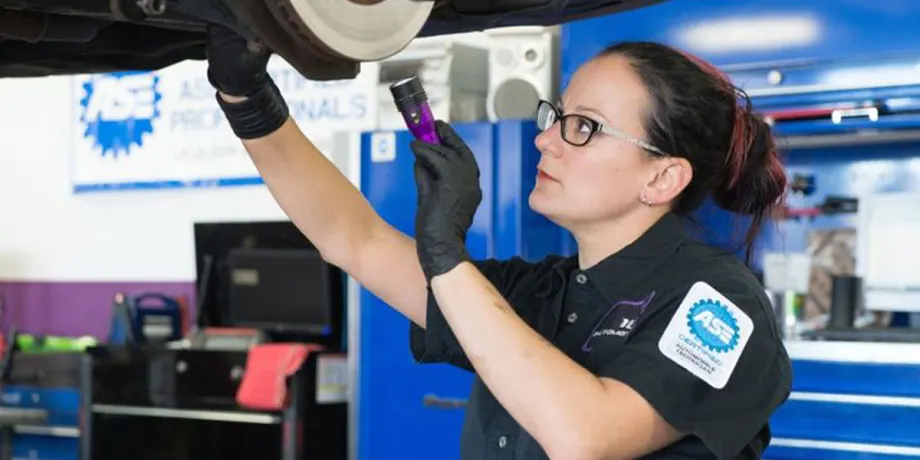
File Photo: ASE

4 min to read


Class 8 trucks are being reimagined to solve today’s most pressing challenges — lowering emissions, increasing fuel efficiency, and improving safety, to name a few — and maintenance technicians need to keep up with a host of additional, specialized skills.

Traditionally, fleet maintenance technicians are highly trained experts that perform pre- and post-trip inspections, preventive and seasonal maintenance, and repairs on commercial vehicles, but are they ready for what's to come? Digitalization and electrification are no longer on the horizon; they are here now.

Ad Loading...

The Advancement of Commercial Vehicles

Since the start of the digital age decades ago, incremental improvements have been made to commercial vehicles, often including sophisticated technology that enhances the mechanical functions of the vehicle. Digitalization has overhauled the CV industry. Many modern trucks have more than 20 computer processors.

In addition, today’s commercial vehicles face regulatory and market demands to emit fewer emissions, leading to electrification as the newest advancing technology targeting the CV industry. With innovations focused on electric mobility there will be increasing demand for electric motors and components. In the past few years, electrification has become somewhat a new buzzword throughout industry conversations and publication headlines.

Technology’s Impact on Maintenance Technicians

While overall these advancements make the industry more efficient, they also will require fleet technicians to use new tools and skills to do their jobs.

For example, with digital telematics, fleet technicians are expected to diagnose and troubleshoot computer system issues and manage software updates. These are skills that must be learned in addition to the mechanical skills that have always been central to the job. Electrification, too, will eventually require specialized skills.

Getting Over the Retraining Hurdle

A highly trained master technician may have no interest in altering or disrupting the skillset he or she has honed for years. Requiring these masters of fleet maintenance to relearn their craft with more emphasis on electronics and software may be a significant challenge. These new skills are evolving quickly, and training may not be readily available yet.

Ad Loading...

The Bureau of Labor Statistics forecasts 8% growth between 2020 and 2030 for diesel truck service technicians and mechanics and projects about 28,000 openings for these specialists each year, on average, throughout the decade. According to a National Institute for Automotive Service Excellence survey, 42% of newer tech talent leaves the industry within the first two years on the job. Creating lifelong, fulfilling careers for a new generation of technicians is another challenge.

Industry experts must collaborate more with vocational schools to better prepare students for success in the field. Curriculums must teach new students about tractor and trailer systems standard in today’s fleets and adapt to the methods of the future. Creating the foundation for evolving curriculums and continuing education is a significant part of the complex yet solvable problem of developing and retaining top talent.

The Future is Bright for Fleet Maintenance Technicians

The demand for smarter, more sophisticated commercial vehicles is here to stay. As OEMs continue to roll out new innovations, the role of the technician will become more critical than ever. And although the evolution of skills needed for fleet technicians presents some challenges, it comes with many benefits.

For instance, connected sensors can identify and precisely communicate issues, making pre- and post-trip inspections far more effective. Thanks to precise measurements of temperature, alignment, weight, vibration, stud tensions, lube quality, axle load, trailer line pressure, and more through back-end algorithms, technicians will know exactly where issues are and when to resolve them. Plus, through user-friendly dashboards, a tech can easily and quickly receive an alert with diagnostic issues even if a truck is miles away, which can improve service job efficiency.

Electric-powered vehicles also come with enormous benefits. Reefer trailers and trucks, for example, can now be retrofitted with electric-powered transport refrigeration units. The batteries in these systems can power auxiliary and propulsion-assist systems. How does this affect technicians? Although the technology involves more complex system controls and software updates, the electronics, in some cases, eliminate the need for preventive maintenance.

Ad Loading...

As ConMet trains techs to install, monitor, and apply new technologies and wheel hubs on more sophisticated commercial vehicles, we are excited to help unlock the potential of fleet technicians of the future.


unknown node

About the author: Beto Dantas is the chief technology and innovation officer at ConMet. He joined the company in 2015 as the vice president of marketing, strategy and innovation. Previously, Dantas spent 10 years at Flextronics International, where he held several positions, including VP of innovation and new ventures.

This article was authored and edited according to HDT editorial standards and style to provide useful information to our readers. Opinions expressed may not reflect those of HDT.

Subscribe to Our Newsletter

More Blogposts

Guest Voices by Charlie Willmott, WillGo Transportation ConsultingSeptember 23, 2025

The Time is Now to Expand Longer Combination Vehicles [Opinion]

The reauthorization of the federal highway bill offers a rare chance to advance double 53-foot LCVs. Industry leaders shouldn’t miss it, says a longtime trailer industry professional in this Guest Voices blog post.

Read More →
Guest Voices by Cliff Creech, Phillips ConnectSeptember 16, 2025

The Hidden Costs of 'Free' Smart Trailer Tech Installations [Commentary]

Free installation of smart trailer technologies may sound good on paper, but you could end up paying down the road.

Read More →
Guest Voices by Jason Good, Good’s InsuranceAugust 22, 2025

Protecting Small Trucking Fleets from Scammers: Lessons from the Insurance Frontlines

Hijacked DOT numbers, fake invoices, and high-tech cargo theft are on the rise. A veteran trucking insurance broker shares how to spot trouble early — and why a trusted advisor may be your strongest defense.

Read More →
Ad Loading...
Guest Voices by Joe Burke, The Goodyear Tire & Rubber CompanyJuly 8, 2025

Tire Retreading Makes Sense for Trucking Fleets. H.R. 3401 Could Make It Even Smarter.

Retreaded tires offer trucking fleets cost savings, sustainability gains, and supply chain security. New legislation, H.R. 3401, could make retreads even more attractive and support U.S. jobs.

Read More →
Guest Voices by Anna Hansen, Center for Transportation and the EnvironmentJune 1, 2025

Hydrogen Fuel Cell Trucks Are Ready for the Long Haul. Now Policymakers Must Act

Accelerating the growth of hydrogen-fuel-cell-truck adoption would help make zero-emission trucking is not only possible, but practical and profitable, argues the Center for Transportation and the Environment in this Guest Voices blog.

Read More →
Guest Voices by Mike Roeth, North American Council for Freight EfficiencyMarch 3, 2025

A New Definition for Long-Haul Heavy-Duty Trucking

Understanding the various routes that make up long haul is important as we move through trucking’s Messy Middle — a time when fleets have a variety of powertrain solutions to choose from, writes NACFE's Mike Roeth.

Read More →
Ad Loading...
Guest Voices by Patrick Macdonald-King, CEO of GreenlaneJanuary 1, 2025

How Collaboration is Driving the Growth of Heavy-Duty EV Charging Infrastructure

To overcome the challenges of transitioning to electric medium- and heavy-duty vehicles, it will take local governments, public-private partnerships, utilities, investors, and other stakeholders working together, says the CEO of Greenlane in this guest article.

Read More →
Guest Voices by John Vaccaro, Bettaway Supply Chain ServicesDecember 12, 2024

It’s Time to Address the Real Costs of Nuclear Verdicts in Trucking

John Vaccaro has some interesting observations on trucking liability and how plaintiff attorneys are weaponizing the legal system — and some unusual ideas to address the problem.

Read More →
Guest Voices by Brent Yeagy, President and CEO of WabashDecember 2, 2024

Why the Future of Logistics Needs a New Kind of Leadership

The logistics industry stands at a pivotal crossroads, and traditional ways of solving problems are no longer enough to overcome the complexities we face today, contends Brent Yeagy, president and CEO of Wabash, in this Guest Voices blog.

Read More →
Ad Loading...
RNG fuel fill hose.
Guest Voices by Daniel Gage, The Transport ProjectNovember 5, 2024

Why TTP is Suing the EPA to Embrace Biofuels for Heavy Trucks

In this opinion piece, Daniel Gage, president of the Transport Project, explains why the organization is suing the Environment Protection Agency in an effort to force it to embrace biofuel solutions for heavy-duty transport in Phase 3 Greenhouse Emissions Regulations.

Read More →