




More from Fairfax County: How One Fleet Faces Maintenance Tech Shortages Head-On
Don't Wait to Train Technicians How to Maintain Electric Vehicles
When it comes to technician training, are we going to ignore alternative forms of vehicle power, such as electric drivetrains, hydrogen, and natural gas, like we did with aftertreatment?
by Paul Cupka, Fairfax County Department of Vehicle Services
July 28, 2022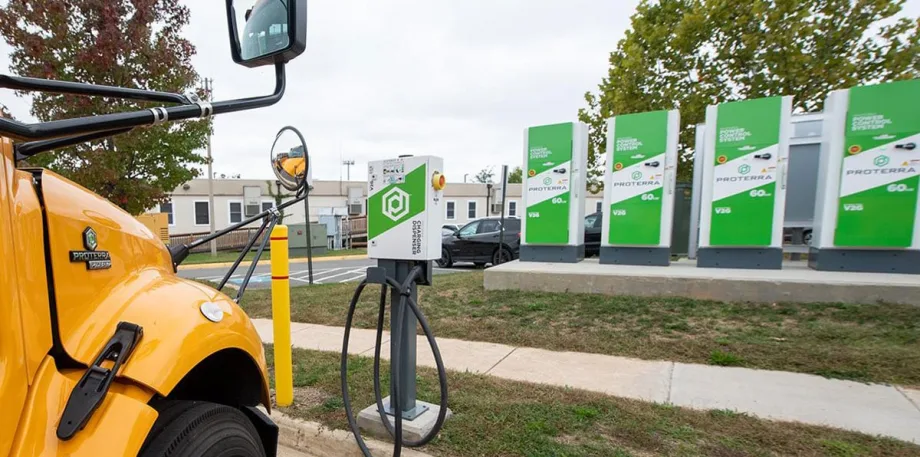
Buying EVs and charging stations isn't enough. Maintenance and repair training can't be overlooked.
Photo: Fairfax County
3 min to read
In 2007, diesel engine manufacturers were forced to meet more aggressive EPA regulations for tailpipe emissions, marking the debut of the aftertreatment system. That was essentially 15 years ago, yet there are still a lot of technicians that aren’t familiar with these systems, as I’m finding out in my aftertreatment classes.
I’m not saying everyone I teach is lost. Some companies have taken the time to train their technicians, but it’s not enough for me to feel comfortable. Technicians often thank me after the class for the shared knowledge and tell me they now feel more confident in diagnosing aftertreatment systems, including the fact that more times than not the problem is being created “upstream.”
Why did it take 15 years to start taking the system seriously? Did we keep kicking it down the road, hoping it would go away, and now are paying the price? Aftertreatment system technology will probably continue to change, and I hope we’ve learned our lesson and stay on top of it — it’s not going anywhere if we are expected to keep “clean diesels” running.
Today, we have more new technologies entering the industry. Are we going to ignore alternative forms of vehicle power, such as electric drivetrains, hydrogen, and natural gas, like we did with aftertreatment?
Electric Vehicles Aren't Going Away
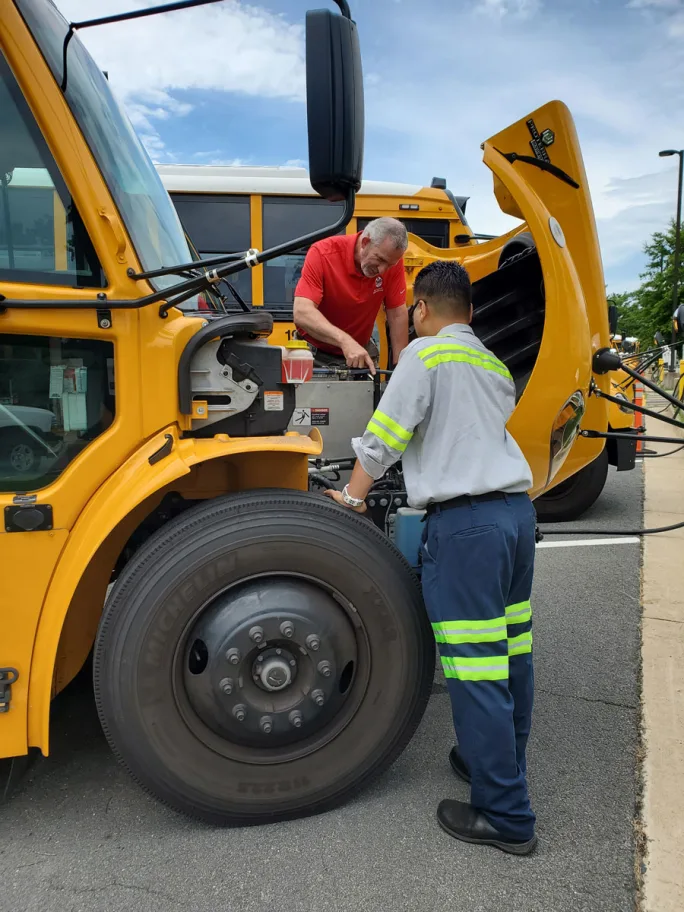
Fairfax County's Maintenance Academy has been developing and implementing electrical vehicle training.
Photo: Fairfax County
Just like the system that keeps diesel engines clean, the electric vehicle is here — with other alternatives close behind. The electric vehicle won’t be going away anytime soon, and in fact I can see new technology being implemented to coincide with it. Are we going to kick it down the road, or this time, will we start training our technicians now? This is the time to start! The technology will only get more complicated and create frustration within the industry, just as aftertreatment systems have.
I’ve been in the vehicle maintenance industry for over 44 years. I’ve seen technologies come and go. I was here for the initial mandated antilock braking systems that we ended up tearing out of the vehicles because they caused more harm than good. This is not the case here! The manufacturers and their new technology to help with our environment are designing their systems to be more dependable. Perfect, no. But they are competing for our business and don’t want to fail.
Here at the Fairfax County Department of Vehicle Services, we have taken a proactive approach. We currently have 24 BEVs, and the fiscal 2023 budget will more than double that, to 52. And the number of hybrid-electric vehicles will rise from the current 171 to 286. Although the current EV and hybrid fleet consists of light-duty and school buses, we are looking into electric refuse trucks and Class 8 trucks.
Our Maintenance Academy has been developing and implementing electrical vehicle training for some time. Along with hiring the manufacturers to come to our classrooms and help us get the information out there, I think we stand a better chance of surviving the future onslaught of this technology.
The county has been buying transit buses, school buses, solid waste trucks, and medium-duty trucks, as well as installing electric charging stations for these vehicles.
In the Bible story, Noah built the ark before it started raining. Let’s get the information and training out there before the downpour starts!

Paul Cupka
Photo Courtesy Paul Cupka
Paul Cupka is superintendent of training and quality assurance and support for the Fairfax County (Virginia) Department of Vehicle Services. He has been in the heavy-duty maintenance and repair industry for more than 44 years and is a Certified Director of Maintenance and Certified Director of Safety through the North American Transportation Institute and the University of Central Florida. He’s seen many technologies come and go over those years and believes that alternative fuels and electric powertrains are here to stay.
Subscribe to Our Newsletter
More Blog Posts

Fragmented AI: Why Trucking Must Take Security More Seriously
As AI becomes embedded throughout transportation operations, the result can be a tech environment that looks more advanced on paper, but isn't necessarily more efficient, secure, or manageable in practice.
Read More →
We've Been Thinking About Truck Uptime Backward
The truck repair operations that minimize downtime aren’t necessarily the ones with the fastest technicians. They’re the ones who have the part.
Read More →
The Real Cost of Trailer Tires: Why It's Not Just a Maintenance Problem Anymore
Tire wear isn't random. The trucking fleet with a tire program that knows which trailers, positions, and routes are punishing tires the hardest is the one that buys fewer of them.
Read More →
A New Argument for Electrification: Managing Fuel Volatility
As oil prices surge amid Middle East conflict and a blocked Strait of Hormuz, fleets are feeling the squeeze in real time. In this guest column, Geotab's Neil Cawse argues electrification is no longer just about sustainability or ROI — it’s about insulating operations from what he calls a "volatility tax."
Read More →
The Time is Now to Expand Longer Combination Vehicles [Opinion]
The reauthorization of the federal highway bill offers a rare chance to advance double 53-foot LCVs. Industry leaders shouldn’t miss it, says a longtime trailer industry professional in this Guest Voices blog post.
Read More →
The Hidden Costs of 'Free' Smart Trailer Tech Installations [Commentary]
Free installation of smart trailer technologies may sound good on paper, but you could end up paying down the road.
Read More →
Protecting Small Trucking Fleets from Scammers: Lessons from the Insurance Frontlines
Hijacked DOT numbers, fake invoices, and high-tech cargo theft are on the rise. A veteran trucking insurance broker shares how to spot trouble early — and why a trusted advisor may be your strongest defense.
Read More →
Tire Retreading Makes Sense for Trucking Fleets. H.R. 3401 Could Make It Even Smarter.
Retreaded tires offer trucking fleets cost savings, sustainability gains, and supply chain security. New legislation, H.R. 3401, could make retreads even more attractive and support U.S. jobs.
Read More →
Hydrogen Fuel Cell Trucks Are Ready for the Long Haul. Now Policymakers Must Act
Accelerating the growth of hydrogen-fuel-cell-truck adoption would help make zero-emission trucking is not only possible, but practical and profitable, argues the Center for Transportation and the Environment in this Guest Voices blog.
Read More →
A New Definition for Long-Haul Heavy-Duty Trucking
Understanding the various routes that make up long haul is important as we move through trucking’s Messy Middle — a time when fleets have a variety of powertrain solutions to choose from, writes NACFE's Mike Roeth.
Read More →