




Talking Diesel Aftertreatment Maintenance
Diesel aftertreatment systems remain the source of much confusion and frustration for fleets and drivers alike.
May 17, 2021

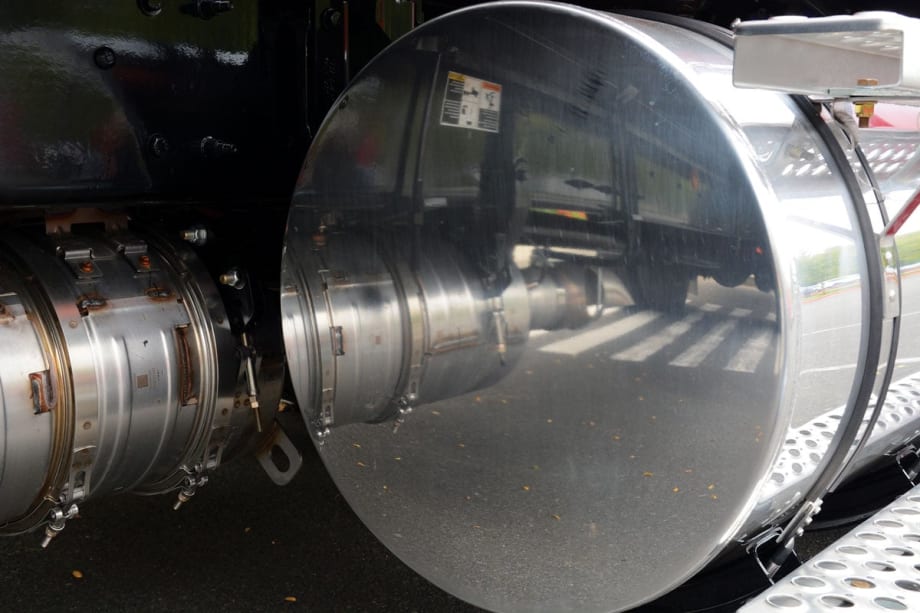
We’ve had some 15 years to figure it out, yet diesel particulate filter maintenance remains a nightmare for many fleets.
Photo: Jim Park
3 min to read
When working properly, aftertreatment systems clean exhaust gases to ensure diesel engines meet emission regulations. But aftertreatment systems remain the source of much confusion and frustration for fleets and drivers alike.
Like most everything else on a truck, these systems require regular inspection and maintenance for optimum performance.
To get the nitty-gritty on aftertreatment, the HDT Talks Trucking podcast brought on two experts: Steve Hoke, president of Redding, California-based Diesel Emissions Service, and Steve "Junior" Stratton, warranty and training manager at DES.
With nearly three decades of combined experience cleaning and servicing aftertreatment systems, Hoke and Stratton offered their thoughts on what can go wrong with these systems and how to maintain them for the best results.
Why is Diesel Aftertreatment Such a Headache?
Why do aftertreatment systems still seem to be causing grief for fleet managers?
“We believe that it's a lack of training and support from the OEMs, mainly because they want the vehicle brought back to the dealer for work,” Hoke told HDT Talks Trucking host Jim Park.
“With the 2007 and newer vehicles, mechanics had to become technicians and really learn and understand the new aftertreatment technology to be able to diagnose the systems,” he continued. “As far as the DPF or aftertreatment, in 2007, fleets were kind of thrown into a tailspin with downtime and costs attributed to the aftertreatment system.”
Hoke also said there was an unrealistic expectation of the expected performance of these systems.
“In 2007, almost every truck/engine manufacturer basically said, ‘Look, the aftertreatment systems are going to last 500,000 to 600,000 miles. Don't worry about them.’ But we found out over the years that things were a lot more complicated than that.”
He added that duty cycles for vocational trucks make it more difficult on the aftertreatment system to operate properly, compared to the steady-state operation of engines in long-haul, over-the-road trucks.
Even in on-highway trucks, however, things can go bad seemingly very quickly with an aftertreatment system, including causing roadside breakdowns.
“It's a culmination of things,” Stratton said. “It's a combination of duty cycle, lack of maintenance, and neglect. And then there are the rare occasions where there's an actual aftertreatment system failure.”
Dig Into the Causes of Aftertreatment System Problems
Hoke said that if he had a fleet of trucks that was having the types of downtime issues many fleets have reported, “I would be digging into the diagnostic side to find out why. Yep, I have opacity issues on the engine. Do I see temperatures that are not conducive to create a passive regen? Do I have a DPF that is plugged? No good. Do I have an SCR [selective catalytic reduction] system issue? Because theoretically, unless you are stopping, in the normal use of that vehicle it should be able to support either passive or active regens without your knowledge.”
In discussing some of the big picture around aftertreatment maintenance, Stratton invoked the tried and true “pay me now or pay me later” scenario.
“Fleets don't want to spend $350 to have a DPF cleaned, but do they want to spend $1,500 on a tow bill and three days in the shop? If they schedule the DPF cleaning on their own time with their own machines, they’re going to potentially save exponentially on the other end.”
Subscribe to Our Newsletter
More Maintenance
What Trucking Events are Happening in 2027?
Looking for trucking-related conventions, expos, and other events? Heavy Duty Trucking has developed this list of national and larger regional trucking shows and events.
Read More →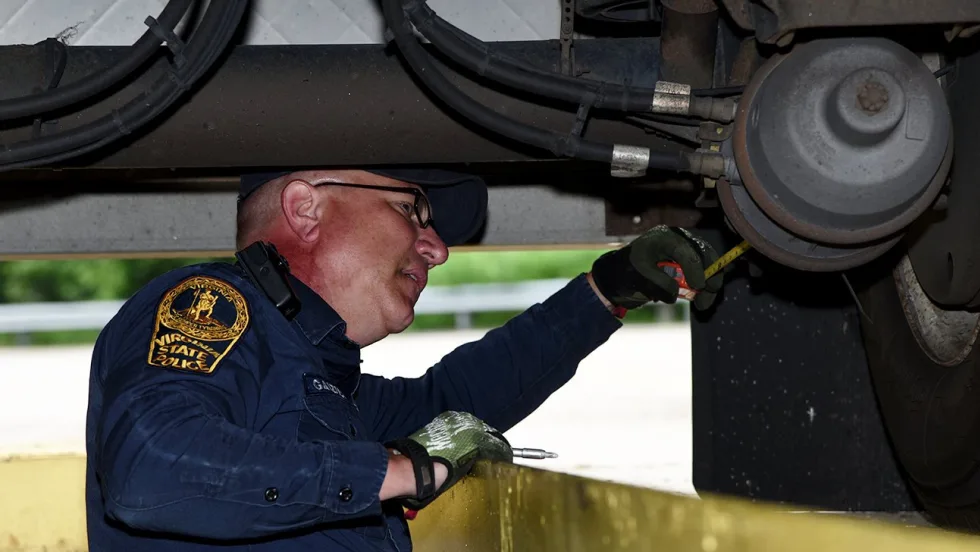
Brake Problems Sideline 15% of Inspected Trucks
During CVSA's 2026 Brake Safety Week, inspectors placed nearly 2,400 commercial vehicles out of service for brake violations, including problems with defective brakes, hoses, drums and rotors.
Read More →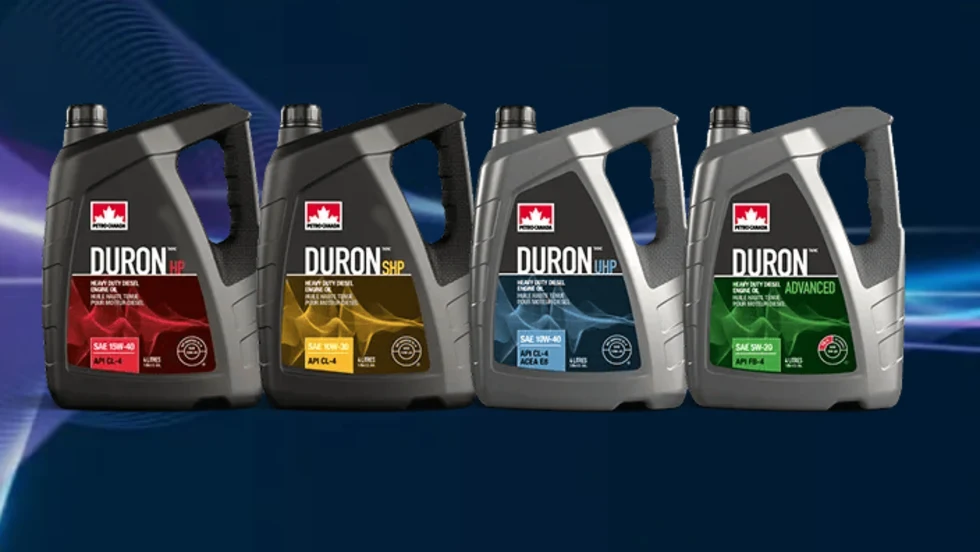
Sponsored•November 6, 2026
Unlocking the performance advantages of PC-12
2027 will mark the arrival of a new generation of heavy-duty engine oils. PC-12 reflects how far engine design has advanced and the demands that progress places on heavy-duty lubricants. Here’s what the transition means to your fleet.
Read More →
Sponsored•November 3, 2026
6 Tips for Troubleshooting Cold-Weather Truck Problem: Don't Guess, Diagnose it
Cold weather can expose hidden truck problems. Discover six practical troubleshooting tips to pinpoint the cause, avoid unnecessary repairs and keep trucks on the road.
Read More →
How GP Transco Builds Fuel Savings a Fraction at a Time
Aerodynamic specs, solar panels, and driver incentives help GP Transco turn small efficiency gains into savings it can reinvest in its people.
Read More →
Oil Crisis Squeezes Trucking Lubricant Supplies
Fleets report higher lubricant costs as Middle East disruptions tighten supplies of ingredients used in synthetic engine oils and some driveline lubricants.
Read More →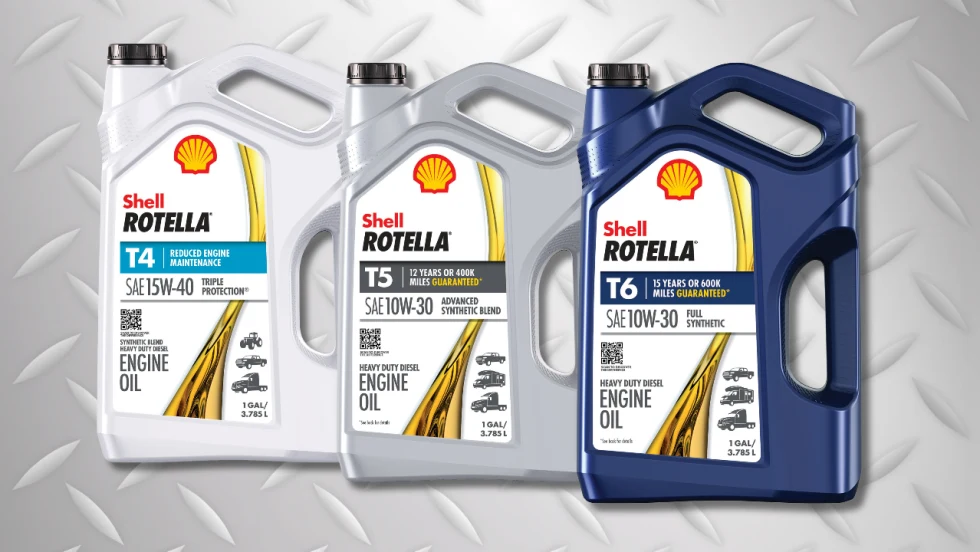
Shell Prepares Rotella Oils for 2027
New CL-4 and FB-4 formulations will begin arriving in early 2027, with improved protection against oil breakdown, wear and deposits, according to Shell.
Read More →
Mack Expands Extended Coverage With Four Chassis System Plans
Mack Trucks' new system-specific coverage options allow heavy-duty fleets to select protection for driveline, cab, HVAC, electronics, and advanced safety components.
Read More →
What an Out-of-Service Order Really Costs, and How to Plan for One
The repair invoice is the first number you see — and often one of the smallest. Here’s what else an out-of-service order can cost a fleet, and how planning can reduce the damage.
Read More →
International Launches Online Truck Parts Store
Fleetrite.com lets fleets and repair shops find OEM and all-makes parts, check prices and availability, and order without calling a parts counter.
Read More →