




Which Engine Displacement is Right for Your Regional Truck?
The powertrain is a necessarily large part of the spec'ing exercise, and a great deal goes into the decision: anticipated lifecycle; annual miles; average horsepower per mile; vehicle weight; terrain and more

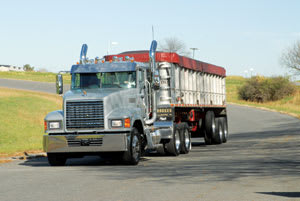
Engine choices are application specific. An 11-liter may save fuel, but you might need a 13-liter or bigger to get the job done.
The powertrain is a necessarily large part of the spec'ing exercise, and a great deal goes into the decision: anticipated lifecycle; annual miles; average horsepower per mile; vehicle weight; terrain and more.
With three popular displacements to choose from, the choices are broader then ever.
All of the engine makers now offer families of engines with up to three displacement offerings. Some have common (or similar) architecture; some have common parts, common service tools and common technician training.
In many ways, it makes sense to stay within the brand for the sake of commonality and lower support costs such as service tools, technician training and parts inventory.
Because day-cab configurations typically have a smaller hood envelope for better visibility and maneuverability, the smaller displacement engine is an obvious choice for the physically smaller vehicle. However, you won't give up much at all with the smaller powerplant.
"Our ISX12 is quite capable of 80,000 pounds, but if you think about the average horsepower per mile needed in a regional application versus a long-haul environment, the load factors and the duty cycles are quite different," points out Cummins' Lou Wenzler, technical support sales manager.
"Regional trucks are not cruising down an Interstate for six hours at a stretch. They are on and off the highway, driving on city streets and often are hauling loads that get progressively lighter throughout the day, or in the case of a tank operation, may be running empty close to half the time. It's not that regional loads are necessarily lighter, but the need for a large-displacement engine - think in terms of durability and high-mileage life cycles - just isn't there."
Trade cycles also drive the engine spec to a large extent. Generally speaking, today's 11-liter engine offerings produce between 325 and 450 horsepower (1,250-1,450 pounds-feet), while the 13-liter engines crank out 350 and 475 horsepower (1,400-1,750 pounds-feet), so ratings are not that far apart. Like their 15-liter cousins, 13-liter engines tend to be more robust than their smaller 11-liter counter parts.
T.J. Reed, director of product marketing at Freightliner Trucks, says, "Long-haul operators want the 15-liter engines for resale value, while the regional haulers are looking for lighter weight and better fuel economy."
Fleets that plan to keep engines in service for eight to 10 years would probably opt for a 13-liter block, while shorter trade cycles or fewer annual miles might demand only an 11-liter machine.
"Unless fleets have high power demands or particularly severe duty cycles, a typical regional truck has a lighter duty cycle and lower annual mileage, so we'd look to the smaller engines," says Ryder's Perry. "Knowing what you are asking of the engine going in, and how long you plan to keep it, will help you make a more appropriate spec'ing decision."
To read more about spec'ing for regional trucks, click here.
From the March 2012 issue of HDT
More Equipment
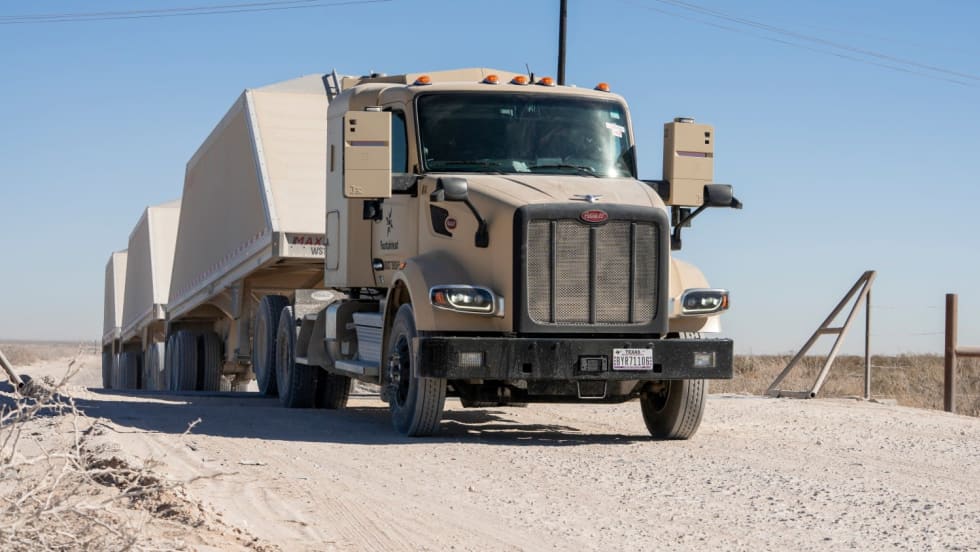
Atlas Expands Kodiak Driverless Truck Fleet in Permian Basin
Atlas Energy Solutions is expanding autonomous frac sand hauling in the Permian Basin with a second load-out location and plans for 100 driverless trucks by mid-2027.
Read More →
Putting Mack’s Command Steer to the Test
A test drive of Mack’s Command Steer active steering system evaluates how it can make truck driving easier and less tiring.
Read More →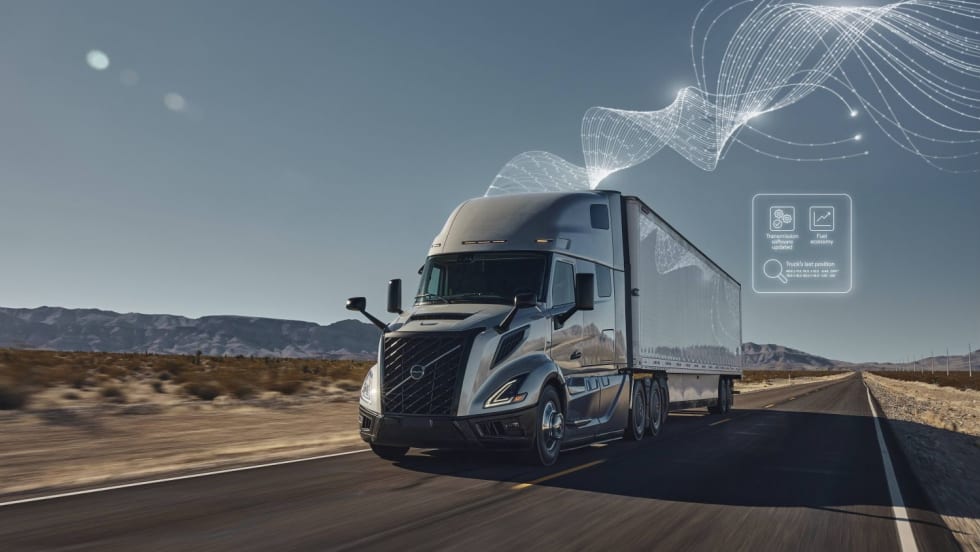
Mack, Volvo Expand DEF Derate Software Updates
The updated software gives Mack and Volvo truck owners more time to address DEF-related issues before the engine derates or the vehicle goes into reduced-speed inducement, following new EPA guidance.
Read More →
Rush, MCT Team Up to Grow Refrigeration Service Network
The joint venture will operate MCT's network of Carrier Transicold dealerships and mobile service locations, with the companies promising greater service capacity and uptime for refrigerated fleets.
Read More →
Cummins Adjusts 2027 Engine Rollout After EPA Proposal
The engine maker will gradually introduce its new Model Year 2027 diesel engines while continuing to offer current models during the transition, citing the EPA's proposed emissions rule changes.
Read More →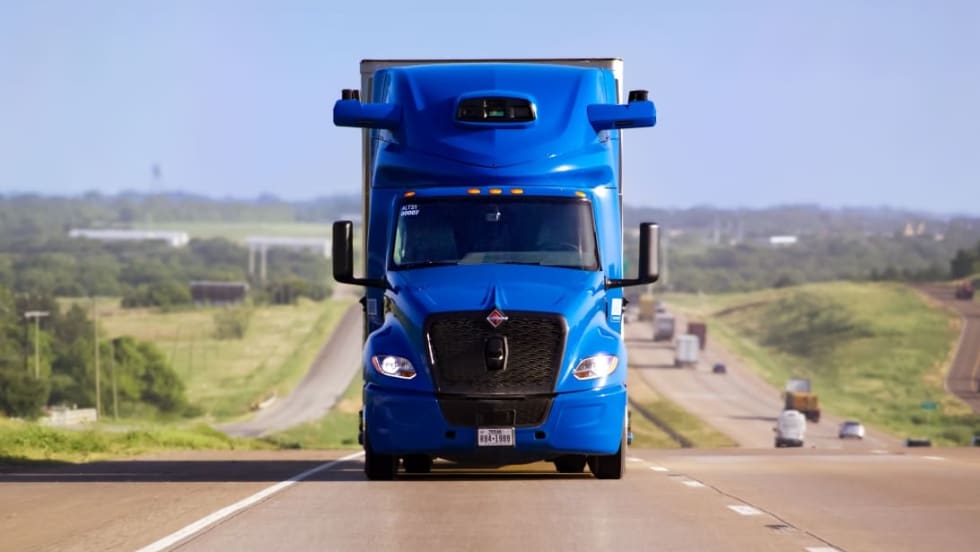
Aurora Rolls Out Next Generation of Driverless Trucks for Commercial Freight
Aurora's latest autonomous trucks it's rolling out with International feature lower-cost hardware designed for a million miles as the company expands commercial driverless freight operations across the U.S. Sun Belt.
Read More →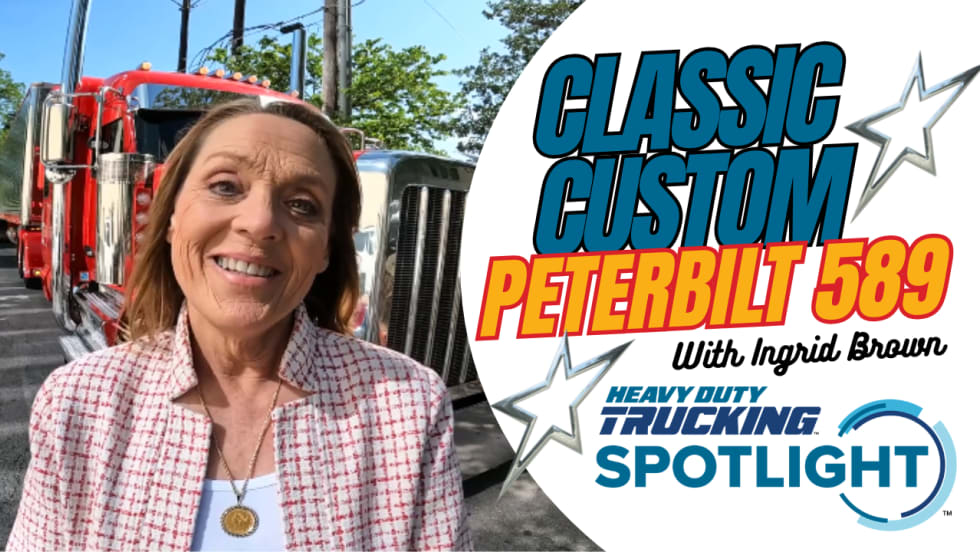
Peterbilt 589 Spotlight: A Close Look at a Custom Working Truck [Video]
There's more to this customized Peterbilt Model 589 and Great Dane refrigerated trailer than chrome and stainless (although there's plenty of that too!) A veteran driver explains the design choices and practical features behind this working truck.
Read More →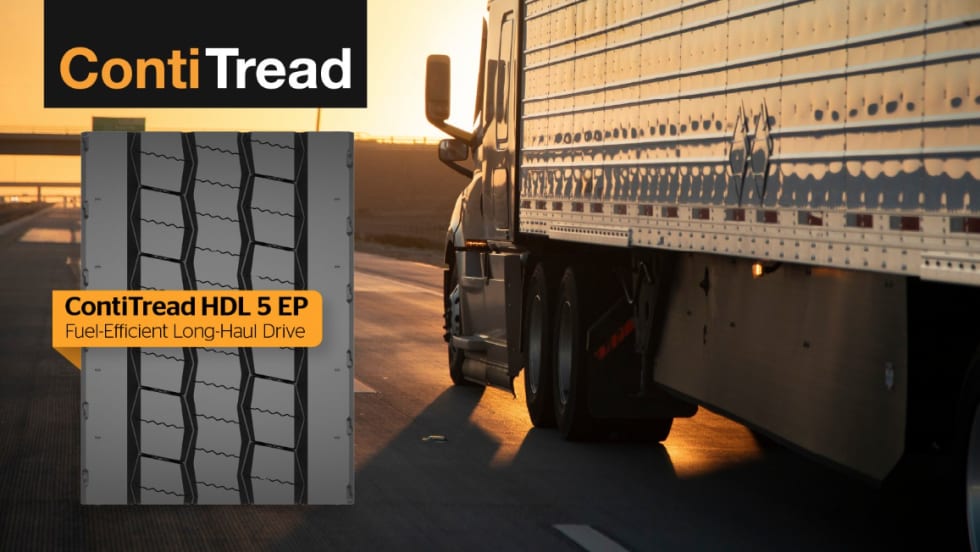
Continental Expands Retread Lineup With New ContiTread HDL 5 EP
New long-haul drive retread is designed to improve fuel efficiency, extend tread life, and lower fleets' cost per mile.
Read More →
EPA Proposal Could Ease 2027 Truck Costs and Buying Uncertainty
The proposal doesn't change the tougher NOx standard, but it would revise key implementation requirements that manufacturers say have driven up costs and complicated fleet purchasing decisions.
Read More →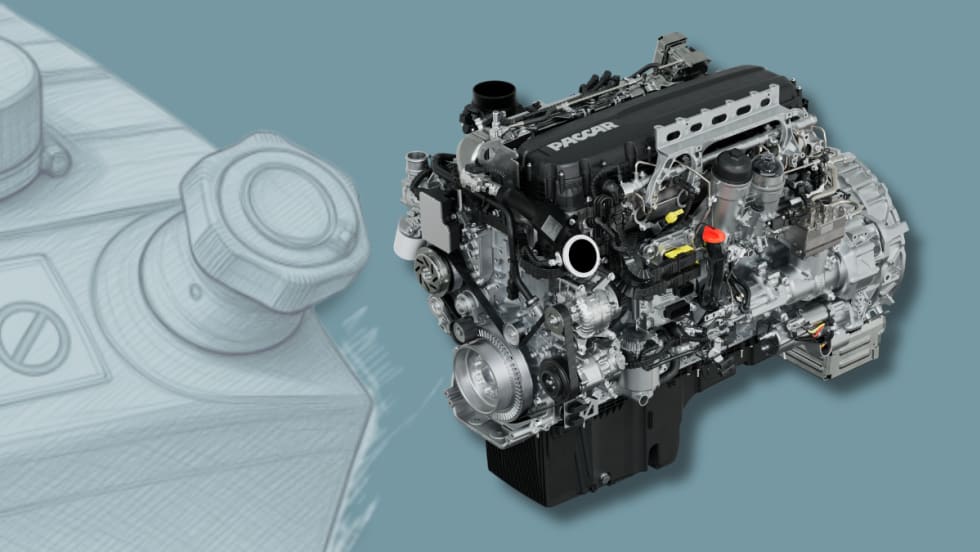
Cummins, Paccar Ease DEF Derates After EPA Guidance
Updated diesel engine software gives truck operators more time to address emissions-system issues while staying compliant with EPA emissions standards.
Read More →