




When Tapping into Technology Leads to Growing Profits
As resistance to trucking technology steadily fades away, more fleets are discovering the profit-making benefits it can deliver. Route analysis and optimization is one example.

Photo courtesy of AmeriQuestcorp.com
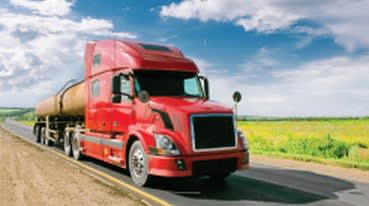
Photo courtesy of AmeriQuestcorp.com
While there will always be those who are stubbornly resistant to change, I think the trucking industry as a whole has come a long way in a relatively short time in its willingness to recognize the value that trucking technology brings to private fleets and carriers.
Some view technology as a way to increase profits while others see it as a way to lower operating costs. Whatever the motivation, there’s an undeniable, gradual shift in the attitudes towards it. As a logistics consulting professional who works daily with cutting-edge technology, I’m convinced this new openness will eventually lead our industry to sustainable, long-term growth.
Let’s take the example of route analysis and optimization as a beneficial technology currently available to trucking fleets. Today’s robust modeling technology that is integral to the process can simulate fleet activities and identify opportunities for savings. The technology can be a game-changer for fleets and deliver any number of services, including:
Routing and scheduling analysis and optimization
Asset utilization recommendations
Productivity and customer service analysis
Driver compensation analysis
Productivity and customer service analysis
The first step in the logistics consulting process is to collect data from any number of sources including driver manifests, customer route listings, equipment lists, driver lists, etc. Data is also generated by newer trucking technology such as telematics, electronic logging devices, even smartphones. These statistics should show variations daily, weekly and monthly.
Next, the data is mined and analyzed from different perspectives and summarized into useful information. For fleets, this information can be used to increase revenue, cut costs, and improve customer service. The software helps us find correlations or patterns among the different databases.
The analysis enables us to take a closer look at how a company assigns work to drivers and which specific tractors, trailers, and straight trucks are employed each day. This study is necessary to identify minimum requirements based on current routes to make the best use of assets.
The process allows us to analyze the weekly average of loads, stops, loading and unloading time and miles driven for each truck and drivers. Using the technology available to us, we study the flow of assets and activity. We can determine the effectiveness of current route configurations and identify preferable route plans and asset allocation, with the ultimate goal of lowering the cost per miles and having a positive effect on the company’s bottom line.
This service alone is a good example of the enormous benefits technology brings to fleets. Technology is giving fleet owners the tools they need to generate and mine data to uncover hidden opportunities for savings and enhanced performance. Controlling assets effectively, minimizing operating costs, reducing out-of-route miles, recovering productive driving time… what’s not to like?
Originally published on the AmeriQuestcorp.com blog.This article was authored under the guidance and editorial standards of HDT's editors to provide useful information to our readers.
More Fleet Management

Color Match Smarter: Tools That Restore & Perform
For fleet managers and collision repair professionals keeping heavy-duty trucks on the road, getting the color right the first time isn't just about appearance — it's about efficiency, turnaround time, and bottom-line results. Discover how today's digital color tools are transforming the repair process from guesswork to precision.
Read More →
FMCSA Pauses Biennial-Update Enforcement Amid Motus Transition
Carriers whose updates were due on or after June 1 have more time, while FMCSA works to stabilize its new registration system and warns of phishing sites impersonating its new carrier registration system, Motus.
Read More →
2026 Blueprint for Countering Smarter Supply Chain Theft
Cargo theft is no longer just the cost of doing business. It's a multi-billion-dollar criminal enterprise exploiting vulnerabilities across your fleet, drivers, and supply chain.
Read More →


How Telematics Improves Visibility, Control, and Performance in Refrigerated Fleets
Explore how telematics help refrigerated fleets improve visibility, uptime, efficiency, compliance, and cargo protection across connected cold chain operations.
Read More →
What the U.S.-Canada Trade War Means for Trucking
Escalating U.S.-Canada tariffs could disrupt cross-border freight, reduce truck volumes, raise costs, and create new uncertainty for carriers on both sides of the border.
Read More →
What Are Trucking’s Top Concerns for 2026?
The American Transportation Research Institute wants to know what's worrying trucking fleet managers, drivers, and other stakeholders in its annual Industry Issues survey.
Read More →
American Trucking Associations Looks for a New Leader
ATA President and CEO Chris Spear abruptly left his job at the association on August 21, at a pivotal time for the trucking industry.
Read More →
Public Wi-Fi Cybersecurity Risks: How Truck Drivers and Fleets Can Protect Their Data
Public Wi-Fi can expose truck drivers and fleets to credential theft, malware, and other cyber threats. Here’s how to reduce the risk on the road.
Read More →
For Nicky Cupp, Fleet Innovation Starts With Frustration
HDT Truck Fleet Innovator Nicky Cupp turns everyday pain points at Fraley & Schilling into opportunities for better technology and smarter processes.
Read More →
Adam Buttgenbach’s Approach to Electric Trucks: Start With Where They Fit
HDT Truck Fleet Innovator Adam Buttgenbach helped PepsiCo build one of North America’s largest EV fleets by focusing on where electric trucks make operational sense.
Read More →