




Trucking Visionary
Schneider is a high-tech company that happens to own a few thousand trucks.
As much as it's known for its distinctive orange-colored trucks, Schneider National is known for being a leader in the use of technology in trucking. You can thank Chairman Don Schneider for paving the way for the use of technologies such as satellite tracking and communications.
"Schneider National might best be thought of as a high-tech company that happens to own a few thousand trucks," said the writer of a 2001 article in Darwin magazine.
The company was started by Don's father, Al, in 1935. By the time Don joined his father's trucking company as manager in 1961, it had become an important regional carrier, and Al had adopted the now-famous orange color scheme.
The '60s marked a decade of tremendous growth, with mergers that added to Schneider's operating authority. By the end of the decade, Don took over as president of what had become an $80-million company. During the '70s, the company added tanker trailers to the mix. By the late '70s, Schneider had the largest set of truckload carrier rights in the country, was the largest truckload carrier and ranked No. 31 of the largest 50 carriers. Schneider grew rapidly in the years following deregulation.
In 1986, Schneider National took what was considered a radical step at the time, becoming the first trucking operation to install two-way satellite communications and tracking. Schneider believed that technology was an important factor in being able to compete in the new environment.
"Don Schneider is a visionary who understood that technology could make it all happen," said Wayne Lubner, vice president of driver and contractor relations, in a previous interview with HDT.
Because of the irregular route basis of truckload, Schneider believed having visibility of the assets was paramount. Shippers wanted to know where the freight was and the status of it. It also was a better way to communicate with drivers.
In fact, Lubner recalls, Don Schneider saw driver communication as perhaps the most important facet of the system. "I remember Don saying, 'I want drivers off those pay phones.' Don didn't see it as a cost center, but as a tool that would allow Schneider to scale the business, communicate with drivers, track loads – not drivers – and support the customer."
As Don Schneider told Darwin magazine in 2001, "There was a lot of financial risk involved. But the upside was so great that we couldn't bypass the opportunity."
Don Schneider has said that the company spends more on technology than any of its competitors. In addition to satellite tracking and communications, over the years, it has invested in technologies such as sophisticated software that allows it to optimize use of drivers and loads, untethered trailer tracking, and a driving simulator it is using to train drivers.
"I do not know what our competitors spend on technology, and as a private company, we do not disclose specific figures related to our technology spending," says Tom Nightingale, vice president of corporate marketing at Schneider. "However, technology continues to be a key area of focus at Schneider. The efficiencies that we have realized from technological innovations such as trailer tracking have enabled us to improve our customer service and improve our overall efficiency," he says.
"Our CEO, Chris Lofgren, was formerly the CIO at Schneider, as was Steve Matheys, our executive vice president of sales and marketing, which is a reflection of the high regard that the company places on technology. Recently, Judy Lemke joined Schneider as our new CIO, and Judy has over 25 years of technology and management experience."
When it comes to technology, Schneider is perhaps best known for being the first trucking company to adopt satellite tracking and communications. It was a leap of faith that paid off.
"As the trucking industry evolved and customers' domestic supply chain needs became more complicated, IT became critical to find an effective method to communicate with our drivers, who travel to remote locations all over the country every day. We envisioned satellite technology as an effective way to quickly reach drivers regardless of their location, and the improved communication helps us to improve our customer service and better plan our routes to optimize our operations," says Nightingale.
And the technological firsts keep on coming.
As of July 2005, Schneider National will have installed close to 30,000 of Qualcomm's T2 trailer-tracking units in company trailers, making Schneider the largest commercial fleet in the world to install this technology. The technology enables Schneider to accurately pinpoint the location of company trailers in real time, a seemingly obvious operating procedure to the outside world, yet a major, ongoing challenge for transportation companies worldwide.
Back in 2001, Don Schneider told Darwin magazine, "How can you continue to get an economy growing so close to full employment without driving up inflation?
"A lot of it has to do with the fact that when you have information [as a result of information technology], you take the risk out of decision making that you used to have when you didn't have information."
More Fleet Management
How Innovative Trucking Leaders Turn Change Into an Advantage
As the pace of change accelerates in trucking, the fleets that adapt best have more than the latest technology. They have cultures that embrace improvement.
Read More →
Freight Broker Bonds Just Got Harder to Get. Here's What That Means for Your Fleet.
When it gets harder for a freight broker to prove they are financially sound, the ones who cannot clear that bar get pushed out of the market. And those are exactly the brokers who used to leave motor carriers holding the bag.
Read More →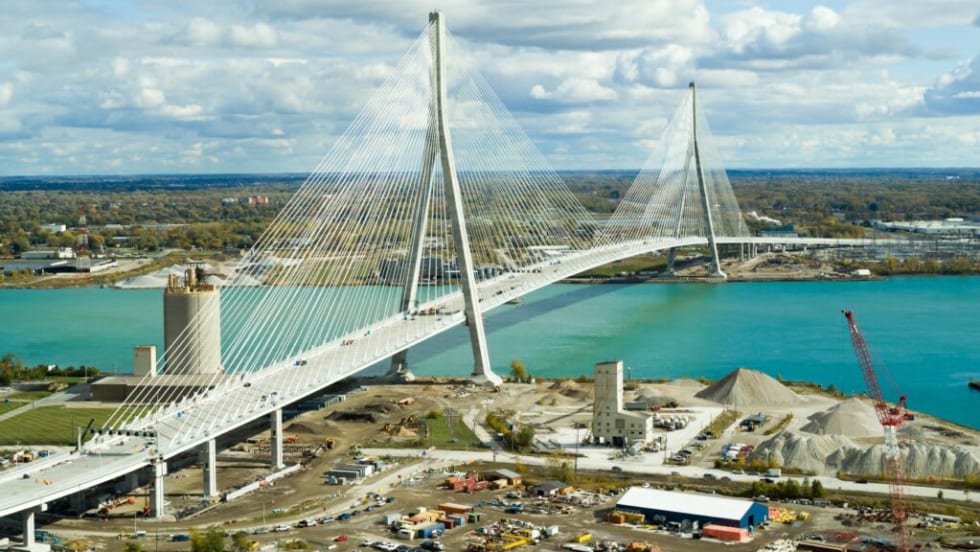
Long-Awaited Canadian Border Bridge to Open in Detroit
For trucking, the bridge opening should offer immediate improvements in efficiency and reliability, with new customs facilities, expanded inspection capacity, and direct freeway-to-freeway connections.
Read More →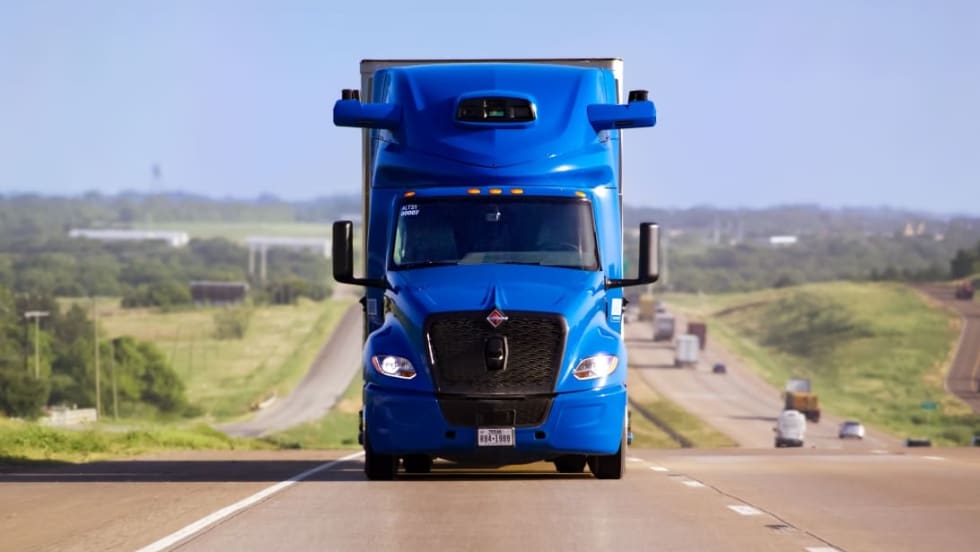
Aurora Rolls Out Next Generation of Driverless Trucks for Commercial Freight
Aurora's latest autonomous trucks it's rolling out with International feature lower-cost hardware designed for a million miles as the company expands commercial driverless freight operations across the U.S. Sun Belt.
Read More →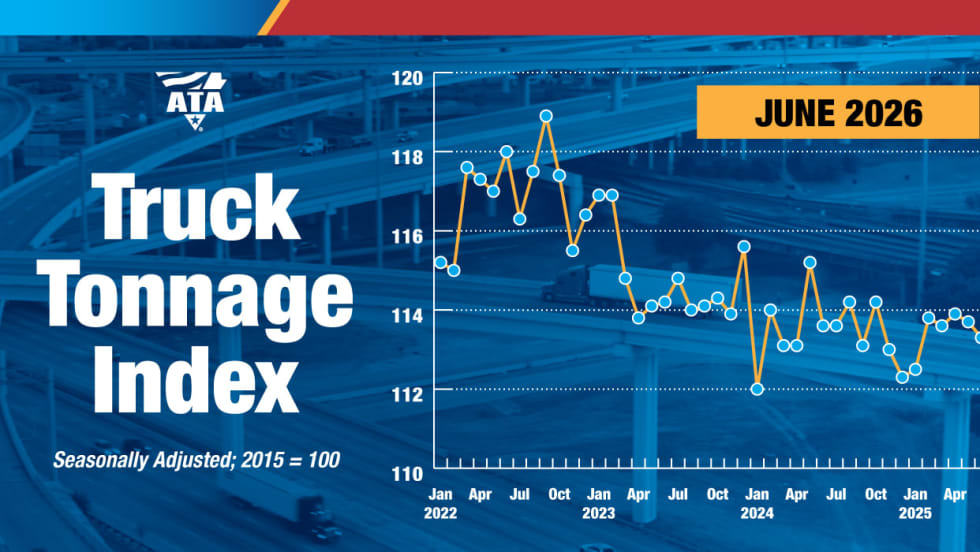
Freight Tonnage Down, Rates up, as Lower Capacity Powers Trucking Recovery
The recovery from the freight recession continues to be driven by reduction in capacity rather than by increased demand.
Read More →
Think Your Trucking Fleet Isn't Using Much AI? Think Again
Shadow AI — the use of unauthorized artificial intelligence tools at work — is becoming increasingly common, putting sensitive company data at risk. Learn how trucking fleets can protect sensitive data while embracing AI.
Read More →
ArcBest Consolidates Brands, Cuts Workforce
The company will bring three business units under the ArcBest brand, eliminate about 2% of positions, and expects the changes to generate $40 million in annual savings.
Read More →
Trucking Fleets Faced Record Operating Costs During Third Year of Freight Recession
ATRI's annual operational cost report shows carriers trimmed fleets, delayed equipment purchases, and ran older trucks as expenses continued to outpace freight rates.
Read More →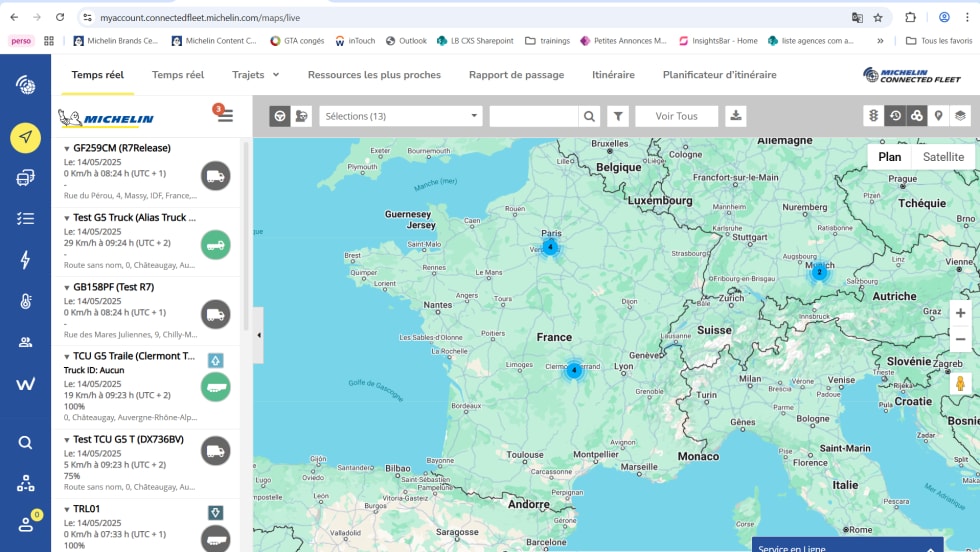
Michelin Adds AI Assistant to MyConnectedFleet Platform
Michelin’s new generative AI tool delivers instant fleet insights, helping managers analyze fuel use, tire maintenance, vehicle status, and operational performance without manually creating reports.
Read More →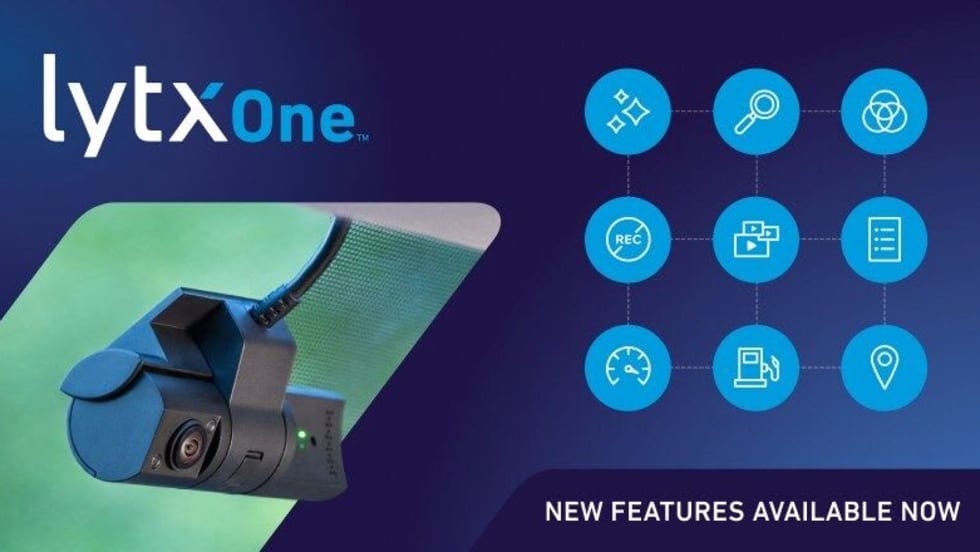
LytxOne Platform Now Features AI, Compliance, and Asset Tracking Tools
New enhancements add AI-powered insights, asset tracking, compliance automation, and configurable privacy controls to Lytx's all-in-one fleet management platform.
Read More →