




Trailer Report: Preventing LED Theft
They've pretty much taken over the vehicle lighting business, and they don't cost nearly as much as when they first appeared about 20 years ago. So LEDs - lamps made with light-emitting diodes - aren't stolen like they once were


They've pretty much taken over the vehicle lighting business, and they don't cost nearly as much as when they first appeared about 20 years ago. So LEDs - lamps made with light-emitting diodes - aren't stolen like they once were.
Anti-theft devices can get in the way of repairs and replacement work, so in some cases are dispensed with. But there are places where LEDs still are targets for thieves, say two major makers of the products.
Risky places include border crossings into Mexico, still a Third World country where many things aren't safe. Mark Blackford, Grote's national fleet accounts manager, points to Laredo, Texas, as one such place. Brad Van Riper, Truck-Lite's chief technology officer, says intermodal operations can constitute another black hole where objects enter but don't return. Fleets that send trailers and container chassis into such places often buy LEDs with hard-to-remove mountings, or stick with incandescent-bulb fixtures.
"As a product becomes more theft-resistant, it adds cost to the device, it reduces the serviceability, and may even reduce the visibility of the lighting solution," says Van Riper. "So the best solution is to integrate only enough anti-theft features to a given design that limit most of the thieves from stealing the parts.
"No anti-theft solution will prevent everyone from stealing the parts. Thieves generally are lazy, though, and if it takes a great deal of effort or if there is a high likelihood of damaging the parts, then it may not be worth the effort to steal the products. There are solutions to this issue that could be very expensive but may have other downsides, but you can have virtually zero theft."
Because LEDs have become common and cost less than half of their original $40 to $45 per-lamp price, Darry Stuart, a contract maintenance manager and former general chairman of the ATA's Technology & Maintenance Council, says he's about to go back to spec'ing rubber grommets as the mounting method.
"There was a time when people were stealing them right and left," he says. "Not anymore. But whether you protect them depends entirely on how you operate." If trailers sit a lot in dark yards, theft can still be a problem. But if they're moving a lot at highway speeds, maybe not. Look at the operations and for recent theft history, or lack of it, and decide accordingly.
Several types of anti-theft mountings are available, including:
- Rings secured by bolts, which take more time to remove than simple pop-in/-out mounts, or rivets, which must be drilled out. Rivets of stainless steel, a hard material, are especially difficult to drill into, and of course they don't rust.
- Adhesives used for installation hang on tightly and are difficult to break loose.
- One-way mounts can be pushed in quickly during installation and are difficult to pull out. Sometimes the fixture has to be broken to be removed. Thieves will usually stop when they see this kind of thing.
"Stealth" is another anti-theft method, says Grote's Blackford. "Many new LED lamps employ only one LED to achieve the photometric requirements, and it's now sometimes hard to tell what is an LED and what is not. We had to remove the lens in our lit point-of-purchase displays of the Grote Select stop/tail/turn lamp, because folks literally thought it was an incandescent lamp with the lens on." And who'd want to steal an old-fashioned light bulb?
Read more on trailers each week from Senior Editor Tom Berg in his Trailer Talk blog.
From the December 2011 issue of HDT.
More Equipment

DTNA Software Update Gives Truckers More Time Before DEF Derates Take Effect
The changes reflect EPA guidance aimed at reducing downtime caused by emissions-system faults while maintaining compliance requirements.
Read More →
Great American Trucks: The International MaxxPro MRAP
Built from an International WorkStar chassis and powered by a MaxxForce diesel, the MaxxPro MRAP became one of the most important military trucks of the Iraq War era.
Read More →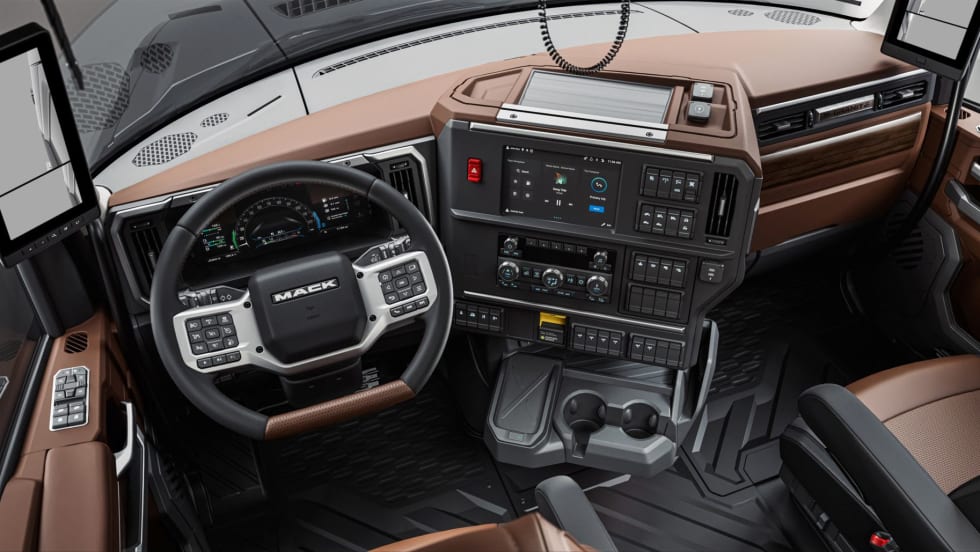
New Mack Granite Cab Puts Driver Comfort Front and Center
Mack’s next-generation vocational truck features a roomier cab, premium seating, advanced steering technology, and a driver-focused interior designed with direct input from professional operators.
Read More →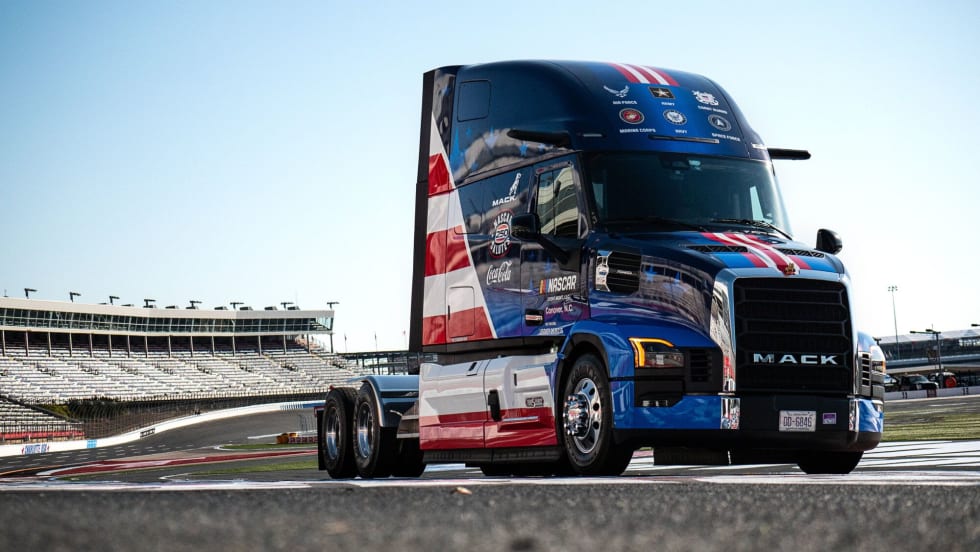
Mack Unveils Fan-Selected Patriotic NASCAR Pioneer Wraps
Racing fans picked the patriotic design now featured on three Mack Pioneer trucks hauling NASCAR equipment across the country during the 2026 season.
Read More →
Michelin Expands X Line Grip D Tire Line
Michelin is expanding its X Line Grip D drive tire lineup with a new pre-mold retread and additional sizes, building on what the company says is strong fleet adoption of the tire's traction, mileage, and fuel-efficiency benefits.
Read More →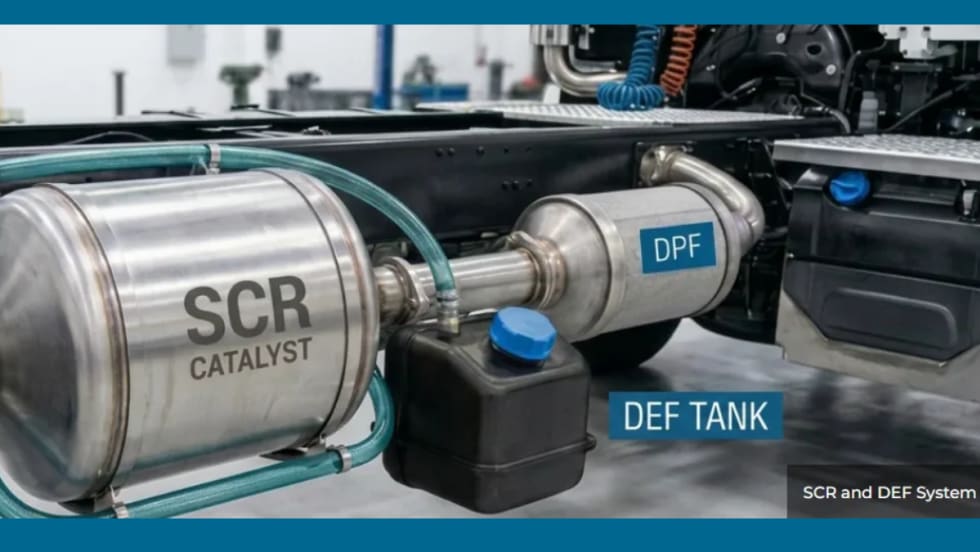
Engine Technology Forum Launches SCR, DEF Resource Center Amid Emissions Debate
The Engine Technology Forum’s new online hub aims to provide fleets, policymakers, and equipment owners with fact-based information about selective catalytic reduction technology, diesel exhaust fluid and emissions compliance.
Read More →
Prime Inc. to Open $7.9M Flagship Used-Truck Dealership
A new driver-focused facility to sell Prime Inc's used trucks and trailers will be the first purpose-built location in the company's history.
Read More →
Lessons Learned About Alternative Fuels: Start Small, Stay Flexible
Practical advice on adopting alternative fuels and ZEVs from HDT's 2026 Top Green Fleets, from renewable diesel and natural gas to electric trucks.
Read More →
Kenworth Names Peter Ahrens General Manager
Leadership changes at Kenworth take effect July 1 as the OEM promotes two longtime Paccar executives to key management roles.
Read More →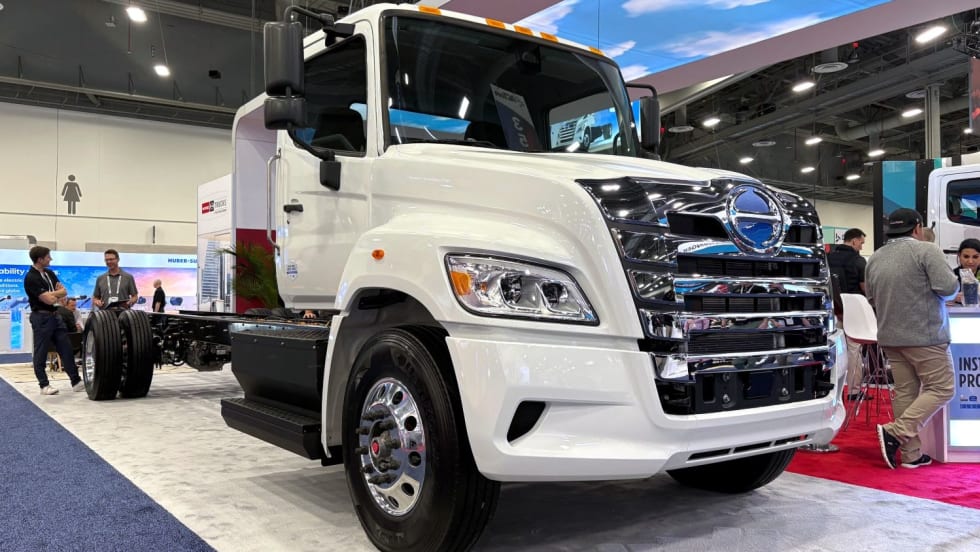
Hino Adds Electric Class 6/7 Truck
Hino says the Le Series is an important step in the company's efforts to reduce environmental impact and support its customers’ sustainability goals.
Read More →