




More from Avery Vise:
Were Job Growth and Retail Sales Weak in December? It’s Complicated
Surging Inventories Bolster Freight Economy
Retail inventories surged to end 2021. FTR's Avery Vise explores why it happened and what it means for freight.
by Avery Vise, FTR
March 1, 2022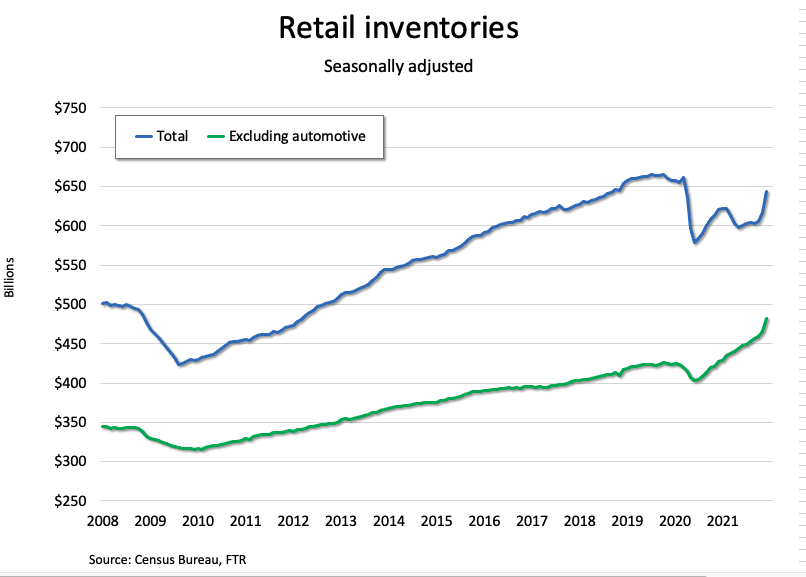
An increase in automotive inventories helped pad the numbers, but retail inventory growth in December was a record even without the auto industry’s help.
Graph: FTR
3 min to read
The U.S. economy in the fourth quarter of 2021 posted its strongest growth since the rebound from lockdowns in the third quarter of 2020. Gross Domestic Product (GDP) rose 6.9% quarter over quarter on a seasonally adjusted annualized basis.
The portion of the economy linked to freight — what FTR calls the GDP Goods Transport Sector — also saw a big gain in the fourth quarter, jumping 15.4% on an annualized basis. The increase was the largest in two years.
Retail inventories surged to end 2021, and inventories represented more than half of the fourth-quarter growth in both GDP and GDP Goods Transport. Seasonally adjusted retail inventories rose 4.4%, which is the largest gain for a single month since the Census Bureau began tracking the data in 1992. The increase followed a 2% gain in November, the third largest monthly increase on record.
As recently as October, total retail inventories were running nearly 8% below pre-pandemic levels. As of December, that deficit is less than 2%.
The automotive industry, slammed by a shortage of semiconductors, has been the principal drag on retail inventories for about a year. Excluding motor vehicles and parts, retail inventories have been outpacing the pre-pandemic norm since late 2020. However, December brought a record increase of 6.8% in retail inventories of motor vehicles and parts. November was no slouch either, with a 4.2% gain, the fourth largest on record.
Automotive certainly helped pad the numbers, but retail inventory growth in December was a record even without the auto industry’s help. Excluding automotive, retail inventories rose 3.6% — the strongest gain on record. As of October, inventories excluding motor vehicles and parts were already running about 8% ahead of February 2020, seasonally adjusted. By year-end, they were nearly 14% above pre-pandemic levels.
Census Bureau data on inventories is expressed in dollars and is not adjusted for inflation, so some of the recent gains could reflect higher prices. However, adjusting for inflation would not change the fundamental picture of sharply increased inventories on a unit basis.
What Inventories Mean for Freight
What does a surge in inventories mean for freight? Normally, rising inventories are great for freight volume in the here and now but a concern for the future. If inventories rise, the near-term demand for inventory replenishment typically wanes. However, this conventional wisdom might not hold during the pandemic economy.
One unusual factor is the extraordinary strength of consumer spending on goods. Retail sales on a not-seasonally-adjusted basis were the strongest ever in December. Strong retail sales have kept inventories very lean relative to sales, so we don’t expect an immediate decline in inventory replenishment.
If consumer spending drops significantly, however, we might see an inventory correction. Reduced consumer spending alone would mean weaker freight, but an inventory correction would compound the dynamic.
We do not forecast a collapse in consumer spending, but it’s possible, given inflation, fading stimulus, stock market volatility, and the sheer amount of stuff — including long-lasting durable goods — consumers already purchased over the past 18 months or so.
Supply chain disruptions also complicate things. For example, it is possible that some of the inventory build in late 2021 reflects seasonal products that did not make it to market in time for the holidays due to congestion at U.S. ports or other factors. If so, much of that inventory might not be relevant to an analysis of how rising inventories affect replenishment rates.
The inventory situation clearly bodes at least one upside for freight. Even with the gains late in 2021, inventories of motor vehicles and parts are still down about 30% from February 2020. Even if vehicle sales falter somewhat, the auto industry will still need to build as many vehicles as the supply of semiconductors allows just to get inventories back to comfortable levels. Also, depleted inventories probably are responsible for much of the recent weakness in vehicle sales, so the auto industry could be looking at months or perhaps even years of high production levels — if it can get the components it needs.
Subscribe to Our Newsletter
More Fleet Management
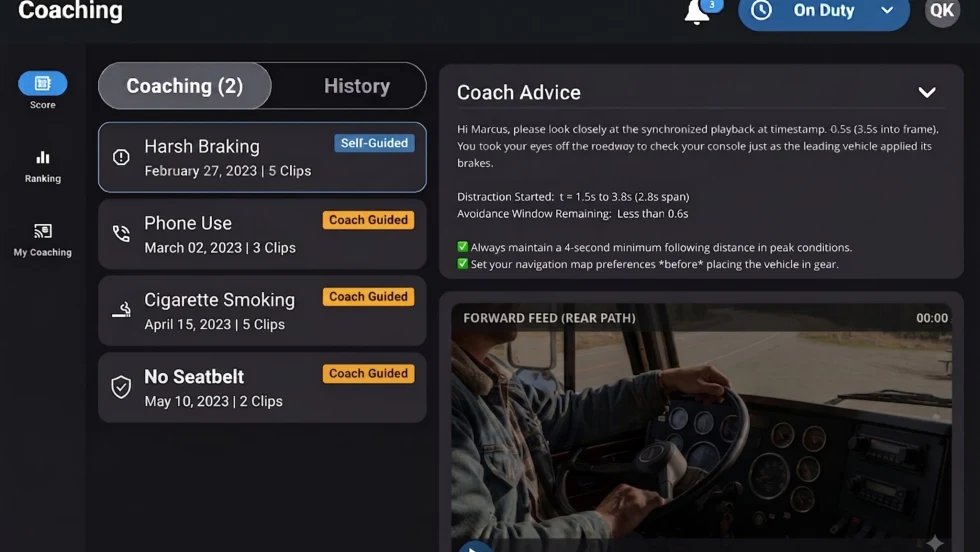
Platform Science Adds Dispatch and Safety Tools
Four additions to PS Fleet help fleets monitor loads, manage driver coaching, share truck locations and adjust video system settings.
Read More →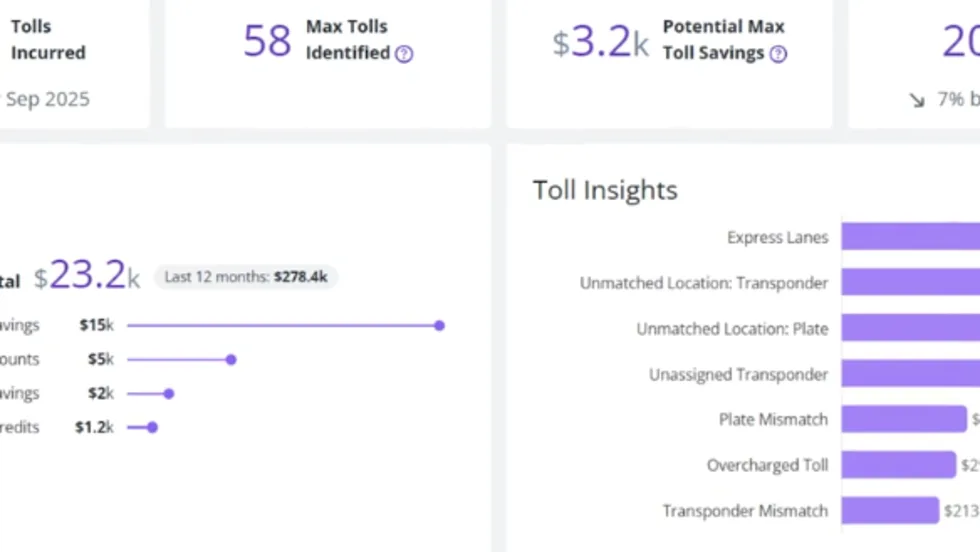
PrePass Intelligence Mines Fleet Bypass, Toll and Safety Data
PrePass Intelligence helps fleets measure bypass savings, flag potential toll overcharges, and spot suspicious transactions by combining data from separate systems.
Read More →
Motive Adds AI Agents for Fleet Operations
New tools automate follow-up on fleet data, from maintenance work orders to driver alerts, with two-way voice conversations planned for later this year.
Read More →
Can You Beat Our Trucking Trivia Challenge?
Test your truck knowledge with 19 trivia questions from Heavy Duty Trucking Exchange. Can you keep up with the fleet pros?
Read More →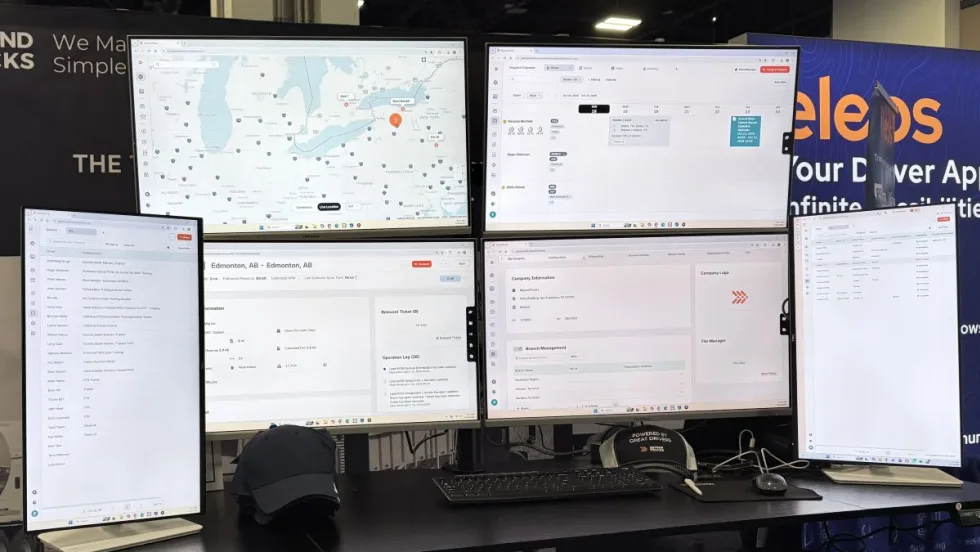
BeyondTrucks Adds Rules Checks to Dispatch
New Compatibility Engine checks driver qualifications, equipment requirements and fleet policies before loads are dispatched.
Read More →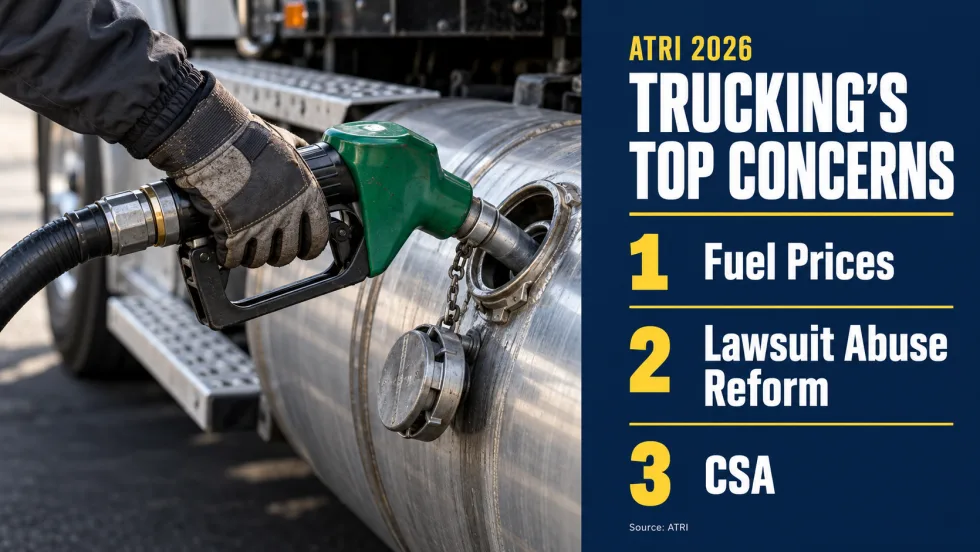
Diesel Prices Hijack Trucking’s Worry List
ATRI’s annual survey finds cautious optimism about freight, but diesel costs, litigation, and insurance continue to squeeze fleets. Drivers have different priorities on several issues.
Read More →
Nomination Deadline Extended for HDT Emerging Leaders
Just a few more days to nominate accomplished trucking fleet professionals under 40 who are making an impact and helping lead the industry forward for the HDT Emerging Leaders award. Deadline extended to October 20!
Read More →
What Will ATA’s New Leader Bring to Trucking's Table?
Incoming President and CEO Mark Colson’s record in Alabama offers clues about his priorities and approach following Chris Spear’s abrupt departure as the head of the American Trucking Associations.
Read More →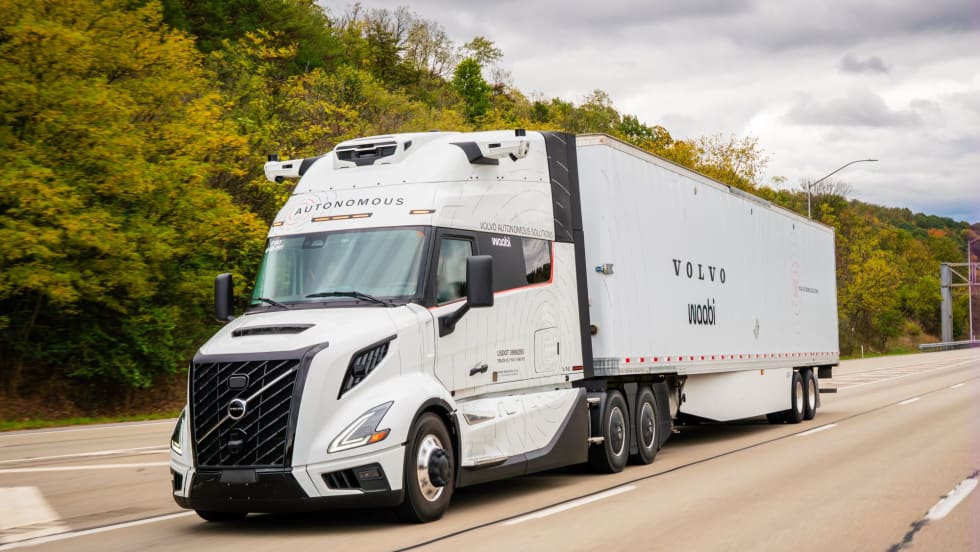
Volvo, Waabi Start Commercial Autonomous Operations in Texas
Volvo VNL Autonomous trucks, powered by the Waabi Driver, are hauling freight directly to third-party facilities for a customer in Texas.
Read More →
Samsara Launches Custom AI Agent Builder
Agent Studio lets fleets create AI tools for hours-of-service monitoring, reporting and driver support, including agents that communicate by phone.
Read More →