




Suggestions for Meeting CSA 2010 Regulations in the Shop
Checking out idled trucks used for spare parts during the economic downturn before they return to service will be particularly important after new federal safety regulations go into effect in the fall of 201
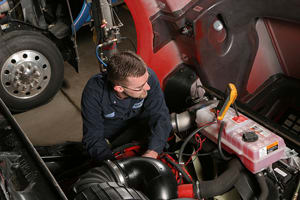
The FMCSA's new Comprehensive Safety Analysis 2010 program identifies 10 different groups of parts and accessories that the government considers critical for safe operation. (Photo by Paccar Parts)
Checking out idled trucks used for spare parts during the economic downturn before they return to service will be particularly important after new federal safety regulations go into effect in the fall of 2010
, said Chris Harrison, general manager of CIT Kenworth of Morton, Ill.
In 2010, the Federal Motor Carrier Safety Administration (FMCSA) implements the Comprehensive Safety Analysis 2010 (CSA 2010) program, which places greater significance on truck maintenance and includes more stringent penalties for violations.
Harrison and managers from CIT Group Inc. locations in Joliet and Normal, Ill., offer truck operators several recommendations to accomplish that review from their own customers' experiences.
Andy Cox, service manager for CIT Kenworth of Chicago in Joliet, Ill., said the practice of using idled trucks for spare parts was common among a variety of customers from line haulers to construction companies.
Cox recommends a parts inventory and fleet maintenance tracking program. Systems such as the PremierCare Connect system offered by Kenworth can help fleets keep track of needed repairs, particularly ones identified by the drivers, which CSA 2010 will require. These systems also link the company's service department directly to the parts department at the local dealer, Cox said. The hosted system can then be set to automatically order high-demand parts.
"One of the issues we run into is where parts have been taken off of sidelined trucks, but no records were ever kept of which parts were removed," Cox said. "So if they took a fuel pressure sensor, for example, and no one wrote it down, then nobody would notice until somebody tried to start the truck."
The new CSA 2010 program identifies 10 different groups of parts and accessories that the government considers critical for safe operation. Among them are lamps, reflective devices, electrical wiring, brakes, glazing and window construction, fuel systems, coupling devices including fifth wheels, miscellaneous equipment such as heaters, and frames, cab and body components. So, for any sidelined trucks that fleets will return to service, Harrison and Scott Dehm, body shop manager at Central Illinois Kenworth, also recommend the following steps:
* Check the fuel tanks, fuel lines, and fuel filters before putting idled trucks back into service. During the winter, water or moisture can condensate on top of the fuel tank from the fuel constantly freezing and thawing. The lower the fuel level in the tank, the bigger the problem can be. The algae forms from the condensation, not on the diesel fuel itself, but it can contaminate the fuel.
* Do not use diesel additives to treat algae in a fuel tank. The truck should be towed to a repair facility that can drain the fuel tank, the fuel pump and fuel lines, properly dispose of the contaminated fuel and clean the injectors and filters, he added. Using additives inside the tank can make the contamination problem worse, particularly if the truck has a 2007 model or newer engine. Newer engines depend on a fuel with a very low sulfur content in order to meet the strict emission limits set by the U.S. Environmental Protection Agency or the California Air Resources Board.
* Replace damaged fuel tanks with OEM-quality replacement tanks. TRP Aftermarket Parts offers replacement fuel tanks made by an ISO-certified manufacturer that uses the same thickness and grade of aluminum standards called for in OEM manufacturing.
* Check engine oil seals. When trucks sit for long periods of time without being routinely started and allowed to run for brief amounts of time, the rubber in the seals can actually dry out and deteriorate.
* Examine drive belts, hoses, fittings and adaptors, plus the exhaust system for leaks.
Harrison said before returning an idled truck to service, it should always be checked out by a trained qualified technician since CSA 2010 establishes vehicle maintenance as one of seven categories under which carriers will be examined. Harrison and Dehm also recommend a number of maintenance steps truck operators and maintenance managers can take to be prepared for CSA 2010:
* Wash the truck and trailer routinely, particularly during the winter season to remove chemical de-icers and road salts. Routine washings not only prevent corrosion of the body, they also prevent buildup and potential damage to the truck's and trailer's electrical system and wheel components including brakes. Routine washings also help prevent build up of road salts on fifth wheels, which can cause them to seize up. Allowing calcium chlorides and salts to settle on truck and trailer parts for long periods of time can encourage premature damage, particularly if any cracks or chips develop in the protective coating.
* Develop a routine maintenance program for trailers that includes periodic inspections and replacement of trailer brakes. Trailers often sit unused for long periods of time in truck operations.
* Consider a replacement program for truck, tractor and trailer lights. New light emitting diode (LED) lighting products can enhance detection of the vehicle or trailer when it's parked in a dark or dimly lit parking lot or on the side of a road, something that's particularly important in the dead of winter.
* Follow engine manufacturers' recommendations for regular valve adjustments and DPF filter cleanings.
* Conduct regular analysis of your engine oil condition. This can help you identify potential failures prior to a major expense or downtime.
"As with any vehicle or trailer, regular preventive maintenance properly conducted can identify the potential for problems in the shop before they occur on the road or become a violation of the new federal regulations," Harrison said.
From an August 2010 Paccar Parts White Paper.
More Maintenance
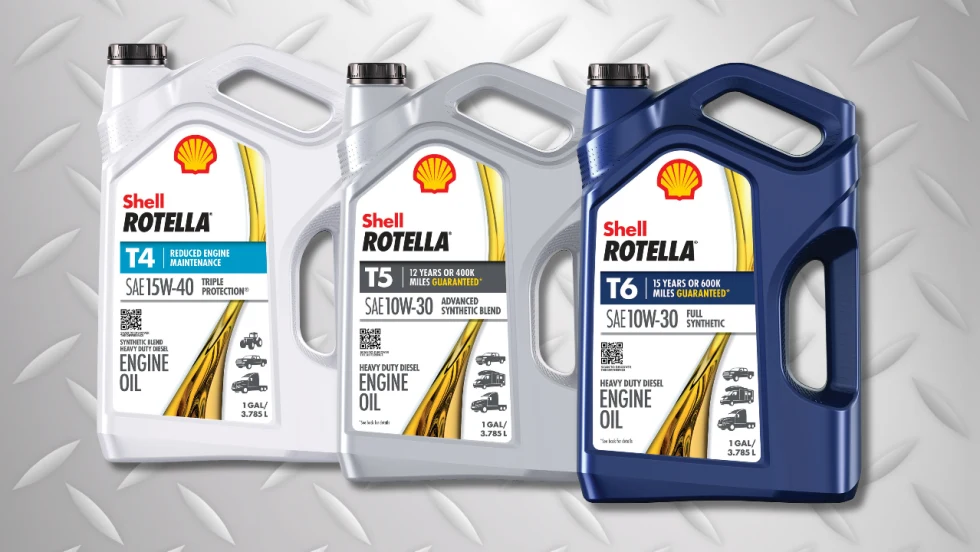
Shell Prepares Rotella Oils for 2027
New CL-4 and FB-4 formulations will begin arriving in early 2027, with improved protection against oil breakdown, wear and deposits, according to Shell.
Read More →
Mack Expands Extended Coverage With Four Chassis System Plans
Mack Trucks' new system-specific coverage options allow heavy-duty fleets to select protection for driveline, cab, HVAC, electronics, and advanced safety components.
Read More →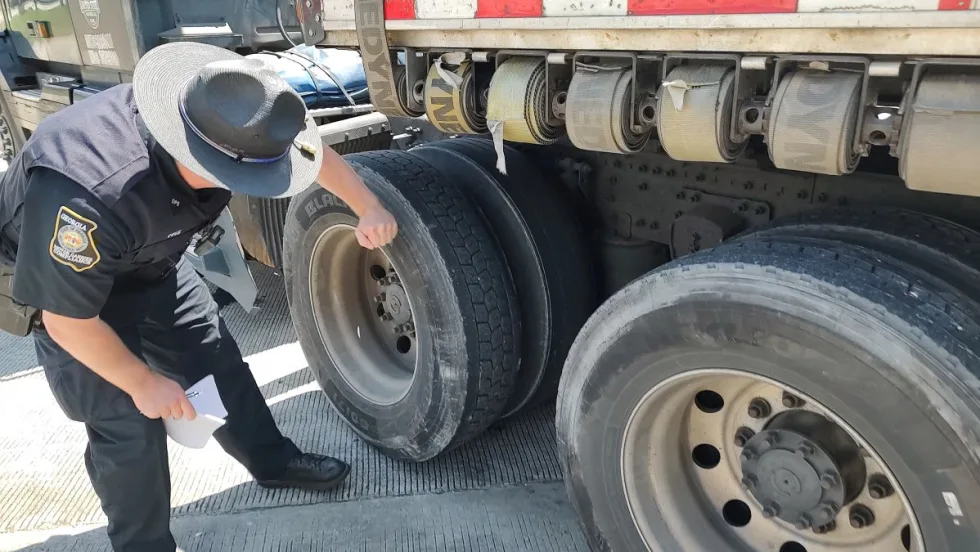
What an Out-of-Service Order Really Costs, and How to Plan for One
The repair invoice is the first number you see — and often one of the smallest. Here’s what else an out-of-service order can cost a fleet, and how planning can reduce the damage.
Read More →

International Launches Online Truck Parts Store
Fleetrite.com lets fleets and repair shops find OEM and all-makes parts, check prices and availability, and order without calling a parts counter.
Read More →
Continental Introduces New Regional Truck Tires
Continental says its new Generation 5 steer and drive tires for regional operations offer longer tread life, with estimated mileage gains of 22% and 19%, respectively.
Read More →
How AI Can Help Your Techs’ Efficiency
The technician shortage isn't going away, and no single fix can close the gap on its own. Trent Broberg makes the case that AI's real job in the shop is protecting the billable hours and job satisfaction of the techs you already have, not asking them to work faster.
Read More →
Color Match Smarter: Tools That Restore & Perform
For fleet managers and collision repair professionals keeping heavy-duty trucks on the road, getting the color right the first time isn't just about appearance — it's about efficiency, turnaround time, and bottom-line results. Discover how today's digital color tools are transforming the repair process from guesswork to precision.
Read More →
Wrong Repair Prompts Recall of Freightliner, Western Star 4x2 Trucks
DTNA is recalling more than 2,400 trucks that received an incompatible software fix instead of the hardware repair required to address brake valve corrosion.
Read More →
Truck Drivers Need More Than Another Alert
Fleets have more visibility into truck health, safety events, and driver activity than ever. The next challenge is turning all that information into useful guidance for the person who has to decide what to do next.
Read More →
The Maintenance Checks Trucking Fleets Should Prioritize Before Fall Freight Picks Up
Making it through August isn’t the same as being ready for the next several months of operation. Find out what systems may have suffered from summer heat and need to be checked out before fall.
Read More →