




Stability Control Technology Can Lead to More Conservative Drivers
While the use of stability control systems could mean the difference between a collision and the avoidance of a crash, it also could help you create safer, more conservative drivers
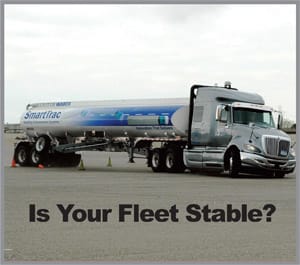
While the use of stability control systems could mean the difference between a collision and the avoidance of a crash, it also could help you create safer, more conservative drivers.
Alan Korn, director of vehicle dynamics and controls at Meritor Wabco Vehicle Control Systems, says with a stability control system installed on the vehicle, a driver can recognize he's driving too aggressively, because the vehicle is slowed down when the system is activated. This, in turn, may encourage the driver to adopt a more conservative style of driving, he says.
RSC Vs. ESC
Korn says more and more fleets are adopting stability control systems, including electronic stability control (ESC) and roll stability control (RSC) systems. ESC provides full stability control, working to prevent both rollovers and loss of control incidents. RSC is built to primarily address rollovers, but not loss of control.
Using the anti-lock brake system, the technology that powers RSC uses a lateral accelerometer, a sensor that measures the lateral acceleration, the main cause of a rollover, Korn says. Valves are automatically applied to dethrottle the engine, while the drive and trailer axle brakes are also automatically engaged.
ESC has the same technology to control rollovers as RSC, but it uses two additional sensors, Korn explains. The first, a steering wheel sensor, tells the system where the driver is pointing the vehicle. The second, a gyro sensor, measures how much the vehicle is actually turning. When there's a disconnect between the two, the system automatically intervenes. The individual foundation brakes kick in as a counteractive force.
Stability Control Study
Korn says a mandate for these systems could be in the cards, especially following the results of a recent study conducted by The University of Michigan Transportation Research Institute under a cooperative agreement between the National Highway Traffic Safety Administration and Meritor Wabco Vehicle Control Systems. That study found that because ESC systems are more comprehensive, they offer more safety benefits than RSC.
With ESC installed on the vehicle, the number of annual heavy truck crashes would decrease by 4,659 crashes, preventing 126 fatalities and 5,909 injuries, according to the study. If all trucks were outfitted with ESC, it would result in savings of $1.74 billion annually because of the rollovers prevented. With RSC installed on the vehicle, there would be 3,489 less crashes, preventing 106 fatalities and 4,384 injuries. Having all trucks outfitted with RSC would save $1.46 billion annually, according to the data.
Methodology
According to Korn, the study's researchers set out to measure the effectiveness of stability control systems. Using information from several databases including the GES database, the Trucks Involved in Fatal Accidents database and the Large Truck Crash Causation Study, UMTRI determined how many of the accidents involved rollovers versus loss of control. They were categorized according to what conditions they occurred in, including type of road (curvy or straight) and condition of road (wet or dry). Using data collected from TIFA and GES on a five-year annual average, the researchers found that there were 6,874 crashes involving rollovers per year and 4,350 crashes involving loss of control.
Using a hardware-in-the-loop simulation, or HiL, the researchers put the vehicles through a computer software maneuver simulation, in order to accurately measure how the stability control system was reacting. They used HiL for the rollover incidents, and tested the systems for loss of control in the field. With these methods, they were able to put a value of effectiveness on the different stability control systems in mitigating rollovers and loss of control, according to different conditions.
In the end, they found that ESC and RSC were most effective on curvy, dry roads, with prevention rates of 75 percent and 71 percent, respectively.
Apex Logistics, which uses Meritor Wabco's Roll Stability Control system, has seen the benefits. "We averaged three rollovers a year until Jan. 1, 2005, when we started equipping our tractors with RSC," said Mike Siebert, director of maintenance. "We haven't had a rollover since."
More Fleet Management
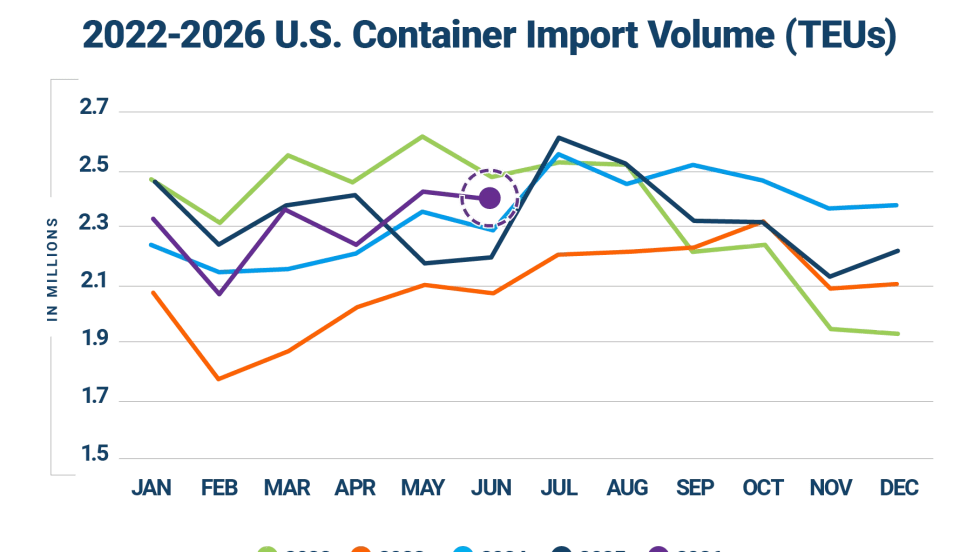
Import Cargo’s Early Peak Season is Winding Down
There was an early start to peak season this year at the nation's gateway ports, as retailers brought in merchandise ahead of tariff changes in late July and responded to other supply chain uncertainties,
Read More →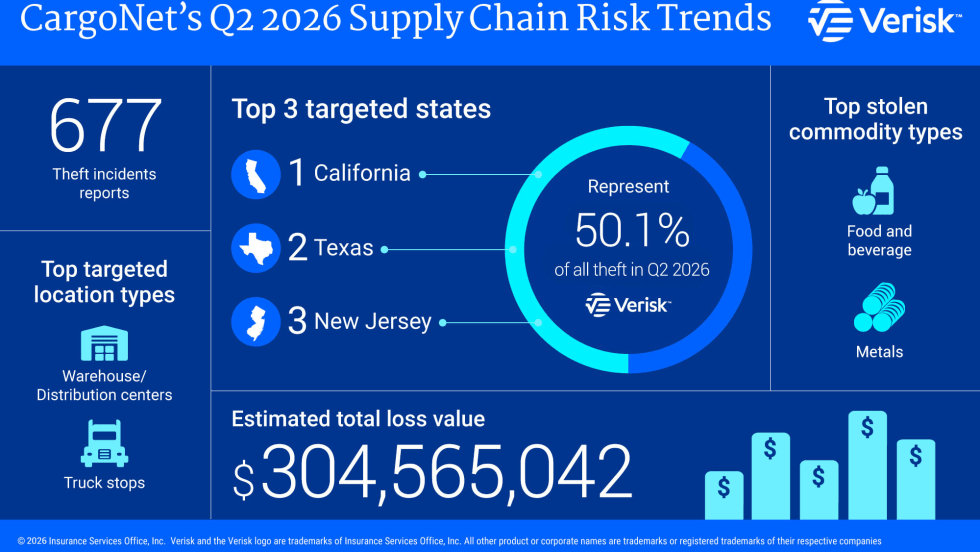
Fewer Cargo Thefts, Bigger Losses: Criminals Target Higher-Value Loads
CargoNet says organized theft rings are stealing fewer shipments but choosing more valuable freight, including metals and technology, resulting in record losses.
Read More →
How Innovative Trucking Leaders Turn Change Into an Advantage
As the pace of change accelerates in trucking, the fleets that adapt best have more than the latest technology. They have cultures that embrace improvement.
Read More →
Freight Broker Bonds Just Got Harder to Get. Here's What That Means for Your Fleet.
When it gets harder for a freight broker to prove they are financially sound, the ones who cannot clear that bar get pushed out of the market. And those are exactly the brokers who used to leave motor carriers holding the bag.
Read More →
Long-Awaited Canadian Border Bridge to Open in Detroit
For trucking, the bridge opening should offer immediate improvements in efficiency and reliability, with new customs facilities, expanded inspection capacity, and direct freeway-to-freeway connections.
Read More →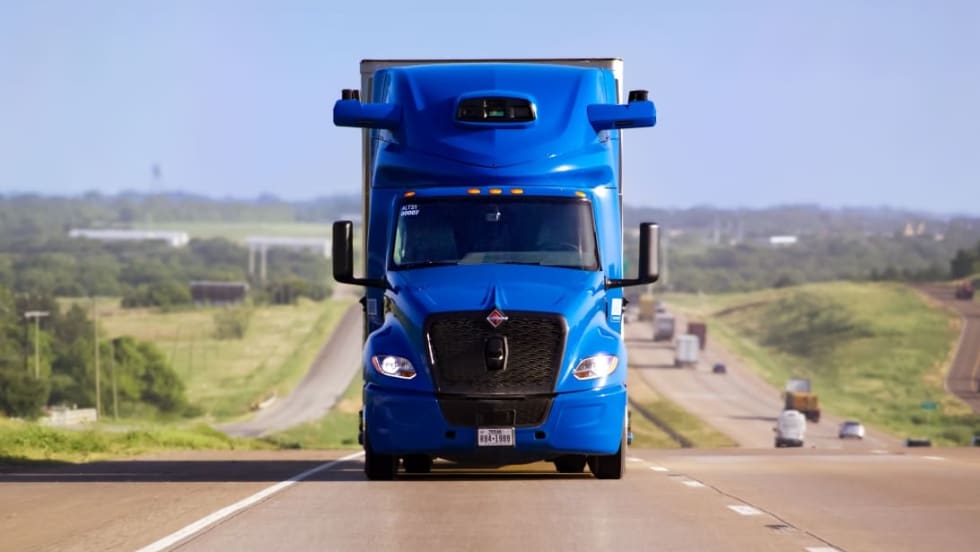
Aurora Rolls Out Next Generation of Driverless Trucks for Commercial Freight
Aurora's latest autonomous trucks it's rolling out with International feature lower-cost hardware designed for a million miles as the company expands commercial driverless freight operations across the U.S. Sun Belt.
Read More →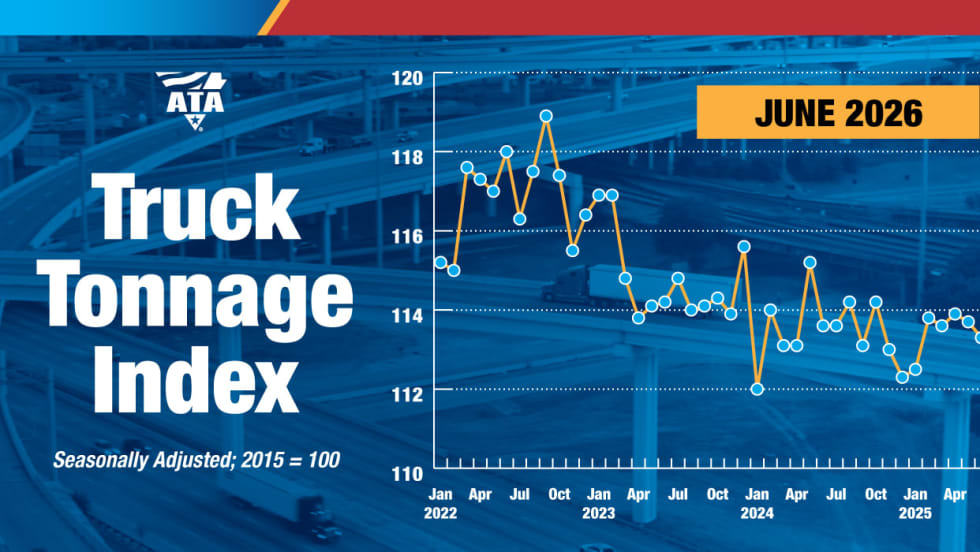
Freight Tonnage Down, Rates up, as Lower Capacity Powers Trucking Recovery
The recovery from the freight recession continues to be driven by reduction in capacity rather than by increased demand.
Read More →
Think Your Trucking Fleet Isn't Using Much AI? Think Again
Shadow AI — the use of unauthorized artificial intelligence tools at work — is becoming increasingly common, putting sensitive company data at risk. Learn how trucking fleets can protect sensitive data while embracing AI.
Read More →
ArcBest Consolidates Brands, Cuts Workforce
The company will bring three business units under the ArcBest brand, eliminate about 2% of positions, and expects the changes to generate $40 million in annual savings.
Read More →
Trucking Fleets Faced Record Operating Costs During Third Year of Freight Recession
ATRI's annual operational cost report shows carriers trimmed fleets, delayed equipment purchases, and ran older trucks as expenses continued to outpace freight rates.
Read More →