




Short-Sea Shippers: Barging In
With new government capitalization, water carriers launch a comeback.


This month a Virginia-based river barge line started moving freight containers between Norfolk and Richmond, Va. It's cargo that previously went by truck on I-64. Thus began the U.S. Department of Transportation's plan to take freight off trucks and put it on barges that traverse a national network of "marine highways."
Objective: reduce highway congestion, road construction costs, fuel use and pollution, while expanding the nation's freight-handling capabilities in anticipation of growth in international trade.
The concept is not new; it's been researched and discussed for some years. What's new is the availability of millions of government dollars to maritime shipping interests that wish to pursue it.
Norfolk-based James River Barge Line, the first to participate, expects to initially transport up to 60 containers a week each way between Norfolk and Richmond. It hopes to expand to 600 a week between the two ports within three years (a spokesman points out that's equivalent to more than 30,000 truck trips annually).
The company projects it will lose money for the first two years, but never fear; Big Brother's here. According to the Newport News Daily Press, the company's efforts will be shored up by a $2.25 million grant from the Richmond Metropolitan Planning Organization, and another $400,000 from the commonwealth of Virginia.
The newspaper says those dollars are from Richmond's share of federal highway congestion mitigation and air quality funds, created by this year's energy bill. In it, Congress expanded DOT's authority and access to capital for promoting startups in what has become known as "short-sea shipping services."
So when DOT designates a waterway as a marine highway, its funding is treated more like a highway. At this point, $25 million in federal capital construction funds, and another $1.7 billion in highway congestion mitigation and air quality funds, are available for short-sea operation startups and expansions.
The DOT says there are more than 25,000 miles of marine highways, which include inland, intracoastal and coastal waterways. In many cases they run parallel to major truck corridors, such as I-95 and I-64 in the eastern part of the country.
Some possible routes involve waterways between Boston and Miami, and points along the way including New York City, Charleston and Norfolk.
Federal Maritime Administrator Sean Connaughton touted the plan, saying, "We can show that with a little bit of money, you can get more bang for your buck by taking these trucks off the road completely [rather] than trying to maintain or expand existing roads."
Hold on there. A report from the Center for Maritime Studies would indicate Connaughton's statement was a bit over the top. It says short-sea shipping will only partially alleviate highway congestion as cargo moving through U.S. ports doubles over the next 15 years. It also says strategic alliances should be struck between short-sea shippers and trucking companies.
Perhaps there are opportunities here for carriers looking to diversify and/or shorten lengths of hauls to keep drivers happy. Acquiring an interest in a short-sea shipper might make a company more appealing to investors, too.
Expanding use of water transport may be a good thing for our overall freight transport system. Relatively speaking, it shouldn't take a huge amount of money off the highway funding table, nor take away much (if any) freight from trucking - provided the predicted growth materializes.
It's nice for the short-sea folks that Congress was there with the cash. It would've been nicer if they'd done it themselves. Hopefully the government won't end up owning them along with all those iffy mortgages.

E-mail Doug Condra at dcondra@truckinginfo.com, or write P.O. Box W, Newport Beach, CA 92658.
More Fleet Management
Freight Broker Bonds Just Got Harder to Get. Here's What That Means for Your Fleet.
When it gets harder for a freight broker to prove they are financially sound, the ones who cannot clear that bar get pushed out of the market. And those are exactly the brokers who used to leave motor carriers holding the bag.
Read More →
Long-Awaited Canadian Border Bridge to Open in Detroit
For trucking, the bridge opening should offer immediate improvements in efficiency and reliability, with new customs facilities, expanded inspection capacity, and direct freeway-to-freeway connections.
Read More →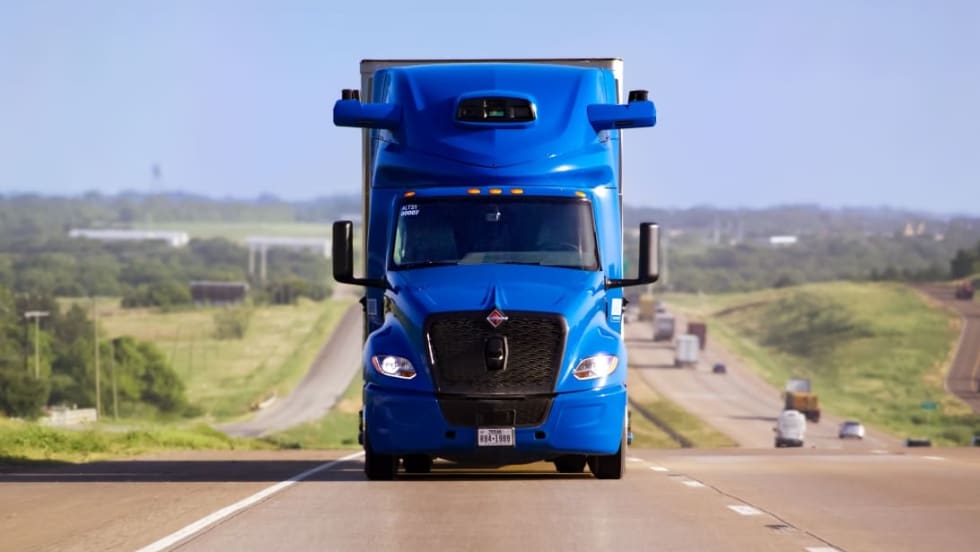
Aurora Rolls Out Next Generation of Driverless Trucks for Commercial Freight
Aurora's latest autonomous trucks it's rolling out with International feature lower-cost hardware designed for a million miles as the company expands commercial driverless freight operations across the U.S. Sun Belt.
Read More →
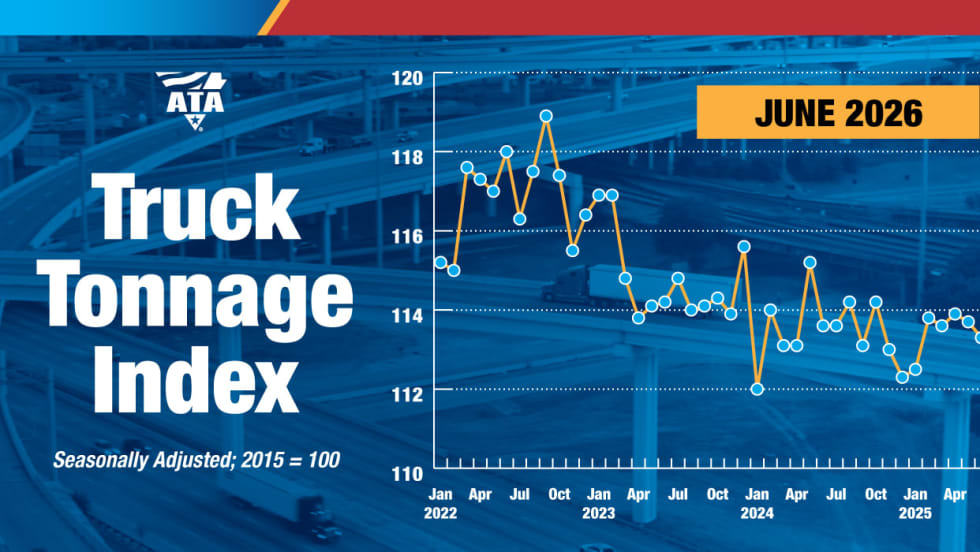
Freight Tonnage Down, Rates up, as Lower Capacity Powers Trucking Recovery
The recovery from the freight recession continues to be driven by reduction in capacity rather than by increased demand.
Read More →
Think Your Trucking Fleet Isn't Using Much AI? Think Again
Shadow AI — the use of unauthorized artificial intelligence tools at work — is becoming increasingly common, putting sensitive company data at risk. Learn how trucking fleets can protect sensitive data while embracing AI.
Read More →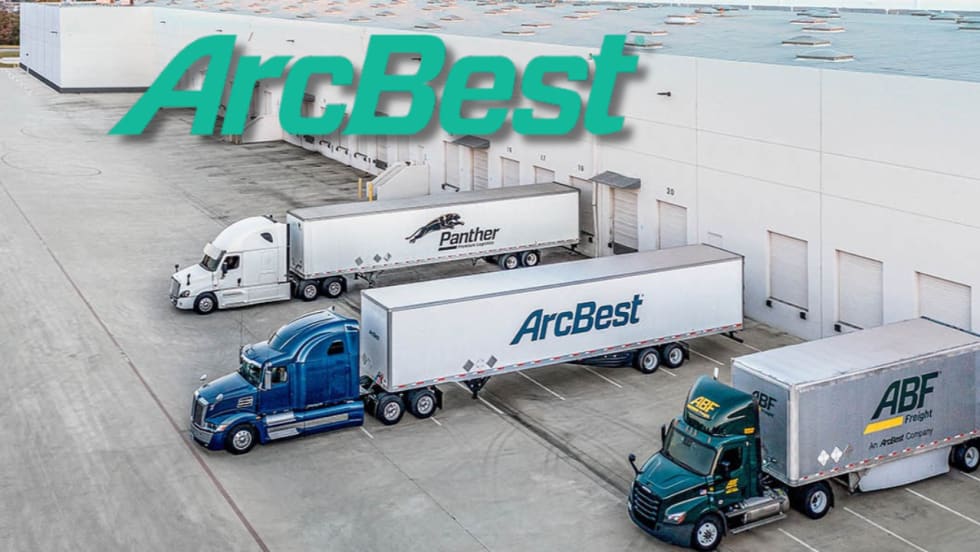
ArcBest Consolidates Brands, Cuts Workforce
The company will bring three business units under the ArcBest brand, eliminate about 2% of positions, and expects the changes to generate $40 million in annual savings.
Read More →
Trucking Fleets Faced Record Operating Costs During Third Year of Freight Recession
ATRI's annual operational cost report shows carriers trimmed fleets, delayed equipment purchases, and ran older trucks as expenses continued to outpace freight rates.
Read More →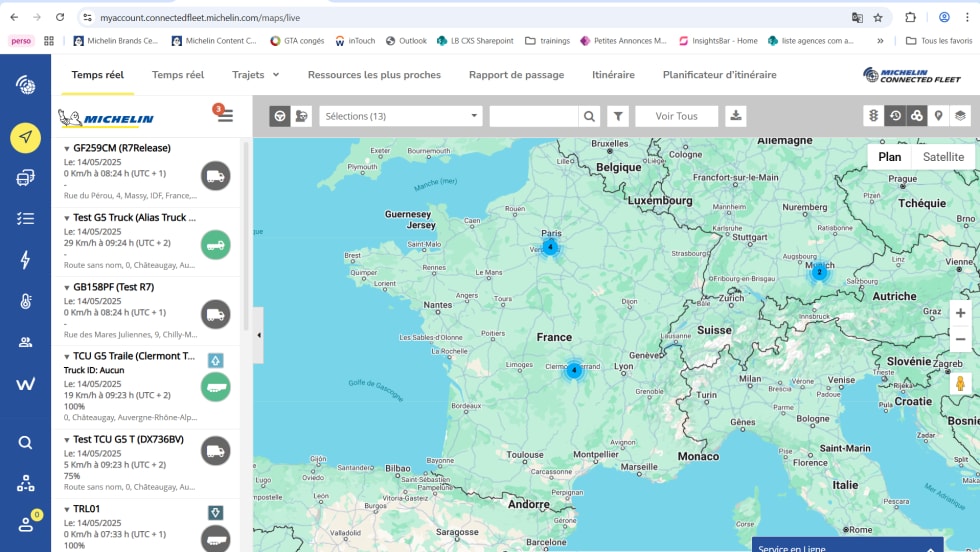
Michelin Adds AI Assistant to MyConnectedFleet Platform
Michelin’s new generative AI tool delivers instant fleet insights, helping managers analyze fuel use, tire maintenance, vehicle status, and operational performance without manually creating reports.
Read More →
LytxOne Platform Now Features AI, Compliance, and Asset Tracking Tools
New enhancements add AI-powered insights, asset tracking, compliance automation, and configurable privacy controls to Lytx's all-in-one fleet management platform.
Read More →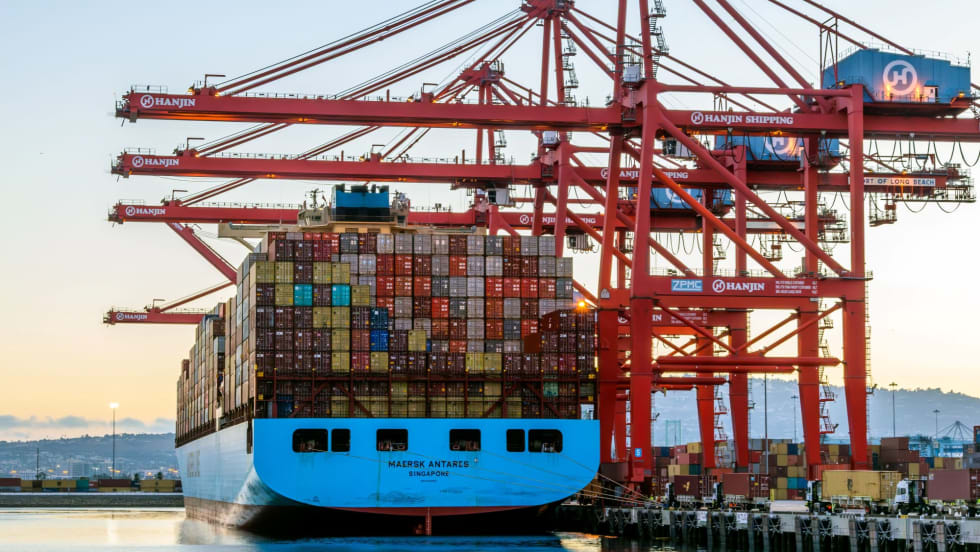
July Imports Poised to Set Container Record
The National Retail Federation projects July container imports will surpass the pandemic-era record as shippers frontload freight ahead of expected August tariff increases.
Read More →