





You also may like: Roehl Transport Provides for Clients, Keeps Drivers Safe
Roadmaster Group: Communication Key During COVID-19
“Our saying right now is, truckers are first responders. It doesn’t matter if it’s a disaster like a hurricane or a national emergency like this,” says John Wilbur, CEO of the Roadmaster Group, in describing his company’s efforts to support drivers during the COVID-19 pandemic.
April 17, 2020
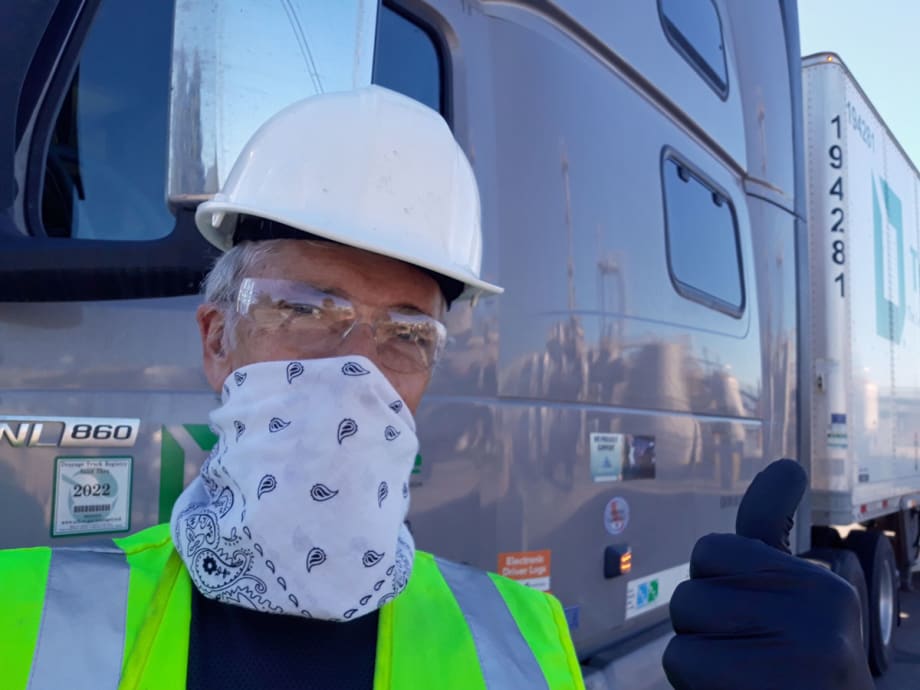
Although Roadmaster is working to get supplies such as masks to drivers, they also are following CDC advice to use whatever they can, including bandanas, as driver Mark Sain shows.
Photo: Mark Sain/Roadmaster Group
5 min to read
“Our saying right now is, truckers are first responders. It doesn’t matter if it’s a disaster like a hurricane or a national emergency like this,” says John Wilbur, CEO of the Roadmaster Group, in describing his company’s efforts to support drivers during the COVID-19 pandemic.
The Roadmaster Group is a family of specialized transportation companies that serve the high security market, including Tri-State Motor Transit, Roadmaster Specialized, and AATCO. Headquartered in Phoenix, Arizona, it’s part of the Daseke family of open deck and specialized carriers.
“We kind of spent the last half of March trying to get on top of the health situation and making sure our drivers and employees had the best information possible, whether it was from the CDC or our own policies. We made sure we got the information out and that they had the information and resources to do job.”
As the pandemic moved into April, he says, the company decided to take steps to support drivers in other ways, including financially.

Roadmaster driver Jack McFadden says frogs are immune to coronavirus.
Photo: Jack McFadden/Roadmaster Group
“We just realized how big of an effort all of our drivers were making,” Wilbur explains. “They make that effort every day, not just in a crisis, but this national emergency really just highlighted what kind of effort and dedication that they have.”
“Almost every state is closed, most cities are closed, but nowhere is trucking closed. The industry is asking drivers to deliver into hot spots, and those normal daily events of finding food and restrooms are more difficult today. We’ve got incredible crew of people and hard-working Americans out there.”
Roadmaster implemented a new pay structure for drivers, with a supplement that will give company drivers an extra 5 cents per mile and owners-operators an increase of 2% in revenue share.
For any driver who contracts the virus, a COVID-19 relief gap benefit provides up to 14 days off.
Communicating with drivers
Especially in the early weeks of the pandemic, it was a scramble to collect and disseminate the fast-changing information on everything from health recommendations to regulatory exemptions. Roadmaster tapped into a wide range of resources, collaborating with its fellow Daseke carriers.
“Number one was paying attention to CDC guidelines, and those have changed over time with things like masks,” Wilbur says.

Roadmaster driver Joe Yuenger has a mask made from an old T-shirt.
Photo: Joe Yuenger/Roadmaster Group
The American Trucking Associations, state trucking associations, the Department of Transportation, its health insurance providers, were all credible sources the company used in trying to synthesize the information it needed to provide to its approximately 900 drivers.
That information was disseminated by “every and all methods,” Wilbur says, including daily Facebook live updates, daily emails to drivers and all employees, sent to the in-cab Omnitracs units. “But we also just spoke to them by phone much more frequently than we normally would.”
As far as what drivers are saying, Wilbur said, “for the most part they are just doing their job.” There are a few that are concerned about going into certain hot-spot areas such as New York or New Jersey, as well as questions about testing, what to do if they start experiencing symptoms.
On the latter, Wilbur explains, the company tried to map out all possible scenarios and what they would do in those circumstances, from potential exposure to testing positive.
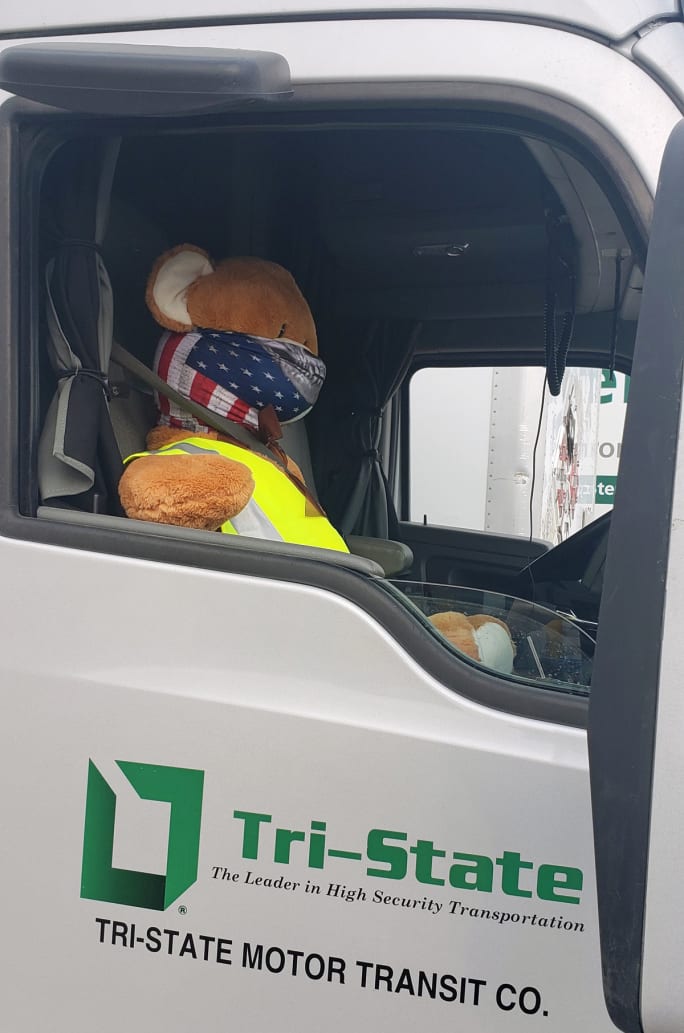
Larry Baty's shotgun-riding companion showcases a yellow safety vest and face mask.
Photo: Larry Baty/Roadmaster Group
“If we had a driver call in, we wanted to have through that through already.” The company had to review its policies on things like sick days in view of CDC guidelines and make some changes. It has tried to supply drivers with things such as hand sanitizer and face masks.
“We’ve got a lot of gratitude from our drivers posting on Facebook or when we talk to them saying thanks for looking out for us.”
In fact, Wilbur says, the company has found it a little easier to keep the drivers it has and have been able to recruit drivers a little more easily than in the past. The company reconfigured training processes to accommodate CDC recommendations. Instead of flying drivers out for training, they have provided rental cars for them to travel to training. During training, each driver sits six or more feet apart to allow social distancing. Pre-packaged meals are provided for drivers going through training, as restaurants in the surrounding area have closed.
Working from home
Wilbur notes that the focus on communication is not just limited to drivers. About 85% of Roadmaster’s office-based staff in facilities around the country are working at home.
“We’re over communicating and facilitating working remotely and just trying to support our drivers in the field and serve our customers. We have some very sensitive freight, so customers are highly concerned about their shipments.”
Roadmaster already was using Ring Central for its phones, which also offers a video-conference platform. On top of both audio and video communications, Wilbur says, employees are using lots of email and instant messaging.
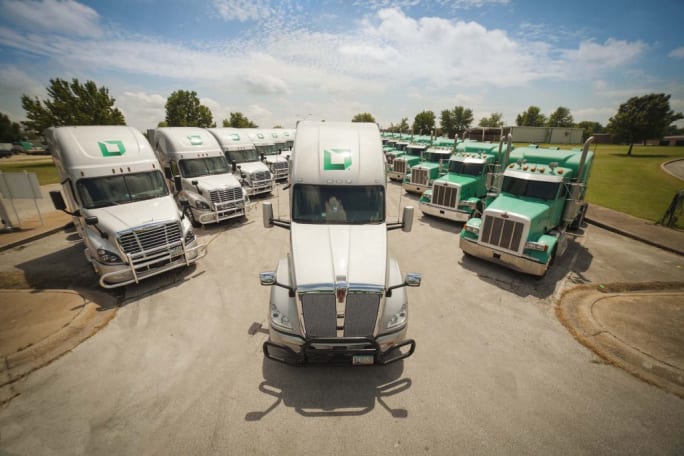
Roadmaster Group trucks, pre-pandemic.
Photo: Roadmaster Group
“It’s really taught us that we can work remotely,” Wilbur says. “Maybe we don’t need as much office space going forward; we could make changes to our model permanently. Some people are concerned that remote workers’ productivity decreases, but we’ve seen productivity increase.”
Looking forward, Wilbur says, while March and the first quarter were at or above expectations as far as the amount of business, he expects a softer second quarter.
“We are a high-security carrier with high-security expedited capacity, so that’s in demand. We do expect there to be some slowdown in some sectors for the second quarter, given how much economic activity has dropped off.”
In a mid-April interview with Yahoo Finance, Wilbur said, “It’s been quite a ride… normally we slide into or climb out of a dip, but this one hit everybody like a brick wall. We’ve had some supply chains that have just had a surge in demand, well over capacity, and we’ve had others that have almost fallen to zero. It’s been a real juggle for the management teams out there to try to redeploy capacity to the supply chains that really needed it, such as food, supplies, and medical PPE.”
Subscribe to Our Newsletter
More Fleet Management
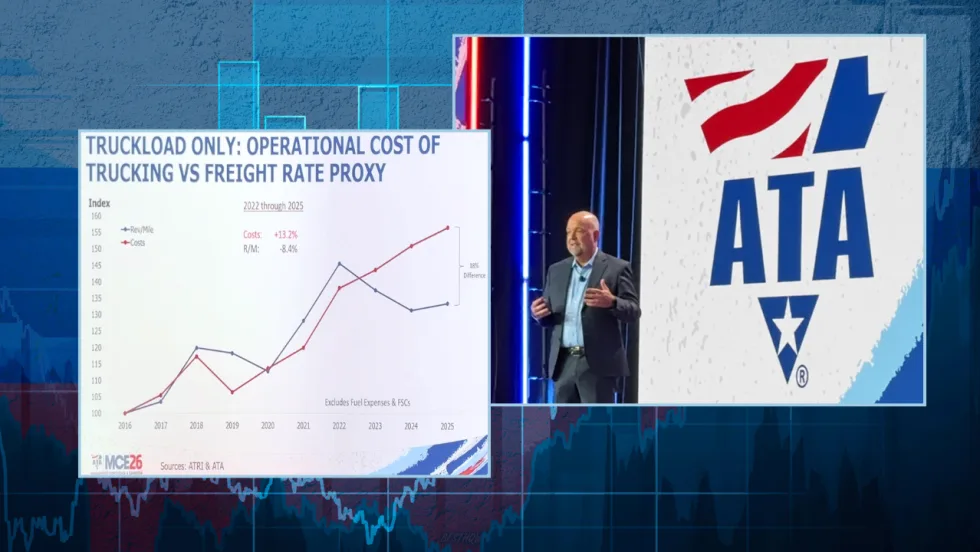
Why This Trucking Recovery Is Different
Freight demand remains sluggish, but rising costs and tougher enforcement have taken enough capacity out of the market to change the outlook for motor carriers.
Read More →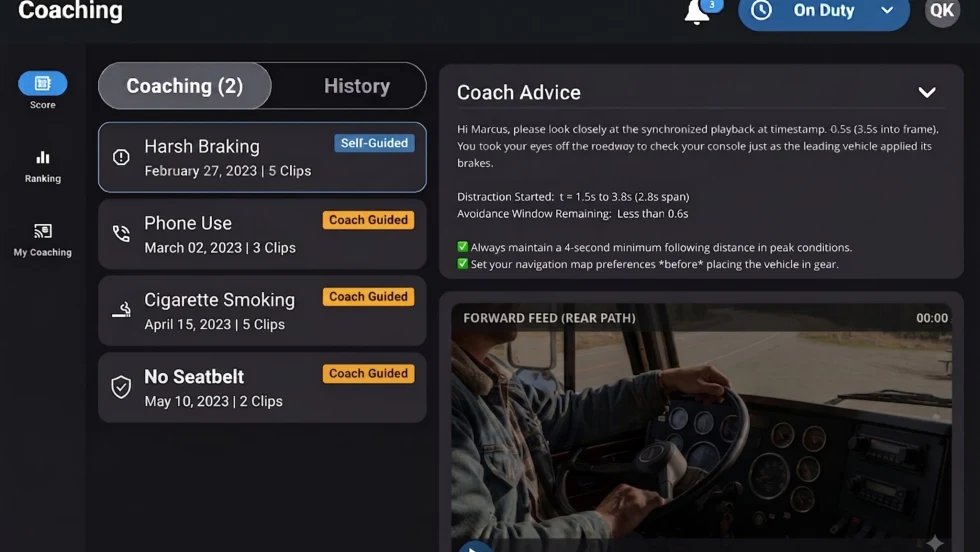
Platform Science Adds Dispatch and Safety Tools
Four additions to PS Fleet help fleets monitor loads, manage driver coaching, share truck locations and adjust video system settings.
Read More →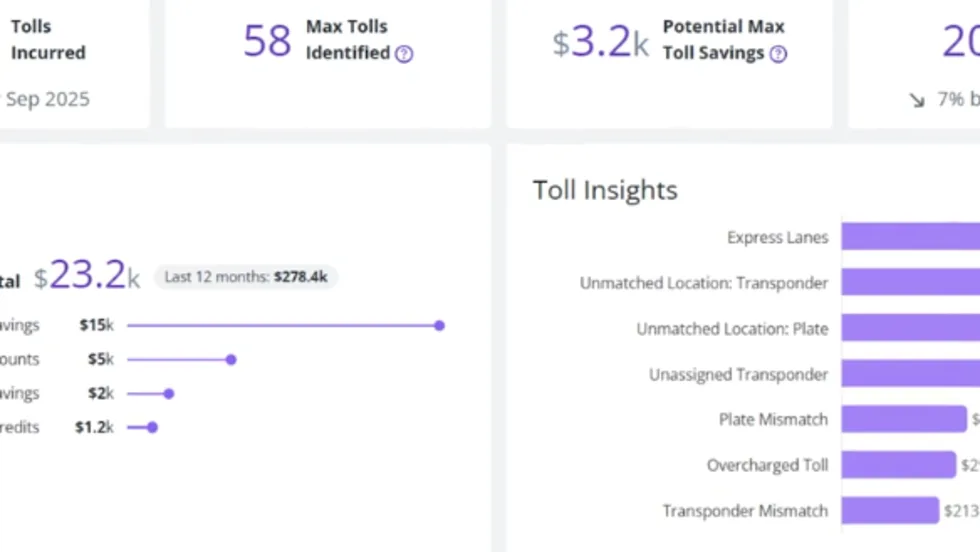
PrePass Intelligence Mines Fleet Bypass, Toll and Safety Data
PrePass Intelligence helps fleets measure bypass savings, flag potential toll overcharges, and spot suspicious transactions by combining data from separate systems.
Read More →
Motive Adds AI Agents for Fleet Operations
New tools automate follow-up on fleet data, from maintenance work orders to driver alerts, with two-way voice conversations planned for later this year.
Read More →
Can You Beat Our Trucking Trivia Challenge?
Test your truck knowledge with 19 trivia questions from Heavy Duty Trucking Exchange. Can you keep up with the fleet pros?
Read More →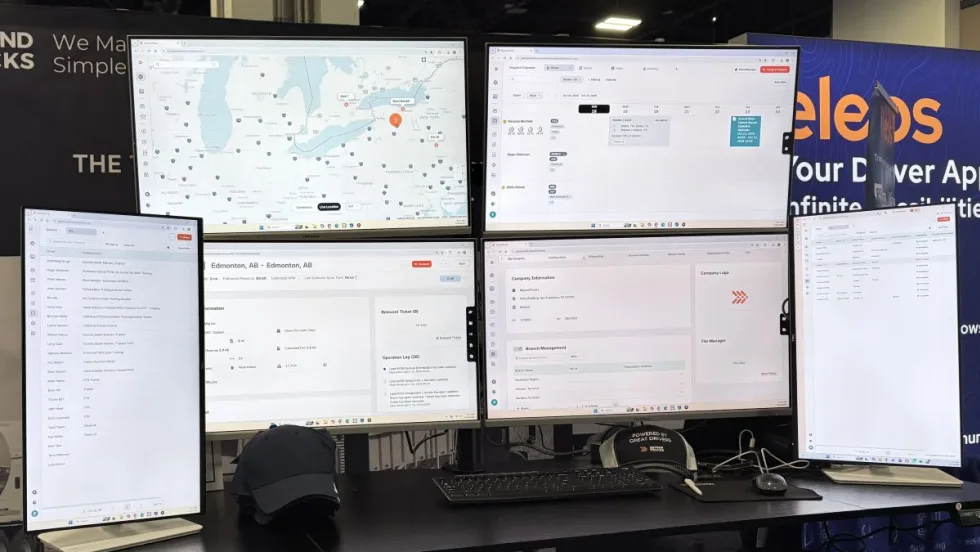
BeyondTrucks Adds Rules Checks to Dispatch
New Compatibility Engine checks driver qualifications, equipment requirements and fleet policies before loads are dispatched.
Read More →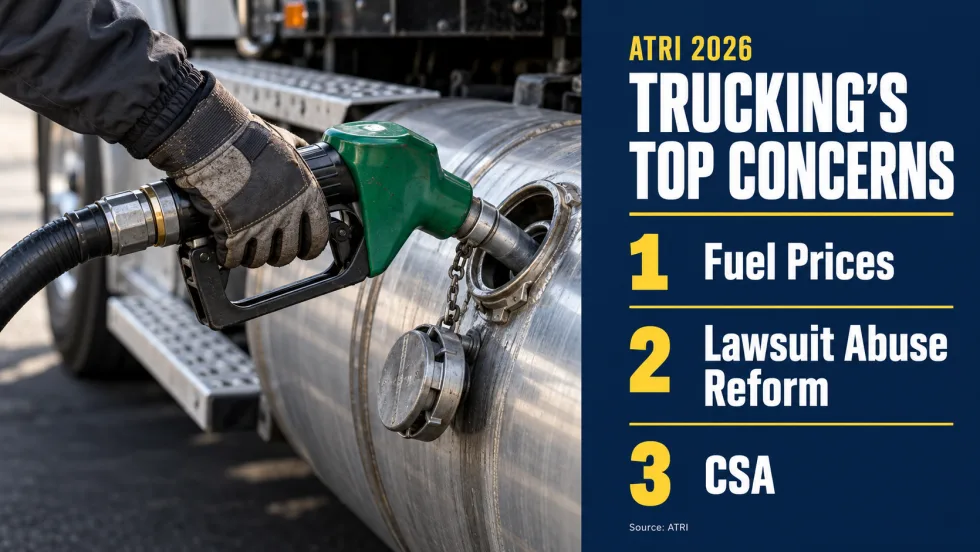
Diesel Prices Hijack Trucking’s Worry List
ATRI’s annual survey finds cautious optimism about freight, but diesel costs, litigation, and insurance continue to squeeze fleets. Drivers have different priorities on several issues.
Read More →
Nomination Deadline Extended for HDT Emerging Leaders
Just a few more days to nominate accomplished trucking fleet professionals under 40 who are making an impact and helping lead the industry forward for the HDT Emerging Leaders award. Deadline extended to October 20!
Read More →
What Will ATA’s New Leader Bring to Trucking's Table?
Incoming President and CEO Mark Colson’s record in Alabama offers clues about his priorities and approach following Chris Spear’s abrupt departure as the head of the American Trucking Associations.
Read More →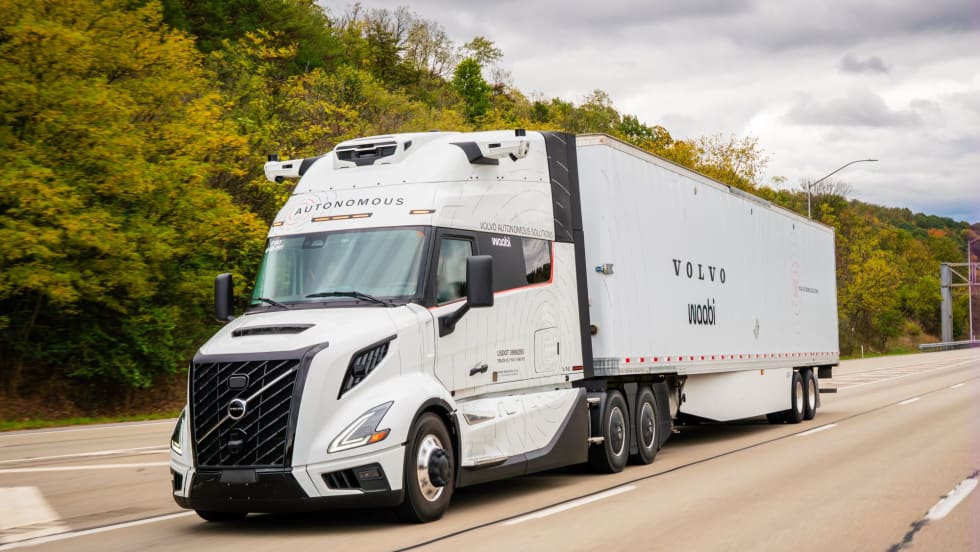
Volvo, Waabi Start Commercial Autonomous Operations in Texas
Volvo VNL Autonomous trucks, powered by the Waabi Driver, are hauling freight directly to third-party facilities for a customer in Texas.
Read More →