




QuickSpin: NPR Gas 'N' Go vs. Eco Diesel Slow(er)
After several years of absence, Isuzu's gasoline-powered, medium-duty trucks are back for the 2012 model year. I had a chance to test drive the new 2012 NPR Gas truck, as well as the comparable NPR Eco-Max diesel
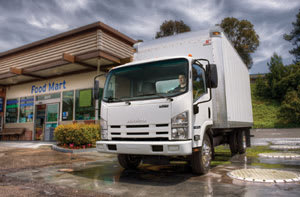
Driving the Isuzu NPR Gas is an entirely different experience compared with the diesel models.
After several years of absence, Isuzu's gasoline-powered, medium-duty trucks are back for the 2012 model year. I had a chance to test drive the new 2012 NPR Gas truck, as well as the comparable NPR Eco-Max diesel,
at an event for Isuzu dealers this May in Schaumburg, Ill., a suburb of Chicago. The gas truck, I found, has some real spring in its step.
At a glance, the NPR Gas is nearly identical to the N-Series diesel, with the exception of the silver brand markers on the doors. They share the same chassis, and the same cabs across several different options: side-by-side, they appear to be essentially the same vehicle.
The same similarities apply to the interior. With both the NPR Gas and the NPR Eco-Max diesel I drove the standard cabover, and the surprising amount of legroom was instantly gratifying. So, too, was the large, single-piece windshield offering impressive visibility, even to only inches in front of the vehicle. The only discernable difference is in the dashboard - the NPR Gas is missing a digital DEF gauge.
Turn the key, however, and the NPR Gas really comes into its own. The first thing you notice is how extraordinarily quiet the cab is with the engine running. That's not to say I wasn't also impressed with the Eco-Max's noise level, but with gas truck I barely noticed the engine was running. I could easily make small talk with the Isuzu representative riding shotgun without having to shout, or look away from the road for supplemental lip-reading.
Driving the NPR Gas is an entirely different experience compared with the diesel models. The pedal is a bit more sensitive, so I had to take care maneuvering out of the parking lot and onto the street. Once out on the road, the most obvious difference in the truck is acceleration: Its very peppy, maybe even too peppy. In fact, besides the ride height and steering sensitivity, it felt a bit more like driving a car than a medium-duty commercial vehicle. Indeed, none of the nearby cars out-accelerated me leaving a stop light.
Because the NPR Gas and NPR Eco-Max are essentially the same vehicle, there were virtually no differences in other aspects of handling. Like similar-sized vehicles, the steering wheel was sensitive, and driving at highway speeds required constant minor adjustment. The sharp turning radius allowing me to comfortably turn around in a parking lot, and the cab-over visibility gave me confidence to make tight maneuvers without fear of bumps and scrapes.
The truck is available in two weights: the NPR Gas, and the NPR-HD Gas, at 12,000 and 14,500 lbs GVWR respectively. Both versions are also available with a crew cab, which cuts payload capacity by a little over 700 pounds in both vehicles. Max payload for the NPR and NPR-HD is 6,997 and 9,411 pounds.
The NPR Gas and the HD version both use General Motors Vortec 6-liter V8 engine that produces 297 horsepower at 4,300 rpm and generates 372 pounds-feet of torque at 4,000 rpm. Both versions are mated to a GM Powertrain 6-speed automatic transmission with double overdrive. Previous N-Series gasoline models offered only a 4-speed automatic.
Gasoline-powered N-Series trucks had previously been assembled by GM at its plant in Janesville, Wis., until the plant ceased operations in 2009 - hence the trucks' recent absence from the market. Despite the loss of assembly location, Isuzu announced in March 2010 that GM would supply the transmissions and gasoline engines to be used for gas-powered Isuzu NPR and NPR- HD trucks, but that a new assembly location was still sought after.
Isuzu eventually decided to partner with Spartan Motors. Assembly is now done at the company's facility in Charlotte, Mich. Spartan designs, engineers and manufactures specialty chassis, specialty vehicles and truck bodies for RVs, emergency vehicles and some military applications. They are also assembling Isuzu's Reach, a work van done in partnership with Utilimaster.
The Last Word
If you find yourself deadlocked deciding between gasoline and diesel versions of Isuzu's N-series, here are some important details to keep in mind.
In terms of raw working ability, the NPR Eco-Max and NPR-HD are very similar to their gasoline counterparts, with the diesel trucks having a smaller payload capacity by only a few hundred pounds, because the diesel weighs more than the gasoline engine.
According to Isuzu, 25,000 annual miles is the threshold of choice between the gasoline and diesel alternatives. If you're over that mark, the extra durability and better fuel economy of the diesel engine will likely save you money in the long run. But if your trucks run lower mileage, the correspondingly lower wear will negate any cost benefits a user may net in purchasing a more expensive N-Series diesel. For up-front savings, the NPR Gas is about $5,000 cheaper than the diesel trucks.
Bottom line: The NPR Gas is very similar to its diesel cousin. It's on the market for low-mileage applications, and that is what a customer should most consider when making a purchase.
More Equipment

EPA Proposal Could Ease 2027 Truck Costs and Buying Uncertainty
The proposal doesn't change the tougher NOx standard, but it would revise key implementation requirements that manufacturers say have driven up costs and complicated fleet purchasing decisions.
Read More →
Cummins, Paccar Ease DEF Derates After EPA Guidance
Updated diesel engine software gives truck operators more time to address emissions-system issues while staying compliant with EPA emissions standards.
Read More →
America at 250: How the Truck Helped Connect a Continent
America was founded on revolutionary ideas, but it was built by movement. For 250 years, the nation has depended on ever-better ways to move people, products, and prosperity across a vast continent. No machine has carried that mission further — or more faithfully — than the truck.
Read More →
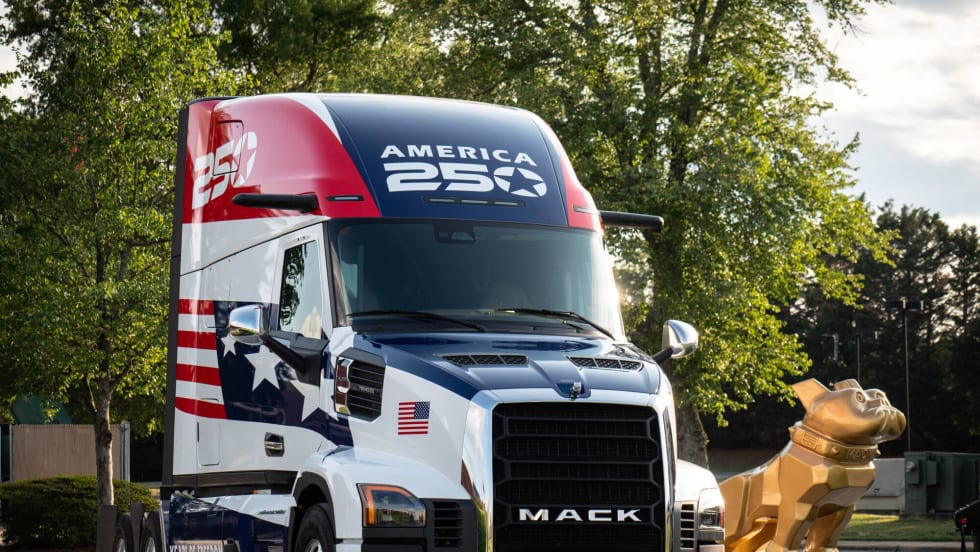
Mack Unveils America 250 Tribute Truck to Celebrate Nation's Semiquincentennial
Just in time for the Fourth of July! Mack unveils a brand-new patriotic, limited-edition, red, white, and blue truck wrap.
Read More →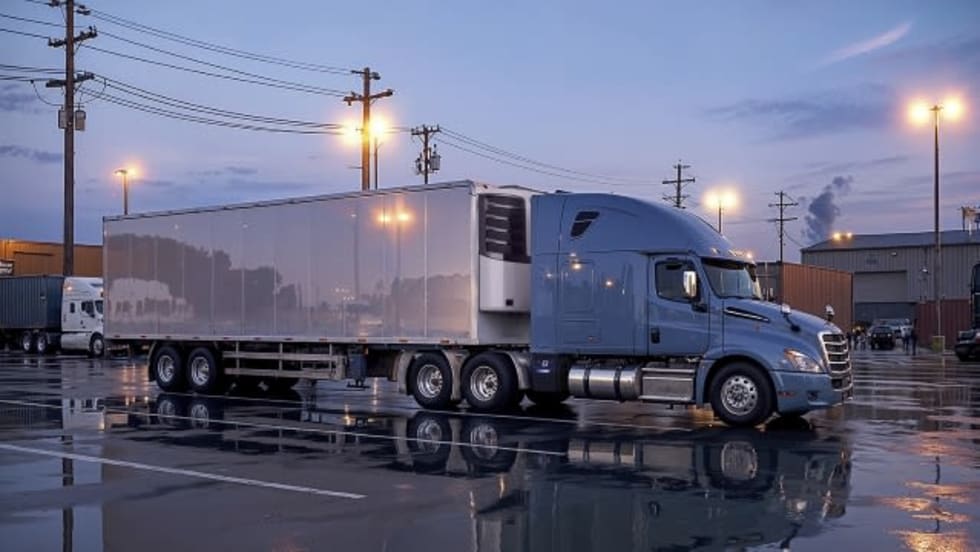
Enhance Fleet Performance with High-Efficiency Auxiliary Power Units
Drive sustainable cost savings while increasing driver comfort during short- and long-haul logistics operations.
Read More →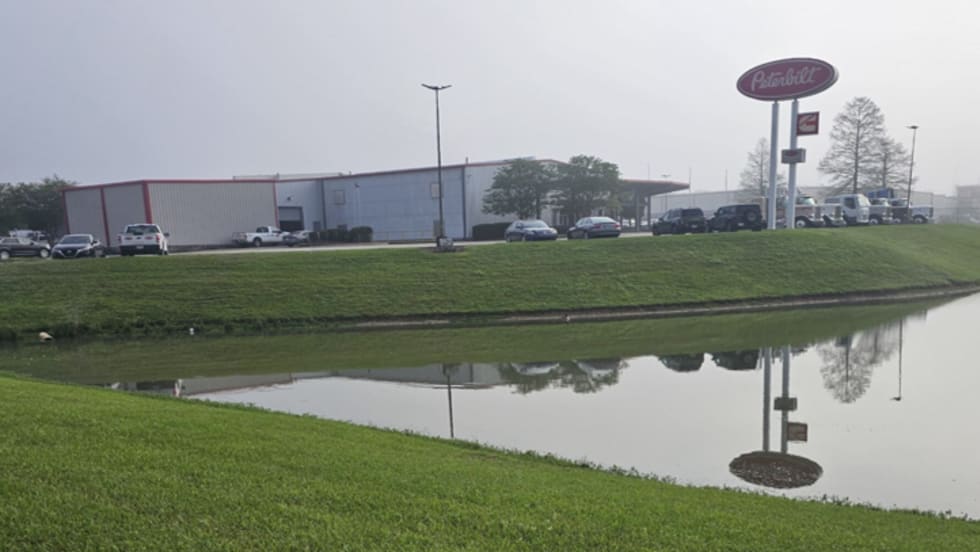
Rush Expands Gulf Coast Peterbilt Network With Louisiana Acquisition
The expanded Rush network gives fleets additional sales, service, leasing and collision repair support across Louisiana's major trucking markets.
Read More →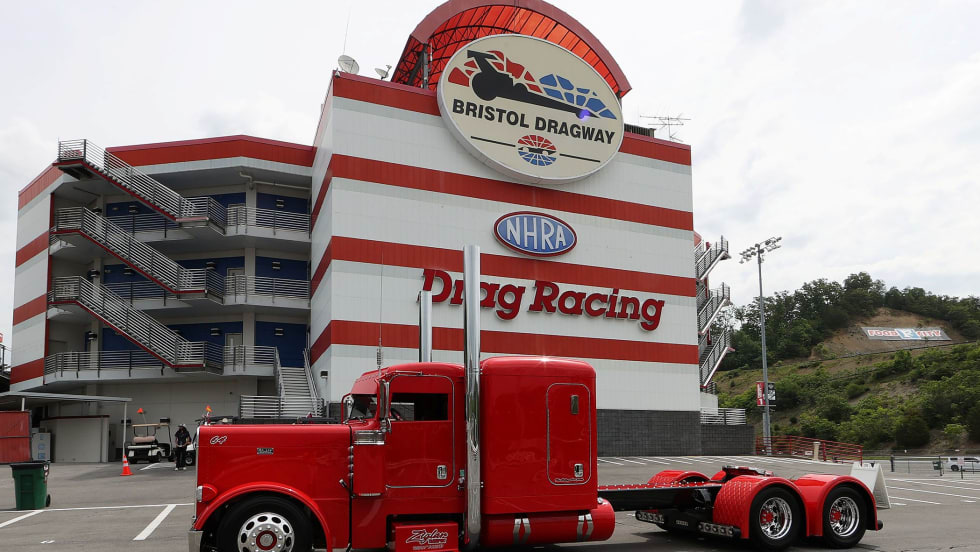
Photos: Shell SuperRigs Light Up Bristol Tennessee
Kenny Ziglar II of Rawlins, Wyo., captured Best of Show honors for the second consecutive year with his 2007 Peterbilt 379, nicknamed “Scrapin By,” at the 44th Annual Shell Rotella SuperRigs competition held June 25-27 at Bristol Motor Speedway in Bristol, Tenn.
Read More →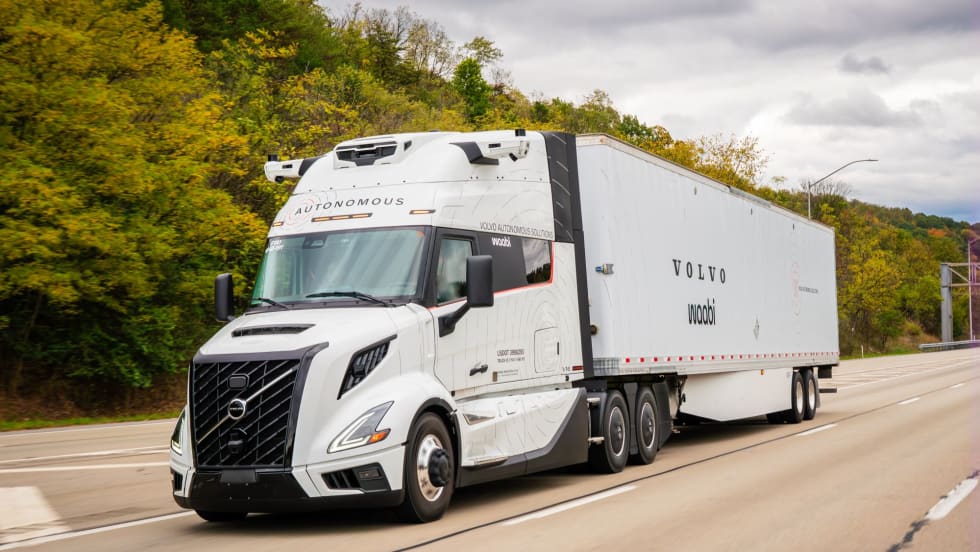
Waabi, Volvo Claim Breakthrough in Scaling Autonomous Trucking
Waabi says its AI-powered virtual driver successfully transferred to Volvo Autonomous Solutions' Volvo VNL Autonomous platform without retraining or additional data, a milestone the companies say could dramatically accelerate commercialization of autonomous trucks.
Read More →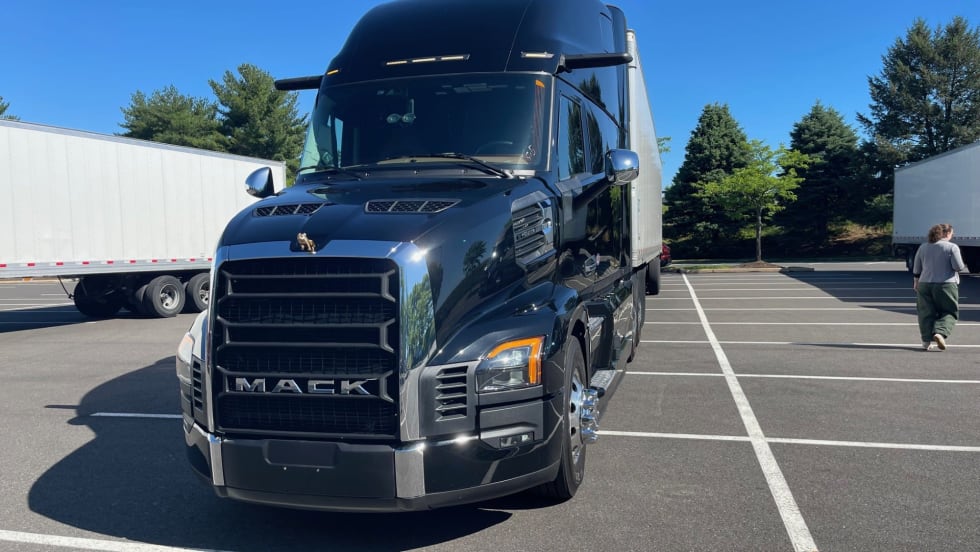
Why the Mack Pioneer Signals a New Era in Class 8 Truck Design
After a public-road drive through eastern Pennsylvania, one thing became clear: Mack's new Pioneer isn't simply packed with technology -- it's been engineered around the driver in ways that could redefine long-haul trucking.
Read More →
Mack Defense Secures $47 Million to Continue Military Dump Truck Production
President Trump visited Mack Defense’s Macungie, Pennsylvania, facility on June 23 to tout a $47 million Heavy Dump Truck order.
Read More →