





Read the March 2022 cover story "Beyond a Buzzword: Fleets Lead with Sustainability"
Quantix Preps for Electric
Quantix is prepping to receive two of the first production Peterbilt Model 579 electric trucks in April 2022. See what it's taken to get this far.
March 16, 2022
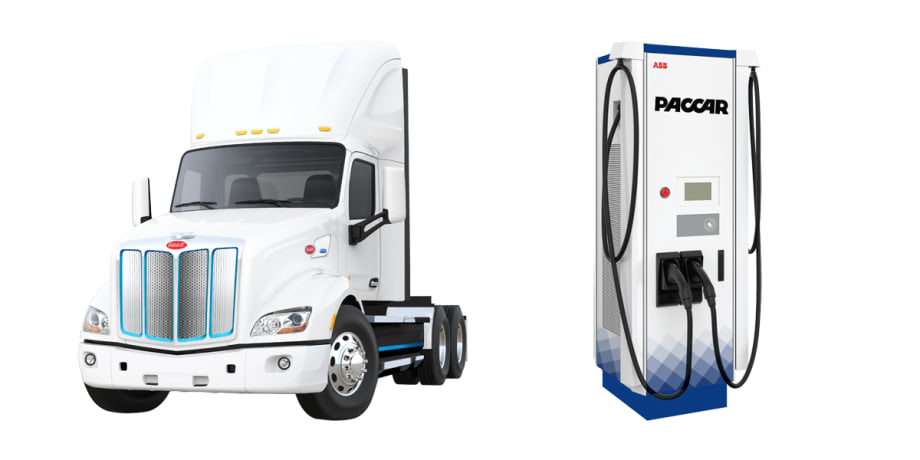
Quantix is prepping to receive two of the first production Peterbilt Model 579 electric trucks in April 2022.
Photo: Peterbilt
3 min to read
To double down on its commitment to sustainability and innovation, Quantix is prepping to receive two of the first production Peterbilt Model 579 electric trucks and officially write its name in the books as one of the early adopters of electric vehicle technology.
Last year, Quantix (at the time known as A&R Logistics) worked with Paccar, Schneider Electric and Faith Technologies to prepare electric vehicle charging infrastructure at two sites: one in Savannah, Georgia, and one in Charleston, South Carolina.
The company initially planned to have the new trucks on the road in December 2021, but backlogs in truck orders and production contributed to by COVID-19 pandemic-induced microchip and other component shortages pushed the delivery and implementation to April.
Troy Basso, Quantix’s vice president of maintenance, has been working with Peterbilt to help customize the trucks to best meet the needs of its business and customers.
The Model 579EV features a fully integrated, all-electric powertrain, which uses thermally controlled lithium iron phosphate battery packs to provide a range up to 150 miles.
The company will use the trucks to haul plastic in a drayage operation to the ports of Charleston and Savannah, making three 20-30 mile runs a day with one charging period after the first two runs, and then an overnight charge. Eventually, Quantix will expand the trucks’ run to four per day as the technology proves itself.
“When we told the major producers in the oil and gas, and chemical space that we have these trucks on order, every single one of them raised their hand and asked if they could have it exclusively on their freight,” Quantix President and CEO Chris Ball says.
Prepping for early adoption of electric vehicles has been a lot of work, especially constructing the proper infrastructure, explains Basso. It took Quantix a year to get the proper permitting and get infrastructure.
“What we learned through the process is all buildings and properties are not created equal,” Basso says. “We chose the right facilities to maximize the capital investment. We choose those two [charging sites in Savannah and Charleston] because they’re less than a year old, we had our own transformer and our own power substation. We’re fortunate that we have rail on our property so we didn’t have to have a step up to get us to the 440 required volts.” With a rail head on the property, the voltage for electric vehicle charging is already in place.
Without the luxury of newer infrastructure, Basso says the cost of construction can get really pricey. If a building is more than 10 years old, he says he wouldn’t sink the investment. “It could be a million dollars so fast your head will spin if you have an older building with older infrastructure,” he says.
The South Carolina Port Authority partnered with Quantix on the EV implementation, sponsoring the project with grants to offset the cost of the initial truck itself.
“Most drayage operations drive through economically depressed areas,” Basso says. “EVs may be the answer when we’re moving through these areas so we’re not polluting them. We’re planning on paying very close attention to [this implementation] for 36 months, and putting all our data side-by-side with the data from the diesel trucks in the same area, and then make some informed decisions.”
This article first appeared as a sidebar to the March 2022 cover story in Heavy Duty Trucking.
Subscribe to Our Newsletter
More Fuel Smarts
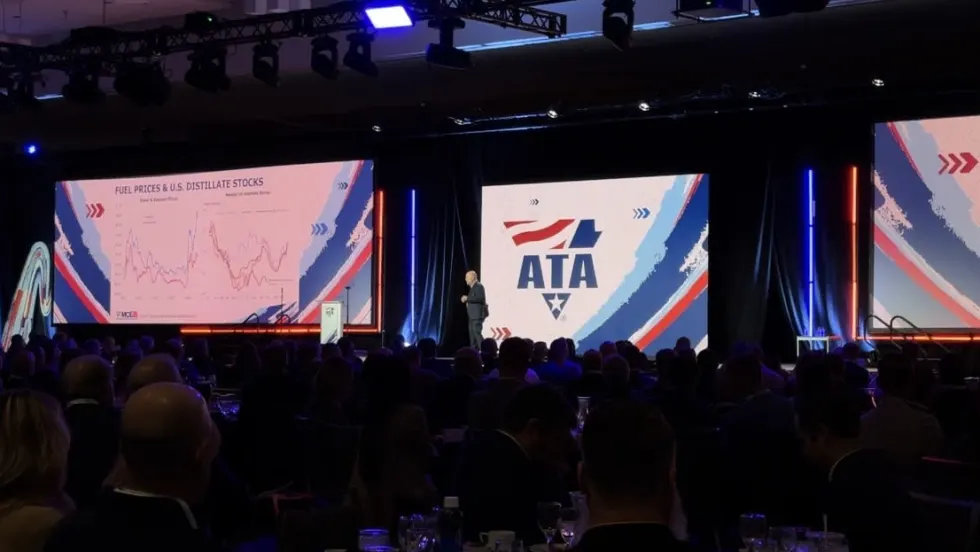
Trucking’s Diesel Squeeze Isn’t Letting Up
With diesel topping $6 a gallon nationally, ATA's Bob Costello explains why fleets should prepare for continued pressure at the pump.
Read More →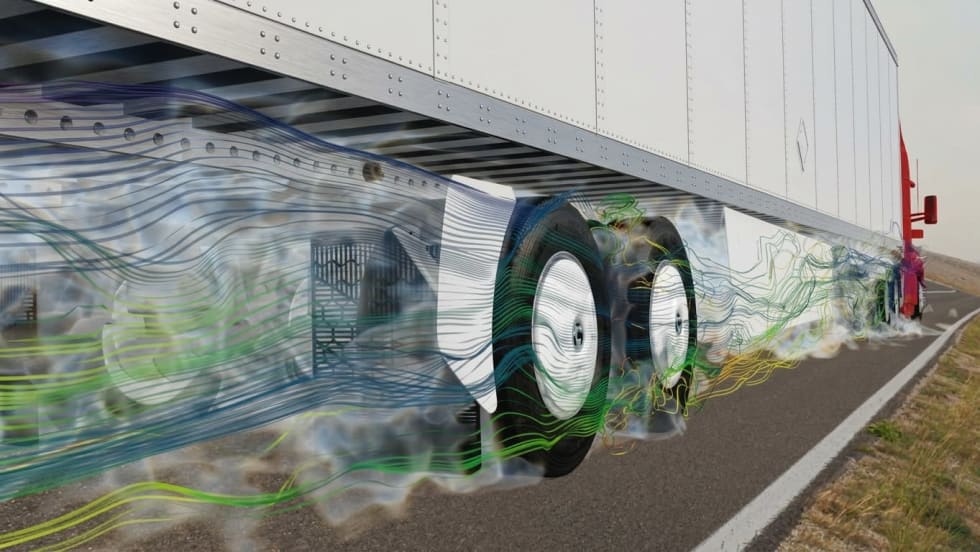
FlowBelow Redesigns Trailer AeroSlider to Cut Fuel Use
The lighter trailer aerodynamic system installs in less than 45 minutes, according to the company, with potential payback in under a year depending on fuel prices and trailer mileage.
Read More →
Why Diesel Price Relief Efforts May Fall Short
Diesel prices have eased from September’s record high, but doubts about additional Russian supply and limits on dyed-diesel tax relief mean trucking fleets still face expensive fuel. And prices could go higher.
Read More →
Why Small Fuel Savings Matter in Trucking
Can better fuel economy help pay for driver raises? In this podcast, GP Transco explains how small efficiency gains create room to reinvest in its people.
Read More →
How GP Transco Cuts Trucking Fuel Costs, a Tenth of a Gallon at a Time
What’s another tenth of a mile per gallon worth? GP Transco shares how equipment upgrades and driver coaching turn small gains into meaningful fuel savings.
Read More →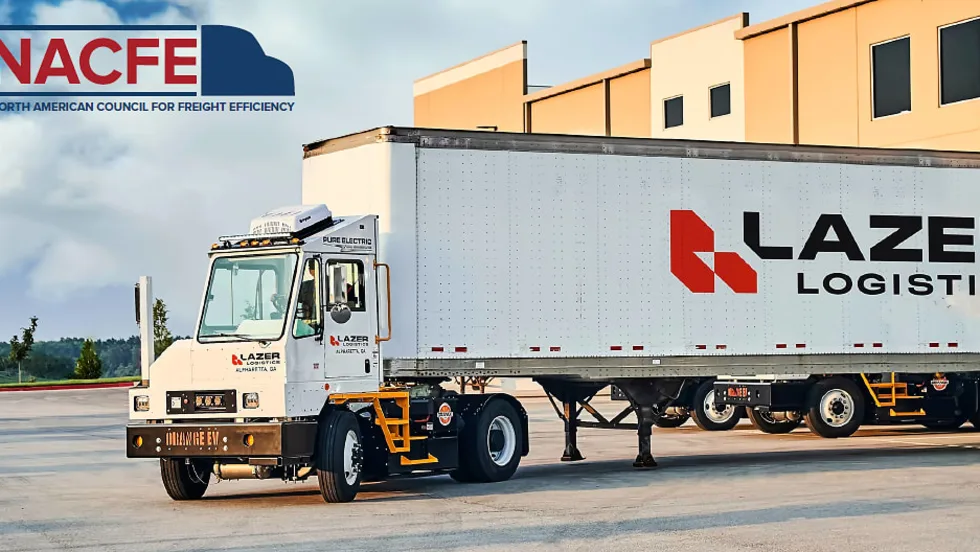
Electric Yard Tractors Move Beyond Pilots
Operating-cost savings have overtaken sustainability goals as the leading reason surveyed fleets are adopting battery-electric terminal tractors, according to new NACFE research.
Read More →
Geotab Links Fleet Card to Vehicle Data
The new card combines fuel discounts with telematics-based purchase controls. Geotab’s analysis also points to potential savings from choosing lower-priced fuel stops.
Read More →
Fleet Economics Shape Electric Truck Outlook
ACT Research expects costs, charging infrastructure, and technology improvements to drive zero-emission commercial vehicle adoption as federal regulations and incentives retreat.
Read More →
Wex Adds Cardless Fuel Payments for Over-the-Road Customers
A new fuel card feature for Wex customers offers convenience and security.
Read More →
New California Law Could Shed Light on Electric Truck Prices
Why do battery-electric Class 8 trucks remain so expensive? A California bill signed by Gov. Gavin Newsom would give fleets and state agencies more visibility into what manufacturers charge.
Read More →