





Related: Starsky Robotics Tests Autonomous Truck on Florida Highway
Q&A: Starsky Robotics Founder on the Digitization of Freight and Autonomous Trucks
Heavy Duty Trucking spoke with Starsky Robotics founder and CEO about how he sees the concept of autonomous trucks as a complete technology infrastructure-- as opposed to a stand-alone vehicle control system.
August 27, 2019

Stefan Seltz Axmacher (L), seen with Starsky Robotics co-founder Kartik Tiwari, says he doesn't want to simply develop autonomous trucks -- he wants to reinvent how trucking operates.
Photo: Starsky Robotics
4 min to read
Folks of a certain age understand that if you have Starsky on the job, you need Hutch, too.
It’s a lesson automated truck developer Starsky Robotics seems to have taken to heart with the launch of its new Hutch API digital load dispatch system earlier this month. Recently, HDT spoke with Stefan Seltz-Axmacher, CEO and co-founder of Starsky Robotics on Hutch API and how it broadens the scope of what he wants to accomplish with the autonomous vehicle technology his company is developing.
HDT: The launch of Hutch API is something of a surprise given Starsky’s headlines for autonomous truck development. Why did you decide to go to market with this API freight dispatch system ahead of an autonomous vehicle system?
Seltz-Axmacher: At Starsky Robotics, we are not just building autonomous trucks. We want to build autonomous trucking. And a lot of the latter has to do with automating workflows, like accepting loads from brokers not via phone calls, but instead via automated dispatch APIs.As of right now, trucking does not operate autonomously. Most trucking companies typically have five people involved in dispatching each load to each truck every day. If Uber were run like that, they would need 2.5 million dispatchers as opposed to their 22,000 employees in total. As a tech company, this sort of inefficiency is offensive. We should not have five human beings telling an autonomous truck where to go. This is not the way it should operate. We want to make all of our processes as efficient as possible, and this is part of why we ended up building the Hutch API.
HDT: How does Hutch work?
Seltz-Axmacher: The Hutch API automates much of the manual work and makes our trucking capacity accessible to freight brokers and major shippers without back office intervention. It will also allow us to spend more time focusing on building safe autonomous trucks, helping drivers and dealing with the complex and non-routine issues that come up in trucking every day.
HDT: Several news outlets described Starsky as viewing Hutch API as having more value for trucking operations than autonomous technology. Can you elaborate on this thinking?
Seltz-Axmacher: Even though Starsky is a developer of autonomous trucks, we are not actually selling autonomous trucks. What we are doing is creating capacity by building trucks that drive without a person onboard and making that capacity available to the market via the Hutch API. That being said, from our customers’ perspective, the Hutch API is our actual product. Rather than “selling trucking,” we allow partner brokers like Loadsmart to integrate directly with us, enabling them to bid for space in our trucks without ever needing to call a member of our team. This way, the Hutch API helps bring more capacity to the market that permanently has more demand than supply as well as efficiency by automating what dispatchers do manually.
HDT: How can streamlining the brokerage process enhance freight efficiency across the country? How can Hutch API enable that process?
Seltz-Axmacher: As of right now, most of the trucking companies are using EDI, which is a pretty old communication technology for transferring data from one system to another. The Hutch API is a new solution that allows software systems to communicate with each other without any human intervention. This allows expanding a truck fleet without hiring more people. It’s important to note that Starsky is not interested in becoming a freight broker. What we are interested in doing is creating capacity for the capacity-constrained trucking industry. We create that capacity by building self-driving trucks and making them available to freight brokers and large shippers via the Hutch API. We are not trying to sell those autonomous trucks to traditional trucking companies or to enter into complex contracts with shippers. Instead, we are creating an API that brokers can use to negotiate for additional capacity and then hire that capacity automatically without any phone calls. The Hutch API will be how we interact with the freight industry.
HDT: Is Hutch API part of the “Uberization” or digitization of freight trend we’re hearing about? Or is this a different means of taking on the same fundamental problem?
Seltz-Axmacher: It is part of the digitalization of the freight. With the Hutch API, we are bringing the efficiency of Silicon Valley to the trucking industry. The advances that seem obvious for the ride-sharing services are finally coming to trucking. By integrating digital brokers like Loadsmart we are making the whole shipment process autonomous and solve a bunch of inefficiencies in trucking.
Subscribe to Our Newsletter
More Fleet Management
Can You Beat Our Trucking Trivia Challenge?
Test your truck knowledge with 19 trivia questions from Heavy Duty Trucking Exchange. Can you keep up with the fleet pros?
Read More →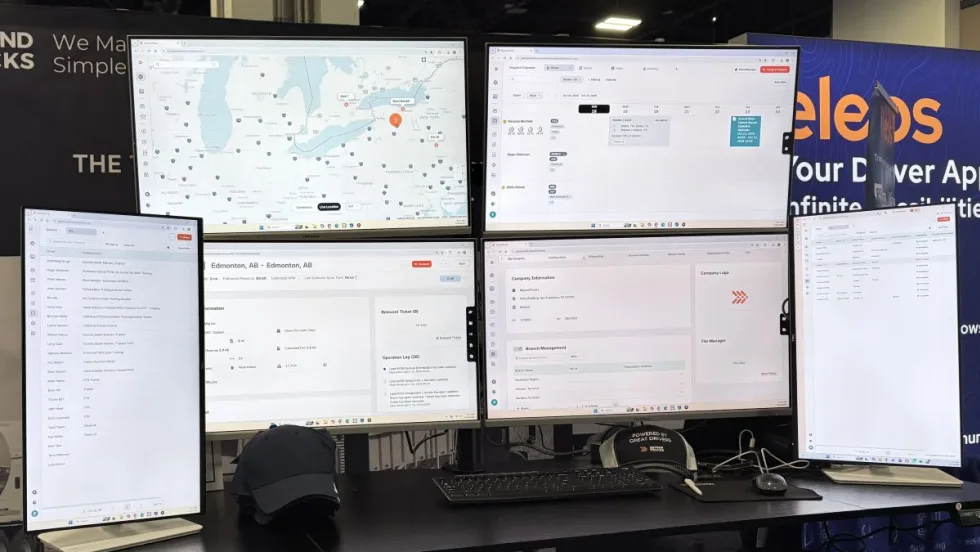
BeyondTrucks Adds Rules Checks to Dispatch
New Compatibility Engine checks driver qualifications, equipment requirements and fleet policies before loads are dispatched.
Read More →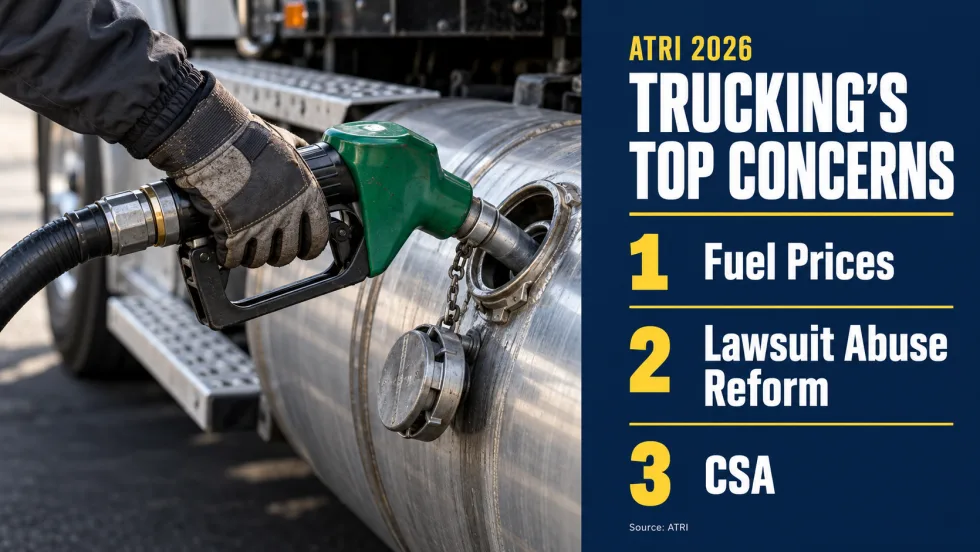
Diesel Prices Hijack Trucking’s Worry List
ATRI’s annual survey finds cautious optimism about freight, but diesel costs, litigation, and insurance continue to squeeze fleets. Drivers have different priorities on several issues.
Read More →
Nomination Deadline Extended for HDT Emerging Leaders
Just a few more days to nominate accomplished trucking fleet professionals under 40 who are making an impact and helping lead the industry forward for the HDT Emerging Leaders award. Deadline extended to October 20!
Read More →
What Will ATA’s New Leader Bring to Trucking's Table?
Incoming President and CEO Mark Colson’s record in Alabama offers clues about his priorities and approach following Chris Spear’s abrupt departure as the head of the American Trucking Associations.
Read More →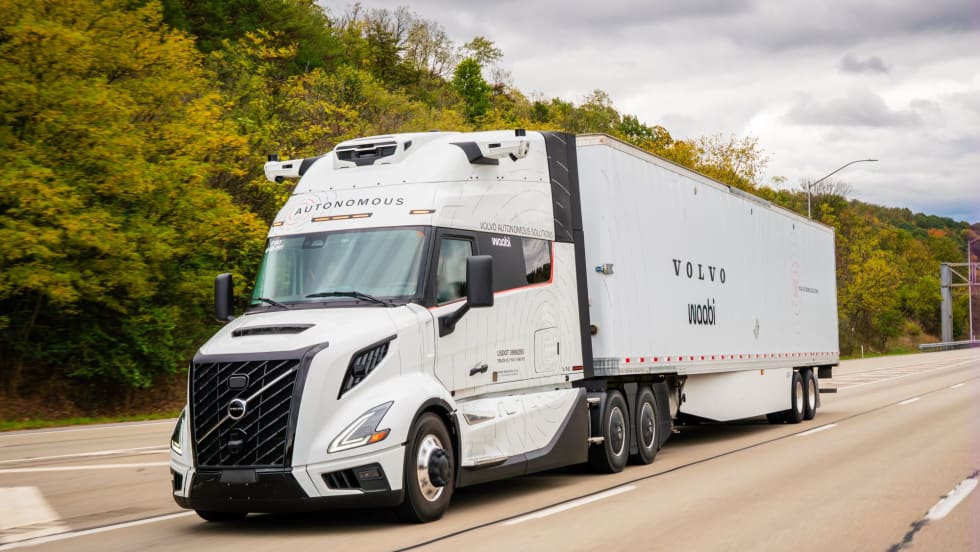
Volvo, Waabi Start Commercial Autonomous Operations in Texas
Volvo VNL Autonomous trucks, powered by the Waabi Driver, are hauling freight directly to third-party facilities for a customer in Texas.
Read More →
Samsara Launches Custom AI Agent Builder
Agent Studio lets fleets create AI tools for hours-of-service monitoring, reporting and driver support, including agents that communicate by phone.
Read More →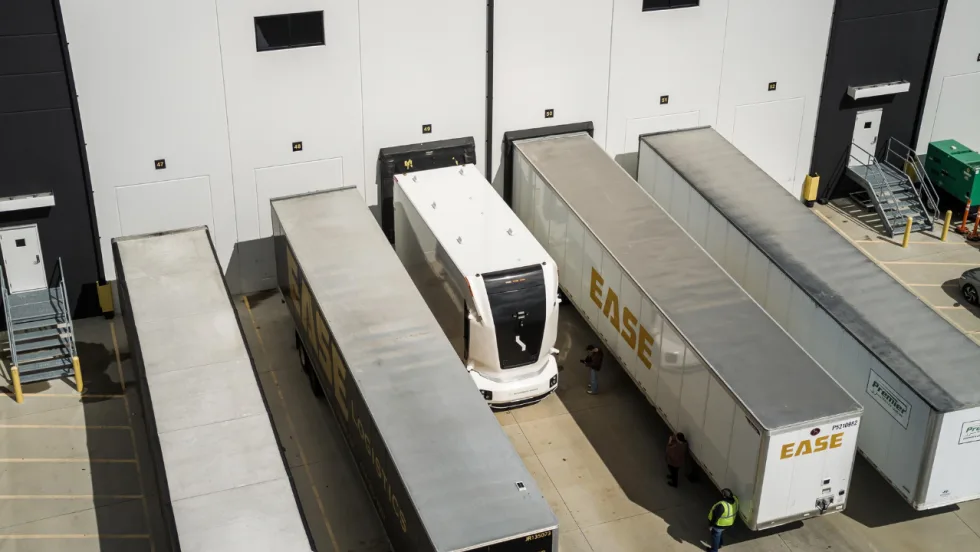
Einride Driverless Electric Trucks Begin Daily Freight Operations in Ohio
Two cabless electric trucks are hauling freight between EASE Logistics facilities in Marysville, Ohio, as part of a multi-state truck automation project.
Read More →
Geotab Links Fleet Card to Vehicle Data
The new card combines fuel discounts with telematics-based purchase controls. Geotab’s analysis also points to potential savings from choosing lower-priced fuel stops.
Read More →
How MFA Helps Protect Trucking Fleets
Multi-factor authentication adds protection when passwords are stolen. Here’s how it works and where fleets should start.
Read More →