




Q&A: Kwik Trip's Joel Hirschboeck
Joel Hirschboeck, the superintendent of commercial and alternative fuels at fueling station chain Kwik Trip, will speak at this year’s Green Fleet Conference & Expo on the fueling station's experience with CNG.

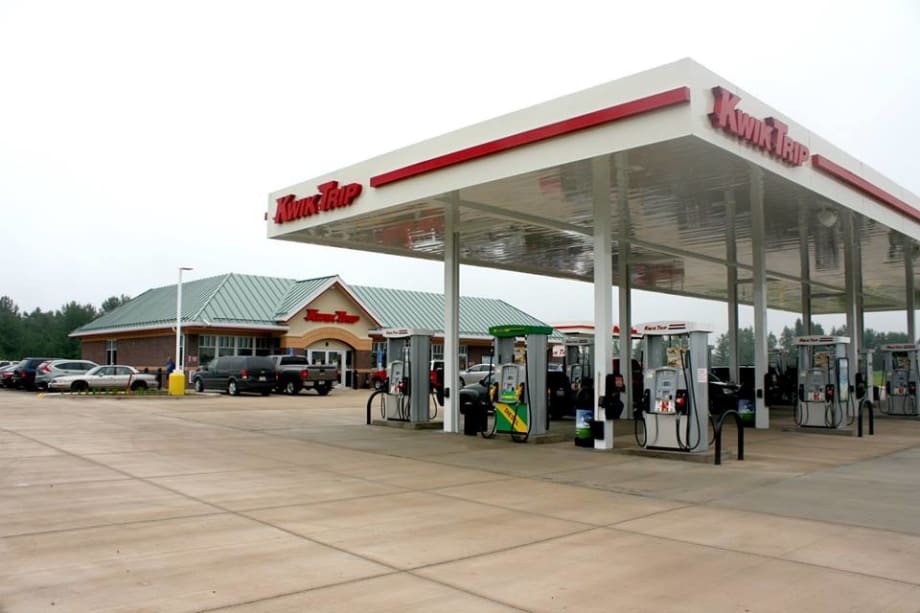
Photo via Kwik Trip

Joel Hirschboeck, Superintendent of Commercial and Alternative Fuels at Kwik Trip. Photo via Kiwk Trip.
Joel Hirschboeck is the superintendent of commercial and alternative fuels at Kwik Trip, a convenience store and fueling station chain in the Midwest. He started his career working in transportation logistics before joining Kwik Trip in 2010.
In 2012, Kwik Trip tasked him with exploring natural gas as an option for its own fleet and for sale at its store locations. Hirschboeck will be speaking on a panel called “Natural Gas: Things We Should Have Known Before” at this year’s Green Fleet Conference & Expo running from Oct. 29-30 in Schaumburg, Ill.
Heavy Duty Trucking: How did Kwik Trip first get into natural gas?
Joel Hirschboeck: The distribution division was challenged to take a look at natural gas as an option for our own fleet as well as if it made sense as something to offer at retail. We started down that path of investigating, researching and understanding and it mushroomed from there. It’s now a separate department within the distribution division. Initially it was a little like robbing Peter to pay Paul to keep the department but as a result, now we’re home grown experts.
HDT: What are some of the things you learned as you were studying natural gas as an option?
Hirschboeck: Our biggest challenge was identifying if the existing infrastructure systems today could meet the true needs of a retailer. The typical stations that were out there were often one-off built, specialized or specific for a single customer. If natural gas was at a convenience store it was its own, separate thing and not integrated with the whole store.
We knew that if we were going down that path we would have to fully integrate it into our convenience store model and make it seem seamless to our customers. With that you had to look at performance and the look of it. Did the store have to look extremely industrial or could we soften it up to what our typical convenience store would look like?
Going through all of those processes, once we found solutions that we thought were acceptable for our brand, we were able to put the package together, market it and get it out in the field.
HDT: Having done the transition to natural gas for your own fleet and incorporating it into your business, what is the outlook for natural gas?
Hirschboeck: I think it’s extremely positive. You’re constantly seeing new fleets joining and signing up and moving to natural gas across the country. You’re seeing new technologies consistently being created and distributed and new vendors taking on new tasks.
HDT: For a business what’s the most enticing thing about natural gas?
Hirschboeck: I think it’s the future. We’ve made it viable and the infrastructure is robust. At the end of this year we’ll have 32 stations within a three-state footprint. In 20 or 30 years you will continue to see usage of diesel and gasoline decline and alternative fuels will step up. We obviously see CNG as that next one to take shape and take hold.
It’s not going to replace existing traditional fuels today completely but it’s going to be a large percentage of total fuel stock and total fuel use. That’s what we see.
We’ve seen the same thing happen inside our stores with tobacco sales. It’s been a declining market for a while with a really high gross profit attached to it and we obviously needed to replace that. As a result se started to look at foods as an option. So you’re replacing on installed product and developing and replacing it with a new one. It’s the same concept.
People continue to buy more fuel efficient vehicles, government standards continue to increase and those individuals are looking for the alternatives out there. You’re going to continue to see the trend shift in that direction. It’s going to take years before it’s more significant but we’ll be positioned and ready to go for that future.
HDT: You’ll be on a panel at the Green Fleet Conference, and there will be fleet representatives there interested in going into natural gas. What sort of advice would you give a fleet looking to invest in natural gas?
Hirschboeck: My best advice is to look at it with an open mind. Our biggest challenge today with fleets is all the barriers that they perceive are there. I say perceive because a lot of times when you talk through it logically and truthfully with somebody who is knowledgeable, a lot of those barriers start to fade away pretty quickly.
The true barriers that exist today are going to be things like infrastructure availability and how your business operates within that. Another barrier would upfront capital and how does the cash flow work and can your organization absorb the upfront increase in expense but immediately see the payback.
Those are the kinds of things that we can showcase. We can lay that out for customers and take in all the variables. Things like maintenance expenses and fuel costs compared to diesel. They’ll ask if there is a time difference in refueling because you’re paying guys by the hour, things like that.
We got called for all of those things and just about every time you’re going to see that the payback and the capabilities are there for natural gas. It’s just about educating individuals so that they fully understand what they’re getting into.
For more information on the Green Fleet Conference click here.
More Fuel Smarts

California Bill Could Shed Light on Electric Truck Prices
Why do battery-electric Class 8 trucks remain so expensive? A California bill headed to Gov. Gavin Newsom would give fleets and state agencies more visibility into what manufacturers charge.
Read More →
Detroit Opens Orders for EPA 2027 Engines
Detroit isn’t starting from scratch to meet EPA 2027 diesel emissions standards. Its Gen 6 DD13 and DD15 engines keep much of today’s platform while updating the fuel and aftertreatment systems.
Read More →
Zero-Emission Truck Corridor Planned for West Coast
California, Oregon, Washington, British Columbia and Baja California are coordinating plans for truck charging and hydrogen fueling from Canada to Mexico.
Read More →
A Closer Look at Kenworth’s Electric T880E Vocational Truck [Video]
Learn more about Kenworth's T880E battery-electric vocational truck at the Paccar Technical Center, including its range, applications, upfitting considerations, and PTO options, in this HDT Spotlight video.
Read More →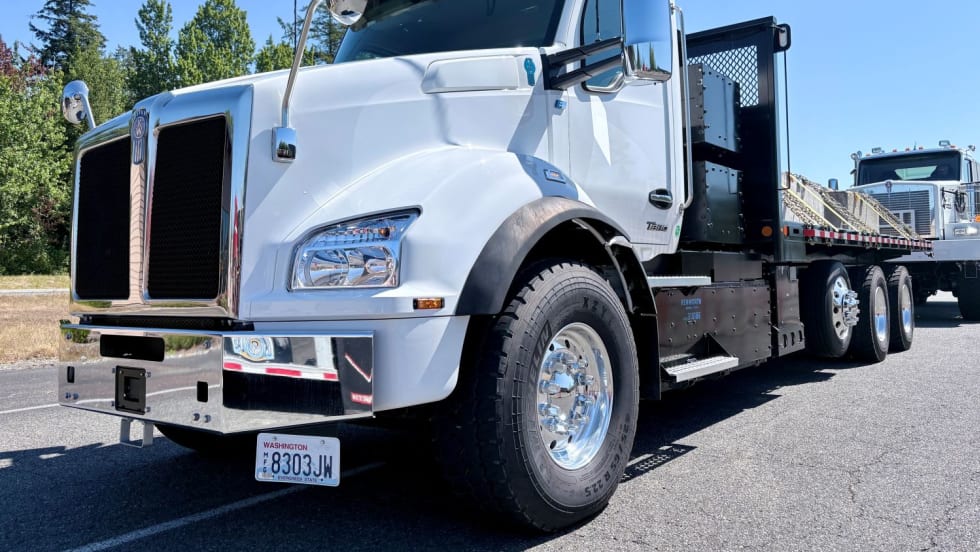
Kenworth T880E Brings EV Power to Vocational Trucks
A closer look at the Kenworth T880E’s range, charging, powertrain and upfit options — and where fleets are showing the most interest.
Read More →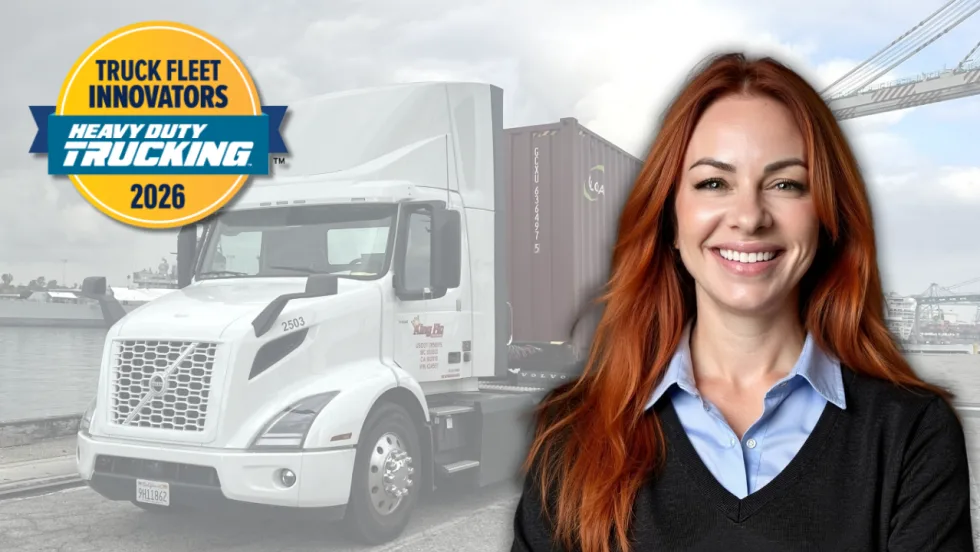
Jennie Abarca Is Proving Electric Trucks Can Do the Job
HDT Truck Fleet Innovator Jennie Abarca is building confidence in fleet electrification one load at a time while openly sharing the challenges she encounters along the way as a small-fleet owner.
Read More →
Cummins Adjusts 2027 Engine Rollout After EPA Proposal
The engine maker will gradually introduce its new Model Year 2027 diesel engines while continuing to offer current models during the transition, citing the EPA's proposed emissions rule changes.
Read More →
EPA Proposal Could Ease 2027 Truck Costs and Buying Uncertainty
The proposal doesn't change the tougher NOx standard, but it would revise key implementation requirements that manufacturers say have driven up costs and complicated fleet purchasing decisions.
Read More →
Cummins, Paccar Ease DEF Derates After EPA Guidance
Updated diesel engine software gives truck operators more time to address emissions-system issues while staying compliant with EPA emissions standards.
Read More →
Maintenance in the Messy Middle Part 3: Biodiesel
Biodiesel can reduce emissions, improve fuel-system lubricity and use existing diesel infrastructure. But NACFE’s Messy Middle maintenance report says fleets must actively manage storage, cold-weather operation, filters and oil drain intervals to avoid problems.
Read More →