




Q&A: David Wangler, President, TMW Systems
In a time of rapid industry change, what trends are driving fleet technology needs and use? TMW Systems President David Wangler talks to HDT about these trends in this Q&A.


TMW Systems President, David Wangler

TMW Systems President, David Wangler
TWM Systems is a leading provider of trucking management software and is part of Trimble’s transportation and logistics group, which also includes PeopleNet, ALK Technologies and other transportation segment technology vendors.
In a question-and-answer session with Heavy Duty Trucking, TMW Systems President David Wangler discussed trends within the industry.
HDT: You’ve spoken before about a “blurring of the lines” in terms of the traditional segments such as for-hire, private, 3PL, brokerage, etc., within the trucking industry. Can you talk a bit more about that and what challenges this changing landscape creates for fleets and technology providers such as TMW? How about in terms of truckload vs. LTL? Have you seen a blurring of the lines there as well in recent years?
Wangler: Diversification of business models and operations types continues at all levels of the market and in all sizes of companies. This is having implications for both fleet technology and software technology providers because of the distinctly different workflows and asset needs.
We are definitely seeing more truckload companies that now have regional LTL arms and more regional LTLs that are branching out into dedicated carriage or specialized truckload services. If you are a dealer used to promoting day cabs and straight trucks to LTL fleets, this means you might have opportunities to discuss pricier sleeper cabs with the same audience.
In-cab computer and mobile communication providers must be prepared to address not just long-haul driver messaging, but also portable devices with scanners and signature capture to cover the new LTL operations arm. For software providers, the very different rating engines required by LTL and truckload operations now need to co-exist within the same dispatch and customer service systems. Drivers and tractors might float between the long-haul and LTL or dedicated divisions, and the systems that track their availability must support this flexibility.
Fleets and logistics service providers are growing weary of maintaining silos of technology across the organization and see value in standardizing on single-source providers for as many critical systems as they can. This tends to remove integration barriers and also offers the attractive prospect of one provider being responsible for a much broader range of problem resolution. Logistics service providers -- including fleets -- who are looking to achieve this level of versatility might bypass many smaller providers who are more niche-focused.
HDT: During an interview on Trimble’s investment in 3GTMS, you mentioned the deal was a little different than recent deals – with Trimble taking an equity stake as opposed to acquiring the target company outright. Can you talk a bit more about that? What it means for your customers and 3GTMS’s customers?
Wangler: The transportation technology space is evolving quickly to follow the widening diversification and breakdown of barriers in the marketplace. Moving forward with investments to build strategic partnerships supports faster speed to market for joint solution delivery while preserving the participants' autonomy for a much longer period. Rather than cementing a relationship with a complete change in ownership, which can take much longer to conclude, you’re in effect "going steady" for a while to learn each other’s strengths and weaknesses and gain the benefits of a strong association as quickly as possible.
This approach gives larger, established companies a strong foothold in partnering with newer, smaller companies that are bringing emerging technology to the marketplace. The smaller companies retain their nimbleness, entrepreneurial zeal and creativity while gaining more solid backing and access to established sales channels. The larger companies can build and expand their network of relationships more quickly and flexibly than through outright acquisition, which helps keep them responsive to developing needs in the dynamic marketplace.
HDT: We’ve talked about the industry’s segmentation, but there is also quite a bit of variety in the size of trucking companies – some very large carriers, a fair number of mid-sized carriers and a lot of small operations. How can technology help these smaller carriers compete in the age of big data and business analytics?
Wangler: The Internet has made it possible for a retailer with no brick-and-mortar store locations to compete aggressively with established players in regional and geographic markets who are saddled with pricey real estate for their conventional stores.
The rise of brokers and transportation intermediaries with no trucks at all, such as C.H. Robinson, is largely due to leveraging information technology with an asset-light mindset. Online load boards create a "virtual" fleet that can dramatically alter size, so a logistics service provider with a strong shipper customer base can expand or contract capacity as quickly as needed to match their customer’s needs and their own business growth objectives.
Smaller carriers that are plugged in to online logistics networks gain sales and marketing exposure from the intermediaries while keeping their overhead low. Fleets can also project a much larger image to their own direct customers by leveraging the capacity of partner carriers or other fleets through load boards.
The key to success on both ends is the speedy availability of information. Decisions by shippers aren’t made a day or a week in advance; the person on the phone wants to know immediately if you have a truck available and what it will cost them. Only information technology and connected systems can provide smaller carriers with the same response time to that inquiry as the very largest fleet.
Big Data and business analytics are somewhat less important to the smaller carrier because the volume of transactional information they process is so much lower than in a larger company. Speed and connectivity are probably a bigger advantage to the small fleet than the very largest, but the large fleets must exploit analytics and data mining to drive costs out of their operations, increase asset utilization and optimize their business mix for greater profitability.
HDT: Has the proliferation of mobile devices and applications made things easier for small fleets in terms of the previous question?
Wangler: Absolutely. The costs of mobile technology and business software capability have come down so much in recent years, notably with the rise of SaaS or cloud-based services, that small fleets can deploy very sophisticated technology very quickly and affordably, so long as they can make use of standardized systems and aren’t looking to customize capability for particular needs.
HDT: When talking with fleet customers, what are the top business problems/challenges they want to address via investment in trucking/fleet management software and other systems?
Wangler: Visibility across all of their operations from inside a single system is a goal driving many companies to work with TMW today. Flexibility in growing different parts of their business in response to rapidly developing opportunities is leading the interest in flexible, integrated technologies that combine the best of asset- and non-asset-based business capability.
No one is quite sure what the future holds for this industry. A business technology platform that lets companies pivot quickly and emphasize growth in one area while holding steady in another, or, better yet, leveraging all their business capability dynamically to redeploy capacity and sales focus where it can generate the best returns, is one of the best investments business owners can make in this environment.
HDT: Where does customer service fit on that list and how does technology help?
Wangler: Speed and visibility distinguish customer expectations today. Self-service track-and-trace, online order placement, instant notification of service exceptions or potential disruptions -- these are now basic requirements from most shippers when dealing with transportation service providers. Strong relationships and personal connections are no longer a guarantee of continued business opportunity. Alignment with a customer’s business needs and strategic market goals makes those relationships much stickier in the face of pricing competition.
We’re actually seeing a growth in the importance of personal service and connections with a fleet’s driver community, bringing driver managers or dispatchers, and even carrier management, into closer communication and engagement with their driver population.
HDT: Do you see a time when cloud-based computing/applications replace on-premise systems within the trucking industry?
Wangler: I don’t think it’s the case where one approach to accessing technology will totally replace a previous one. Like in many other markets, it’s obvious there are segments in the trucking industry where cloud-based computing and streamlined mobile apps are probably exactly what is needed, while in other segments the complexity of business or security needs, or the volume of transactions, calls for the greater horsepower and flexibility of on-premise systems.
The proliferation of options all along that range of cost, complexity and availability means that more technology is available to more carriers, more affordably than ever before, and it makes connecting them to leverage available capacity and squeeze out market inefficiencies a realistic and attainable goal.
More Fleet Management

Geotab Links Fleet Card to Vehicle Data
The new card combines fuel discounts with telematics-based purchase controls. Geotab’s analysis also points to potential savings from choosing lower-priced fuel stops.
Read More →
How MFA Helps Protect Trucking Fleets
Multi-factor authentication adds protection when passwords are stolen. Here’s how it works and where fleets should start.
Read More →
How Better Freight Data Helps Trucking Teams Get Ahead of Disruption
Trucking and logistics teams have plenty of data. The problem is getting the right information in front of the right people soon enough to act. Better-connected data can help teams spot trouble earlier and make smarter decisions before small problems become big ones.
Read More →

Trimble: Taking Artificial Intelligence in Trucking Beyond Faster Tasks
At Insight 2026, Trimble executives argued that fleets may need to redesign workflows to get more from AI as it introduced new products and enhancements. AI’s value will depend on how fleets combine automation with their people's knowledge.
Read More →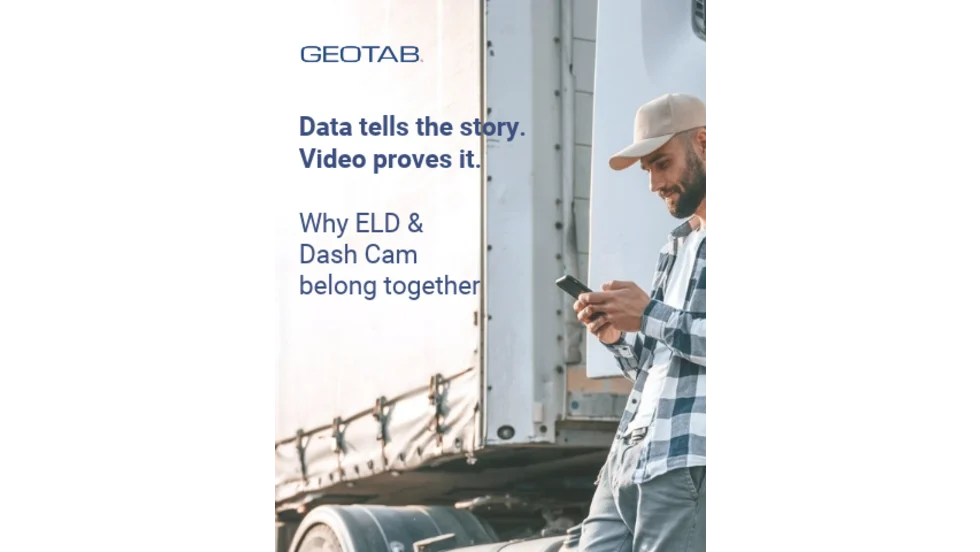
Build a bulletproof fleet: Uniting ELDs and dash cams for total compliance
An ELD can prove compliance, but it cannot always prove what happened on the road. Discover how uniting accurate ELD data with AI-powered dash cam video can help your fleet strengthen compliance, defend against liability, protect drivers and reduce operational costs.
Read More →
Nominations Open for HDT Emerging Leaders
Heavy Duty Trucking is looking for accomplished trucking fleet professionals under 40 who are making an impact and helping lead the industry forward.
Read More →
Why Private Fleets Are Taking More Freight
Private fleets are putting their own trucks on demanding customers and high-cost lanes as companies seek greater control over service, costs, and capacity.
Read More →
Color Match Smarter: Tools That Restore & Perform
For fleet managers and collision repair professionals keeping heavy-duty trucks on the road, getting the color right the first time isn't just about appearance — it's about efficiency, turnaround time, and bottom-line results. Discover how today's digital color tools are transforming the repair process from guesswork to precision.
Read More →
FMCSA Pauses Biennial-Update Enforcement Amid Motus Transition
Carriers whose updates were due on or after June 1 have more time, while FMCSA works to stabilize its new registration system and warns of phishing sites impersonating its new carrier registration system, Motus.
Read More →
2026 Blueprint for Countering Smarter Supply Chain Theft
Cargo theft is no longer just the cost of doing business. It's a multi-billion-dollar criminal enterprise exploiting vulnerabilities across your fleet, drivers, and supply chain.
Read More →