




Ping! 3 Things You Need to Know About ELDs and Fuel Taxes
A popular selling point for electronic logging devices is that you can use the electronic records for fuel tax reporting. But the record-keeping requirements for hours of service and for IFTA/IRP are vastly different. Here's what you need to know.
by Sandy Johnson, Contributor
April 11, 2017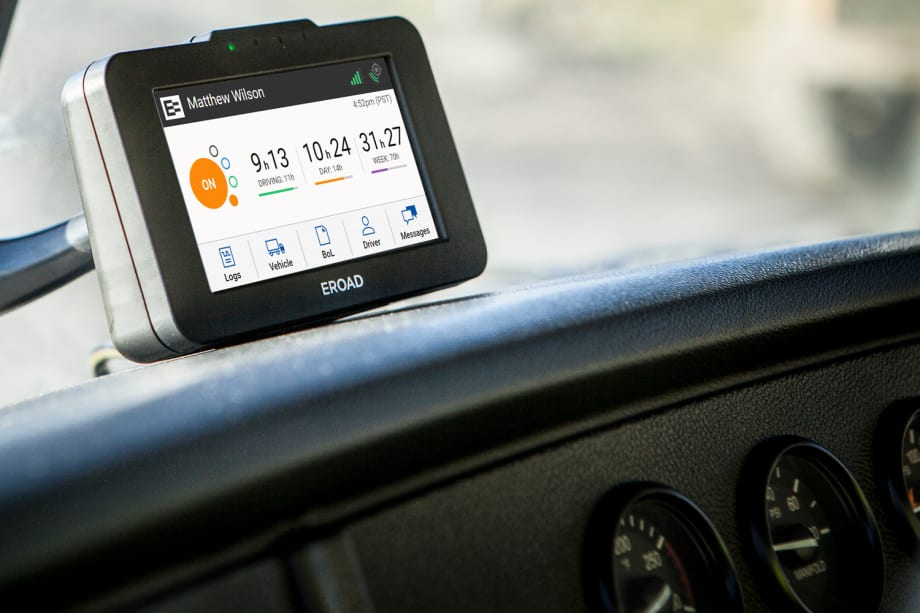
Photo: ERoad
3 min to read

A popular selling point for electronic logging devices is that you can use the electronic records for fuel tax reporting through the International Fuel Tax Agreement (usually just called IFTA) and International Registration Plan (IRP) reporting.
Although this use was not what the ELD mandate was intended for, it can be a helpful tool — but make sure your ELD vendor fully understands IFTA/IRP requirements and the limitations of using GPS data on distance-based tax returns. The record-keeping requirements for hours of service and for IFTA/IRP are vastly different.
Here’s what you should know (that your ELD sales rep may not):
1. Auditors want raw data
By itself, an ELD can’t calculate distance. Its GPS can only record where a device is based on latitude, longitude, date, and time (some systems also gather an odometer reading). You need software to make the distance calculation.
This hardware-software combo is reliable but not perfect. Devices can malfunction. There are places like cities and canyons where signals degrade. And when it comes to software, there is no standard algorithm to turn GPS data into points on a map. One program might put your truck on a side road while another shows it on the highway.
This is why auditors don’t accept distance summaries generated by routing or fleet management software as proof of distance traveled. They want raw GPS “pings” so they can verify for themselves whether your distance reports are correct. Fleets should ask their ELD providers how they will go about providing the raw data you’ll need for an audit.
2. You’ll need five-plus years of pings
In an audit, how easy is it to get access to all that data?
IFTA requires licensees to preserve all records used to create quarterly tax returns and/or annual tax returns for four years from the tax return due date or filing date, whichever is later. IRP requires fleets to preserve records for three years after the close of the registration year. If you also use GPS data for IRP licensing, you’re obligated to keep it for five and a half years. Do you keep these records, or does the ELD vendor? If the latter, how do you access it for an audit?
3. You need all distance
If you operate a heavy truck with IFTA credentials, you’re required to report all distance that vehicle travels, including empty, dead-head, and bobtail miles; personal travel; and even non-taxable miles.
When there are gaps in GPS data, how will you will re-create missing portions of trips? Those paper-based records you’d love to do away with—trip sheets, dispatch records, fuel receipts—will come in handy.
As you pore over the new ELD rules, take time to review how your fleet will manage GPS data and electronic records across all areas of compliance. Start with HOS, but don’t ignore IFTA and other distance-based taxes.
Sandy Johnson has been managing IFTA, IRP, and other fleet taxes for more than 30 years. She operates North Star Fleet Solutions, which provides vehicle tax and license compliance services for trucking operations. This article was authored under the guidance and editorial standards of HDT's editors to provide useful information to our readers.
Subscribe to Our Newsletter
More Fuel Smarts

Jennie Abarca Is Proving Electric Trucks Can Do the Job
HDT Truck Fleet Innovator Jennie Abarca is building confidence in fleet electrification one load at a time while openly sharing the challenges she encounters along the way as a small-fleet owner.
Read More →
Cummins Adjusts 2027 Engine Rollout After EPA Proposal
The engine maker will gradually introduce its new Model Year 2027 diesel engines while continuing to offer current models during the transition, citing the EPA's proposed emissions rule changes.
Read More →
EPA Proposal Could Ease 2027 Truck Costs and Buying Uncertainty
The proposal doesn't change the tougher NOx standard, but it would revise key implementation requirements that manufacturers say have driven up costs and complicated fleet purchasing decisions.
Read More →
Cummins, Paccar Ease DEF Derates After EPA Guidance
Updated diesel engine software gives truck operators more time to address emissions-system issues while staying compliant with EPA emissions standards.
Read More →
Maintenance in the Messy Middle Part 3: Biodiesel
Biodiesel can reduce emissions, improve fuel-system lubricity and use existing diesel infrastructure. But NACFE’s Messy Middle maintenance report says fleets must actively manage storage, cold-weather operation, filters and oil drain intervals to avoid problems.
Read More →
Enhance Fleet Performance with High-Efficiency Auxiliary Power Units
Drive sustainable cost savings while increasing driver comfort during short- and long-haul logistics operations.
Read More →
Maintenance in the ‘Messy Middle’ Part 2: Renewable Diesel Fuel
NACFE's latest Messy Middle Powertrain Service & Maintenance report says renewable diesel gives fleets an opportunity to reduce carbon emissions without changing trucks, fueling infrastructure or maintenance practices. But technicians still need to understand several important operational differences.
Read More →
The Diesel Engine Enters NACFE’s ‘Messy Middle’
NACFE’s new Messy Middle Powertrain Service & Maintenance report says keeping modern diesel engines running now depends as much on software, diagnostics and data as traditional mechanical service.
Read More →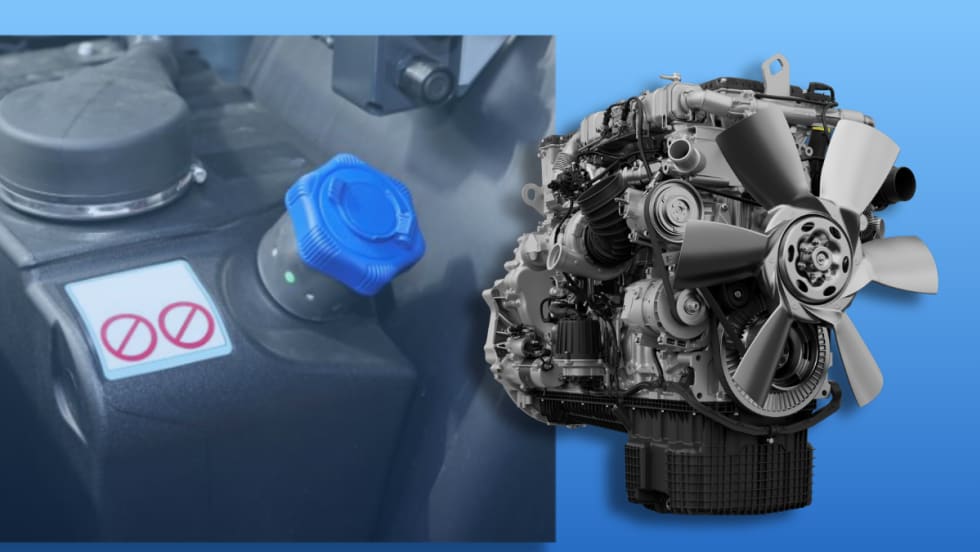
DTNA Software Update Gives Truckers More Time Before DEF Derates Take Effect
The changes reflect EPA guidance aimed at reducing downtime caused by emissions-system faults while maintaining compliance requirements.
Read More →
New Agentic Predictive Maintenance Report Demonstrates How Degraded Aftertreatment Systems Waste Fuel
Questar analyzed a large mixed-class fleet and discovered it was wasting as much as $30 in fuel per vehicle, per day, because of mechanically degraded aftertreatment systems.
Read More →