




Related: Driving on Kilowatts
PG&E Electrifies Its Sustainability Efforts
PG&E has proposed the building of 25,000 public EV chargers throughout California. Along with San Diego Gas & Electric and Southern California Edison, it is waiting for approval from the California Public Utilities Commission.
by Staff
September 28, 2015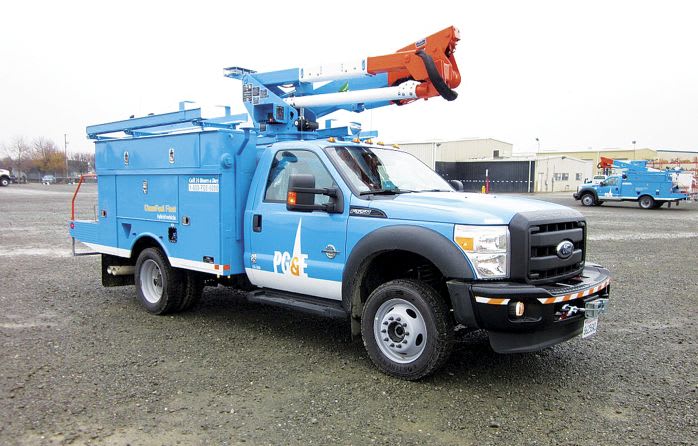
Photo: PG&E
3 min to read
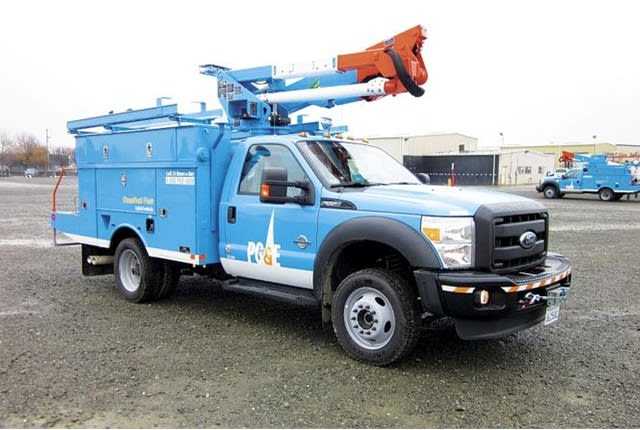
Photo: PG&E
San Francisco-based energy provider Pacific Gas and Electric Company (PG&E) has approximately 3,400 alternative-fuel vehicles — around 1,500 biodiesel, 800 natural gas, and 1,100 electric-based (hybrid, plug-in hybrid, or battery electric).
According to Dave Meisel, PG&E’s senior director of transportation and aviation services, when analyzing alternative fuels, he takes four considerations into account: if it fits the need of the business, if there are durability or reliability issues with the product, emissions, and total cost of ownership.
“We always look to be practical,” Meisel said.
One area of sustainability that PG&E has focused on is the expansion and implementation of EV charging infrastructure in California.
PG&E has proposed the building of 25,000 public EV chargers throughout California. Along with San Diego Gas & Electric and Southern California Edison, it is waiting for approval from the California Public Utilities Commission to install the charging infrastructure, although approval is expected, according to Meisel.
“It’s hard to sell the vehicles without the infrastructure. It’s hard to pay for infrastructure when there are no vehicles. So, it is a vicious circle. But, I think the utilities and the commission have figured out that, before you can ask people to buy vehicles, you have to be able to fuel them. Investing in the infrastructure is what all the utilities are requesting now,” Meisel said.
The company is also leading by example, by increasing EV charging infrastructure for its workforce. PG&E is committing $3 million per year over the next three years to install employee charging infrastructure.
“We started putting in electric vehicle infrastructure for our employees and our company cars and made it dual-purpose. We’ve seen our independent charging sessions improve from about 600 a day one year ago to almost 2,500 today,” he said.
According to Meisel, this achievement is due to an increase in both the number of vehicles with electric technology and the number of charging stations PG&E owns.
In addition, PG&E released its Class 5 plug-in hybrid-electric bucket truck in the fall of 2014, which the company developed in partnership with Efficient Drivetrains Incorporated (EDI). The truck features up to 40 miles of all-electric range, along with a next-generation electric power take-off system that allows crews to operate the bucket and auxiliary systems without having to idle the engine, reducing emissions and noise.
“We took our shaft-driven PTO and made it electric. Now, our hydraulic system runs off of an electric pump as opposed to a shaft-driven pump. We also put electric heat and air conditioning in the cab and ran the lighting and tool circuit off a battery. We’ve taken idling from four to six hours a day to basically zero,” Meisel said.
The truck also offers up to 120 kilowatts of exportable power — enough to power a neighborhood while electric crews make repairs.
Ultimately, for PG&E, the use of electric-based vehicles in its fleet is a no-brainer.
“We believe electric transportation is the right thing, not only for the environment, but for our country. And, electricity, particularly in California, is incredibly clean from a generating mode. So, we like to say we like the idea of producing clean energy to drive clean transportation,” Meisel said.
Subscribe to Our Newsletter
More Fuel Smarts

How Volvo Updated Its D13 for EPA 2027 [Watch]
Volvo’s updated D13 promises lower emissions without sacrificing performance or fuel economy. Take a closer look at what changed inside the engine in this HDT Spotlight video.
Read More →
Diesel Price Spike Shortens Payback for Natural Gas Trucks, Report Says
Energy Vision estimates fleets could recover the higher purchase price of an RNG-fueled Class 8 tractor in 1.3 to 2.8 years under current fuel-price scenarios.
Read More →
Calstart Becomes Catalyst Mobility, Reflecting Broader Focus
Calstart is now Catalyst Mobility, reflecting the nonprofit’s growing national role in clean transportation, including zero-emission trucks, infrastructure and incentive programs.
Read More →

Record Diesel Prices Squeeze Trucking Fleets
Average U.S. diesel prices have climbed to nearly $6 a gallon, surpassing the 2022 record as tight refinery capacity and Middle East disruptions keep fuel costs elevated.
Read More →
Sponsored•September 9, 2026
How Fuel Delivery Shapes Engine Performance
Fuel delivery depends on more than what happens at the injector. For fleet, maintenance and technical professionals, looking at the full path from pump to injector can provide useful context for understanding engine performance.
Read More →
East Coast Port Launches $45M Electric Truck Push
The Port Authority of New York and New Jersey announced millions in incentives for zero-emission drayage trucks, yard tractors, and new charging hubs near the port.
Read More →
California Bill Could Shed Light on Electric Truck Prices
Why do battery-electric Class 8 trucks remain so expensive? A California bill headed to Gov. Gavin Newsom would give fleets and state agencies more visibility into what manufacturers charge.
Read More →
Detroit Opens Orders for EPA 2027 Engines
Detroit isn’t starting from scratch to meet EPA 2027 diesel emissions standards. Its Gen 6 DD13 and DD15 engines keep much of today’s platform while updating the fuel and aftertreatment systems.
Read More →
Zero-Emission Truck Corridor Planned for West Coast
California, Oregon, Washington, British Columbia and Baja California are coordinating plans for truck charging and hydrogen fueling from Canada to Mexico.
Read More →
A Closer Look at Kenworth’s Electric T880E Vocational Truck [Video]
Learn more about Kenworth's T880E battery-electric vocational truck at the Paccar Technical Center, including its range, applications, upfitting considerations, and PTO options, in this HDT Spotlight video.
Read More →