




Peterbilt Ups Aero Stakes
Big changes to Peterbilt's aero 386 make it more wind-cheating and enhance overall fuel economy
Big changes to Peterbilt's aero 386 make it more wind-cheating and enhance overall fuel economy.
A new aerodynamic package for the sleek Model 386 and its short nose regional counterpart, the 384, has moved the trucks up into head-to-head competition with the best aero competitors, said Peterbilt at a recent ride-and-drive launch.
Proof of the success of the improvements is a major order from Wal-Mart. Citing a 24 percent improvement in aerodynamic drag with a corresponding fuel savings of 12 percent, Peterbilt executives said the world's number one retailer placed the 500-truck order late last year after testing it in its own fleet.
At the launch of the new, sleeker Model 386 and Model 384 - which also feature a new, highly durable and color-fast trim for the interiors - Peterbilt Chief Engineer Landon Sproull said some of the wind-tunnel and computational fluid dynamics-derived features also will be offered on the traditional conventional 389 to significantly enhance that truck's fuel economy performance as well.
The aero improvements were evaluated in thousands of hours of CFD analysis and then refined in the wind tunnel. Sproull said Peterbilt has developed a computerized model from the analysis that has good correlation with wind tunnel results. Verification of the improvements was done at the test track and finally in fleet customer hands, so Peterbilt is confident of the fuel gains, he said.
The base line for the comparison is the Model 386 without a roof fairing, which when pulling a van exposes a significant area of the trailer's headboard to the wind. The newly profiled roof fairing, cab-to-sleeper transition panels, and fairing flares at the rear that are part of the new aero package reduce this enormously. Incremental gains come from a new rounded bumper, redesigned sun visor, and aero mirrors. A flare at the rear of the side skirts keeps air out of the tandems to help air transition smoothly over the tractor and to a van trailer, suitably snugged up behind with a 40- to 44-inch gap.
Inside the cab, a new molding process for the dash trim puts color pigment in the mold rather than just in the surface of the part. The process has been borrowed from BMW and ensures longer life with no loss of appearance quality.
Also enhancing the driver experience, revisions to the heating and ventilation ducting behind this new dash material increase heating and cooling air flow by 20 percent. The result is a cooler cab at high ambient temperatures and clear windows when temperatures drop in winter.
As part of a new marketing effort, Peterbilt has added a showcase area inside the Denton, TX., plant. The manufacturer has prepared a series of exhibits that showcase current and upcoming technologies that differentiate Peterbilt from its competition. The company encourages visits by potential customers as well as current Peterbilt buyers to see trucks being built. While in the plant, visitors can tour the new exhibit area.
On the Road
The 386 is an appealing truck. The cab is narrower than the full-width 387, but many drivers like the more snug feeling and the curbside visibility. Visibility is enhanced by the downward slope of the side windows and the elimination of the quarter windows, and by the slope of the aero hood to make the latest Petes much safer in traffic.
A quick glance around the cab confirms the new trim, though it's not much different from the previous moldings in appearance. The nicely laid-out and modern dash nevertheless has its full complement of gauges and switchgear.
Slipping into gear, I headed out of Peterbilt's Denton-based engineering and manufacturing plant for a short but sweet run down I-35W. This refreshed memories of driving the Model 386 when the truck was new, nearly four years ago.
Under the hood was a Cummins ISX 400 S/T, which is a multi-torque rating. While rated for only 400 horsepower, the 1,550/1,750 pounds-feet of torque got the loaded truck moving smartly away.
Several of the experienced drivers at this ride-and-drive - including our own Tom Berg - commented on the fine shift quality of the 13-speed, even given the very low mileage of the new 386 tractor.
Other features of note were the excellent ride from the taperleaf front and the Peterbilt FlexAir tandem air ride, the latter always a delight for its ability to soak up the bridge-deck bumps on this section of I-35. There is an AirLeaf option for the front axle that may result in an even better ride, though the 386 hardly needs it. (The Model 389 also available during the ride-and-drive had this steer axle suspension, and certainly on that truck it worked extremely well.)
The other feature that impressed was the quietness in the cab, a function of the better control of the air flow, no doubt. In particular, the aero mirrors likely help, since they have none of the exposed bracketry that often sets up a racket just outside the door glass. These mirrors also, through their cowl mounting, helped visibility through the clear, vibration-free mounts and easy adjustment with the view to the rear.
As far as the overall aerodynamic effects of the new package, effects on fuel economy couldn't be estimated. But the fact that Wal-Mart, with aggressive goals for reducing its overall fuel economy over a five-year period, has placed a major order for a bunch of Model 386 Petes after fleet economy testing speaks volumes for the improvements wrought by the changes.
From the May 2009 issue of Heavy Duty Trucking.
More Equipment

Rush, MCT Team Up to Grow Refrigeration Service Network
The joint venture will operate MCT's network of Carrier Transicold dealerships and mobile service locations, with the companies promising greater service capacity and uptime for refrigerated fleets.
Read More →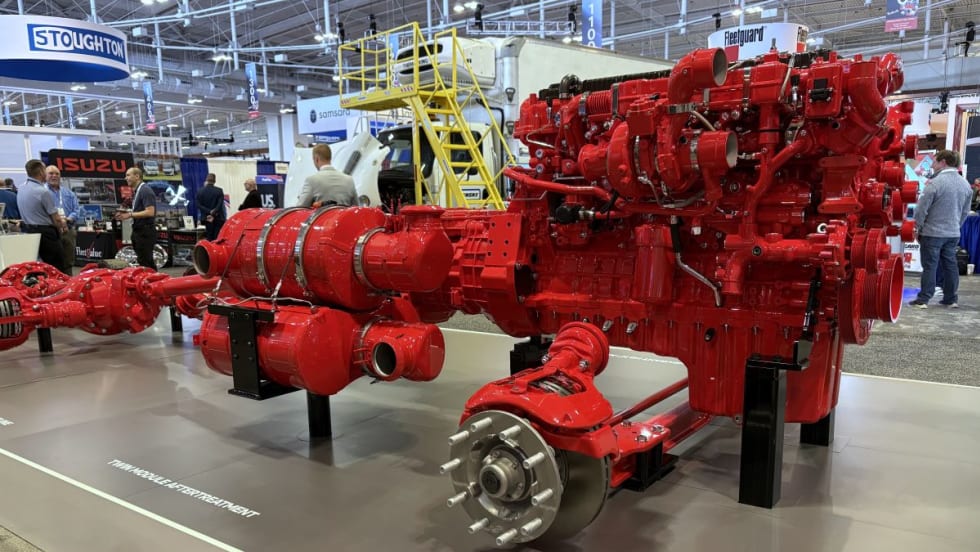
Cummins Adjusts 2027 Engine Rollout After EPA Proposal
The engine maker will gradually introduce its new Model Year 2027 diesel engines while continuing to offer current models during the transition, citing the EPA's proposed emissions rule changes.
Read More →
Aurora Rolls Out Next Generation of Driverless Trucks for Commercial Freight
Aurora's latest autonomous trucks it's rolling out with International feature lower-cost hardware designed for a million miles as the company expands commercial driverless freight operations across the U.S. Sun Belt.
Read More →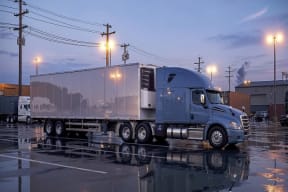
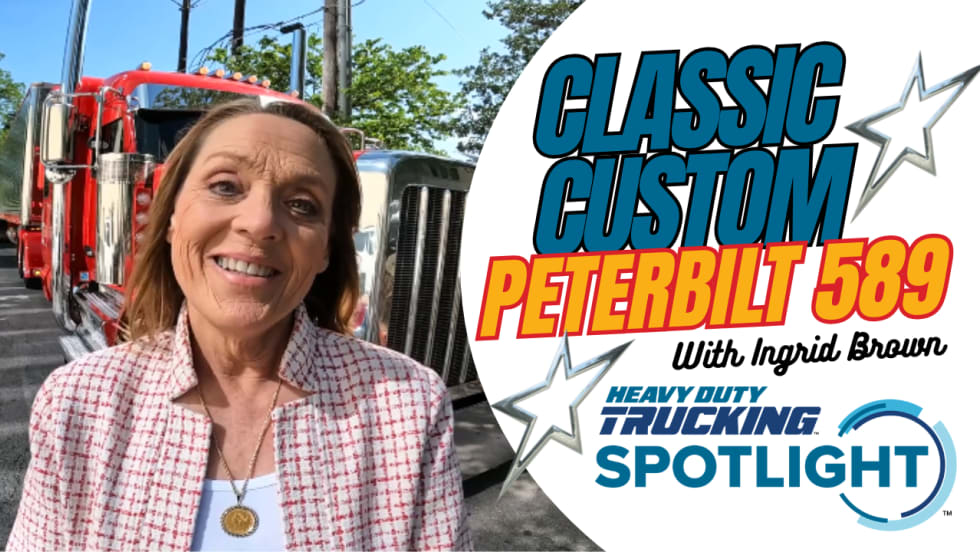
Peterbilt 589 Spotlight: A Close Look at a Custom Working Truck [Video]
There's more to this customized Peterbilt Model 589 and Great Dane refrigerated trailer than chrome and stainless (although there's plenty of that too!) A veteran driver explains the design choices and practical features behind this working truck.
Read More →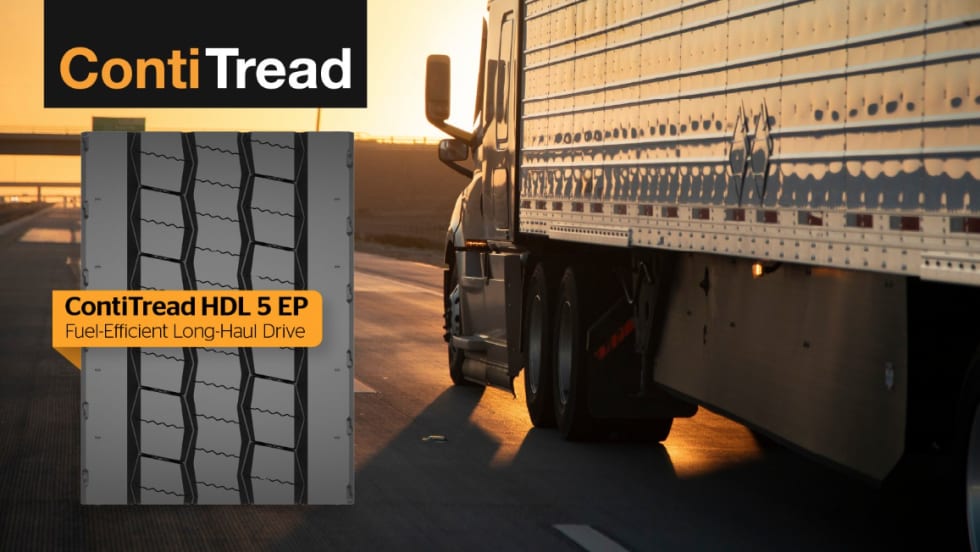
Continental Expands Retread Lineup With New ContiTread HDL 5 EP
New long-haul drive retread is designed to improve fuel efficiency, extend tread life, and lower fleets' cost per mile.
Read More →
EPA Proposal Could Ease 2027 Truck Costs and Buying Uncertainty
The proposal doesn't change the tougher NOx standard, but it would revise key implementation requirements that manufacturers say have driven up costs and complicated fleet purchasing decisions.
Read More →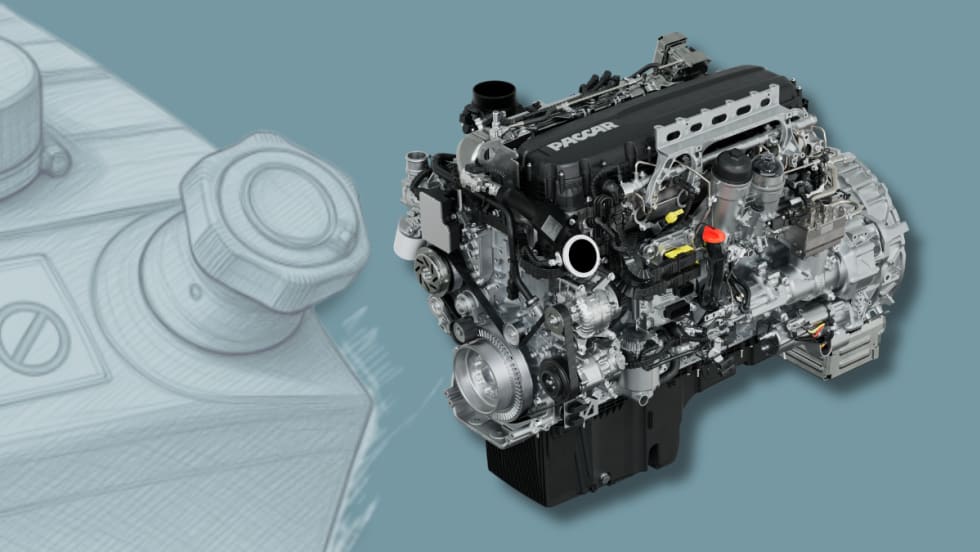
Cummins, Paccar Ease DEF Derates After EPA Guidance
Updated diesel engine software gives truck operators more time to address emissions-system issues while staying compliant with EPA emissions standards.
Read More →
America at 250: How the Truck Helped Connect a Continent
America was founded on revolutionary ideas, but it was built by movement. For 250 years, the nation has depended on ever-better ways to move people, products, and prosperity across a vast continent. No machine has carried that mission further — or more faithfully — than the truck.
Read More →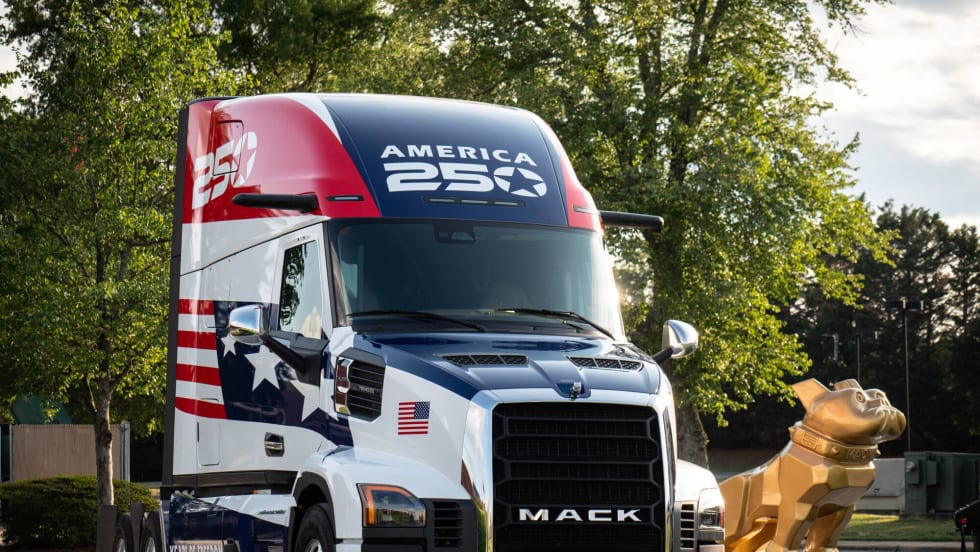
Mack Unveils America 250 Tribute Truck to Celebrate Nation's Semiquincentennial
Just in time for the Fourth of July! Mack unveils a brand-new patriotic, limited-edition, red, white, and blue truck wrap.
Read More →
Enhance Fleet Performance with High-Efficiency Auxiliary Power Units
Drive sustainable cost savings while increasing driver comfort during short- and long-haul logistics operations.
Read More →