




Parked Next Door: A Study in Engine Apps
The other day, a remodeling contractor was working at the next-door neighbors' house and I eyeballed the two trucks that he sent his workers and supplies in

The other day, a remodeling contractor was working at the next-door neighbors' house and I eyeballed the two trucks that he sent his workers and supplies in.
One was an older Mercedes-made Sprinter cab-chassis truck with a box body, and the other was a near-new Nissan Van, an NV-2500 with a high roof.
Here was a study in engine applications, that is, gasoline vs. diesel. Each of the trucks sat for a couple of hours before running off to fetch more supplies. Then they sat for several more hours.
"That's an application for gasoline," I told my wife. She answered, "Hmm?"
But I warmed to the subject. "Really. The trucks are just sitting there. Gasoline makes a lot more sense for something like that."
"Oh. Yes," she said.
The rest stayed in my head: While in motion, the Sprinter's five-cylinder turbodiesel saves quite a bit of fuel, because in mpg terms, Sprinters get into the 20s. But while sitting in the neighbors' driveway, the diesel saved nothing, while its owner, the contractor, was probably still making payments on it because it probably cost about $35,000 to buy.
The NV's gasoline V-6 or V-8 uses more fuel while going down the street, maybe getting 13 to 15 mpg. But every minute it sat around, it was justifying its purchase cost of maybe $27,000 - thousands less than any diesel. I could understand why the contractor chose the Nissan Van, which comes only with gasoline engines, over another diesel Sprinter.
Don't get me wrong. A diesel-powered Sprinter's good fuel economy makes it great for high-mileage applications. But if the job next door is typical of how this remodeler uses his trucks, the Sprinter was surely taking a long time to pay off its higher upfront cost.
Any diesel-powered light or light-medium truck, no matter who makes it, needs high annual miles to justify its $5,000 to $8,000 price premium over a gasoline-powered version. You've got to run at least 25,000 miles a year to make a diesel worthwhile. In other words, you can buy a lot of gas for five or seven or eight grand.
That's especially true today, because gasoline here in central Ohio has just dipped several cents below $3 per gallon -- $2.979 at stations nearby -- while diesel fuel is about $3.879. That makes gasoline seem even smarter. Certainly fuel prices will change soon, and maybe drastically. But since 2008, diesel has stayed higher than gasoline, and sometimes substantially higher.
The heaviest truck you can buy a gasoline engine in is currently Ford's F-650 with the new Triton V-10 option, which costs about $8,300 less than an F-650 with a Cummins ISB, the only other engine offered. That makes me wonder when more builders will offer gasoline engines in heavier trucks.
And I'm gonna look for more driveways with more trucks.
More Equipment

EPA Proposal Could Ease 2027 Truck Costs and Buying Uncertainty
The proposal doesn't change the tougher NOx standard, but it would revise key implementation requirements that manufacturers say have driven up costs and complicated fleet purchasing decisions.
Read More →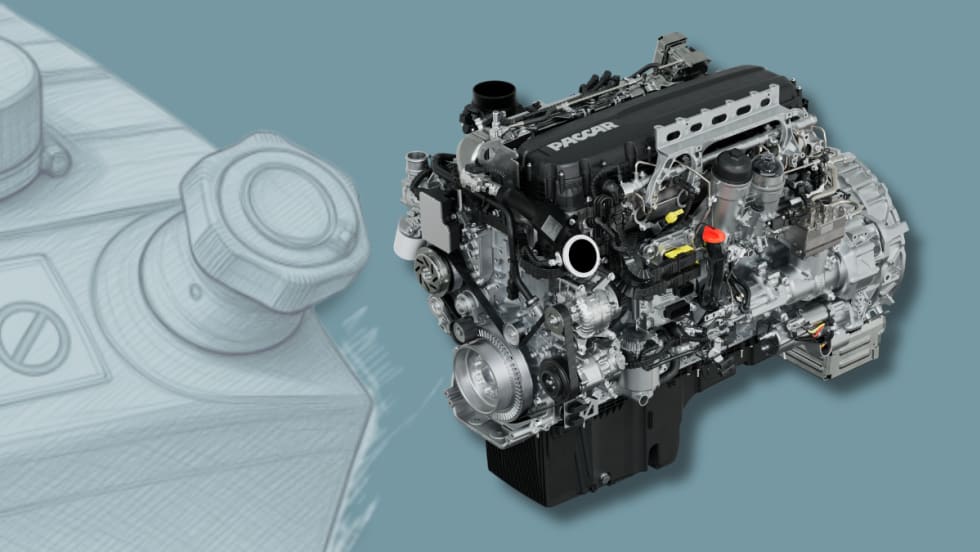
Cummins, Paccar Ease DEF Derates After EPA Guidance
Updated diesel engine software gives truck operators more time to address emissions-system issues while staying compliant with EPA emissions standards.
Read More →
America at 250: How the Truck Helped Connect a Continent
America was founded on revolutionary ideas, but it was built by movement. For 250 years, the nation has depended on ever-better ways to move people, products, and prosperity across a vast continent. No machine has carried that mission further — or more faithfully — than the truck.
Read More →
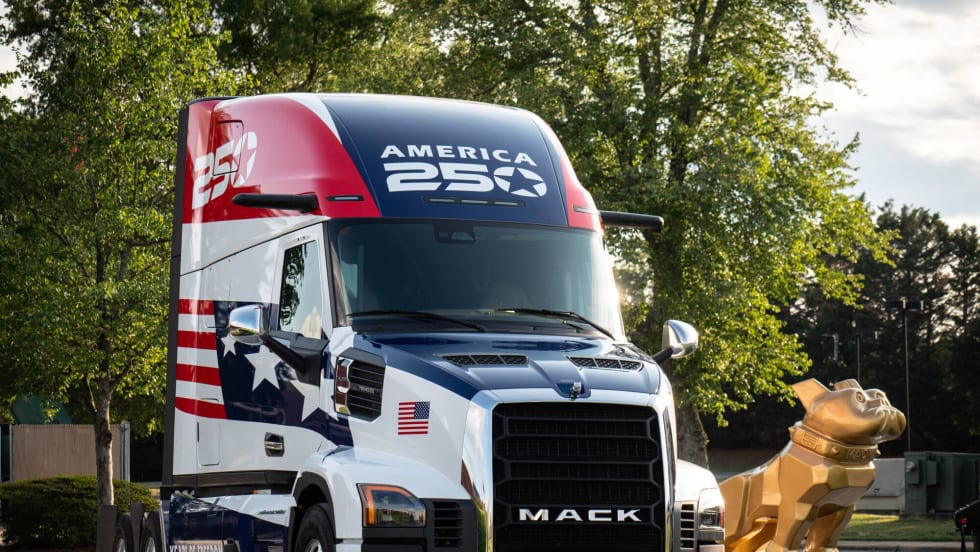
Mack Unveils America 250 Tribute Truck to Celebrate Nation's Semiquincentennial
Just in time for the Fourth of July! Mack unveils a brand-new patriotic, limited-edition, red, white, and blue truck wrap.
Read More →
Enhance Fleet Performance with High-Efficiency Auxiliary Power Units
Drive sustainable cost savings while increasing driver comfort during short- and long-haul logistics operations.
Read More →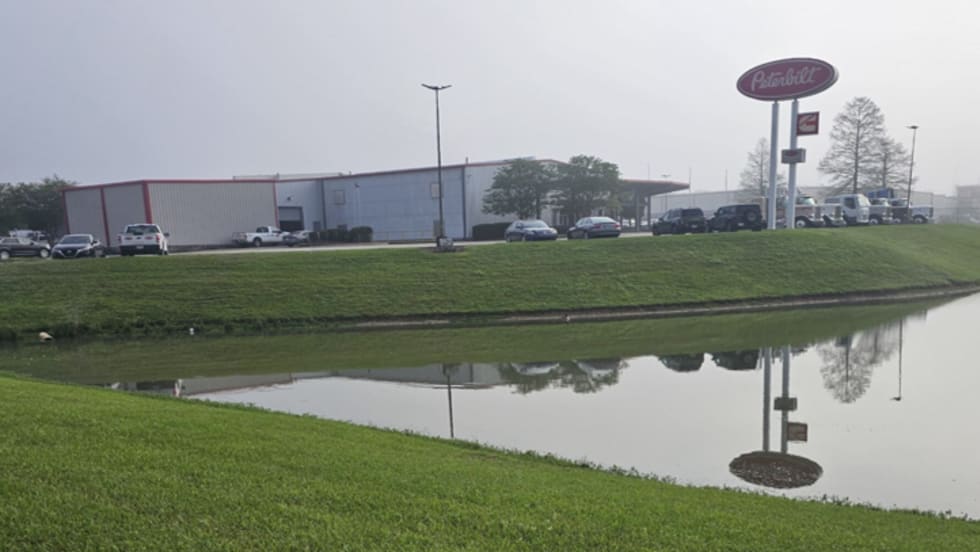
Rush Expands Gulf Coast Peterbilt Network With Louisiana Acquisition
The expanded Rush network gives fleets additional sales, service, leasing and collision repair support across Louisiana's major trucking markets.
Read More →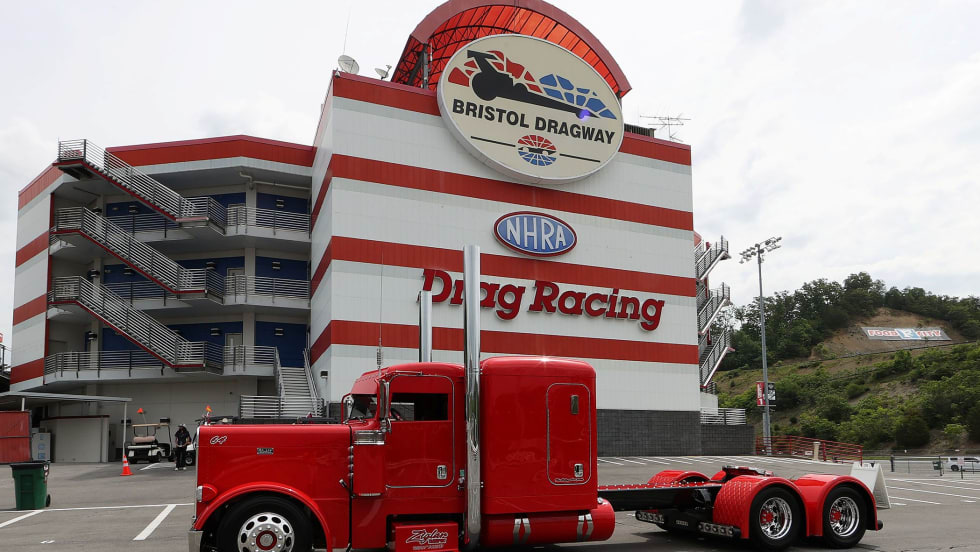
Photos: Shell SuperRigs Light Up Bristol Tennessee
Kenny Ziglar II of Rawlins, Wyo., captured Best of Show honors for the second consecutive year with his 2007 Peterbilt 379, nicknamed “Scrapin By,” at the 44th Annual Shell Rotella SuperRigs competition held June 25-27 at Bristol Motor Speedway in Bristol, Tenn.
Read More →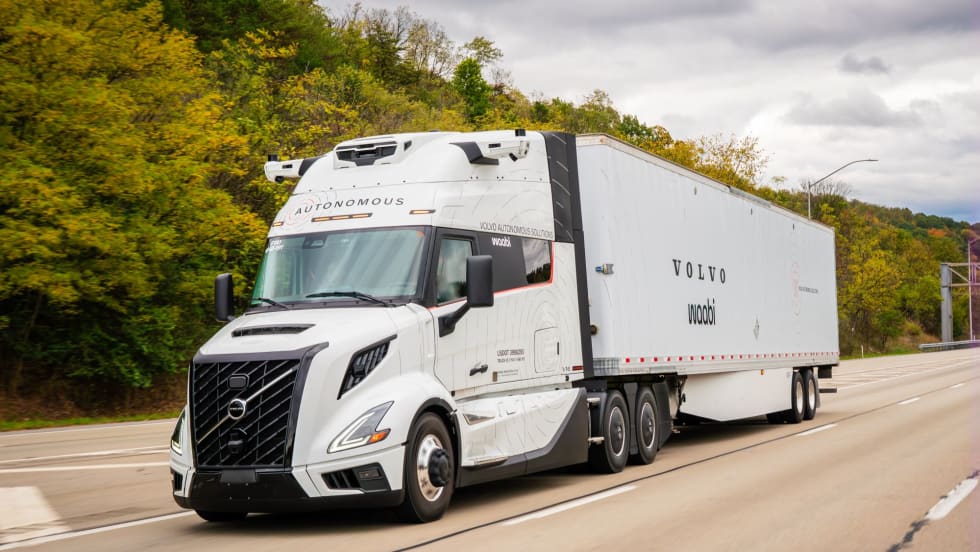
Waabi, Volvo Claim Breakthrough in Scaling Autonomous Trucking
Waabi says its AI-powered virtual driver successfully transferred to Volvo Autonomous Solutions' Volvo VNL Autonomous platform without retraining or additional data, a milestone the companies say could dramatically accelerate commercialization of autonomous trucks.
Read More →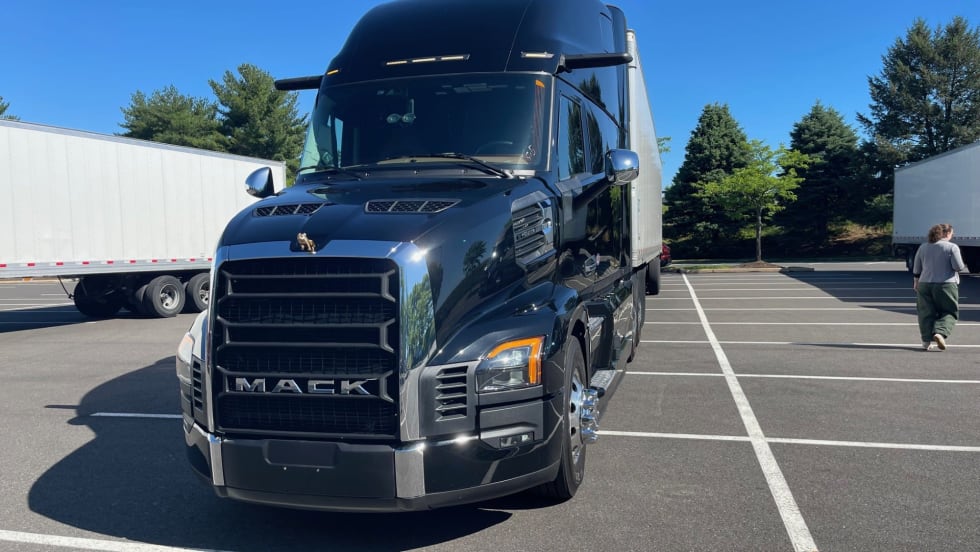
Why the Mack Pioneer Signals a New Era in Class 8 Truck Design
After a public-road drive through eastern Pennsylvania, one thing became clear: Mack's new Pioneer isn't simply packed with technology -- it's been engineered around the driver in ways that could redefine long-haul trucking.
Read More →
Mack Defense Secures $47 Million to Continue Military Dump Truck Production
President Trump visited Mack Defense’s Macungie, Pennsylvania, facility on June 23 to tout a $47 million Heavy Dump Truck order.
Read More →