




Optimism In Belgium Over Fuels
Volvo introduces "carbon-dioxide-free" demonstrator trucks

This column comes from Brussels, Belgium, where I have just been privileged to see Volvo's introduction of "carbon-dioxide-free" demonstrator trucks. In all, the company showcased seven alternative fuels that offer various degrees of practicality and availability. Fuels ranged from biodiesel through land-fill gas to hydrogen-enhanced combustion – the common key being that all are renewable fuels that, in the combustion process, would add nothing to the total carbon dioxide balance in the environment.
The object, said Volvo President and Chief Executive Leif Johansson, is to show that technologies are available to run the diesel engine on a wide variety of alternatives to conventional fossil fuels, pointing to the seven in the demonstration as among the most promising. "As one of the world's largest manufacturers of heavy trucks, diesel engines and buses, the Volvo Group is part of the climate problem," said Johansson. "But environmental issues are one of the areas which we have assigned the very highest priority, and based on our resources and knowledge, we both can and will be part of the solution."
It is now time, he said, for the suppliers and the policymakers to commit research, development dollars and production capabilities to any or all of the fuels. Volvo trucks could be production-ready and available for sale within 24 months.
During technical discussion of the different solutions – all applied to Volvo's 9-liter engine available in Europe – Jan-Eric Sundgren, a member of Volvo group management and senior vice president of Public and Environmental Affairs, said that the diesel is a very efficient energy converter. "It is perfectly suited to many different renewable fuels, liquid or gaseous," he said. "With our know-how in engine technology and our large volumes, we can manufacture engines for several different renewable fuels."
Several of the fuels – the biodiesel, ethanol and landfill gas, for instance – were made from biomass, which is a controversial situation in many parts of the world. Food is being diverted to fuel uses where people are either starving or hit by escalating food prices.
However, said Sundgren, a second generation of renewable fuels produced through gasification can be generated in large volumes from basic carbon compound building blocks unrelated to foodstuffs. And in manufacturing these fuels, the producers are able to offer a greater number of fuels to choose between.
Johansson pointed to the enormous gains that have been made in the efficiency of the diesel engine, improving its fuel economy, in Volvo's case by 37 percent over the last two decades. And there's more to come: Research will see a further 15 percent improvement by 2020. And in areas where hybrids are appropriate, these further savings will be of the order of 25 percent to 35 percent.
The research into carbon-dioxide free fuels is the next step in emissions controls, said Johansson. Diesel tailpipe emissions of PM and NOx become virtually zero in North America in 2010 and in Europe in 2012. But the huge population of trucks means that it will take "several decades" for this cleaner exhaust to manifest itself. But even as it does, "CO2 will increase with total population of CVs increased," said Johansson.
In private conversation, Johansson said that there is a misconception that the United States – because it was not a Kyoto Protocol signatory – was not concerned with CO2 emissions. But in fact, he sees more being done in the U.S. than in many other parts of the world.
The demonstration involved a look at the impacts of the seven different fuels, socially, and economically. And the reports and analysis provide great reading that we'll explore in upcoming issues.
Meanwhile, the presentations and trucks that drove in to the event here in Brussels were a fascinating glimpse at what is not only possible, but highly likely. And not in the long term.
Real alternatives to fossil fuels could be with us and in general transportation use within a few years if only the policymakers can get their biomass together.

More Fleet Management

How Innovative Trucking Leaders Turn Change Into an Advantage
As the pace of change accelerates in trucking, the fleets that adapt best have more than the latest technology. They have cultures that embrace improvement.
Read More →
Freight Broker Bonds Just Got Harder to Get. Here's What That Means for Your Fleet.
When it gets harder for a freight broker to prove they are financially sound, the ones who cannot clear that bar get pushed out of the market. And those are exactly the brokers who used to leave motor carriers holding the bag.
Read More →
Long-Awaited Canadian Border Bridge to Open in Detroit
For trucking, the bridge opening should offer immediate improvements in efficiency and reliability, with new customs facilities, expanded inspection capacity, and direct freeway-to-freeway connections.
Read More →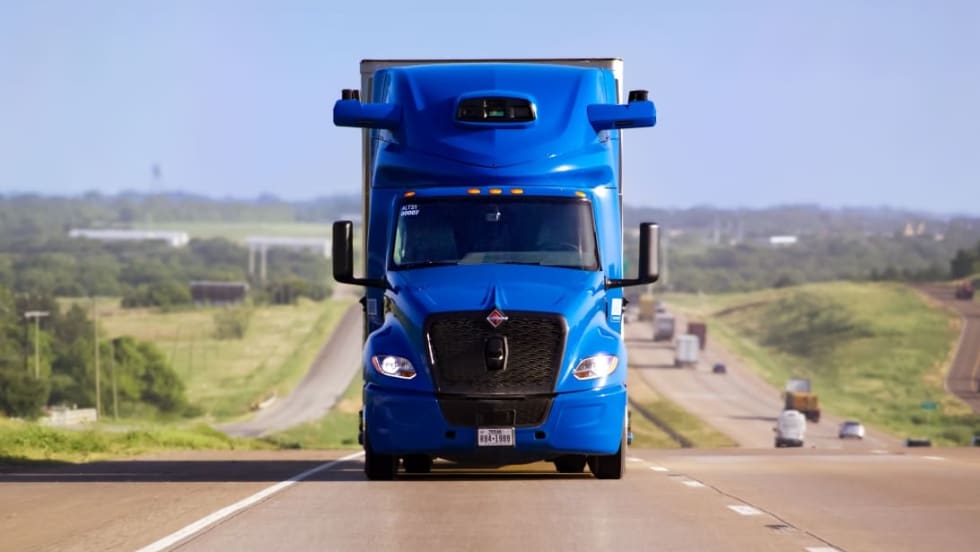
Aurora Rolls Out Next Generation of Driverless Trucks for Commercial Freight
Aurora's latest autonomous trucks it's rolling out with International feature lower-cost hardware designed for a million miles as the company expands commercial driverless freight operations across the U.S. Sun Belt.
Read More →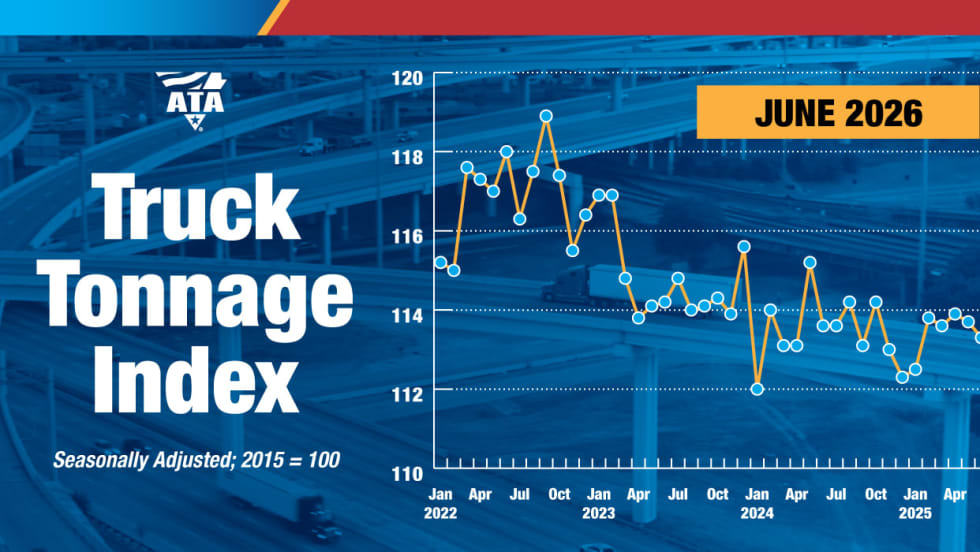
Freight Tonnage Down, Rates up, as Lower Capacity Powers Trucking Recovery
The recovery from the freight recession continues to be driven by reduction in capacity rather than by increased demand.
Read More →
Think Your Trucking Fleet Isn't Using Much AI? Think Again
Shadow AI — the use of unauthorized artificial intelligence tools at work — is becoming increasingly common, putting sensitive company data at risk. Learn how trucking fleets can protect sensitive data while embracing AI.
Read More →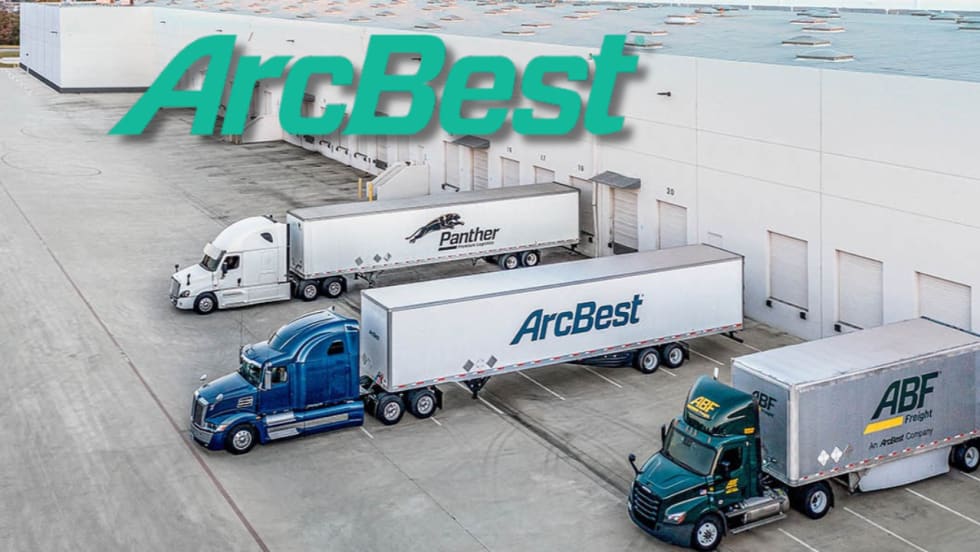
ArcBest Consolidates Brands, Cuts Workforce
The company will bring three business units under the ArcBest brand, eliminate about 2% of positions, and expects the changes to generate $40 million in annual savings.
Read More →
Trucking Fleets Faced Record Operating Costs During Third Year of Freight Recession
ATRI's annual operational cost report shows carriers trimmed fleets, delayed equipment purchases, and ran older trucks as expenses continued to outpace freight rates.
Read More →
Michelin Adds AI Assistant to MyConnectedFleet Platform
Michelin’s new generative AI tool delivers instant fleet insights, helping managers analyze fuel use, tire maintenance, vehicle status, and operational performance without manually creating reports.
Read More →
LytxOne Platform Now Features AI, Compliance, and Asset Tracking Tools
New enhancements add AI-powered insights, asset tracking, compliance automation, and configurable privacy controls to Lytx's all-in-one fleet management platform.
Read More →