




Kenworth's T660 Extended Day Cab
This extended daycab continues an aerodynamic revolution started by KW a quarter-century ago.

Kenworth is aiming for that type of user with a daycab variant of its updated T660 long-haul tractor – the latest iteration of the T600A that arguably started the aerodynamic revolution 26 years ago.
The T660 Day Cab offers many of the same amenities to driver and passenger as the sleeper version – most notably, a feeling of solidness and quality that Kenworth builds into its trucks. For instance, the cab is so tight that you've got to crack open a window to completely close the door. This can get a little annoying, but it implies durability and long life. And the driver has to appreciate how well the vehicle rides, its excellent outward visibility, and its tight turning ability, as we'll see.
The T660 – unveiled last year, but not produced until just recently – has smoother exterior styling than previous generations of the T6 family, and KW says much research and development went into improving the aerodynamics. The truck also has more attractive interior trim and expanded electronic functions and accessories. But its major change is the EPA-'07-spec diesel under the narrow, sloping hood that gave the original T6 of 1985 its "anteater" nickname.
This lime-green daycab, one of the first out of the plant in Renton, Wash., has a 470-horsepower Caterpillar C13, complete with a diesel particulate filter in its exhaust stack and the extra piping needed for Cat's Clean Air Induction system. That's a story that we've repeatedly told as the January deadline for the new engines approached, and suffice it to say, snaking CGI's plumbing from the DPF back to the engine was not a particularly daunting project, according to Ben Vander Griend, assistant chief engineer for powertrain and chassis development. He accompanied me on a brief run on a blustery day out of the Paccar Technical Center, about an hour's drive north of Seattle.
The Cat was linked mechanically and electronically to a 13-speed Eaton Ultrashift automated mechanical transmission. This is a "two-pedal" device with an automatically operated clutch, and it cut out much of the driving work and grabbed the right gears, if not at the right times. The engine revved higher in each gear than it needed to, often going to 1,900 rpm or more; a conscientious driver would upshift much sooner, especially in the lower gears, and I went to Manual mode and repeatedly thumbed the up-arrow switch to prompt sooner shifts and sometimes skip-shifted on downhill stretches. Vander Griend said the transmission's electronic controls can be programmed to effect such behavior, and many owners would have this done.
The T6 has remained popular over the years, and one reason is its ability to shed its sleeper box and start a new life as a city tractor or straight truck of whatever configuration. The opposite can be said of a daycab, Vander Griend observed, saying its windowed rear wall could be removed and replaced with a sleeper box. That's not too likely, because the frame would have to be stretched to accommodate the sleeper, but it illustrates the flexibility of the separate cab-sleeper design of the T and W series compared to the integrated sleeper type, including KW's own T2000.
The W-T cab is also comparatively narrow, putting side windows of any size close to the driver's eyes. As it happens, the T-660 Day Cab's windows, especially the Day Lite glass in the doors, are big, and the view to either side is almost unimpeded. It did not have the rear-quarter windows sometimes found on T-series vocational trucks, but these are optional on the tractor, as well. This one had the Extended Day Cab option, which adds about 5 inches to its length, allowing more seat travel and recline, and several inches of headroom, especially toward the cab's rear.
We pulled a flatbed that was empty – no doubt part of the reason the engine revved freely – but which gave me something to watch in the mirrors as I rounded corners. The trailer also settled down the rear air suspension, a Kenworth AG380 that seemed adept at soaking up bumps, though there really were very few on the route. I liked the front axle's sharp wheel cut that provided a tight turning radius.
There were enough gauges in the dashboard and the interior was nicely paneled and upholstered, making for a nice place to work. In the center of the dash was an information screen that included a navigation system. It traced our route on a colorful electromap, but glare from the rear window made it illegible much of the time. Nav systems are clever, but paper maps and directions obtained by phone and CB radio are a lot cheaper, to my thinking.
Our route was west on Highway 20, then north on Spur 20 to Anacortes, a clean and pleasant-looking harbor town on a bay that leads to the Pacific Ocean. Water abounds in this scenic region, with bays, sounds, rivers and lakes all over. So the drive was pleasant and the KW proved eminently nimble as we made our way through town, then back to the tech center.
I'd have been reluctant to give up the T660 but there were other KWs waiting, because this was a special media day during which colleague Steve Sturgess and I sampled other trucks and tractors.
More Fleet Management
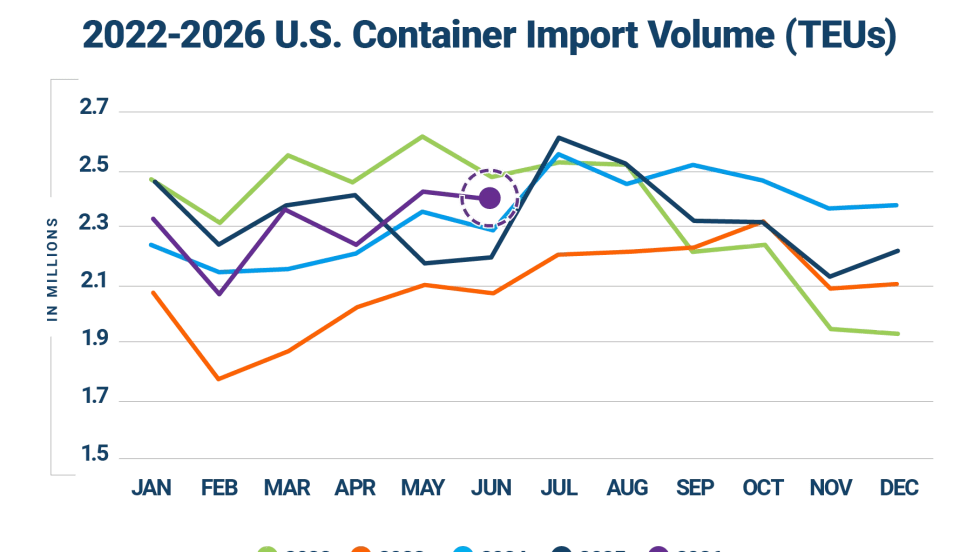
Import Cargo’s Early Peak Season is Winding Down
There was an early start to peak season this year at the nation's gateway ports, as retailers brought in merchandise ahead of tariff changes in late July and responded to other supply chain uncertainties,
Read More →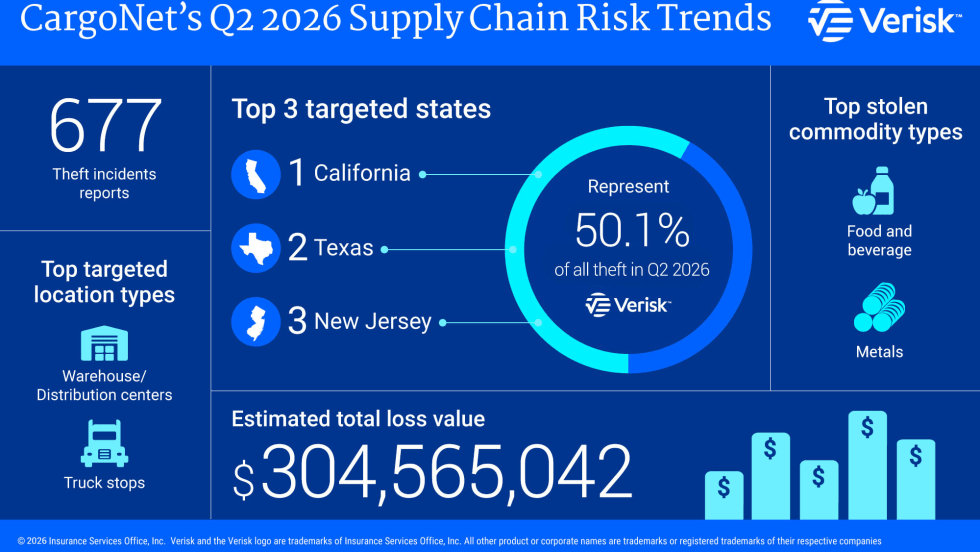
Fewer Cargo Thefts, Bigger Losses: Criminals Target Higher-Value Loads
CargoNet says organized theft rings are stealing fewer shipments but choosing more valuable freight, including metals and technology, resulting in record losses.
Read More →
How Innovative Trucking Leaders Turn Change Into an Advantage
As the pace of change accelerates in trucking, the fleets that adapt best have more than the latest technology. They have cultures that embrace improvement.
Read More →
Freight Broker Bonds Just Got Harder to Get. Here's What That Means for Your Fleet.
When it gets harder for a freight broker to prove they are financially sound, the ones who cannot clear that bar get pushed out of the market. And those are exactly the brokers who used to leave motor carriers holding the bag.
Read More →
Long-Awaited Canadian Border Bridge to Open in Detroit
For trucking, the bridge opening should offer immediate improvements in efficiency and reliability, with new customs facilities, expanded inspection capacity, and direct freeway-to-freeway connections.
Read More →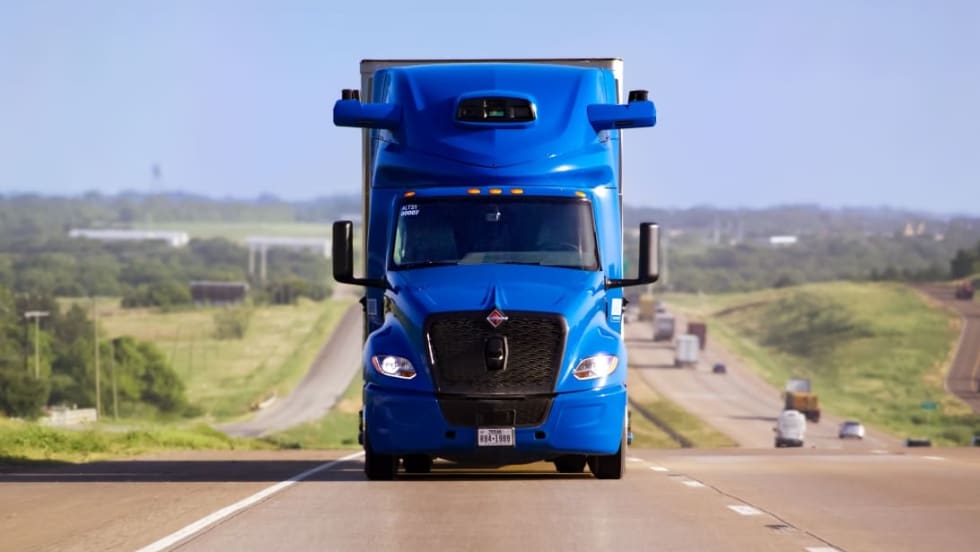
Aurora Rolls Out Next Generation of Driverless Trucks for Commercial Freight
Aurora's latest autonomous trucks it's rolling out with International feature lower-cost hardware designed for a million miles as the company expands commercial driverless freight operations across the U.S. Sun Belt.
Read More →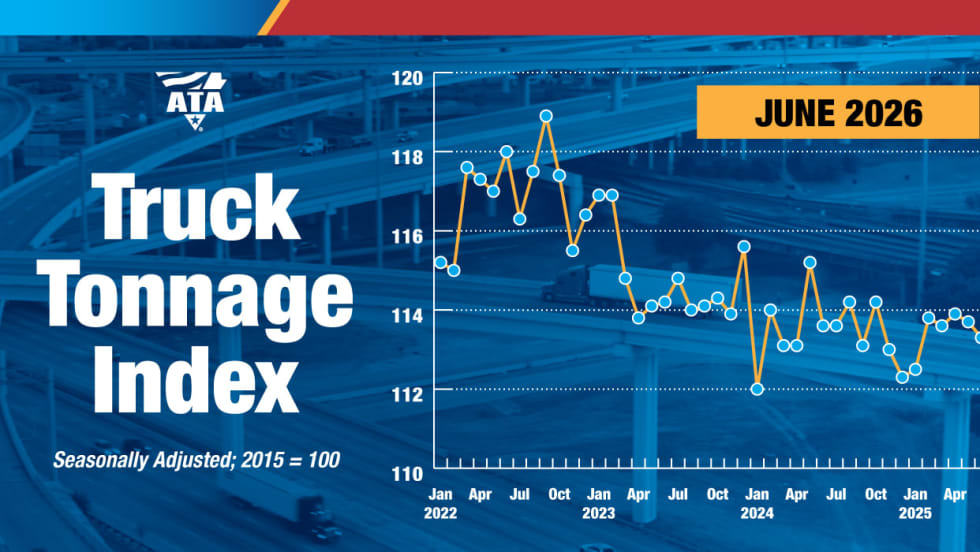
Freight Tonnage Down, Rates up, as Lower Capacity Powers Trucking Recovery
The recovery from the freight recession continues to be driven by reduction in capacity rather than by increased demand.
Read More →
Think Your Trucking Fleet Isn't Using Much AI? Think Again
Shadow AI — the use of unauthorized artificial intelligence tools at work — is becoming increasingly common, putting sensitive company data at risk. Learn how trucking fleets can protect sensitive data while embracing AI.
Read More →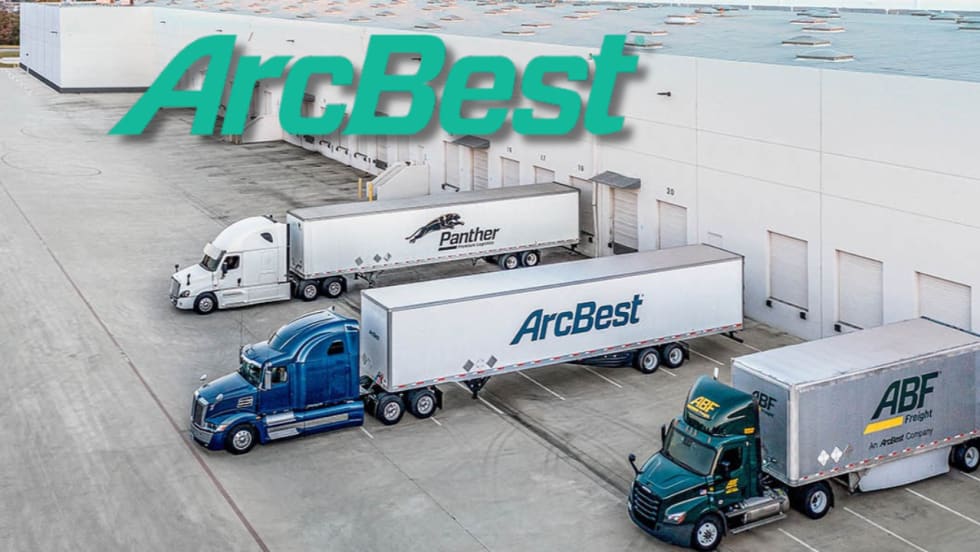
ArcBest Consolidates Brands, Cuts Workforce
The company will bring three business units under the ArcBest brand, eliminate about 2% of positions, and expects the changes to generate $40 million in annual savings.
Read More →
Trucking Fleets Faced Record Operating Costs During Third Year of Freight Recession
ATRI's annual operational cost report shows carriers trimmed fleets, delayed equipment purchases, and ran older trucks as expenses continued to outpace freight rates.
Read More →