




Is There a Glider Kit in Your Future?
Remember the glider kit? You buy a brand-new cab with a steer axle and frame rails, and install your own drivetrain - usually pulled from a wrecked truck or an older truck that has seen better days. Well, it seems they are making a bit of a comeback

Remember the glider kit? You buy a brand-new cab with a steer axle and frame rails, and install your own drivetrain - usually pulled from a wrecked truck or an older truck that has seen better days. Well, it seems they are making a bit of a comeback.
It might be premature to call it a resurgence, but there's definitely renewed interest today in rebuilding instead of buying new.
Tom Culver of Clark Power Services says the WheelTime network of service facilities will complete between 650 and 700 glider kits this year, and perhaps as many as 1,000. When you consider the savings in rebuilding, it's easy to see why.
Culver says the total cost of getting a glidered truck on the road is less than 75 percent of new off-the-lot truck - and there's no federal excise tax on a glider, provided the cost does not exceed 73 percent of the cost of a comparable new truck. But it gets better. The Environmental Protection Agency will allow the engine in the glidered truck to match the certification of the "donor" truck, which means if you're tearing down a 2001 model truck and dropping those components into your glider, the glider would be a 2001 model for EPA certification purposes.
"You get the benefit of a brand-new cab and vehicle electrics with the cost savings from using your existing powertrain," Culver says. "You can rebuild or refurbish the engine and the transmission, get the applicable warranty and you're in business for another few years."
Craig Young, president of Young Truck Sales and Young Volvo in Canton, Ohio, is doing a brisk trade in glider kits with the steel haulers in that area. His customers, mostly 20- to 50-truck fleets, need to haul 50,000-pound payloads to be profitable, and it's nearly impossible to get there in EPA 2010 trim.
"We've tried spec'ing [new trucks] with aluminum frame rails, aluminum axles, smaller cabs, aluminum trailers, and we're still over 30,000 pounds. If you don't make the weight, the mills will take off a 10,000-pound bar, and you've lost a lot of money," Young says.
According to Culver, the donor truck - the vehicle the major components are coming from - must be written off in the process, and two of the three major components must come from the donor truck.
"If the transmission and diffs are good, for example, but the engine is too far gone to rebuild, you'd be allowed to drop in another rebuilt engine with no problem," he says. "But the economics just don't work with anything newer than a 2005 model. Your depreciation is already used up, but you'd probably see better resale value on the truck than the benefits of writing off and rebuilding a truck of that vintage."
When looking at costs, and working to stay under 73 percent of the price of a new truck to avoid the FET, Culver says fleets can in-source or out-source the work.
"The problem with doing the work in-house that that it can tie up manpower and service bays," he points out. "Our Indianapolis shop is currently working on a 12-truck order for a major truckload carrier, and we'll come in well under the 73-percent wire."
Glider kits won't work for everyone, but there are certainly opportunities for significant savings in the right application. Currently, only Paccar and Daimler Trucks North America offer glider kits. If they catch on, maybe we'll see others wanting in on the action.
Many fleets have discovered in recent months that you can't put 10 pounds of rocks into a 5-pound bag. Pushing trade cycles for highway trucks to squeeze a few more months or a year out of an asset may seem feasible, but the unplanned costs can eat you alive.
Planning for extended trade cycles - four, five, or even six years - is another matter. It's one way to reduce the lifecycle cost of a truck or trailer, but it's not something to be done on a whim.
The task of keeping the trucks chugging along may fall to the maintenance department, but buy-in and support for the initiative must be company wide, from finance and accounting, dispatch, and even human resources.
"It's not just a maintenance decision. It's a game-changing, company-wide decision that requires maintenance, finance, and upper management to be onside," says Joe Stianche, former vice president of maintenance at KLLM Transportation Services, now an industry consultant. "In many fleets, they look to maintenance for part of that answer, but there's much more to it than that. It's a cost of money thing, but the maintenance guys take the heat because they'll say it's going to cost more to run that vehicle in the fourth, fifth and sixth years."
The implications of the decision to run trucks out beyond a normal trade cycle of 36 to 48 months will impact company finances through the loss of depreciation write-downs, loss of resale value on the truck when it is eventually traded out, and through higher than normal operating costs. It could lower the capital cost outlay, but the trade-off between the improved liquidity and higher monthly maintenance expenses has to be carefully measured.
Dispatch will need to be on side knowing the trucks will be spending more time in the shop, and will be overall less available than a new truck on a normal trade cycle.
And drivers may not be keen on driving your five- or six-year-old truck when the competition is offering new or close-to-new equipment as a recruiting incentive.
That said, done right, extending trade cycles can be highly beneficial in some circumstances, such as turning a five-year-old truck with 900,000 miles on it worth $25,000 into a like-new power unit with between two and four years of warranty for little more than $32,000.
The starting point is weighing the lifecycle cost of the truck you're planning to keep versus the cost of running the truck you're planning to buy, says Stianche.
"To begin with, you're going from an acquisition cost of maybe $90,000 four or five years ago, to $100,000 or $120,000 today," he notes. "Carrying that truck over four years will of course be more expensive over the time. How much more is the question, because you then have to compare that against what it will cost to keep your existing trucks in service a few years longer."
And then there are the tax implications. It depends if the company has an appetite for depreciation or not. That typically revolves around how much depreciation you have elsewhere in the business. If you're a pure trucking company, fleet depreciation is an important factor in your balance sheets. On the other hand, if the fleet is part of a larger group of assets, like warehouses or other equipment, fleet depreciation might not be as large a factor.
"It depends how much you need now or in future years. It becomes a cash flow thing for the business," Stianche suggests. "How much debt can I stand, can I recover that depreciation, and do I have the maintenance infrastructure to support the fleet if I keep it longer?"
That, today, seems to be a critical question. On top of the shortage of qualified technicians that already exists, fleets have had to cut back on staff and find ways of reducing maintenance costs over the past couple of years. Which raises the question, is the fleet in a position to support longer trade cycles?
Assuming you have concluded that extending your trade cycles would be a good business proposition, you'll need to make some changes to your vehicle spec and to its maintenance routine to help it last longer, advises Tom Culver, vice president of operations and fleet services at Clark Power Services, members of the WheelTime Network.
"The total maintenance cost for a six-year trade cycle is going to be higher than a four-year truck, so you can start with upgrading several specs to improve longevity and keep running costs down," he says. "The up-front cost will be higher, but lower maintenance costs ar
More Equipment
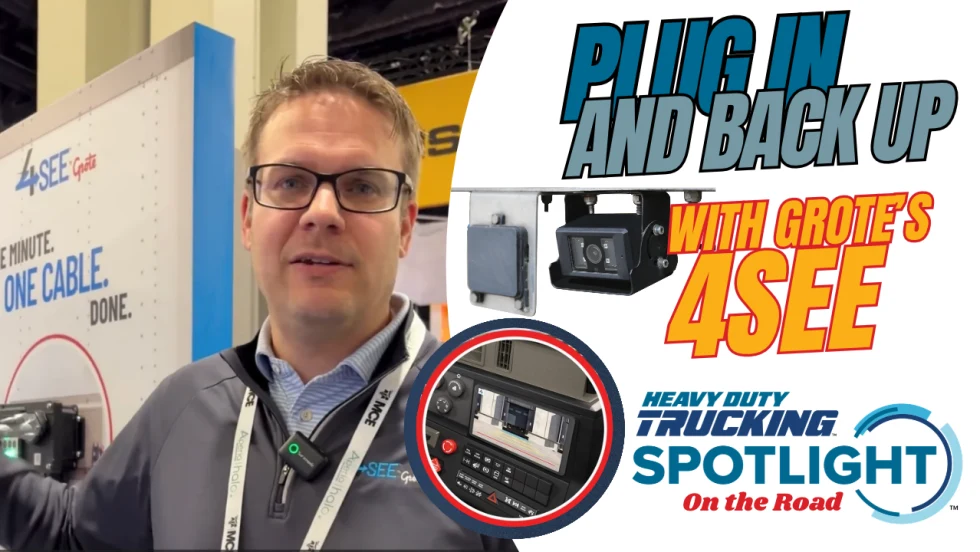
More Trailer Data Through the Same Seven-Way [Video]
Can trucking’s standard seven-way connector handle more cameras and trailer data? Grote’s Adam Slade shows HDT how the company is using new technology with its 4See trailer system, not only to add a new backup camera but also to expand other capabilities — without adding another connection.
Read More →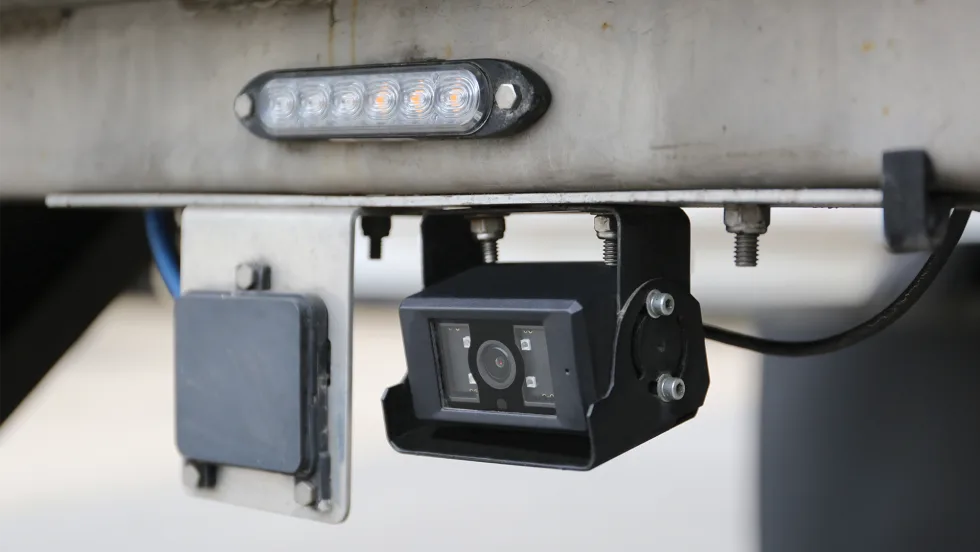
Grote: More Cameras, Same Seven-Way Connector
The next-generation 4See rear-view backup camera from Grote uses the standard seven-way connector and supports additional cameras and other trailer data.
Read More →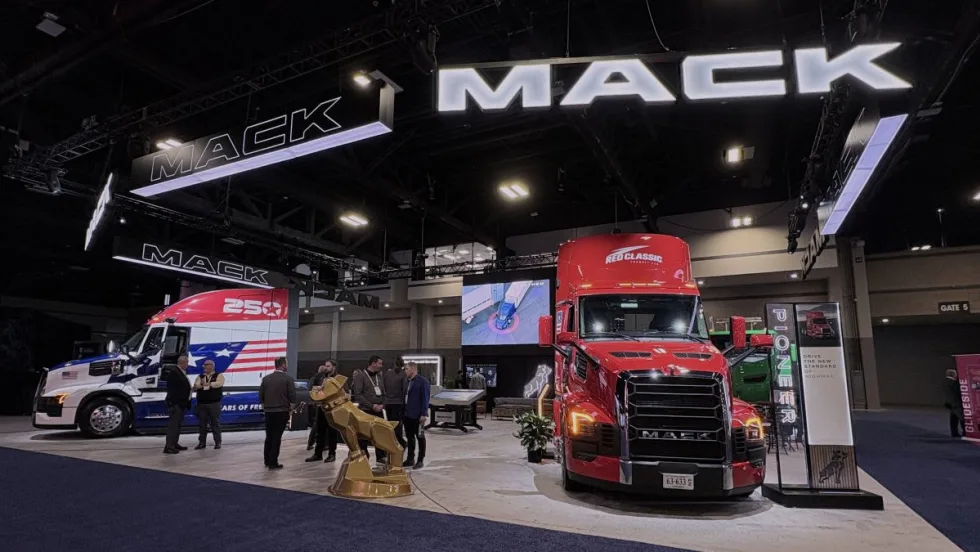
Trucks at ATA's 2026 MC&E in Charlotte, North Carolina [Photos]
From rigs decked out in patriotic America's 250 paint schemes to autonomous trucks and more, check out these photos from ATA's 2026 Management Conference & Exhibition.
Read More →
Help HDT Find Trucking’s Top Products
Have you come across a new product that could make a difference for trucking fleets? Nominate it for HDT’s 2027 Top 20 Products Awards by November 9.
Read More →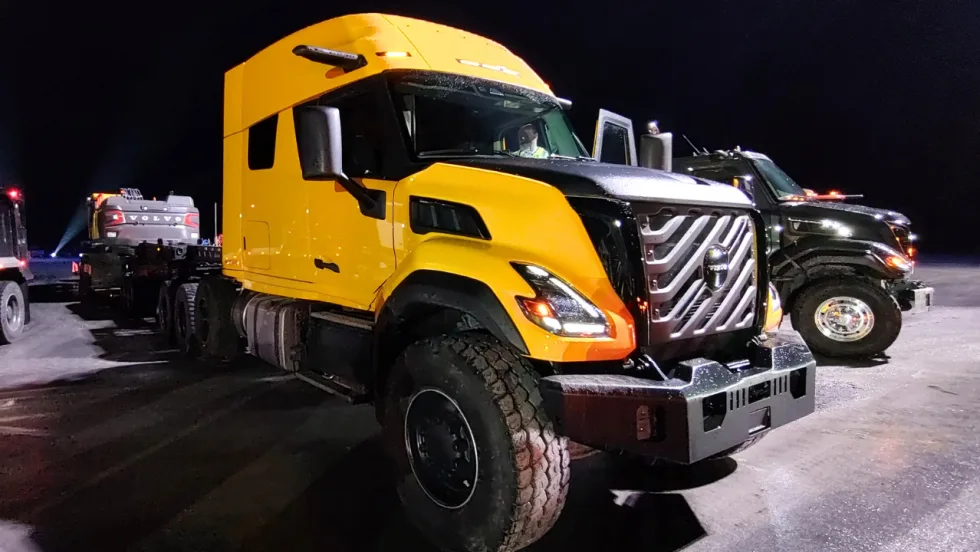
Volvo Unveils New VNX Heavy-Haul and Vocational Truck
Volvo Trucks has launched the VNX, a new vocational truck also available as a tractor in day cab and two sleeper configurations, with one heavy-haul model. The Volvo VNX is powered by Volvo's D13 platform, which delivers up to 540 horsepower and 1,950 pound-feet of torque and is EPA 2027-compliant.
Read More →
How GP Transco Cuts Trucking Fuel Costs, a Tenth of a Gallon at a Time
What’s another tenth of a mile per gallon worth? GP Transco shares how equipment upgrades and driver coaching turn small gains into meaningful fuel savings.
Read More →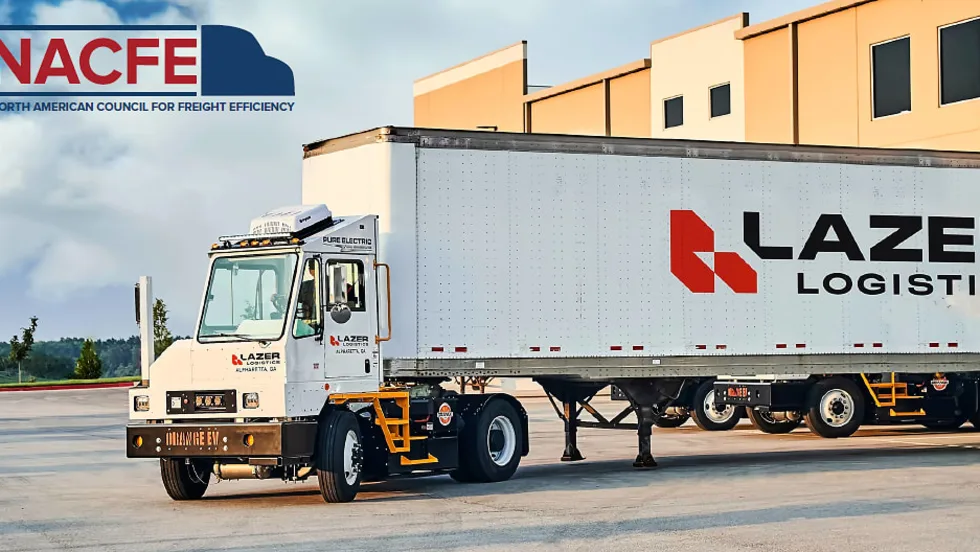
Electric Yard Tractors Move Beyond Pilots
Operating-cost savings have overtaken sustainability goals as the leading reason surveyed fleets are adopting battery-electric terminal tractors, according to new NACFE research.
Read More →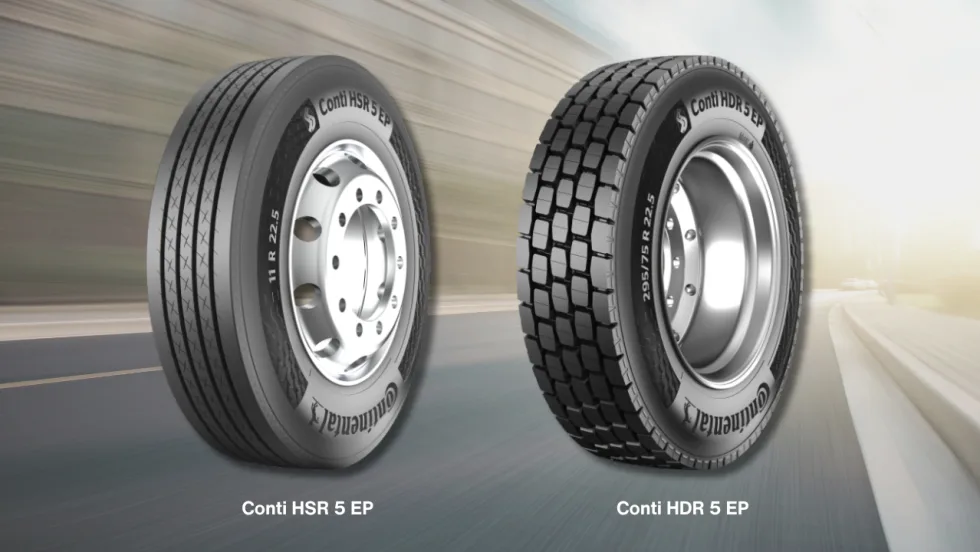
Continental Introduces New Regional Truck Tires
Continental says its new Generation 5 steer and drive tires for regional operations offer longer tread life, with estimated mileage gains of 22% and 19%, respectively.
Read More →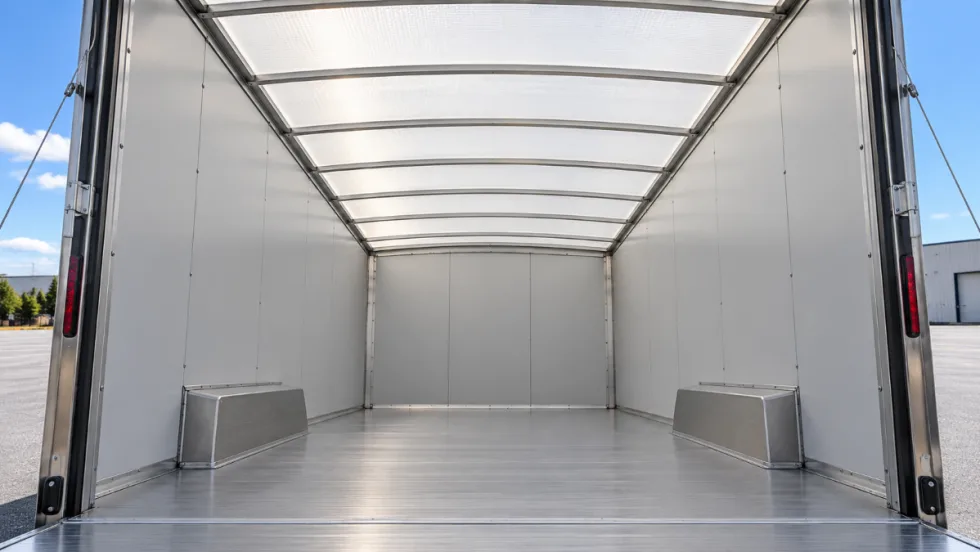
Tekmodo Introduces CargoBright Brand for Translucent Trailer Roofs
CargoBright is designed to diffuse daylight across the cargo area while performing as a working vehicle roof.
Read More →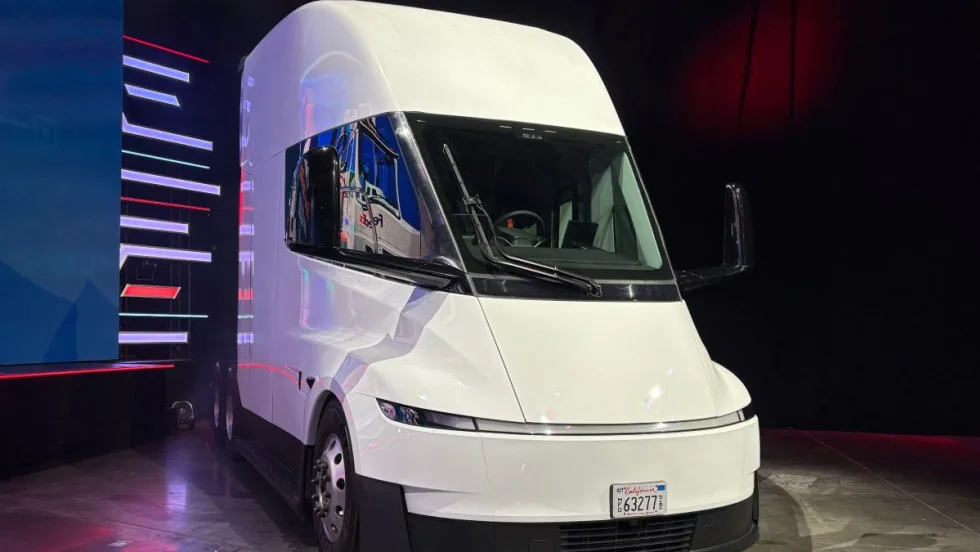
Fleet Economics Shape Electric Truck Outlook
ACT Research expects costs, charging infrastructure, and technology improvements to drive zero-emission commercial vehicle adoption as federal regulations and incentives retreat.
Read More →