




How to Evaluate Performance of Improved Tire Designs
Tire companies continue to make improvements to existing products on an ongoing basis. New materials in combination with new and improved design construction may significantly help tire performance.
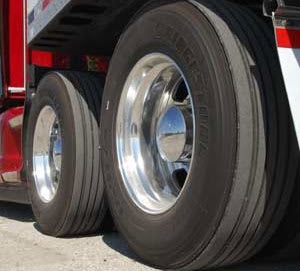

Tire companies continue to make improvements to existing products on an ongoing basis. New materials in combination with new and improved design construction may significantly help tire performance. Improving tire mileage increasing traction and decreasing stopping distance, increasing fuel economy and improving casing retreadability are all reasons why it is important for fleets to give serious consideration to evaluating new tires and retreads.
For commercial truck tires, just because a particular tire make/model runs well on one model tractor or trailer does not guarantee that the same tire performs equally as well on another make model vehicle.
Take tread depths for drive tires as an example. Tread depths ranging from as low as 22/32” to as high as 32/32” are available in the market. Choosing a deep tread depth design does not always guarantee the highest tire removal miles. Too much tread depth can lead to increased heat buildup along with the deep tread lugs squirming as it rolls down the highway. The increased heat may adversely affect the tire casing when it gets to the retreading stage. Too much tread lug squirm will lead to early onset of irregular wear and adversely affect fuel economy.
Tire compounds also play a major role in tire performance. Innovative tread compounds utilizing the latest and greatest materials can improve fuel economy as up to two or three percent. Fuel economy is a major consideration for every linehaul and regional fleet so it is important to evaluate these new fuel efficient tires. Even a tenth of a mile per gallon increase in fuel economy can save a fleet thousands, if not millions, of dollars per year in annual savings. Of course, if you do not keep your tires properly inflated the benefit of running these more expensive fuel efficient tires will be disappointing.
The following variables need to be considered when running a tire evaluation
Vehicle make/model
Route and service vocation
Load
Speed
Tire Pressure
Drivers
This is why determining the proper sample size for the evaluation is so important. If the sample size is too small you will get inconclusive results. And, having too large a sample makes it very difficult to track and record the data because of errors in data entry. The TMC of the American Trucking Association recommends a sample size of thirty if the number of units in your fleet can support that.
As new products become available from the tire manufacturers it behooves a fleet to determine if the specific “improvements/enhancements” are something in the best interest of their fleet operation. Will the new tires improve cost/mile while maximizing tire removal miles and increasing fuel economy? It takes a serious commitment from the fleet to run a good tire evaluation. Working with your local tire professional is always a good idea.
From the Commercial Fleet Tire Digest, published by Pressure Systems International, the maker of the Meritor Tire Inflation system by PSI. Used with permission.
More Equipment
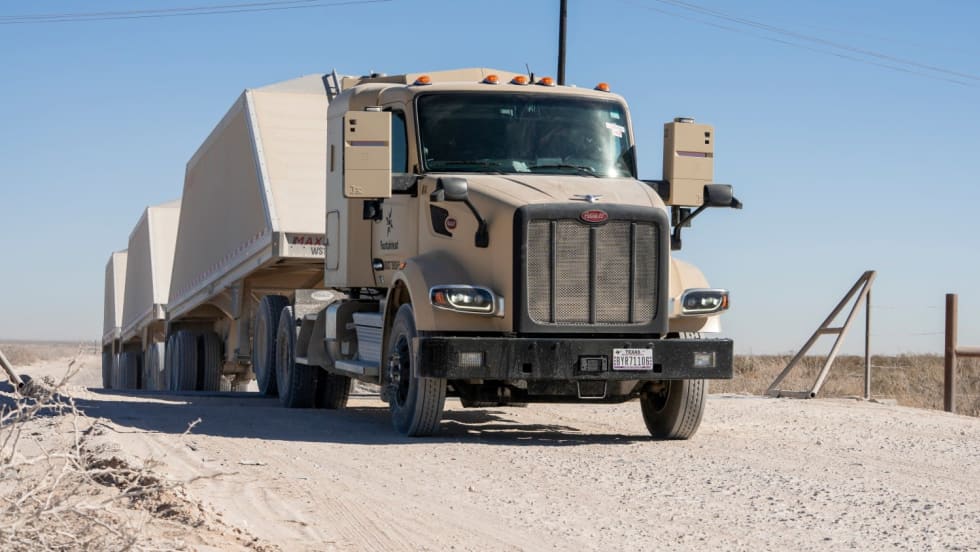
Atlas Expands Kodiak Driverless Truck Fleet in Permian Basin
Atlas Energy Solutions is expanding autonomous frac sand hauling in the Permian Basin with a second load-out location and plans for 100 driverless trucks by mid-2027.
Read More →
Putting Mack’s Command Steer to the Test
A test drive of Mack’s Command Steer active steering system evaluates how it can make truck driving easier and less tiring.
Read More →
Mack, Volvo Expand DEF Derate Software Updates
The updated software gives Mack and Volvo truck owners more time to address DEF-related issues before the engine derates or the vehicle goes into reduced-speed inducement, following new EPA guidance.
Read More →
Rush, MCT Team Up to Grow Refrigeration Service Network
The joint venture will operate MCT's network of Carrier Transicold dealerships and mobile service locations, with the companies promising greater service capacity and uptime for refrigerated fleets.
Read More →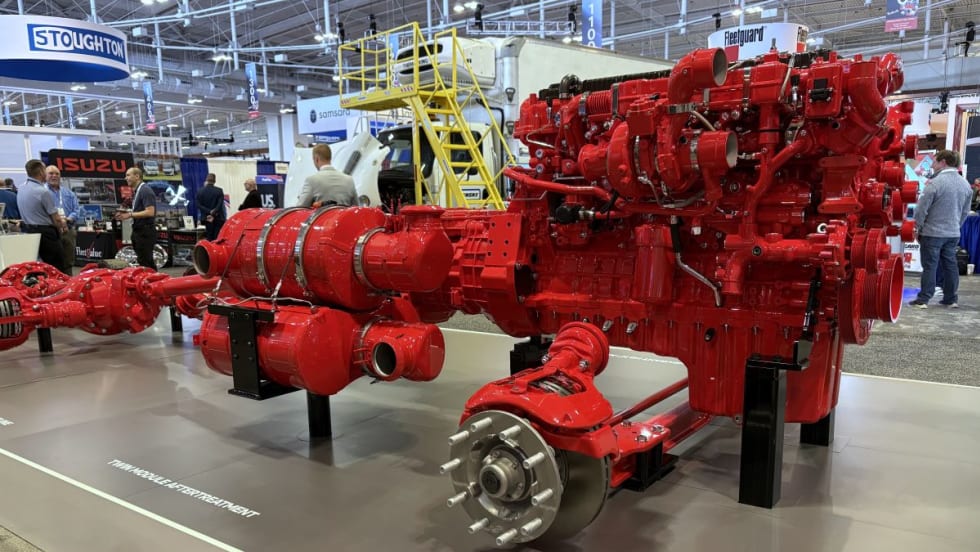
Cummins Adjusts 2027 Engine Rollout After EPA Proposal
The engine maker will gradually introduce its new Model Year 2027 diesel engines while continuing to offer current models during the transition, citing the EPA's proposed emissions rule changes.
Read More →
Aurora Rolls Out Next Generation of Driverless Trucks for Commercial Freight
Aurora's latest autonomous trucks it's rolling out with International feature lower-cost hardware designed for a million miles as the company expands commercial driverless freight operations across the U.S. Sun Belt.
Read More →
Peterbilt 589 Spotlight: A Close Look at a Custom Working Truck [Video]
There's more to this customized Peterbilt Model 589 and Great Dane refrigerated trailer than chrome and stainless (although there's plenty of that too!) A veteran driver explains the design choices and practical features behind this working truck.
Read More →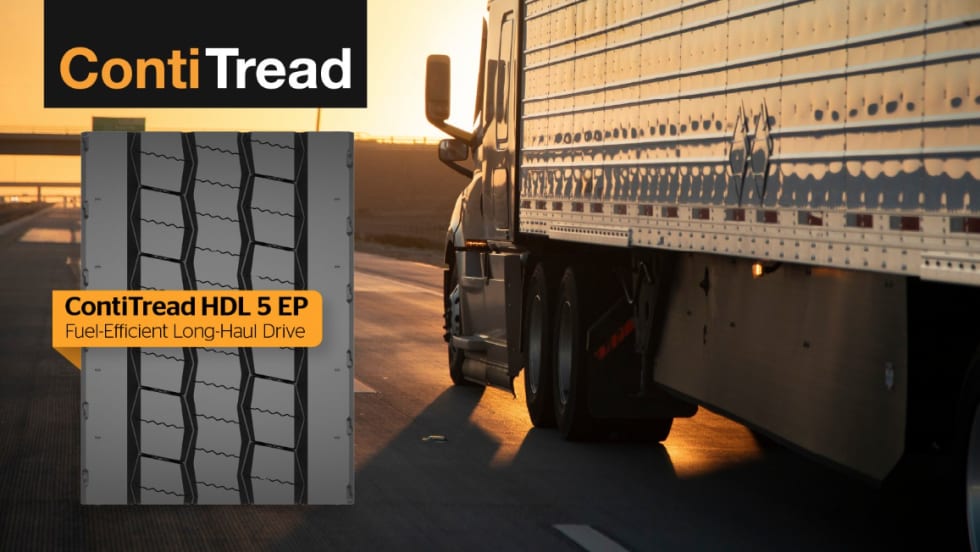
Continental Expands Retread Lineup With New ContiTread HDL 5 EP
New long-haul drive retread is designed to improve fuel efficiency, extend tread life, and lower fleets' cost per mile.
Read More →
EPA Proposal Could Ease 2027 Truck Costs and Buying Uncertainty
The proposal doesn't change the tougher NOx standard, but it would revise key implementation requirements that manufacturers say have driven up costs and complicated fleet purchasing decisions.
Read More →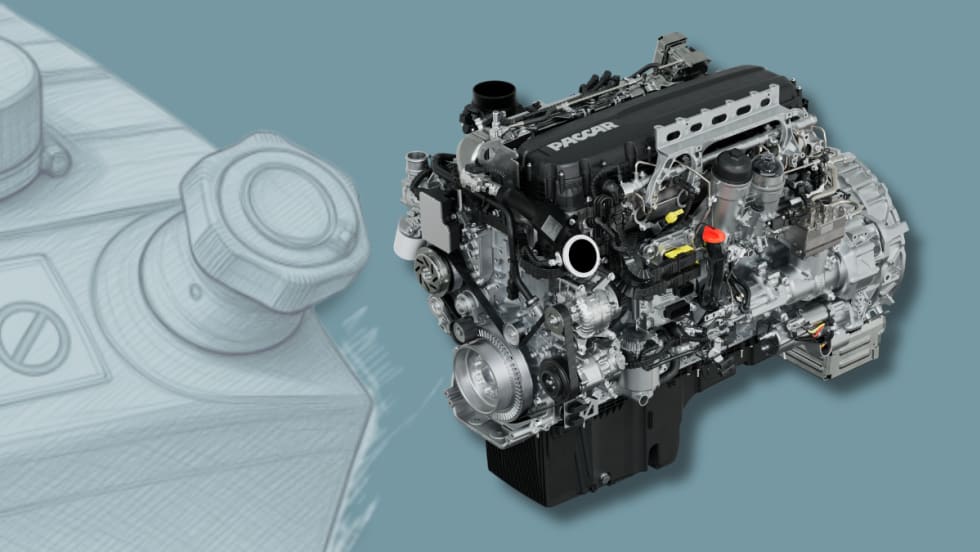
Cummins, Paccar Ease DEF Derates After EPA Guidance
Updated diesel engine software gives truck operators more time to address emissions-system issues while staying compliant with EPA emissions standards.
Read More →