Where and when drivers began paying “lumper” fees to get unloaded at receiving locations is a trucking industry mystery. Perhaps it started when the Motor Carrier Act of 1980 deregulated transportation pricing. No one knows for sure.
What matters is that shippers must reimburse carriers for unloading fees (49 U.S. Code Section 14103). However, this law does not make lumper transactions easy to manage. Paying lumper fees creates administrative headaches and driver frustrations. It also strains cash flow.
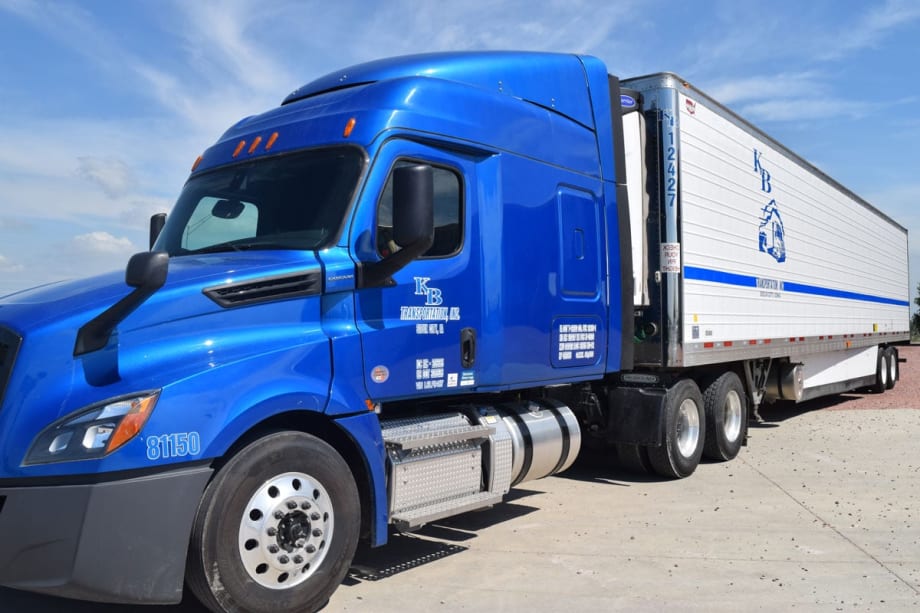
That’s why digitizing the process was a top priority for Nebraska-based refrigerated carrier K&B Transportation when it deployed a custom mobile app for drivers.
Why Lumper Payments Are So Frustrating for Drivers and Motor Carriers
Lumper payments involve back-end accounting work. Often shippers must approve lumper fees before drivers can unload. Dispatchers will then send drivers a payroll cash advance when they arrive at a consignee. The advance comes through issuing a money code, which traditionally has been a clunky process that can take 20 minutes or more.
Next, the office must collect receipts from drivers for billing. If a driver loses a receipt, or if a receipt is illegible or damaged, the carrier may have difficulty reimbursing drivers and collecting payments from customers.
The entire process is highly manual and creates friction between drivers, the back office, payees, and customers — especially since many lumper payments happen late at night or early in the morning. The potential for fraud is also concerning. Unscrupulous drivers could submit fake lumper receipts.
Deploying a custom mobile app that uses smartphone technology and pre-built system integrations can streamline and secure the process. By integrating data and workflows, a mobile app can instantly authorize and validate lumper payments and collect and transmit digital receipts for billing.
A custom mobile app that runs on a smartphone or in-cab platform can use real-time location data, communications, document capture, and other tools to create an instant process for drivers to request and be reimbursed for lumper payments.
For instance, a custom app could verify a driver payment request based on current location and load assignment data through integration with a fleet transportation management system. Once approved, a driver could send a lumper a pre-approved money code directly from the app. The app’s workflow could prompt drivers to capture images of paper receipts or have a fully digitized process that eliminates paperwork.
Pressing the Easy Button
K&B Transportation did just that when it deployed a custom app from Eleos with the help of Add On Systems to create an automated process that instantly validates and approves driver lumper payment requests.
The integrated system eliminates administrative work in the office by tracking and processing payments for more than 70% of the company’s loads with lumper fees.
Before the company deployed the app, drivers had to call dispatch to request payments. K&B drivers haul loads of fresh meat and often unload between 1 and 6 a.m., explains Kyle Burton, chief financial officer. The timing of calls strained office resources during night shifts.
Previously, driver managers had to issue payments via an in-cab mobile system or over the phone. And then the accounting team sometimes waited weeks to receive the receipt from the driver to seek shipper reimbursement.
With the new tech, drivers tap a button in the app to request payment. The request is approved using predetermined criteria, including comparing the lumper payment request amount to the receipt amount.
The preauthorized payments ended late-night calls for authorization. Drivers get an immediate response and reimbursement if all criteria are met. The app immediately files the electronic receipt for easy accounting access to bill shippers more efficiently, resulting in faster reimbursements.
The custom app’s lumper payment process has eliminated driver frustration from waiting for payments. Warehouse pickups and deliveries are much faster, enabling drivers to get on the road more quickly for their next load. The system also prevents fraud.
Burton says the feature is “universally loved” by drivers and driver managers for the time and money savings. And that’s not all; K&B Transportation also uses the custom app to give drivers other convenient tools beyond the lumper payments.
Kevin Survance is the chief executive officer of Eleos Technologies in Greenville, S.C., which helps trucking fleets create custom apps. This article was authored and edited according to Heavy Duty Trucking’s editorial standards and style to provide useful information to our readers. Opinions expressed may not reflect those of HDT.