




Highway Funding: Let The Games Begin
Recommendations on how this country should approach funding to fix its ailing surface transportation system are on the table.


Recommendations on how this country should approach funding to fix its ailing surface transportation system are on the table. That's good news; we need to bring some sense into the situation, and this is a significant start. But it won't be easy. For the next year and a half, various political, business and industrial interests are going to be fighting over whose oxen will be gored in the 2009 highway act.
The recommendations are from the prestigious, non-partisan National Surface Transportation Policy and Revenue Study Commission (see "Roadway Reforms: Starting From Scratch," March HDT, page 42). All 12 of them agree that (1) congressional transportation spending policies need an overhaul, and (2) more highway investment is in order.
Nine of the 12 commissioners think fuel taxes will have to rise. But the rest, representing the views of the Bush administration, disagree. They feel that such things as toll roads and congestion pricing will pay the bills without raising fuel taxes.
Here's the fiscal challenge: Highway Trust Fund monies for fixing the highway infrastructure will be in the red by as much as $5 billion by 2009. Everyone knows the system isn't working. There's not enough money being raised, and a lot of what is raised isn't being spent intelligently (see "pork barrel politics" in Webster's unabridged).
There is currently $86 billion a year available from all sources (federal, state, local and private) to spend on surface transportation. That's not even close to enough. The commission study says it will take three times that amount through 2020 to get the system in shape.
Can we make up that difference just by reforming Washington policy and using tolls and congestion pricing? Toll roads and congestion pricing, by the way, would hit trucking harder than anyone else - and the consumer would ultimately bear the cost anyway. Then there's the argument, backed by research, that when tolls go up trucks divert to other routes, creating congestion and increasing accident possibilities.
A new bill in Congress would set up a "national infrastructure bank" that would leverage private capital to supplement public funding for transportation projects. That might help, depending on how clean (i.e. non-political) the bank's operation would be.
But it's time for a reality check. Federal fuel taxes haven't gone up since 1993. If this country is going to continue as a world economic player, its infrastructure must be fixed and improved. It looks to us like higher fuel taxes are inevitable, if we're going to get it done.
There is no question that congressional spending practices are whacko. When President Eisenhower's vision of an Interstate Highway System took flight 50 years ago, the funding formula was simple. User fees went exclusively to build the system. They were not diverted to prison museums, sailing schools or wine and culinary centers - as was done by our latest highway legislation.
Of the three little words "Highway Trust Fund," two of them, "Highway" and "Trust" seem to have been completely forgotten in Washington.
The commission is dead right that before any method of funding goes into effect, stupid spending policies must change. That's a huge order, and it's going to be a struggle.
For one thing, Congress is not likely to relinquish its spending authority to a new independent national agency, as the commission recommends. In truth, Congress should keep that authority; that's supposed to be its job.
But will they reform themselves? At least they are now on notice that they must restore commitment to the highway system. We hear some who are running for re-election are even talking about cleaning up the pork-fest in Washington.
At some point the policy reform ideas will jell into proposals. If we're going to save the highway system, we'll all need to study them, take a stand and make our views known to our elected representatives.
They'd better get it right this time, or take responsibility for running our transportation system into the ground - no matter how they decide to fund it.

E-mail Doug Condra at dcondra@truckinginfo.com, or write P.O. Box W, Newport Beach, CA 92658.
More Fleet Management

How Innovative Trucking Leaders Turn Change Into an Advantage
As the pace of change accelerates in trucking, the fleets that adapt best have more than the latest technology. They have cultures that embrace improvement.
Read More →
Freight Broker Bonds Just Got Harder to Get. Here's What That Means for Your Fleet.
When it gets harder for a freight broker to prove they are financially sound, the ones who cannot clear that bar get pushed out of the market. And those are exactly the brokers who used to leave motor carriers holding the bag.
Read More →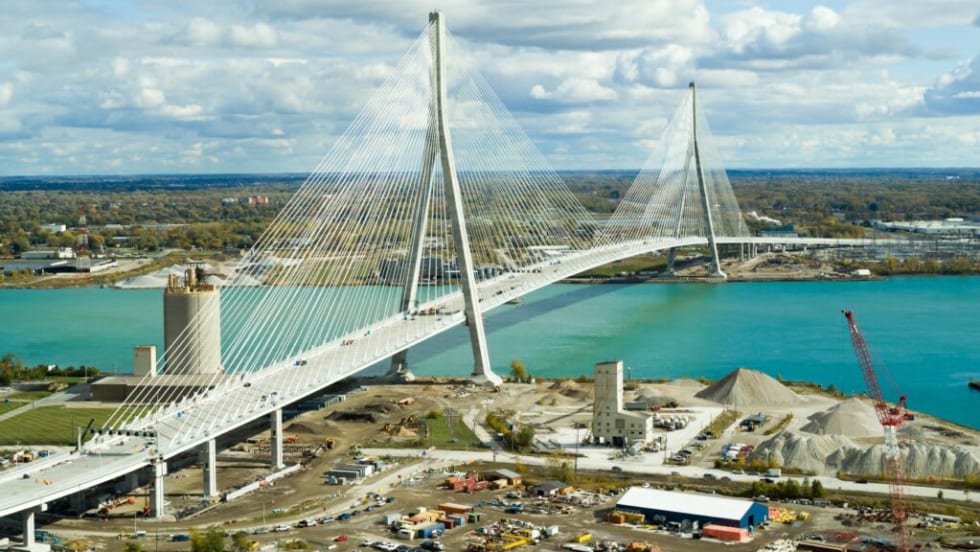
Long-Awaited Canadian Border Bridge to Open in Detroit
For trucking, the bridge opening should offer immediate improvements in efficiency and reliability, with new customs facilities, expanded inspection capacity, and direct freeway-to-freeway connections.
Read More →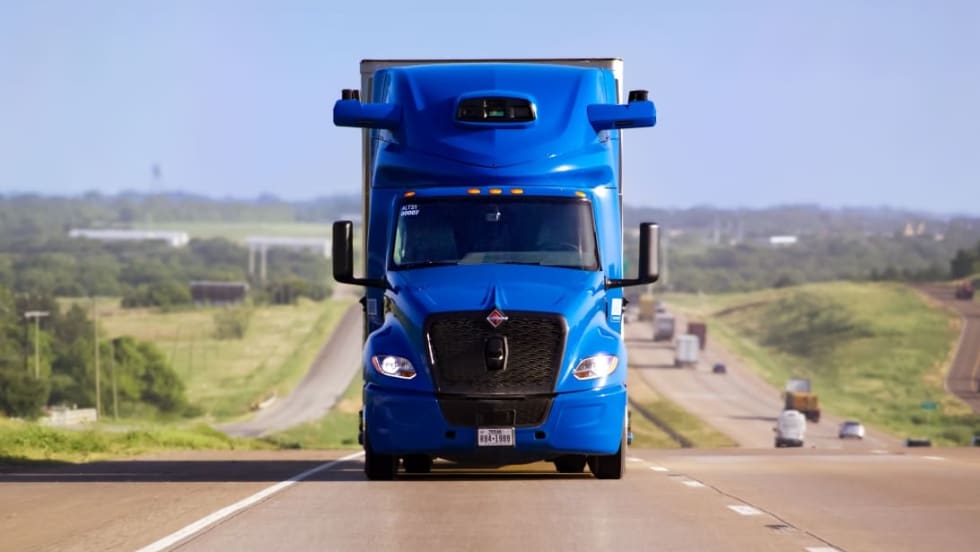
Aurora Rolls Out Next Generation of Driverless Trucks for Commercial Freight
Aurora's latest autonomous trucks it's rolling out with International feature lower-cost hardware designed for a million miles as the company expands commercial driverless freight operations across the U.S. Sun Belt.
Read More →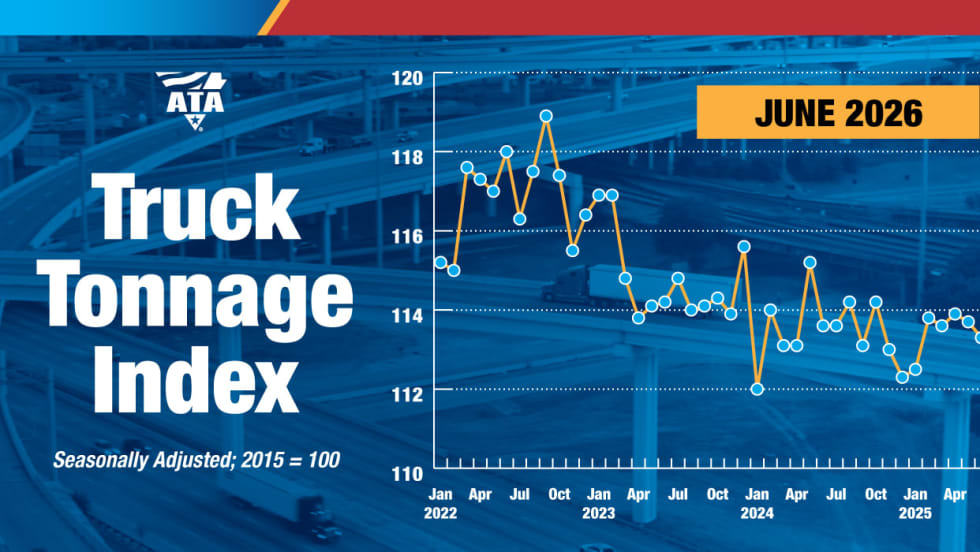
Freight Tonnage Down, Rates up, as Lower Capacity Powers Trucking Recovery
The recovery from the freight recession continues to be driven by reduction in capacity rather than by increased demand.
Read More →
Think Your Trucking Fleet Isn't Using Much AI? Think Again
Shadow AI — the use of unauthorized artificial intelligence tools at work — is becoming increasingly common, putting sensitive company data at risk. Learn how trucking fleets can protect sensitive data while embracing AI.
Read More →
ArcBest Consolidates Brands, Cuts Workforce
The company will bring three business units under the ArcBest brand, eliminate about 2% of positions, and expects the changes to generate $40 million in annual savings.
Read More →
Trucking Fleets Faced Record Operating Costs During Third Year of Freight Recession
ATRI's annual operational cost report shows carriers trimmed fleets, delayed equipment purchases, and ran older trucks as expenses continued to outpace freight rates.
Read More →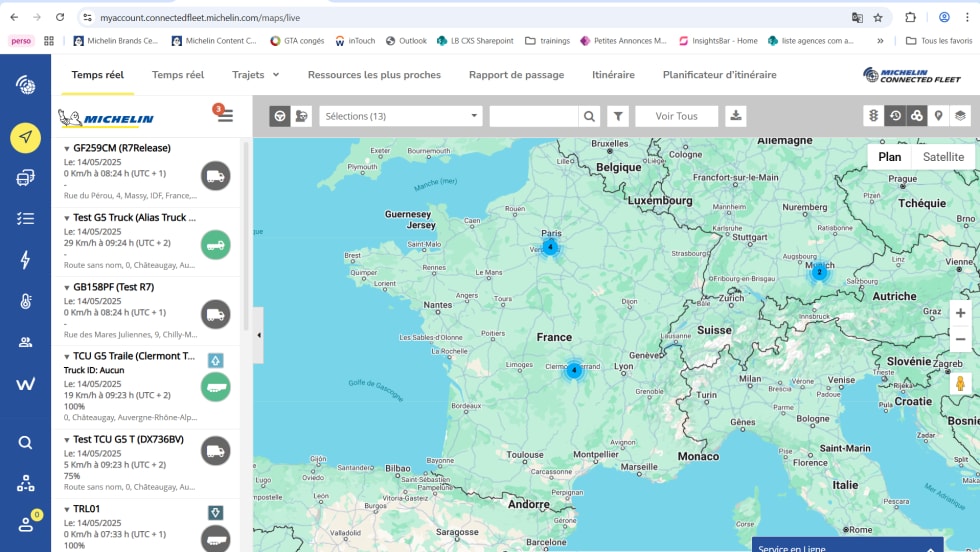
Michelin Adds AI Assistant to MyConnectedFleet Platform
Michelin’s new generative AI tool delivers instant fleet insights, helping managers analyze fuel use, tire maintenance, vehicle status, and operational performance without manually creating reports.
Read More →
LytxOne Platform Now Features AI, Compliance, and Asset Tracking Tools
New enhancements add AI-powered insights, asset tracking, compliance automation, and configurable privacy controls to Lytx's all-in-one fleet management platform.
Read More →