




Getting the Lead Out of Tire Weights
Beware the lead tire weight cops. They are out there and working in six states, with several more states looking at banning lead weights. Here's a look at the alternatives to lead in weights -- and alternatives to weights themselves.

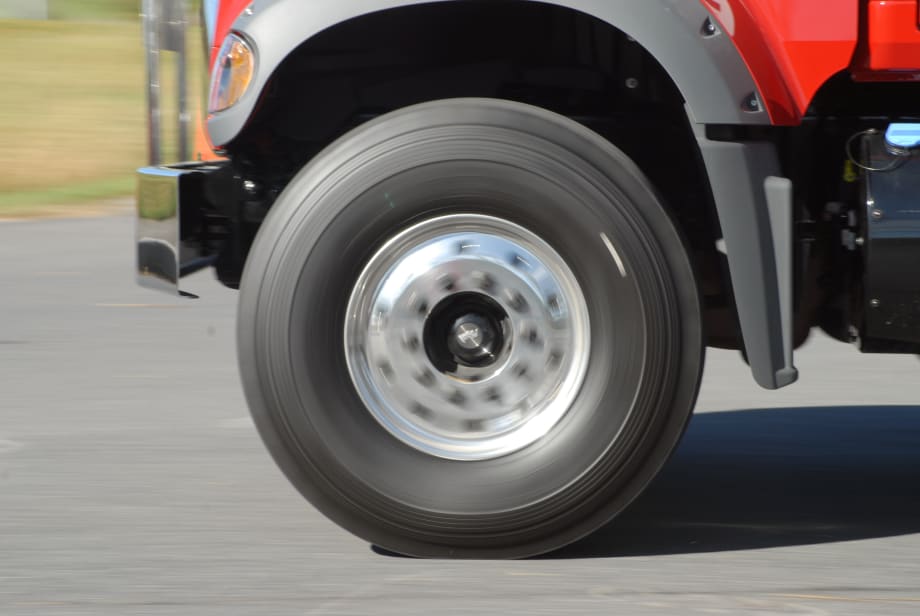
True rotation of a several-hundred-pound mass and high speeds requires balancing, not just of the tire, but the entire rotating mass, including the hub, brake drum, wheel and tire.
UPDATED -- Beware the lead tire weight cops.
They are out there and working in six states, with several more states looking at banning lead weights. California, Illinois, Maine, New York, Vermont and Washington already have lead wheel weight laws on their books. New Hampshire, Minnesota and Wyoming have tried to ban the sale, distribution and installation of lead weights, but those attempts failed.
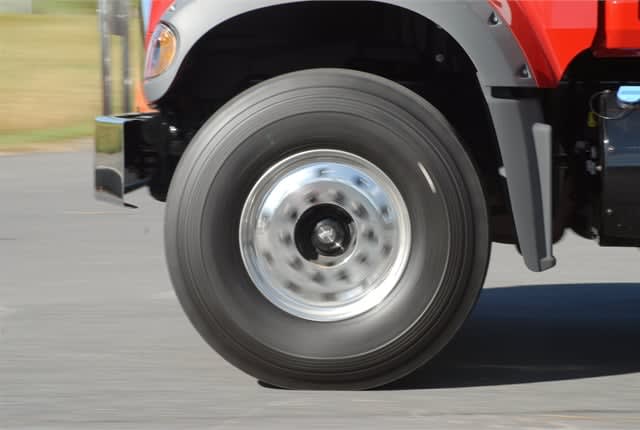
True rotation of a several-hundred-pound mass and high speeds requires balancing, not just of the tire, but the entire rotating mass, including the hub, brake drum, wheel and tire.
Several more states have restrictions on lead tire weights in place for state-owned or state-controlled vehicles, including Kentucky, Minnesota, Michigan, Nevada and others.
According to Greg Parker, marketing manager for Perfect Equipment, one of the oldest manufacturers of wheel weights in the world, about 30% of vehicles in the U.S. are located in states that ban lead tire weights, so a fair portion of the national fleet has already been affected by the ban.
“Most OEs and the major tire retail chains are now non-lead,” Parker says. “Altogether, about half of the market for tire weights is now some material other than lead.”
Whether it will go any further remains to be seen.
“There was a lot of activity on this front between 2007 and 2009, but it has subsided greatly since then,” Parker says. “It was pretty easy for the states to do this since there are only a handful of producers manufacturing lead tire weights and there are practical alternatives to lead, such as steel and zinc.”
Most of the language in the regulations speaks to the sale, distribution and installation of lead weights. The regs don’t address lead weights already in service – there won’t be inspectors checking trucks at scales – but it would be an offense in the listed states to install lead weights the next time you are balancing tires. The penalties could also apply to truck fleets that aren’t based in the affected states, but that have terminals there.
The transition
Scott Flynn, the director of sales at Plombco, another wheel weight manufacturer, says the transition from lead to steel or zinc posed some problems at first in the light truck and passenger car markets because the installation procedures are different.
“Because lead is soft and malleable, it was easy to clip to the wheel and hammer into place with a good precise fit,” he says. “Steel and zinc are too hard to install in the same fashion, so the design of the clip and matching it to the shape of the rim flange is a larger concern than it once was.”
Flynn says that is not as great a concern in heavy truck applications because there are fewer wheel styles to deal with, but the size of the weight is a concern.
“For heavy-duty applications, we make zinc weights in clip-on styles and steel weights with an adhesive backing,” he says. “But because of the physical size of the weights required on trucks, we limit each weight to 8 ounces. If you need more than 8 ounces, you put on more weights.”
When non-lead tire weights were first introduced, they were expensive, Parker says, but as manufacturing capacity increased, the price quickly came down.
“Roughly half the market is now non-lead, so we’ve got scale working for us,” he explains. “The non-lead options are running about five points higher than lead today. The upcharge is minimal. You can find some pretty cheap imported products. It really depends what you want. The cost is really in the clip, so you’re going to pay maybe 25 cents more for a high-quality clip that will keep the weight on for more than 1,000 miles.”
Next page: Alternatives to Weights
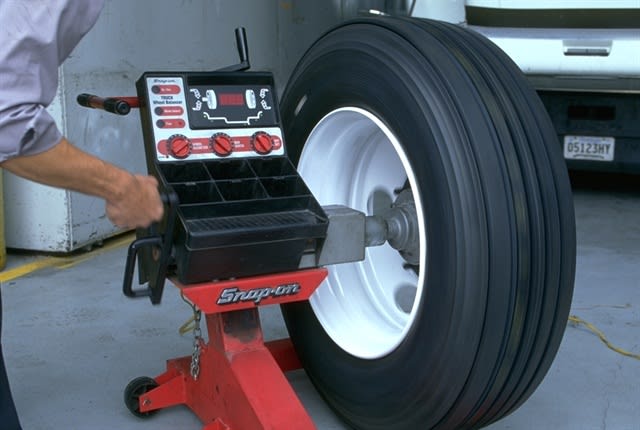
Traditional balancing methods still apply with steel and zinc weights. Just the material has changed, not the process.
[PAGEBREAK]Alternatives to weights
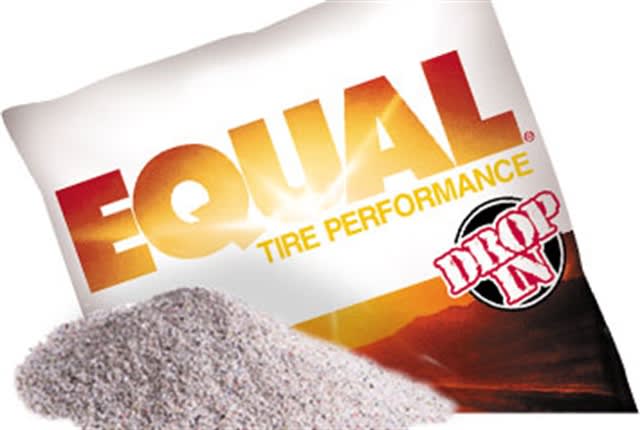
There are alternatives that help balance tires without the traditional wheel weights, such as IMI's Equal.
While steel or zinc weights could pose a few operational challenges in the tire department, they aren’t deal-breakers. Traditional balancing methods still apply. These new weights simply require slightly different installation procedures.
Maybe now is a good time to take another look at alternatives to weights, such as internal balancing compounds or balancing rings. These products offer true dynamic wheel assembly balancing while the wheel remains mounted on the truck, and even into the tire’s second life at a run-out position.
The internal compounds, such as Counteract, Equal and Magnum, are reusable, won’t damage the casing, are environmentally benign and claim to provide lifetime balancing of not just the tire/wheel assembly, but the entire wheel-end from the hub out to the tire. And because of their dynamic properties, they will maintain wheel balance even as the tire changes shape with age.
According to Ian Savidge, marketing manager at Magnum, internal balancing compounds have been around since World War II, and have been improved to provide less of the undesirable effects, such as moisture-driven clumping of the material. Today’s glass-based microbeads are also larger than earlier version of the product so they don’t get stuck in tire valves and won’t affect the sensors in internal tire pressure management systems.
“We use a coated, 2-mm bead that is about 98% round,” he says. “That improved the flow-ability of the product in the tire so it moves to where it’s needed more easily.”
There are also claims now – with SAE test data to back them up – that properly balanced tires can improve fuel economy. Coley Wolkoff, national accounts manager at Counteract Balancing Beads, says his company conducted tests at Auburn University’s Advanced Vehicle Evaluation facility in Alabama, and found a 2.2% improvement fuel economy. Evaluation in actual customer trucks showed even greater improvement.
“When Counteract Balancing Beads were installed in all the wheels of the truck fleet of one of our customers – about 100 trucks in all – running line haul from Missouri to California, they measured an estimated fuel savings of more than 5.5% on fuel per truck,” he says. “We also measured a significant drop in casing temperature in properly balanced wheels, which really helps reduce tread wear.”
Robert Coolidge, president of CentraMatic, points to the lifecycle cost benefits of using alternative balancing methods such as balancing rings. He says they will last the life of the truck, not just the tire, so the amortized cost is actually lower over vehicle life.
“If you don’t currently balance, or only balance the tire and wheel at installation, the direct cost is about the same as a set of our balancing rings,” he says. “When you consider the time and labor savings at installation and the reduced tread wear and reduction in driver complaints over the life of the truck, maybe four to 10 years, the savings are hard to ignore. And there’s fuel savings, too.”
Coolidge calculates that an out-of-balance wheel can sap up to 10 horsepower overcoming the additional tire flex and suspension motion.
Some fleets have said they don't want to use certain alternative balancing compounds for fear that they will adversely affect tire valves. However, products such as Equal come with a filtered valve core made of stainless steel screen to prevent any of the material from clogging the valve or preventing it from sealing properly.
Bob Fogal Jr., president and CEO of International Marketing Inc. (IMI), which manufactures Equal, says tires are assets that need to be managed, and fleets should be taking advantage of every tool at their disposal to get the best value from their tires.
"Aside from providing cradle-to grave tire balance on every new tire, Equal provides vibration dampening inside the tire as well, which helps absorb some of the impact on the tread face as the tire rotates," he says.
"We all know that as a tire wears it becomes more fuel efficient, so it's a shame to pull a tire prematurely because the tread has worn irregularly. Keeping tire and wheel assemblies properly balanced provides the maximum miles to take off, thus ensuring the more fuel economy from a tire when it's at it's most efficient."
Once the balancing compound is installed, it will continuously balance the tire, regardless of the tread condition, and that combined with tire pressure management or automatic inflations systems will help prolong tire life and ensure even wear down to the final few thirty-seconds of an inch of tread.
Lead weights are still available from distributors in states where lead bans have not been enacted, and so far, the EPA hasn’t signaled any intention to institute a nationwide ban, but producers and distributors are moving away from them.
Related Story:Why Balancing is Important
More Aftermarket

What Three Fleets Are Doing Differently When Buying Truck Parts in 2026
With freight improving but costs still climbing, fleet maintenance executives explain how they're balancing price, quality, and supplier relationships.
Read More →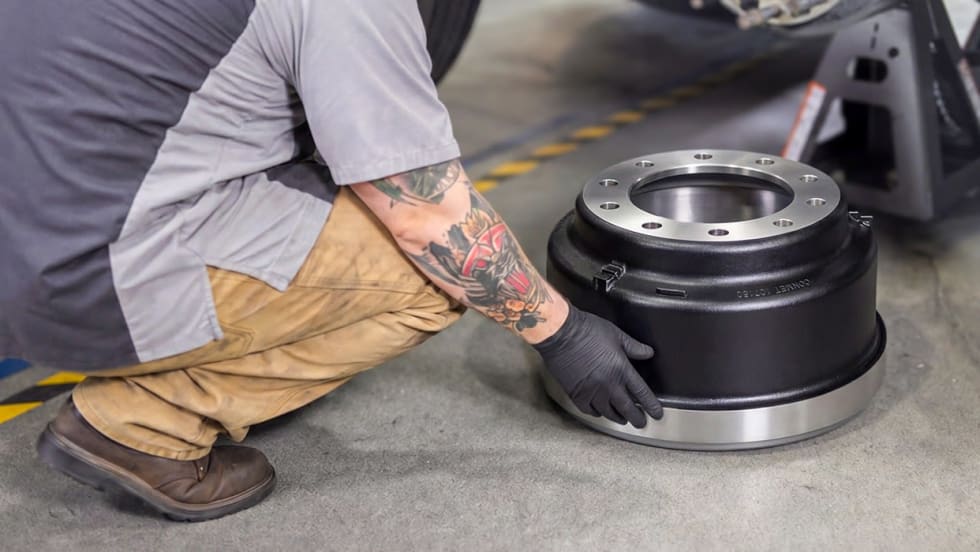
ConMet Expands Aftermarket Brake Drum Lineup With TruCast
A new heavy-duty truck brake drum option in the aftermarket gives customers more flexibility within the ConMet product family.
Read More →
Phillips Opens High-Tech Distribution Center for Faster Parts Delivery
Phillips Industries’ new Cincinnati-area distribution center is now shipping aftermarket trucking parts nationwide, aiming to speed up delivery times for customers.
Read More →
Volvo to Sponsor America’s Road Team for 2025
Volvo Trucks announced that it is extending its exclusive sponsorship of America’s Road Team for 2025.
Read More →
Webb to Start Taking Orders for UltraSet Pre-Adjusted Wheel Hubs
Webb, which recently acquired the Stemco Trifecta pre-adjusted hub program, will soon start taking orders for its replacement pre-assembled hub, the UltraSet.
Read More →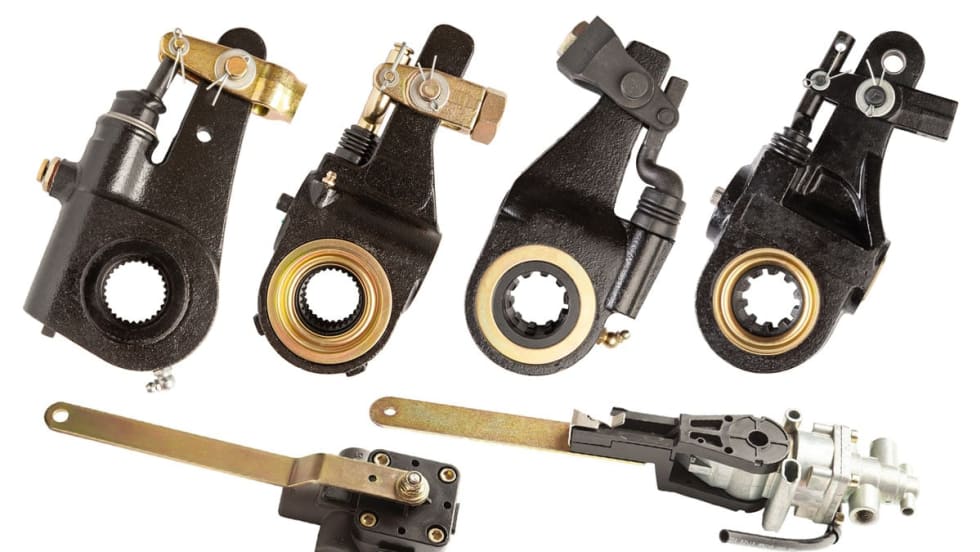
All-Makes Automatic Brake Adjusters, Ride Height Control Valves from Midland
SAF-Holland has added automatic brake adjusters and ride height control valves to its Midland All-Makes Program.
Read More →
ZF Aftermarket Expands [pro]Academy Training
ZF Aftermarket said it is expanding its ZF [pro]Academy training and will be adding 40 new modules this year.
Read More →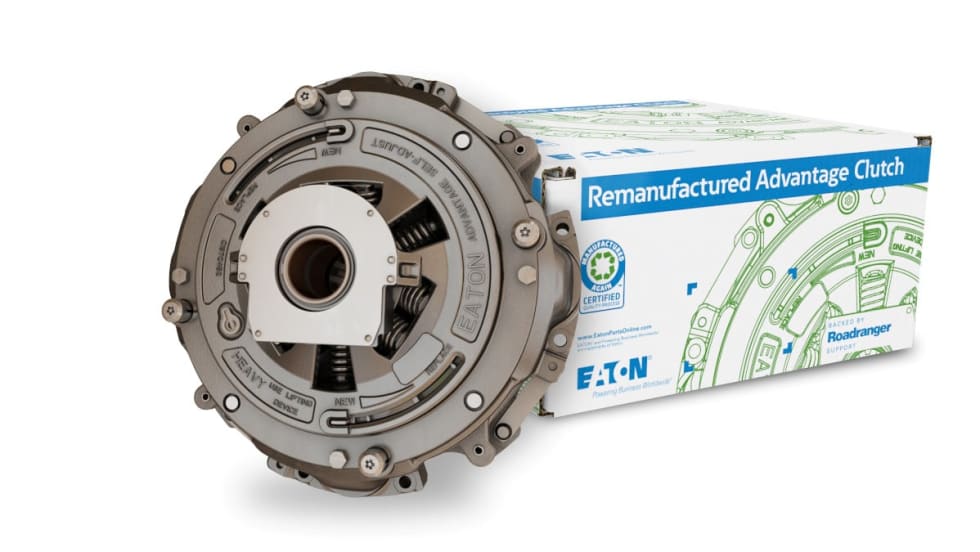
Eaton Adds Remanufactured Advantage Line of Clutches
Eaton has added its Advantage clutches to its remanufactured product line. The clutches feature a unique strap drive intermediate plate designed to allow customers to choose the latest OE specification
Read More →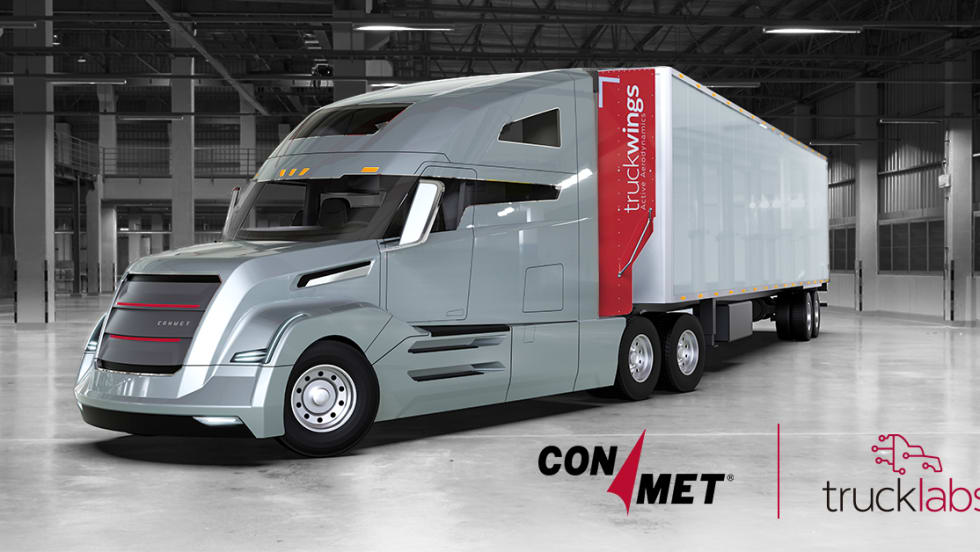
ConMet Acquires TruckLabs, the Creator of TruckWings
Commercial truck and trailer parts provider ConMet acquired TruckLabs, the company that created TruckWings, an aerodynamic device that attaches to truck cabs and deploys to close the gap between truck and trailer. TruckLabs now operates as a subsidiary of ConMet.
Read More →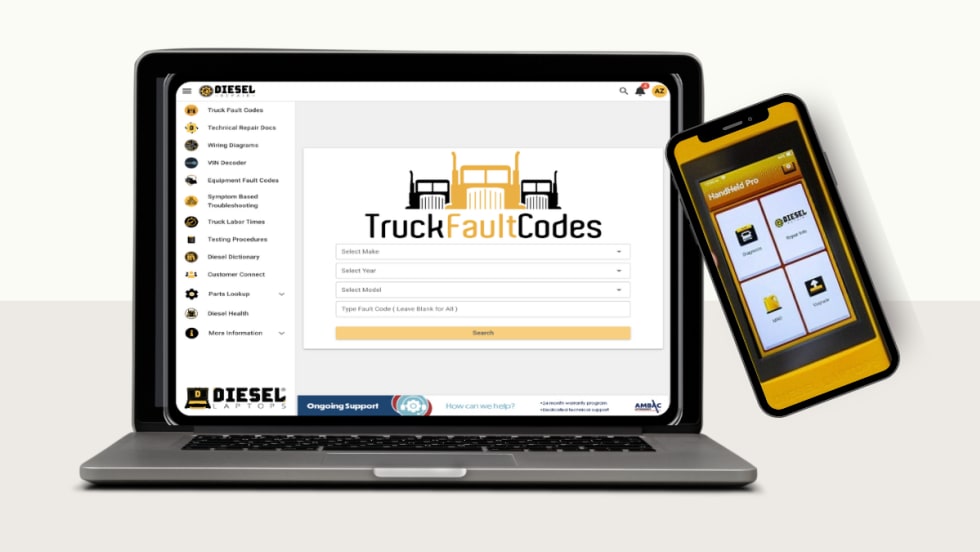
Diesel Laptops Releases Fault-Code-to-Part-Number Tool
Diesel Laptops said its Truck Fault Codes allows users to input a fault code and immediately identify and order the parts needed to complete repair work.
Read More →