




Freight Rates' Wild Ride Has Crested, Says DAT's Croke
Dean Croke, principal analyst for DAT Freight & Analytics, talks about what industry trends he sees in freight rate data.
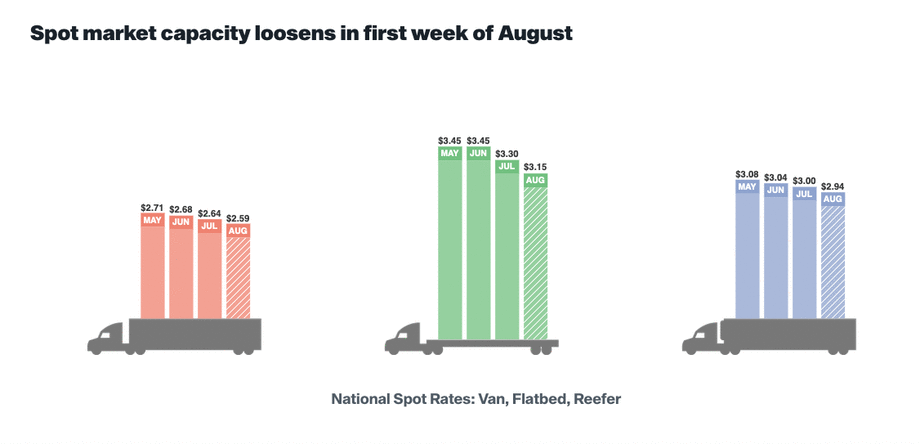
Load posts on the DAT network fell in the first week of August. Lower spot market demand led to softer rates in many markets.
Source: DAT
After a wild post-pandemic ride, the spot market is rebalancing, which has shippers looking for lower contract rates while lower spot rates and high fuel prices is likely driving many owner-operators out of business.
Dean Croke, principal analyst for DAT Freight & Analytics, told HDT in a recent interview that in late July, spot market loads on its DAT One load board platform dropped 16%, from 2.9 million loads to 2.4 million loads. Reefer loads fell the farthest, down 44% year over year; followed by flatbed load posts, down 39% year over year; and dry van posts, down 36% year over year. But posts of available trucks went up.
“Load posts are a really good proxy for demand,” Croke says. “Even though spot market volumes are just 10% to 15% of total loads, spot market activity is a precursor to where contract rates end up.”
What’s Happening in the Spot Market
Typically, he says, contract market rates lag behind spot market rates by four to six months. “Right now, the volume of load posts in the spot market is almost identical to 2018. That is significant; 2018 was a fantastic year for carriers from a demand perspective, even though it was an industrial-driven freight market that helped flatbed carriers most,” he says.
Croke equates demand to the number of loads posted by freight brokers, and supply to the number of carriers posting their equipment on load boards looking for freight. “When we compare the two, you see a mismatch,” he says. “We’ve seen the highest number of trucks posting their equipment looking for work than we’ve ever seen, last week. That shows how loose capacity is and why spot rates are down 30% year to date.”
He attributes the mismatch to the number of independent owner-operators joining the market because of excessively high spot rates over the last 18 months. But spot rates are inching down, changing this trajectory.
“We're seeing the average line haul spot rate hold steady at about what it costs an owner-operator to run a truck,” he explains, meaning owner-operators won’t get a profit hauling those loads. “Your base, your floor price, for operating a truck is not 2019 anymore.”
Croke keeps a database tracking a theoretical or typical owner-operator’s expenses, and right now that’s about $2.03 per mile, versus $1.75 a year ago. “Operators pay $700 for a grease and oil change today, but it cost about $350 a year ago,” he says. “They pay more for tires, more for driver wages,” pushing owner-operator operating costs in his model up nearly 28 cents per mile in a year.
Larger carriers, however, “are coming off of their best year financially in decades, so they are in a much better position to weather the storm.”
Contract Rebidding Takes Center Stage
On the contract side, rebidding reigns as king, according to Croke.
“There is a lot of rebidding going on with core lanes,” he says. “Shippers are rebidding lanes with their incumbent carriers and rates are coming down. We are seeing an 8% to 15% reduction in rates on those call lanes.”
What does this mean for the industry? “Overall, we are seeing rates entering routing guides turn negative for the first time since May 2020,” he says. “That’s why contract rates are going up and spot volumes are down. Because contract rates with fuel have never been higher.”
Croke cautions this doesn’t mean the sky is falling. “But from a market timing perspective, the market has turned. It has crested,” he says.
He explains shippers have been on a wild ride of rate increases since the pandemic began. “Now they seek to claw back the cost they have had to bear,” he says. “They are realizing the next market cycle is just six months away. That upturn in capacity will bleed off spot rates that have bottomed out. Then rates will start to increase again.”
Good News on Diesel
Diesel fuel prices, as of Aug. 8, sat at $4.99 per gallon, down from $5.266 just a few weeks ago.
“As diesel went up, we saw line-haul spot rates go down,” he says. “But as diesel drops, line haul spot rates are going up. It’s a really weird thing because the broker is still moving the load for the same $1,000. It’s just a play with numbers.”
“The price pressure from diesel appears to be tracking identically with the U.S. Energy Information Administration forecast, which is that diesel will hit $4 a gallon by January,” he says. “We are heading in the right direction, barring some kind of global catastrophe. That’s good news for small operators.”
More Insights from Dean Croke:
More Fleet Management
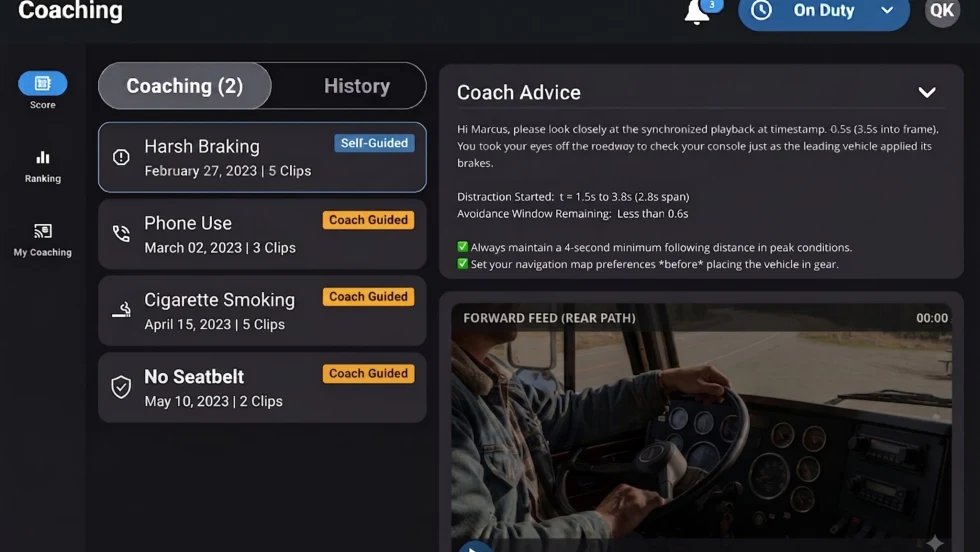
Platform Science Adds Dispatch and Safety Tools
Four additions to PS Fleet help fleets monitor loads, manage driver coaching, share truck locations and adjust video system settings.
Read More →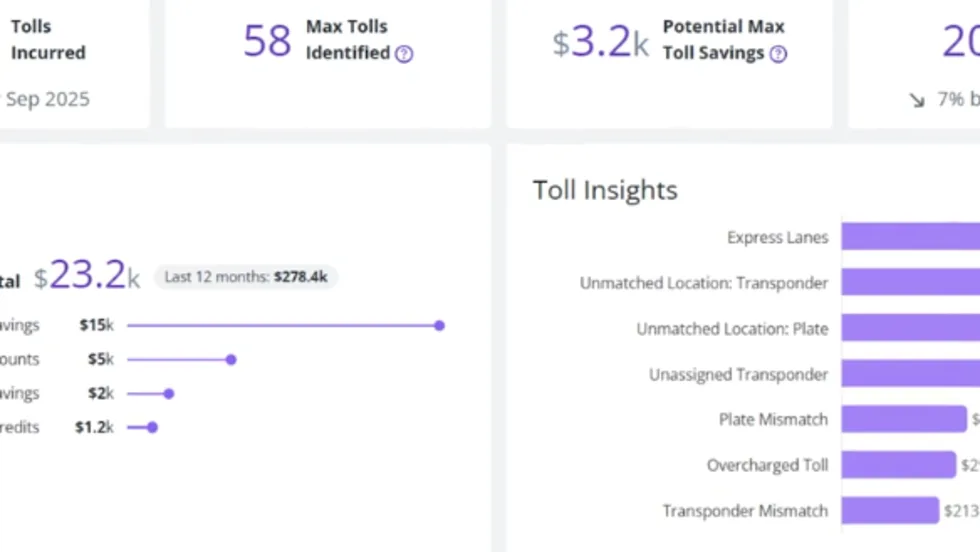
PrePass Intelligence Mines Fleet Bypass, Toll and Safety Data
PrePass Intelligence helps fleets measure bypass savings, flag potential toll overcharges, and spot suspicious transactions by combining data from separate systems.
Read More →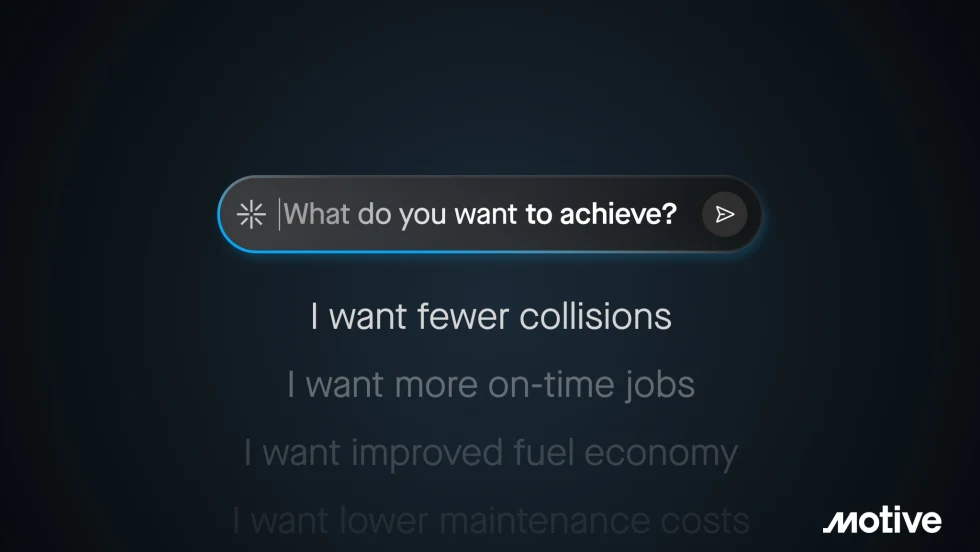
Motive Adds AI Agents for Fleet Operations
New tools automate follow-up on fleet data, from maintenance work orders to driver alerts, with two-way voice conversations planned for later this year.
Read More →
Can You Beat Our Trucking Trivia Challenge?
Test your truck knowledge with 19 trivia questions from Heavy Duty Trucking Exchange. Can you keep up with the fleet pros?
Read More →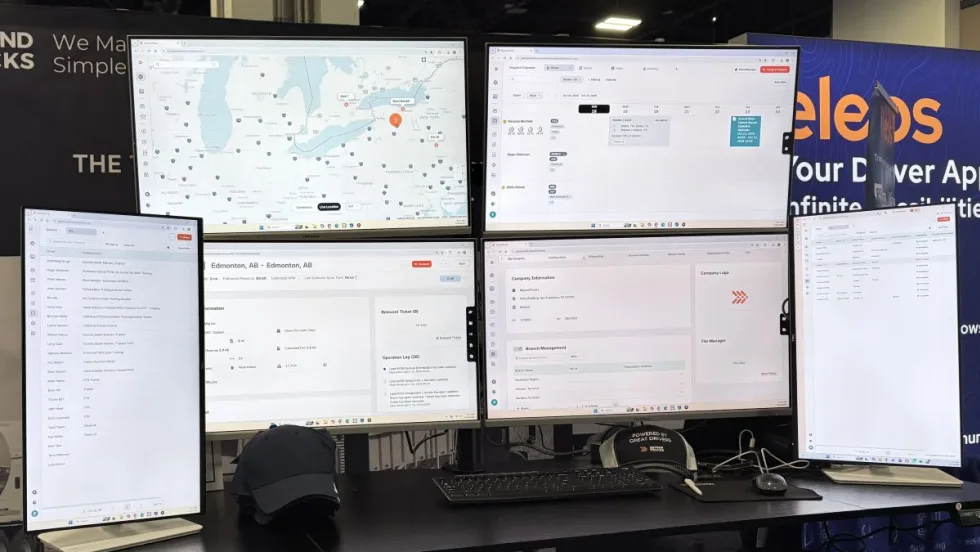
BeyondTrucks Adds Rules Checks to Dispatch
New Compatibility Engine checks driver qualifications, equipment requirements and fleet policies before loads are dispatched.
Read More →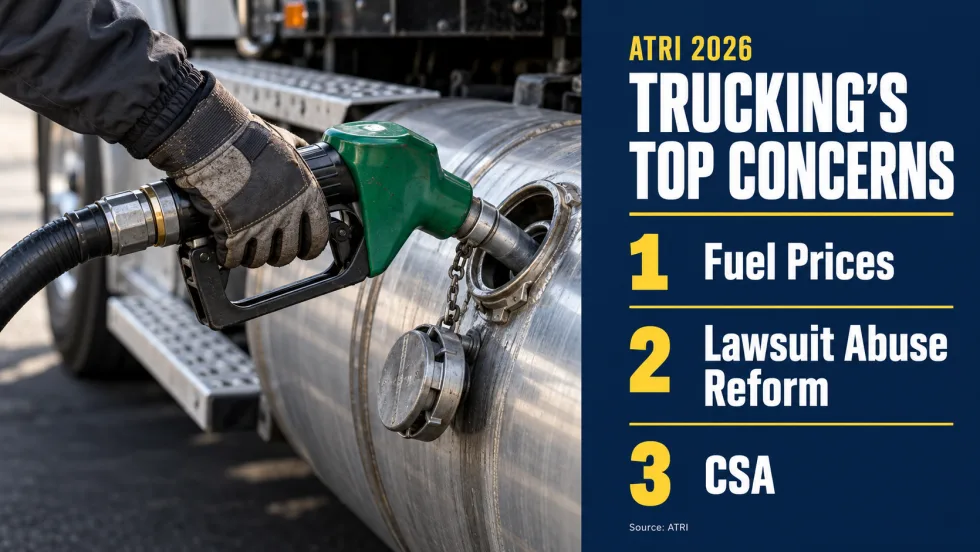
Diesel Prices Hijack Trucking’s Worry List
ATRI’s annual survey finds cautious optimism about freight, but diesel costs, litigation, and insurance continue to squeeze fleets. Drivers have different priorities on several issues.
Read More →
Nomination Deadline Extended for HDT Emerging Leaders
Just a few more days to nominate accomplished trucking fleet professionals under 40 who are making an impact and helping lead the industry forward for the HDT Emerging Leaders award. Deadline extended to October 20!
Read More →
What Will ATA’s New Leader Bring to Trucking's Table?
Incoming President and CEO Mark Colson’s record in Alabama offers clues about his priorities and approach following Chris Spear’s abrupt departure as the head of the American Trucking Associations.
Read More →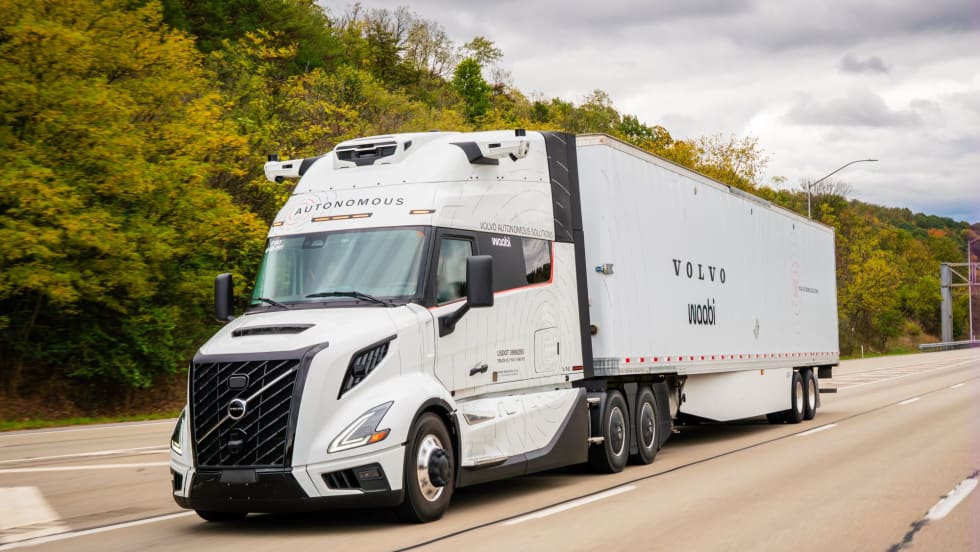
Volvo, Waabi Start Commercial Autonomous Operations in Texas
Volvo VNL Autonomous trucks, powered by the Waabi Driver, are hauling freight directly to third-party facilities for a customer in Texas.
Read More →
Samsara Launches Custom AI Agent Builder
Agent Studio lets fleets create AI tools for hours-of-service monitoring, reporting and driver support, including agents that communicate by phone.
Read More →