




Every Second Counts When Your Driver is at Risk
It’s the call a fleet manager never wants to get — one where your driver has been in a collision. Fleets can leverage video data to make timely business decisions.
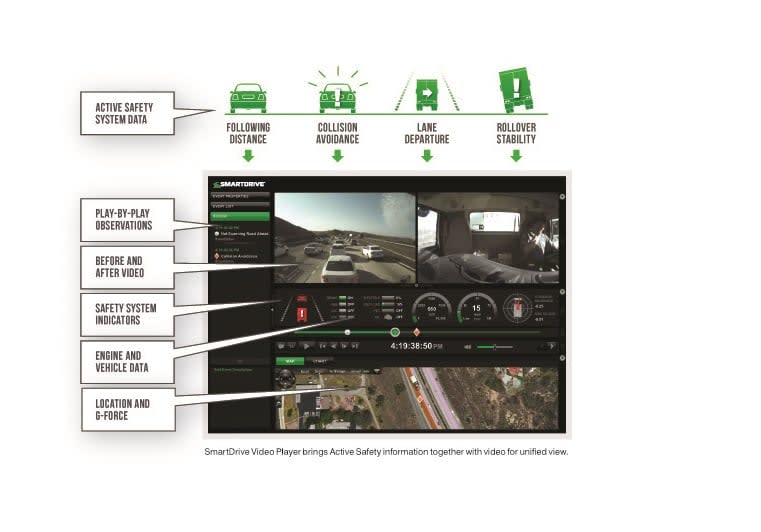

It’s the call a fleet manager never wants to get — one where your driver has been in a collision. According to eyewitnesses, he ran a red light and T-boned a vehicle, but your experience tells you these eyewitnesses are sometimes wrong.
Fortunately, you don’t have to guess or fill in the blanks about what happened because you are able to reference a video of the event, sent to you just minutes after the incident. In the video, you clearly see your driver was doing everything according to his training — seatbelt fastened, two hands on the wheel and eyes scanning the road ahead. As he approaches the intersection, you can also see the traffic light was green at the time of the impact and that it was the passenger vehicle that ran the red light — not the other way around.
Having actionable data within minutes after an incident, especially when it’s a collision, is critical to quickly resolving and remediating the situation, while also reducing future risk. Racing against the clock, fleet managers have to make important and time-sensitive decisions to protect their drivers and the company.
At the time of the incident, the potential for collateral damage can be significant — from legal setbacks, driver dismissals, injury claims, and shipping delays to damaged CSA scores. With a video recording of the event accessible in just minutes, a fleet manager can be equipped with the right information — at the right time — to exonerate the driver if he or she is not at fault.
Driving insight
In the last 15 years, technology has fundamentally changed the way we communicate, interact and do business. In the transportation industry, in-cab solutions and telematics systems have become increasingly sophisticated, providing huge quantities of data and insight about “critical events” — hard braking, lane departures, sudden accelerating and deceleration and more — with the goal of helping managers and drivers understand their risk and improve safety.
However, the sheer volume of this data and its often-tabular report format leaves more questions than it answers. Video provides that a piece of information, delivering driving insight not possible from other systems.
Video-based safety programs capture driving skills and driving conditions, as well as important vehicle data, including speed, brake and throttle position. The technology inside trucks gives fleet managers the necessary insight to understand the dynamics of an incident, such as whether collision avoidance or lane departure warning was engaged, what the driver did or did not do, how the vehicle responded – and what coaching should take place.
Most importantly, when a critical incident occurs fleet managers have access to the video within minutes — when now versus later makes a huge difference. Immediate access to this video footage can make the difference between keeping great drivers on the road (and freight on schedule) and costly delays.
Data has a shelf life, and video is no exception. Understanding driving risk as quickly as possible helps fleets understand where to focus their resources. Video-based safety programs are helpful in not only the most severe situations but also at identifying the risk areas that lead to collisions. These programs identify risk before it becomes a problem, prioritizing areas to focus on as quickly as possible, ensuring that managers are coaching the right drivers on the right things.
Because fleet managers are targeting their efforts in the appropriate areas, and doing so in a timely manner versus weeks or months later, their coaching effectiveness improves, dramatically reducing risk and preventing incidents from happening in the future.
Trucking fleets that use video-based safety programs typically see collision costs reduced by up to 70 percent in the first year — more than paying for the cost of implementation — along with a sustained management and reduction in CSA violations.
With a video-based safety program, fleets are better able to protect drivers, lower risk and improve their bottom line, delivering an important and sustainable competitive advantage. At the end of the day, time is money, and data-driven video-based solutions put time back on the fleet’s side.
Adam Kahn is the senior director of product marketing at SmartDrive Systems, which offers vehicle data and video event recording technology. Kahn has more than 20 years of transportation and logistics marketing experience, including 15 years at Omnitracs.
This article was authored under the guidance and editorial standards of HDT's editors to provide useful information to our readers.
More Fleet Management
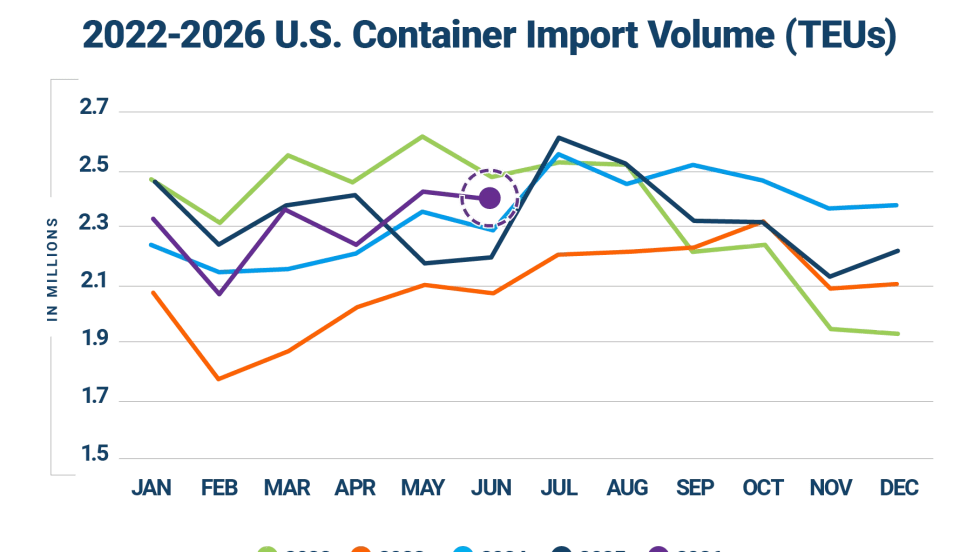
Import Cargo’s Early Peak Season is Winding Down
There was an early start to peak season this year at the nation's gateway ports, as retailers brought in merchandise ahead of tariff changes in late July and responded to other supply chain uncertainties,
Read More →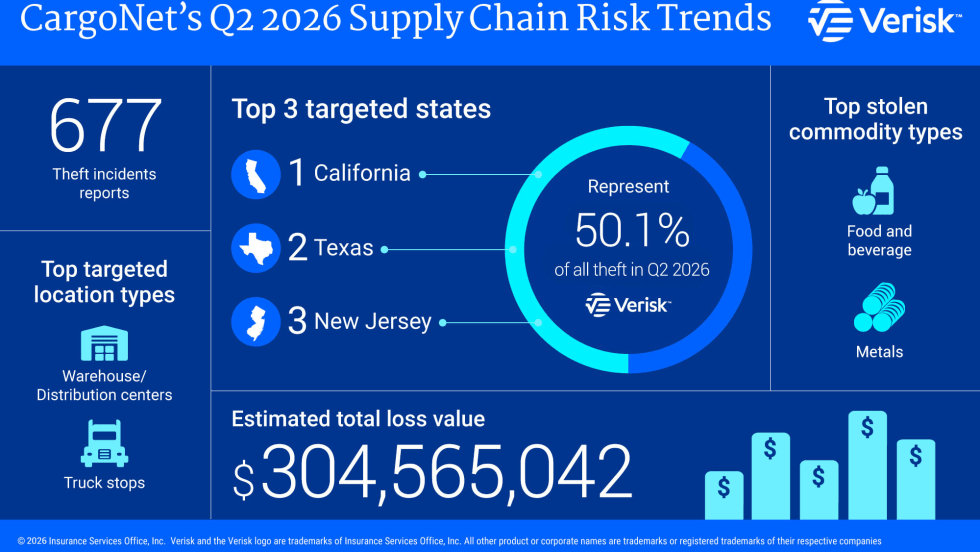
Fewer Cargo Thefts, Bigger Losses: Criminals Target Higher-Value Loads
CargoNet says organized theft rings are stealing fewer shipments but choosing more valuable freight, including metals and technology, resulting in record losses.
Read More →
How Innovative Trucking Leaders Turn Change Into an Advantage
As the pace of change accelerates in trucking, the fleets that adapt best have more than the latest technology. They have cultures that embrace improvement.
Read More →
Freight Broker Bonds Just Got Harder to Get. Here's What That Means for Your Fleet.
When it gets harder for a freight broker to prove they are financially sound, the ones who cannot clear that bar get pushed out of the market. And those are exactly the brokers who used to leave motor carriers holding the bag.
Read More →
Long-Awaited Canadian Border Bridge to Open in Detroit
For trucking, the bridge opening should offer immediate improvements in efficiency and reliability, with new customs facilities, expanded inspection capacity, and direct freeway-to-freeway connections.
Read More →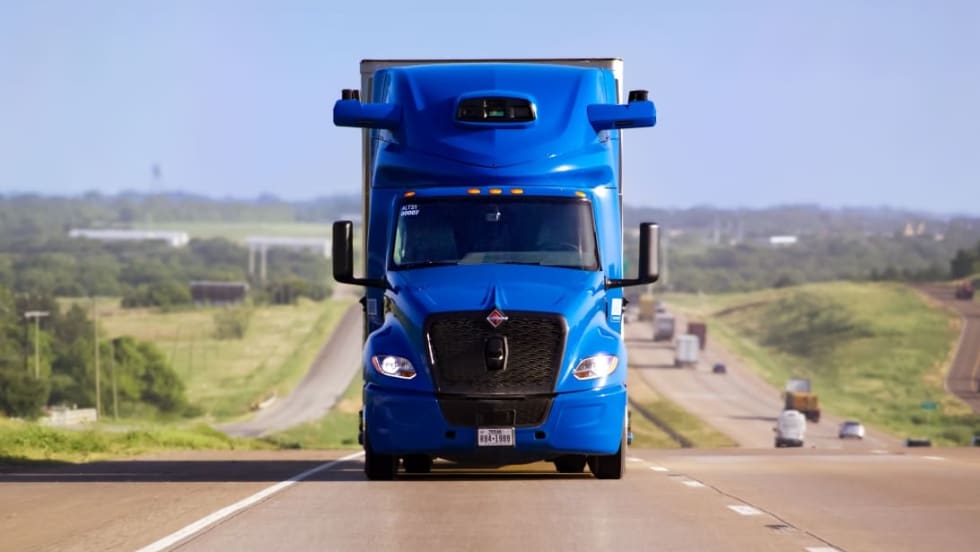
Aurora Rolls Out Next Generation of Driverless Trucks for Commercial Freight
Aurora's latest autonomous trucks it's rolling out with International feature lower-cost hardware designed for a million miles as the company expands commercial driverless freight operations across the U.S. Sun Belt.
Read More →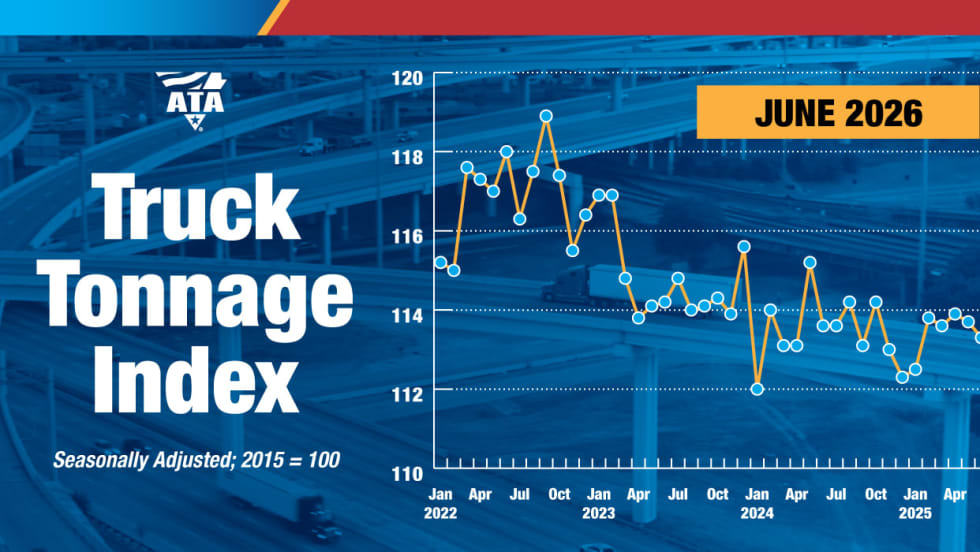
Freight Tonnage Down, Rates up, as Lower Capacity Powers Trucking Recovery
The recovery from the freight recession continues to be driven by reduction in capacity rather than by increased demand.
Read More →
Think Your Trucking Fleet Isn't Using Much AI? Think Again
Shadow AI — the use of unauthorized artificial intelligence tools at work — is becoming increasingly common, putting sensitive company data at risk. Learn how trucking fleets can protect sensitive data while embracing AI.
Read More →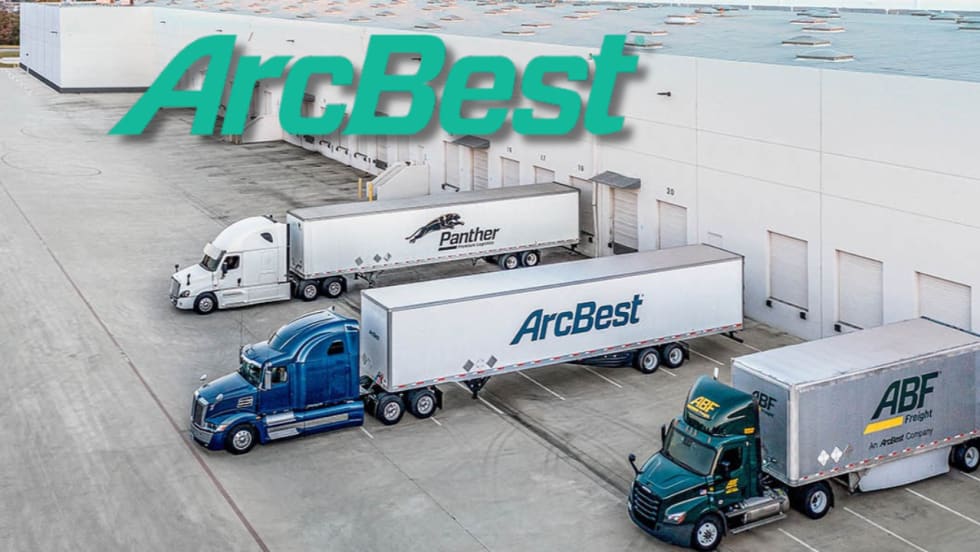
ArcBest Consolidates Brands, Cuts Workforce
The company will bring three business units under the ArcBest brand, eliminate about 2% of positions, and expects the changes to generate $40 million in annual savings.
Read More →
Trucking Fleets Faced Record Operating Costs During Third Year of Freight Recession
ATRI's annual operational cost report shows carriers trimmed fleets, delayed equipment purchases, and ran older trucks as expenses continued to outpace freight rates.
Read More →