




Driving Tips to Protect Light-Duty Fleets This Winter
As we settle into the new year, winter 2012 is just beginning to flex its muscles
As we settle into the new year, winter 2012 is just beginning to flex its muscles.
The cold weather, morning frost, slick roads and snow have arrived and aren't showing any signs of stopping.
According to the Federal Highway Administration, approximately 40% of crashes each year are directly related to snow, sleet, ice or other winter weather. The good news is that fleet managers don't have to spend this winter holding their breath, hoping accidents don't happen. It's possible to reduce that stress and anxiety and ensure a safe and cost-effective winter season.
Here are some tips to pass along to drivers to help them navigate the slippery roads this winter.
1. Leave enough time to safely reach your destination, and plan your route ahead of time. If possible, avoid hills, bridges and congested areas.
2. Completely remove snow and ice from all windows, mirrors, lights, turn signals and license plates.
3. Remove snow and ice from your shoes before entering your vehicle. Melting snow and ice can create moisture buildup and cause your windows to fog. Reduce fogging by turning off your air recirculation and running your air conditioner briefly, which will act as a dehumidifier.
4. As always, buckle up.
5. Use your headlights to increase visibility to other vehicles.
6. Accelerate, brake and steer in a smooth and gradual manner. Avoid quick starts and stops and fast turns.
7. Remember that four-wheel-drive vehicles cannot necessarily turn or stop any better than two-wheel-drive vehicles.
8. Slow down! Posted speed limits are based on ideal road conditions.
9. Use low gears to keep traction, especially on hills.
10. DO NOT use cruise control.
11. Leave extra distance between your vehicle and the one in front of you. You should allow at least three times more space than usual.
12. If your vehicle begins to skid, steer in the direction of the slide and slowly remove your foot from the accelerator.
13. If you get stuck in the snow, do not spin your wheels. This will only dig you in deeper. Turn your wheels from side to side a few times to push snow out of the way. Lightly touch the accelerator and ease your vehicle out. You can also pour sand, kitty litter, gravel or salt in the wheel path to provide additional traction. You can also try "rocking" your vehicle, shifting from forward to reverse and back again. Each time you are in gear, apply a light touch to the accelerator. Be sure to consult your owner's manual before "rocking" your vehicle, as it can damage the transmission on some vehicles.
Reviewing the basics of winter safety with drivers can be the difference between success and tragedy this winter. Don't let your drivers get behind the wheel without a friendly reminder. Here's to a happy, healthy 2012.
Ed Iannuzzi from ARI works closely with clients on proactive accident management techniques, such as interactive, realistic driving simulations, trainings and education. ARI is a global fleet services provider specializing in complex car and truck fleets.
More Fleet Management

Jamie Hagen Gets Real About Running a Small Fleet in an Uncertain Economy
Small fleet owner Jamie Hagen says new legal risks, volatile fuel prices, and a changing freight market are forcing small carriers to rethink how they operate -- and what they can afford.
Read More →
Jamie Hagen Gets Real About Freight, Fuel Prices, Safety, and Small-Fleet Survival
Running a small trucking fleet right now isn’t easy, especially right now. And Jamie Hagen doesn’t sugarcoat it.
Read More →
Jamie Hagen Gets Real About Freight, Fuel Prices, Safety, and Small-Fleet Survival
Running a small trucking fleet right now isn’t easy, especially right now. And Jamie Hagen doesn’t sugarcoat it.
Read More →
Data Lock‑In or Integration Lock‑Out?
Data fragmentation is costing dealerships, OEMs, fleets, and upfitters millions. Here’s why interoperability may be the fix the trucking industry needs.
Read More →
What Trucking Fleets and Brokers Need to Know About This Supreme Court Case
In May, the U.S. Supreme Court ruled that freight brokers can be held liable for damages if a truck they have contracted with is involved in an accident. Listen as this transportation attorney breaks down the ruling and its implications for the trucking industry.
Read More →
The Trucking Industry’s Threat Intelligence Gap
The trucking industry has no shortage of cybersecurity reports and cargo crime statistics. What it lacks is timely, operational intelligence that fleets can actually use.
Read More →
Truck Crash Rates Are Down. So Why Do Insurance Costs Keep Rising?
ATRI’s latest research points to litigation, social inflation, and soaring claims costs as key drivers behind record-high liability premiums for trucking fleets. But there are things motor carriers can do.
Read More →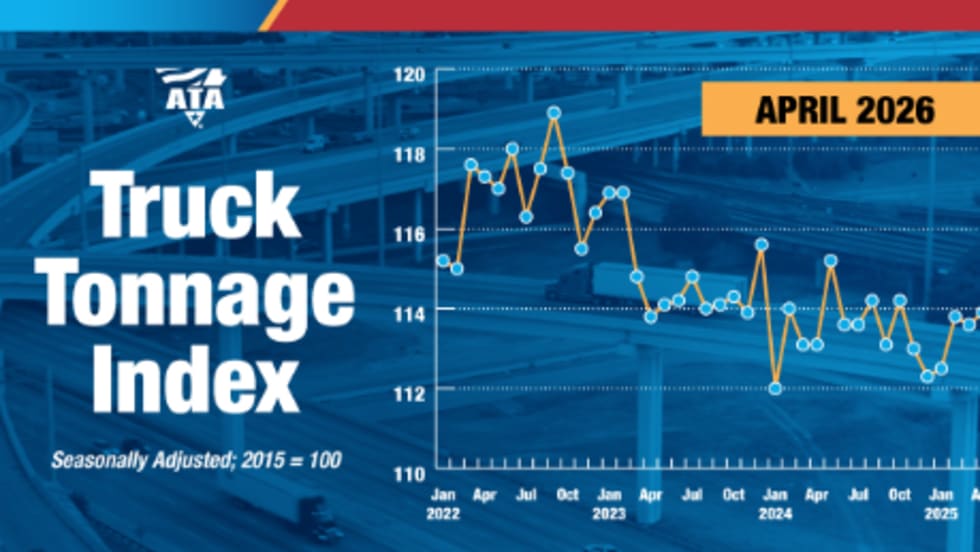
ATA Truck Tonnage Holds Steady in April at Highest Levels Since 2022
ATA’s For-Hire Truck Tonnage Index was unchanged in April after a strong March gain, with freight volumes remaining at their highest levels since late 2022.
Read More →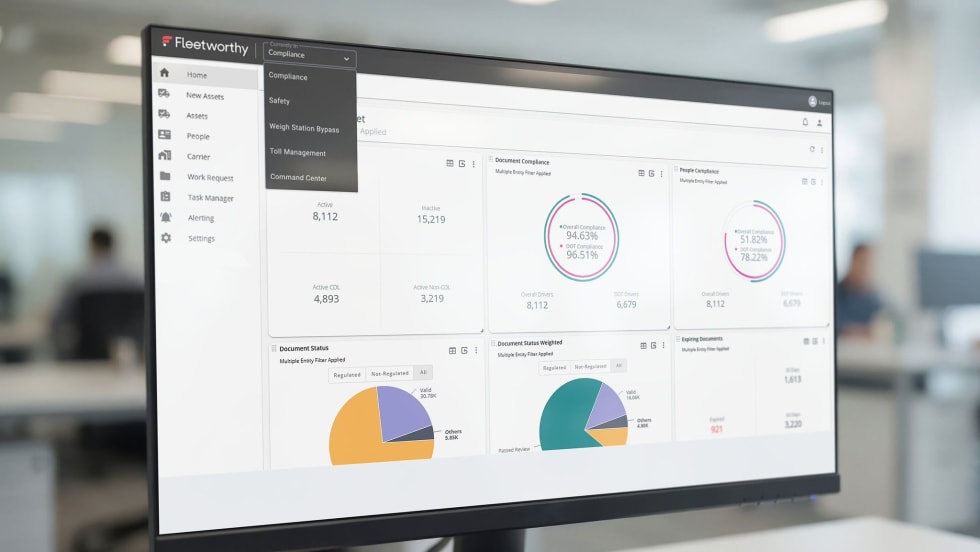
Fleetworthy Launches Connected Platform for Fleet Readiness Across Safety and Compliance, Toll Management, and Weigh Station Bypass
Fleetworthy has unveiled three major product launches it says mark a new era in fleet readiness.
Read More →
Behind the SCOTUS Broker Ruling Part 1
Transportation attorney Greg Feary breaks down the recent Supreme Court decision that brokers can be held liable for damages in truck accidents and what it means for the trucking industry going forward.
Read More →