




Truck Driver Apprenticeship Program Gets Thumbs-Up
It’s early days, but new effort to boost driver numbers is being seen as a positive.


It’s early days, but new effort to boost driver numbers is being seen as a positive.
File Photo: A. Duie Pyle
The average driver waits four and a half hours for their truck to be loaded and unloaded during an 11-hour shift — 40% of their day. And often, they don’t get paid for that wait time,” said President Joe Biden at a White House event in April.
Biden was speaking to the obstacles truck drivers face and how his administration’s Trucking Action Plan aims to tackle those challenges while strengthening the nation’s supply chains. He also pointed to stagnating wages. In 1978, he said, the average truck driver’s pay was $34 an hour in today’s dollars. Last year, it was just $25 an hour — a 30% decline.
“In this iconic American industry, it’s getting harder and harder to raise a family with dignity and pride… it’s no surprise so many drivers [have] left their jobs.” He said that the driver workforce is aging, yet “it’s getting harder and harder to recruit new drivers, particularly women and people of color, to an industry that this nation and our economy desperately needs at full strength.”
The key message of Biden’s speech was to urge employers to take part in the Department of Labor’s Registered Apprenticeship Program for truck drivers to attract the next generation of truckers. He said the program allows “aspiring drivers to learn while — earn while they learn — while making this essential job more attractive for potential drivers regardless of age, background, and gender.”The president said that in the prior 90 days, 100 major employers had launched new registered apprenticeship programs, including UPS, Domino’s, Pepsi, and Albertsons, along with industry groups, such as the American Trucking Associations, the National Minority Trucking Association, and the Food Industry Association.
The Trucking Action Plan was launched jointly in December by the DOL and the Department of Transportation. Its public-private initiatives seek to boost the number of truck drivers by creating new pathways into the career path, increasing training via registered apprenticeships, and improving aspects of the job to better retain drivers.
On hand for the White House event was J.B. Hunt Transport Senior Vice President Greer Woodruff, who was also representing the Trucking Alliance. He said registered apprenticeships are “recognized as the gold-standard of workforce training,” and that the Biden Trucking Plan is “an efficient and effective solution.”
Woodruff announced that member carriers of the Trucking Alliance, whose companies collectively employ more than 80,000 drivers, will offer truck driver registered apprenticeships at more than 200 locations in 36 states, “backfilling many positions and creating more opportunities.”
American Trucking Associations CEO Chris Spear welcomed the spotlight cast on the apprenticeship programs, which includes the departments making it faster and easier to get such programs approved and established. Noting that the DOL and DOT “have worked quickly and efficiently in approving ATA as a registered apprenticeship sponsor,” he said in a statement, “This long-sought designation provides our member companies valuable new tools and resources to help recruit and train the next generation of trucking talent.”
The Owner-Operator Independent Drivers Association did not applaud the speechmaking so loudly, but it approved of the progress made so far on trucker apprenticeships.
“The Biden Trucking Action Plan remains a mixed bag of policies intended to improve jobs and employment opportunities within the industry,” OOIDA said in a statement. “Today’s update notes significant progress on establishing apprenticeship programs and plenty of funding to help states expedite CDLs, but we have yet to really see any substantive actions that can help keep new or current drivers in the industry long-term.”
OOIDA applauded the administration for adding truck parking to the plan and said it’s pleased that the DOT has started gathering information on detention time and driver compensation.
More Drivers
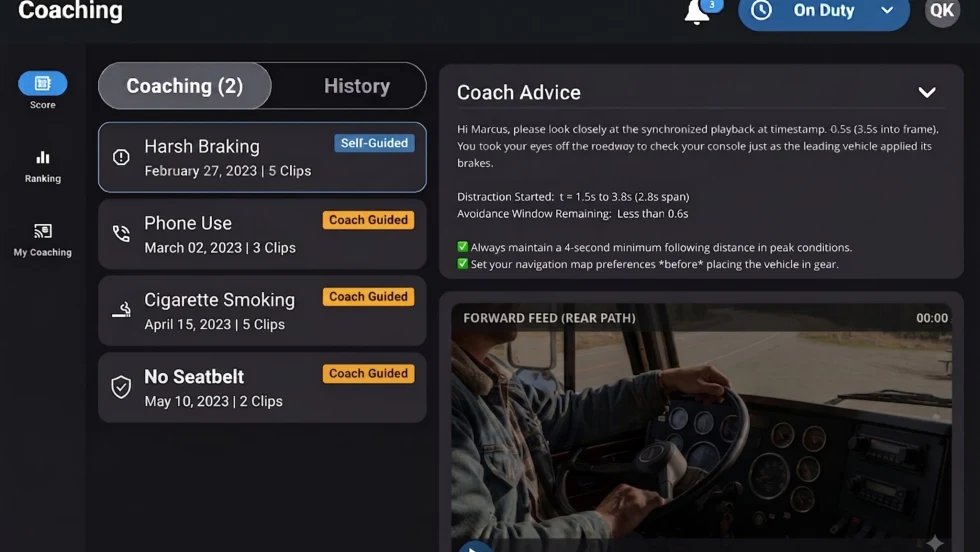
Platform Science Adds Dispatch and Safety Tools
Four additions to PS Fleet help fleets monitor loads, manage driver coaching, share truck locations and adjust video system settings.
Read More →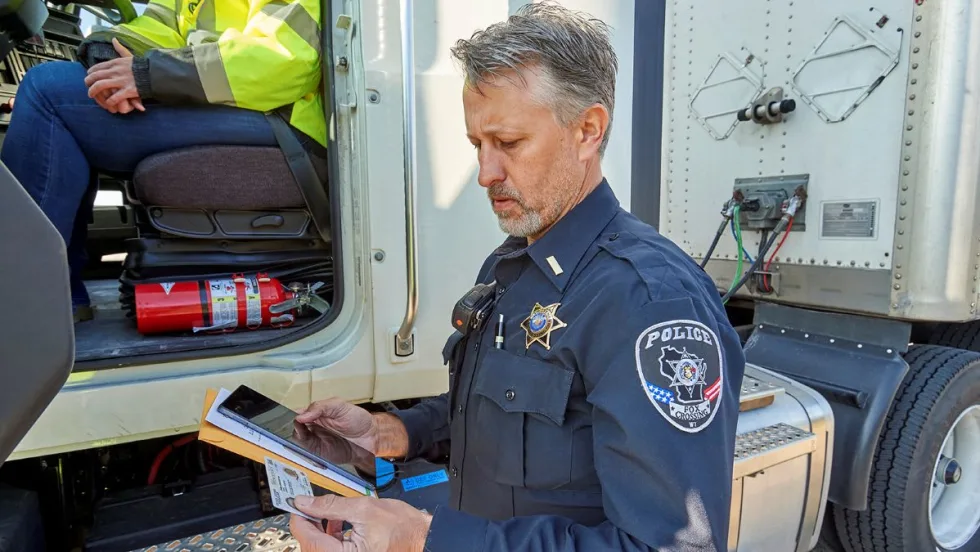
When Language Stops the Truck: The Return of ELP Out-of-Service Orders
English language proficiency rules for commercial drivers aren’t new, but renewed out-of-service enforcement has raised the stakes. Here’s what carriers need to know before a driver reaches a roadside inspection.
Read More →
Samsara Launches Custom AI Agent Builder
Agent Studio lets fleets create AI tools for hours-of-service monitoring, reporting and driver support, including agents that communicate by phone.
Read More →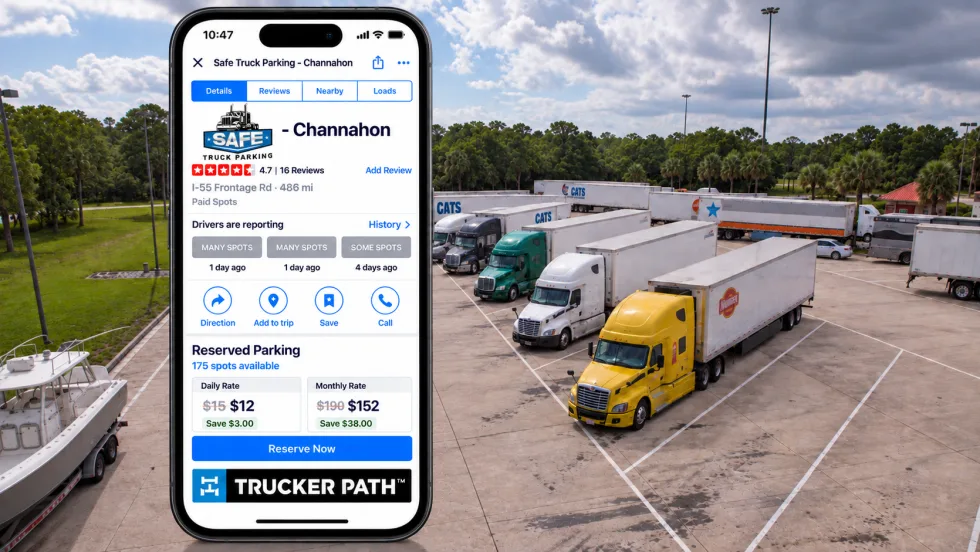
Trucker Path Expands Reserved Parking Network
Trucker Path has added close to 6,000 more truck parking spaces to its Trucker Path Reserved Parking Network with the addition of Safe Truck Parking.
Read More →
EEOC Sues Texas Trucking Company Over Driver Age Limits
The agency says Trancasa USA rejected applicants over 65 and applied tougher driving-record standards to those over 60.
Read More →
Nussbaum, Roehl Announce Second Driver Pay Increase This Year
This year has seen a swath of major truck driver pay increases as freight capacity has tightened.
Read More →
From One Generation to the Next: How Mentorship Builds Safer Truck Drivers
After three decades in trucking, Harold Perry shares what he's learned about driver safety, mentorship, and helping the next generation build confidence behind the wheel.
Read More →
Truck Drivers Need More Than Another Alert
Fleets have more visibility into truck health, safety events, and driver activity than ever. The next challenge is turning all that information into useful guidance for the person who has to decide what to do next.
Read More →
FMCSA Removes 110 Truck Driver Training Schools from Certified ELDT List
Federal regulators also are targeting more than 160 additional training providers and launching a nationwide audit of third-party CDL skills testers as part of a broader crackdown on trucking fraud.
Read More →
Hours of Service Pilot Programs: FMCSA Readies for 2027 Rollout
Two pilot programs could eventually reshape hours-of-service rules, giving truck drivers options to pause their 14-hour clock or use longer split sleeper rest periods.
Read More →