




Related: How One Fleet Faces Maintenance Tech Shortages Head-On
Commentary: The Enduring Technician Shortage
There’s a challenge that’s been haunting almost every maintenance and repair manager for as long as Executive Contributing Editor Rolf Lockwood has been writing about trucking.The shortage of skilled mechanics and technicians is a plague that just won’t go away.
by Rolf Lockwood
March 15, 2019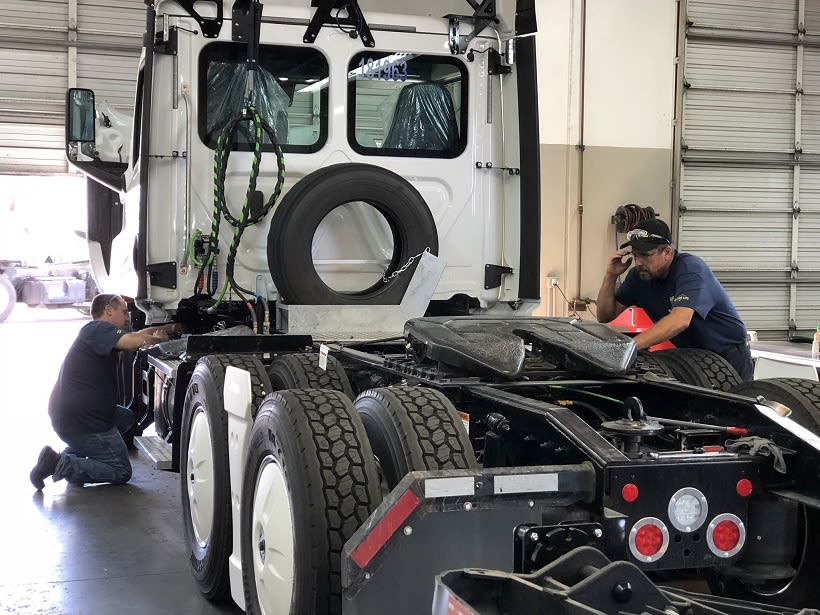
For decades now, the shortage of skilled truck mechanics and technicians is a plague that just won’t go away.
Photo: Steven Martinez
3 min to read
Practitioners of the trucking art are a resourceful breed. They get things done. That’s true in the shop just as much as anywhere else. Yet there’s a challenge that’s been haunting almost every maintenance and repair manager — at fleets, dealerships, and independent garages alike — for as long as I’ve been writing about this industry of ours.
The shortage of skilled mechanics and technicians is a plague that just won’t go away.
It was the subject of a key panel session at the first maintenance conference I attended as a trucking journalist way back in 1979. A major issue four decades ago — four decades! — and it still is, with not much progress made.
One of the challenges, as we’ve heard endlessly about the shortage of willing drivers, is that demographics are working against us. We have a workforce that keeps getting older, that’s shrinking as retirements occur because we can’t get enough young’uns to join the party. It’s tough to make a brake overhaul look sexy. Things are no different in other industries, from plumbing to electricians to you name it. Small consolation.
In the course of looking for background information on this subject, I came across an old HDT article by my friend and veteran journalist John Bendel on this very subject. From the April 2000 issue, entitled “Crisis in the Shop,” it could have been written today.
Veteran man-about-the-maintenance-world Duke Drinkard, now retired, made an excellent point in John’s piece. Then vice president of field maintenance for Southeastern Freight Lines, a less-than-truckload carrier, he said the mechanic shortage is not about numbers — it’s about competence.
“The drain of experienced mechanics through retirement and various attritions is taking the knowledge out, even though we have close to the same numbers,” Drinkard said. “Those coming in are not coming in with the knowledge that we’re losing. That’s a big loss to us.”
Whether you look at it as a lack of people or of expertise, the mechanic shortage is a serious concern that grows more critical all the time, John wrote. The problem is worse for fleets than, say, dealerships or equipment manufacturers.
“We are no longer in competition just with other trucking companies for experienced people,” said Drinkard. “We’re in competition with various other trades, vocational groups, and utility companies. If you get a knowledgeable fellow who’s up on electronics, computers, and troubleshooting, you’re actually in competition with the IBMs of the world.”
The consensus of the people John interviewed back then was clear: We’re going to be in trouble some day soon. Sadly, I’d heard the same thing 21 years earlier at that maintenance conference. When people do talk about it today, I hear the same tune again — but it tends to get drowned out by the driver shortage and other issues.
The technician shortage rarely gets a mention in the never-ending stream of surveys and reports and analyses about trucking and its key issues, serious though it is.
I don’t have a solution, but I think it starts, as I actually wrote in the late 1970s and John Bendel’s people said in 2000, with changing attitudes about what constitutes a good post-high-school education. Does everyone need to go to college? Why not a trade?
Subscribe to Our Newsletter
More Maintenance
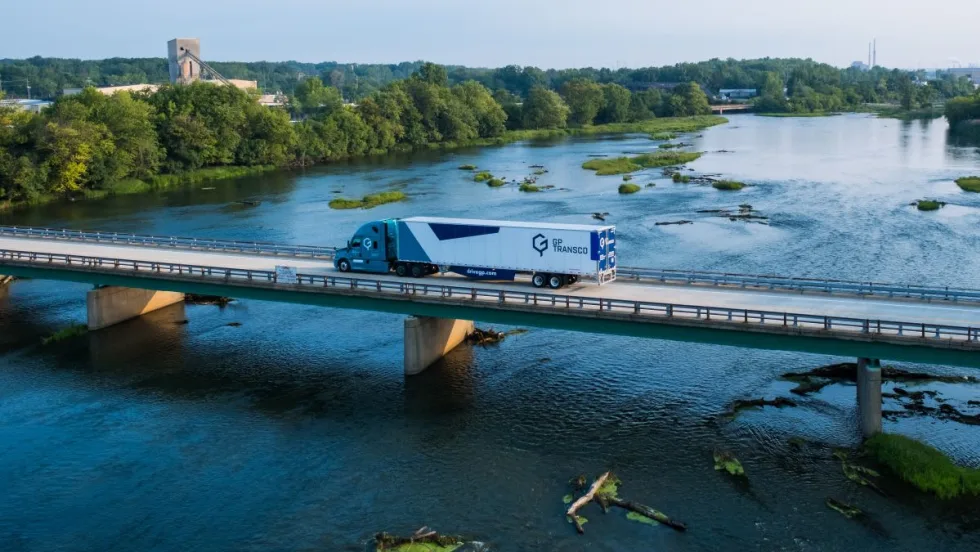
How GP Transco Builds Fuel Savings a Fraction at a Time
Aerodynamic specs, solar panels, and driver incentives help GP Transco turn small efficiency gains into savings it can reinvest in its people.
Read More →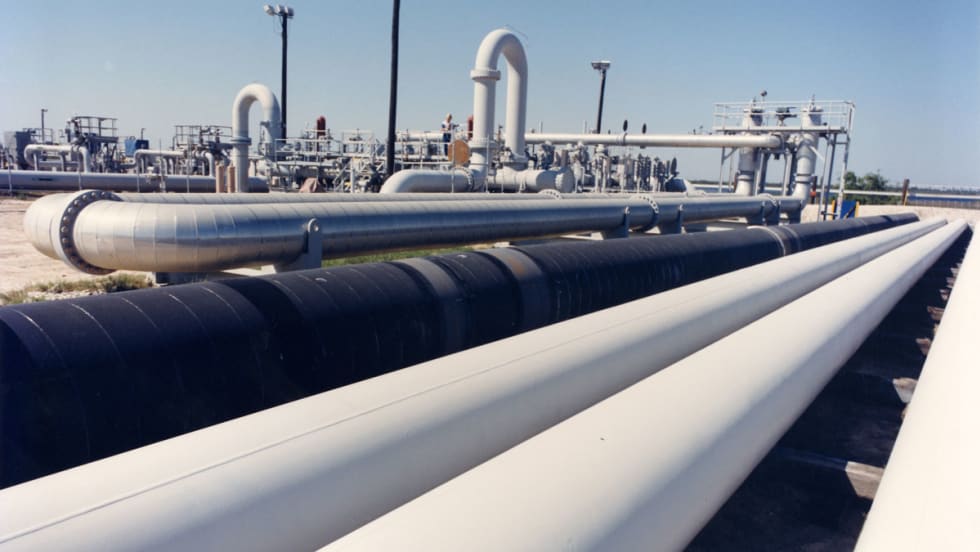
Oil Crisis Squeezes Trucking Lubricant Supplies
Fleets report higher lubricant costs as Middle East disruptions tighten supplies of ingredients used in synthetic engine oils and some driveline lubricants.
Read More →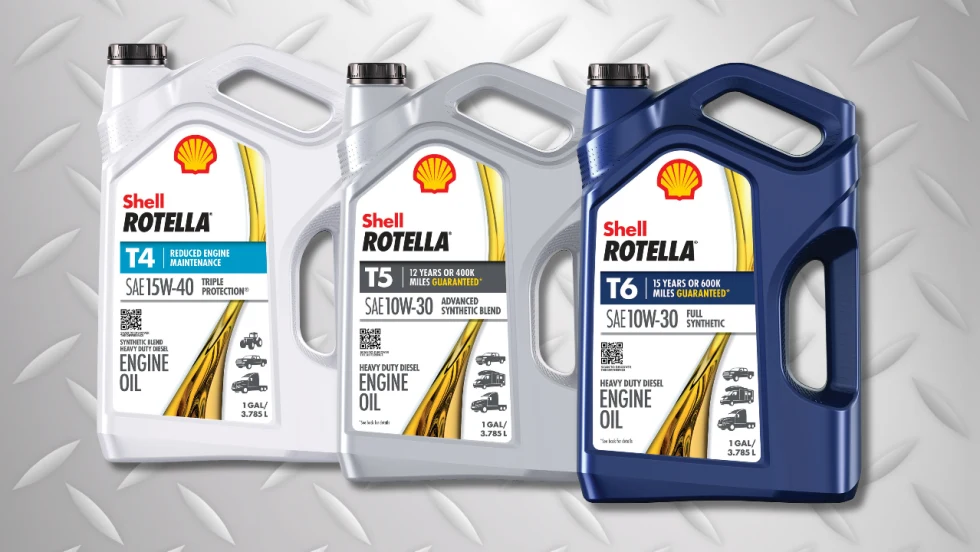
Shell Prepares Rotella Oils for 2027
New CL-4 and FB-4 formulations will begin arriving in early 2027, with improved protection against oil breakdown, wear and deposits, according to Shell.
Read More →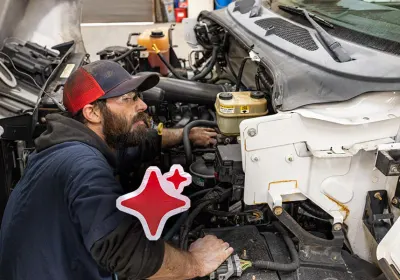
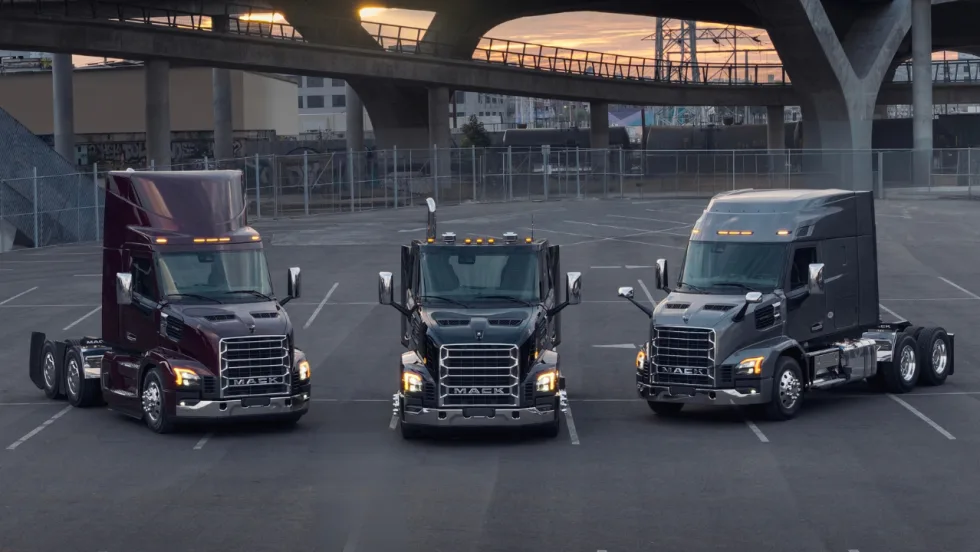
Mack Expands Extended Coverage With Four Chassis System Plans
Mack Trucks' new system-specific coverage options allow heavy-duty fleets to select protection for driveline, cab, HVAC, electronics, and advanced safety components.
Read More →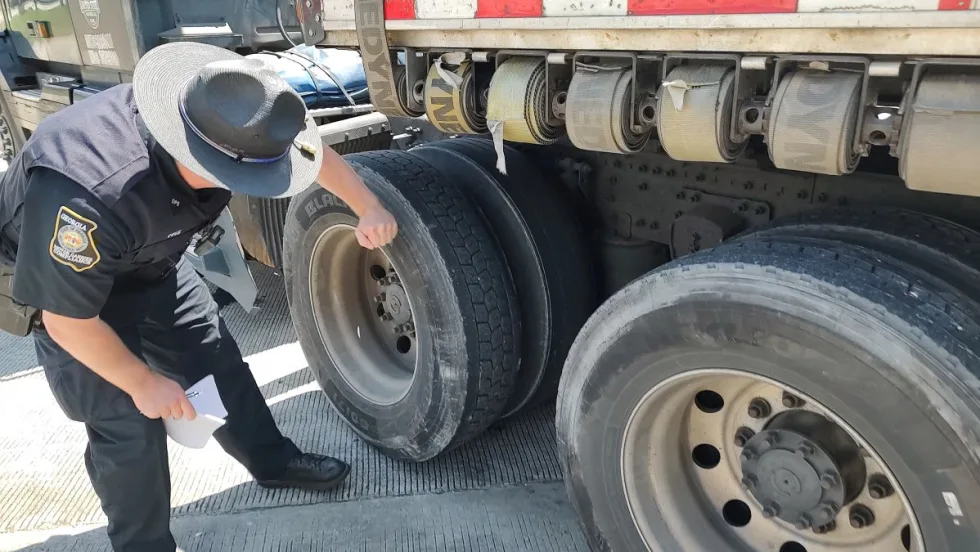
What an Out-of-Service Order Really Costs, and How to Plan for One
The repair invoice is the first number you see — and often one of the smallest. Here’s what else an out-of-service order can cost a fleet, and how planning can reduce the damage.
Read More →
International Launches Online Truck Parts Store
Fleetrite.com lets fleets and repair shops find OEM and all-makes parts, check prices and availability, and order without calling a parts counter.
Read More →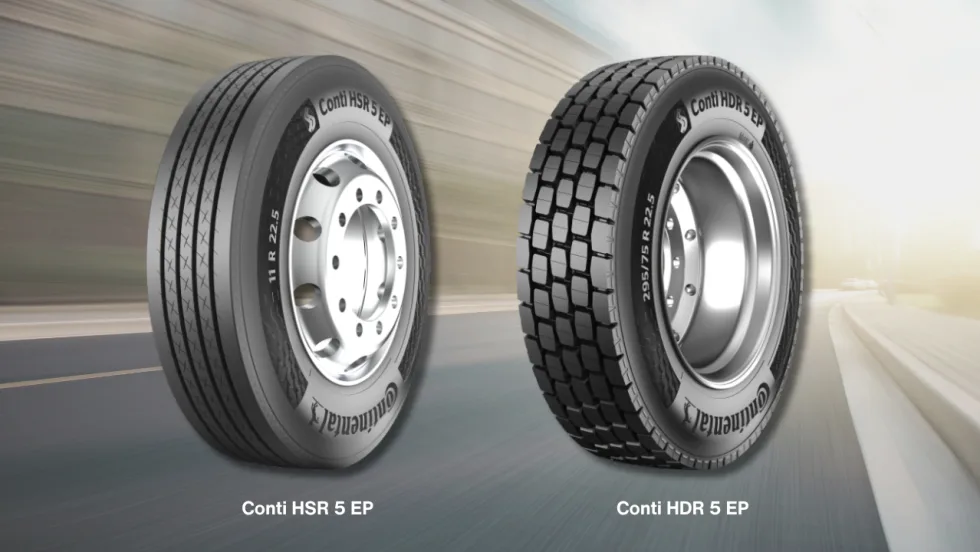
Continental Introduces New Regional Truck Tires
Continental says its new Generation 5 steer and drive tires for regional operations offer longer tread life, with estimated mileage gains of 22% and 19%, respectively.
Read More →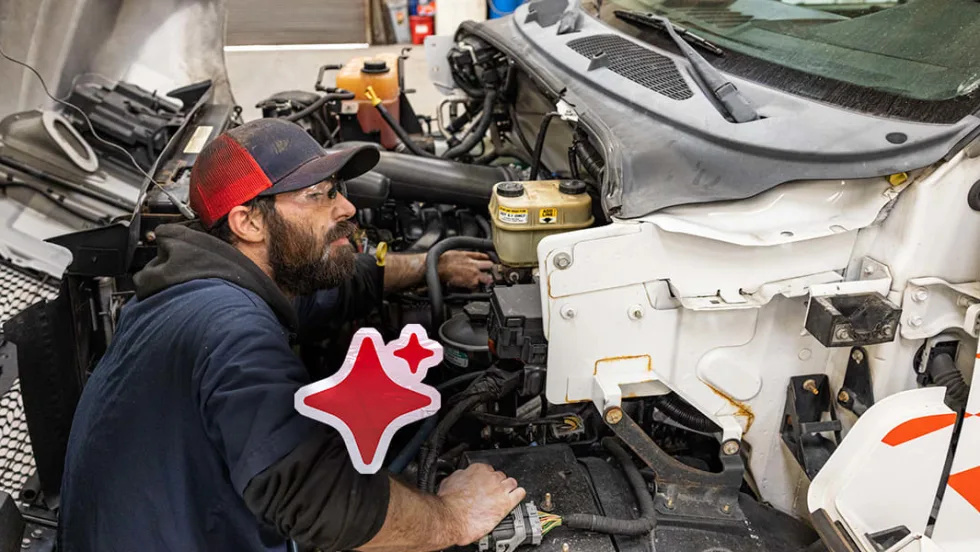
Sponsored•October 1, 2026
How AI Can Help Your Techs’ Efficiency
The technician shortage isn't going away, and no single fix can close the gap on its own. Trent Broberg makes the case that AI's real job in the shop is protecting the billable hours and job satisfaction of the techs you already have, not asking them to work faster.
Read More →
Color Match Smarter: Tools That Restore & Perform
For fleet managers and collision repair professionals keeping heavy-duty trucks on the road, getting the color right the first time isn't just about appearance — it's about efficiency, turnaround time, and bottom-line results. Discover how today's digital color tools are transforming the repair process from guesswork to precision.
Read More →
Wrong Repair Prompts Recall of Freightliner, Western Star 4x2 Trucks
DTNA is recalling more than 2,400 trucks that received an incompatible software fix instead of the hardware repair required to address brake valve corrosion.
Read More →