





Related: Making the Connection
Commentary: Glimpses of the Future in Louisville
With economists and truck makers predicting what truck sales will look like this year, hints of what products we might see announced next year, concept trucks and prototypes on display, the Mid-America Trucking Show is a glimpse of the future.
April 16, 2015

Deborah Lockridge, Editor in Chief
3 min to read

Deborah Lockridge, Editor in Chief
There’s nothing quite like the Mid-America Trucking Show, held each March in Louisville, Ky.
A thousand exhibitors spread over what feels like acres of space, indoors and out, from the smallest purveyor of wonder vitamins to sprawling displays of truck makers’ offerings. Game shows, singers, TV reality stars signing autographs, prize drawings, demonstrations and tech talks. Attendees from business-suited fleet executives to owner-operators with their dog on a leash to families with kids in wagons and strollers.
Outside, truck beauty show contestants braving unpredictable weather, cleaning and polishing and detailing and staging. A free concert, and seminars on topics from driver health to cargo securement. The MATS Fleet Forum, put on by HDT and Fleet Owner.
And for us truck reporters, three days of press conferences announcing the newest equipment, products and services.
All in all, it’s several days of information overload.
There’s also typically a lot of looking forward, with economists and truck makers predicting what truck sales will look like this year, hints of what products we might see announced next year, concept trucks and prototypes on display.
This year a number of things struck me in the category of future-gazing:
Autonomous trucks. In a panel discussion at the Fleet Forum, attendees saw videos of platooning technology being tested by Volvo as well as Daimler’s Future Truck 2025. It presented a down-to-earth view of the question, “Will we really see self-driving trucks?” While much of the technology to make it happen already exists in either commercially available or prototype form, the societal, legal and infrastructure issues that need to be overcome to actually make it happen are daunting – and then there’s the question of payback. The first thing we are likely to see is platooning, where smart cruise control, adaptive braking, lane departure warning and other technologies allow one or more vehicles to closely follow a lead vehicle, saving fuel for all the vehicles in the platoon.
Freightliner SuperTruck. A more futuristic-looking vehicle than what we’ve seen so far under the U.S. Environmental Protection Agency’s SuperTruck public/private freight efficiency research project, Freightliner’s SuperTruck achieved 12.2 mpg and a 115% efficiency improvement over the EPA project baseline. Watch for more about this achievement in a future issue.
3D printing. Sabic, a chemical company, is using thermoplastics technology and 3D printing (adaptive manufacturing) to design and test a more-efficient roof fairing. Instead of having to build tooling just to create a testable unit, 3D printers are used to create the fairings, which will be road tested starting this summer. Eventually you may see them in the aftermarket or on an OE truck.
Alternative fuels. The lower price of diesel may have dampened some of the enthusiasm for natural gas, but as Olof Persson, CEO of Volvo Group told the Heavy Duty Manufacturing Association Breakfast Briefing, oil won’t be $45 a barrel forever. Although Cummins has its 15-liter natural gas engine on hold and Volvo has pushed back the development of its dimethyl ether (DME) engine, more than one person noted that California’s stricter emissions and low carbon fuel regulations could push the development of natural gas, electrification and DME.
However, all this innovation needs a supportive atmosphere to flourish. So far, the new greenhouse gas/fuel efficiency regulations seem to be doing that. They’re forcing truck and engine makers to push the envelope – but aren’t telling them how to go about doing it. Several truck and engine maker executives at MATS spoke about the need for the next round of GHG/fuel efficiency regulations to address the vehicle as a whole. Done right, these regulations should spark innovation, not hamper it.
Subscribe to Our Newsletter
More Fleet Management
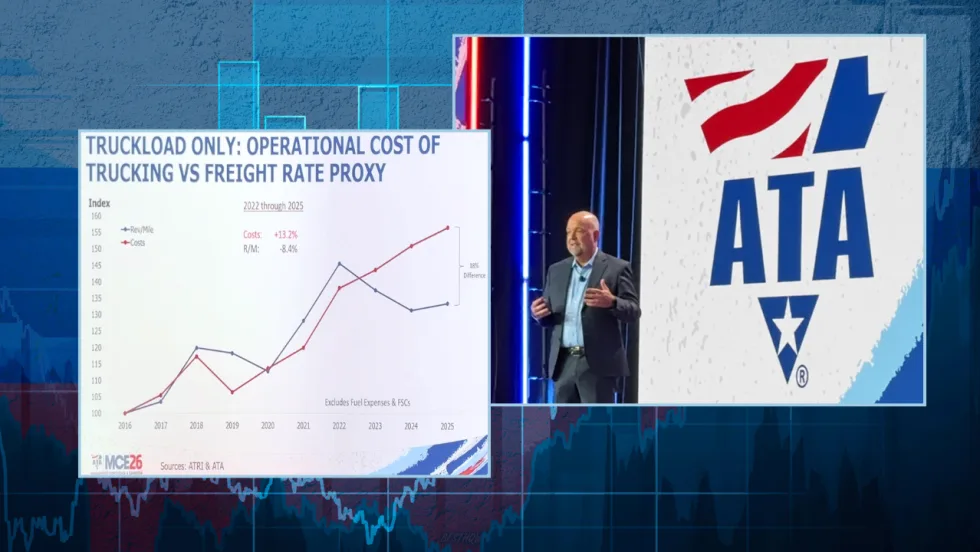
Why This Trucking Recovery Is Different
Freight demand remains sluggish, but rising costs and tougher enforcement have taken enough capacity out of the market to change the outlook for motor carriers.
Read More →
Platform Science Adds Dispatch and Safety Tools
Four additions to PS Fleet help fleets monitor loads, manage driver coaching, share truck locations and adjust video system settings.
Read More →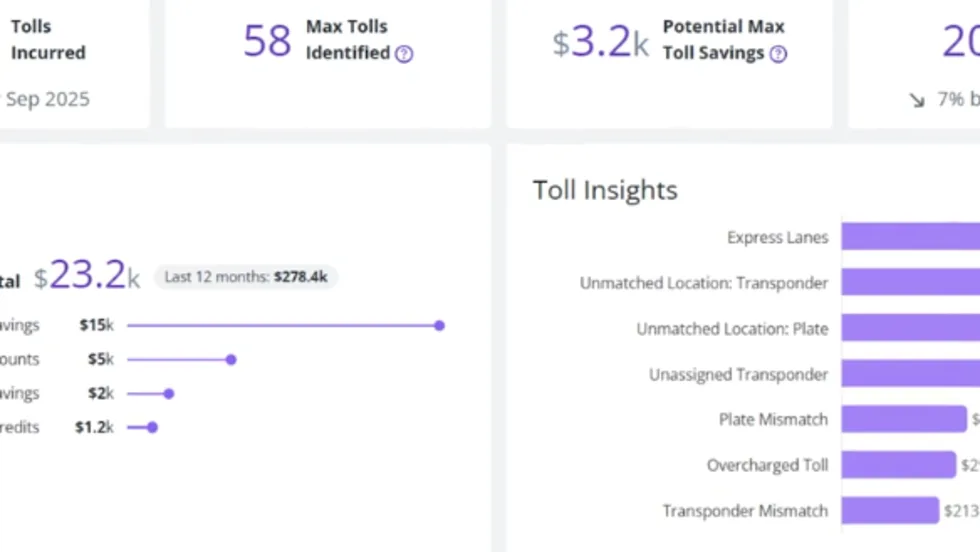
PrePass Intelligence Mines Fleet Bypass, Toll and Safety Data
PrePass Intelligence helps fleets measure bypass savings, flag potential toll overcharges, and spot suspicious transactions by combining data from separate systems.
Read More →
Motive Adds AI Agents for Fleet Operations
New tools automate follow-up on fleet data, from maintenance work orders to driver alerts, with two-way voice conversations planned for later this year.
Read More →
Can You Beat Our Trucking Trivia Challenge?
Test your truck knowledge with 19 trivia questions from Heavy Duty Trucking Exchange. Can you keep up with the fleet pros?
Read More →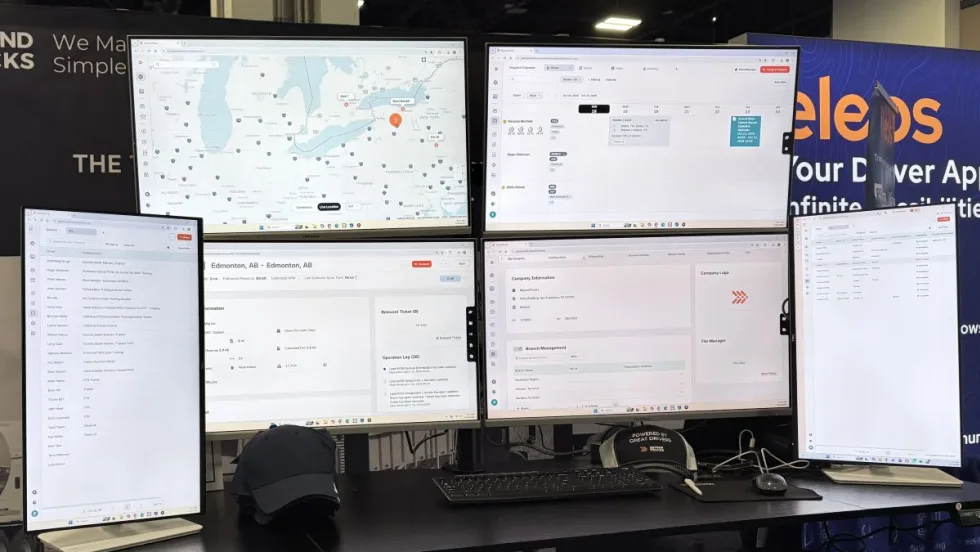
BeyondTrucks Adds Rules Checks to Dispatch
New Compatibility Engine checks driver qualifications, equipment requirements and fleet policies before loads are dispatched.
Read More →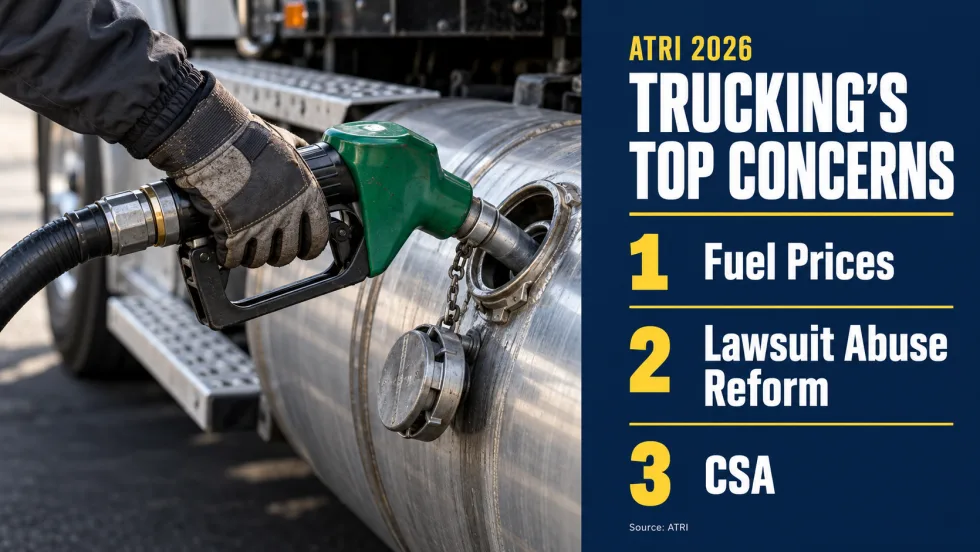
Diesel Prices Hijack Trucking’s Worry List
ATRI’s annual survey finds cautious optimism about freight, but diesel costs, litigation, and insurance continue to squeeze fleets. Drivers have different priorities on several issues.
Read More →
Nomination Deadline Extended for HDT Emerging Leaders
Just a few more days to nominate accomplished trucking fleet professionals under 40 who are making an impact and helping lead the industry forward for the HDT Emerging Leaders award. Deadline extended to October 20!
Read More →
What Will ATA’s New Leader Bring to Trucking's Table?
Incoming President and CEO Mark Colson’s record in Alabama offers clues about his priorities and approach following Chris Spear’s abrupt departure as the head of the American Trucking Associations.
Read More →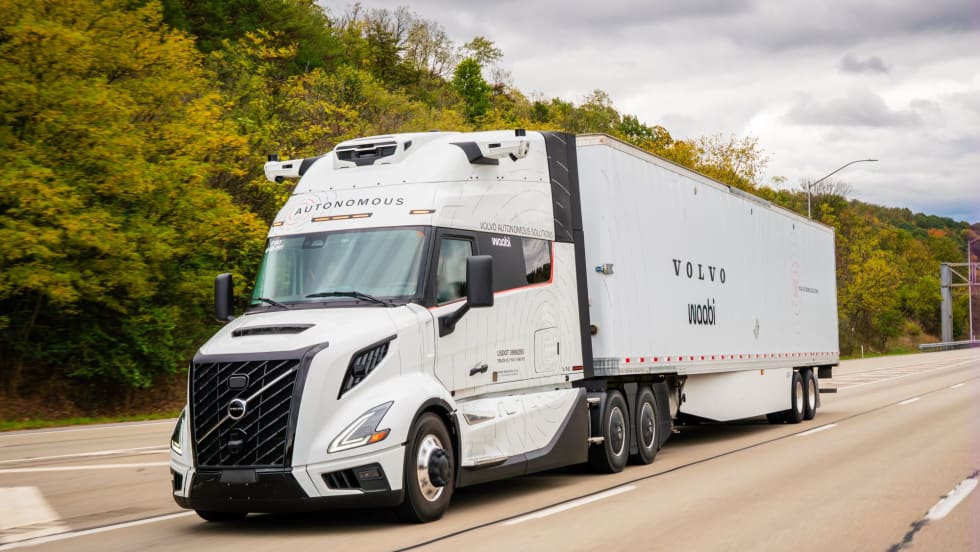
Volvo, Waabi Start Commercial Autonomous Operations in Texas
Volvo VNL Autonomous trucks, powered by the Waabi Driver, are hauling freight directly to third-party facilities for a customer in Texas.
Read More →