




Related: Q&A - Electric Vehicle Infrastructure with Paul Stith of Black and Veatch
Commentary: A Charging Standard Is Practical Progress
Charging standards will help accelerate the use of electric trucks and progress is being made.
by Rolf Lockwood
November 15, 2018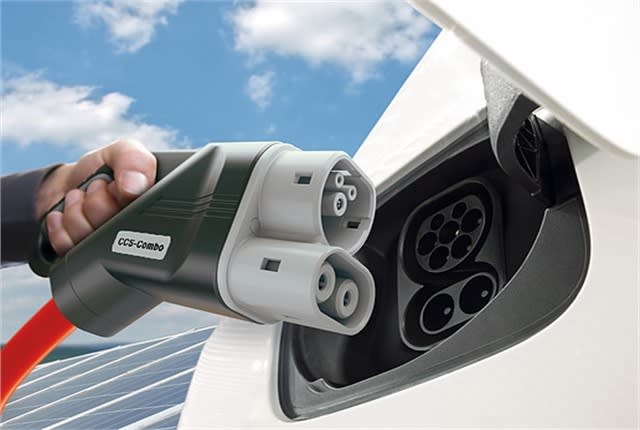
3 min to read
Amidst all the hoopla about electric trucks, and it’s been inescapable, one practical aspect has been given short shrift. And by the way, ‘shrift’ is an archaic noun that originally referred to the confession uttered before an execution. A short one was a good idea, lest the man with the beheading axe get too impatient. But boy, do I digress.
Anyway, let’s look at charging standards. It’s an issue, and very quietly progress is being made.
Penske Truck Leasing has joined the Charging Interface Initiative, a group oddly known as “CharIn,” focused on promoting the “Combined Charging System” or CCS as a global standard for charging electric vehicles. Penske’s not alone. Giant electric truck and battery maker BYD joined the group in the summer; other member companies include BMW, Daimler, FCA, Ford, GM, Porsche, Renault, Tesla, Toyota, Volvo, and many others.
Earlier this year, the Society of Automotive Engineers published a recommended practice for plug-in charging of heavy-duty electric vehicles. The new standard was designed to offer a single-vehicle charging coupler solution for three-phase and single-phase AC and DC charging.
SAE approved a new, three-phase coupler for plug-in charging of electric vehicles, along with the organization’s recommended practice for plug-in charging of such vehicles. Dubbed the J3068 Electric Vehicle Power Transfer System, the new coupler was developed from existing international standards, which were extended to cover higher North American grid voltages and higher power levels. According to SAE, J3068 allows vehicles to fully utilize three-phase AC power where it’s available and preferred, such as at commercial and industrial locations. For more information about “J3068: Electric Vehicle Power Transfer System Using a Three-Phase Capable Coupler,” or to purchase the standard, go to: https://tinyurl.com/ycy8mcgk.
Penske will focus its attention on promoting charging standards for commercial vehicles by participating in the group’s High Power Charging for Commercial Vehicles Task Force.
“As a leading services provider to commercial fleets, we feel standardization around electric vehicle charging and charging stations will help accelerate the use of electric vehicles within the transportation industry,” said Brian Hard, president and CEO of Penske Truck Leasing. “The interoperability of vehicle charging stations over the road is essential for commercial fleet uptime, efficiency, maintenance, and general ease of use for the industry.”
Standardizing electric vehicle charging standards could reduce complexity of the technology for fleets and drivers as well as for maintenance providers and vehicle recharging companies.
“Our goal is to extend CCS capabilities to meet the requirements for commercial EV charging,” said Oleg Logvinov, the spokesperson for CharIn in North America and president and CEO of IoTecha. “The input from end users is the key to our success. Penske is the first fleet operator to join our team, and this brings this important work one step closer to successful completion.”
BYD is bringing its clean energy expertise and experience to the coalition as it develops the CCS. The company noted that standardization eliminates the need for customers to invest in multiple charging systems.
“CCS is currently the world’s only charging system that covers all charging scenarios with a single product, and our support of CCS will help pave the way for more efficient transportation solutions,” said Bobby Hill, vice president of BYD North America, Coach and Bus.
This is very encouraging stuff, because no new technology can thrive until standards exist and allow it to expand unfettered. Better yet when end users participate in the development of those standards. Good on ya, folks.
Subscribe to Our Newsletter
More Fuel Smarts
Why Small Fuel Savings Matter in Trucking
Can better fuel economy help pay for driver raises? In this podcast, GP Transco explains how small efficiency gains create room to reinvest in its people.
Read More →
How GP Transco Cuts Trucking Fuel Costs, a Tenth of a Gallon at a Time
What’s another tenth of a mile per gallon worth? GP Transco shares how equipment upgrades and driver coaching turn small gains into meaningful fuel savings.
Read More →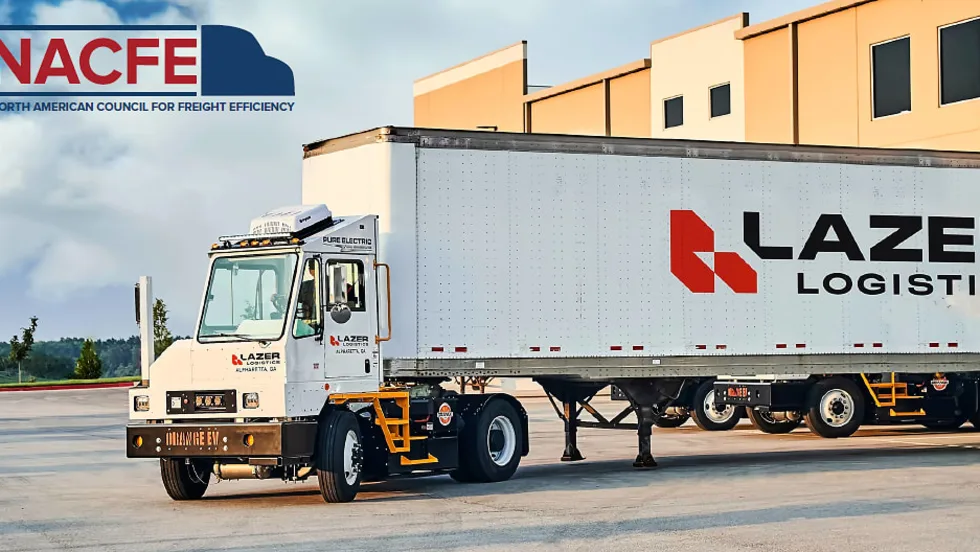
Electric Yard Tractors Move Beyond Pilots
Operating-cost savings have overtaken sustainability goals as the leading reason surveyed fleets are adopting battery-electric terminal tractors, according to new NACFE research.
Read More →
Geotab Links Fleet Card to Vehicle Data
The new card combines fuel discounts with telematics-based purchase controls. Geotab’s analysis also points to potential savings from choosing lower-priced fuel stops.
Read More →
Fleet Economics Shape Electric Truck Outlook
ACT Research expects costs, charging infrastructure, and technology improvements to drive zero-emission commercial vehicle adoption as federal regulations and incentives retreat.
Read More →
Wex Adds Cardless Fuel Payments for Over-the-Road Customers
A new fuel card feature for Wex customers offers convenience and security.
Read More →
New California Law Could Shed Light on Electric Truck Prices
Why do battery-electric Class 8 trucks remain so expensive? A California bill signed by Gov. Gavin Newsom would give fleets and state agencies more visibility into what manufacturers charge.
Read More →
How Volvo Updated Its D13 for EPA 2027 [Watch]
Volvo’s updated D13 promises lower emissions without sacrificing performance or fuel economy. Take a closer look at what changed inside the engine in this HDT Spotlight video.
Read More →
Diesel Price Spike Shortens Payback for Natural Gas Trucks, Report Says
Energy Vision estimates fleets could recover the higher purchase price of an RNG-fueled Class 8 tractor in 1.3 to 2.8 years under current fuel-price scenarios.
Read More →
Calstart Becomes Catalyst Mobility, Reflecting Broader Focus
Calstart is now Catalyst Mobility, reflecting the nonprofit’s growing national role in clean transportation, including zero-emission trucks, infrastructure and incentive programs.
Read More →