




Autonomous Trucks Will Roll in Slow [Commentary]
They’re coming, but not fast, despite what some headlines promise.

![Autonomous Trucks Will Roll in Slow [Commentary]](https://assets.bobitstudios.com/image/upload/f_auto,q_auto,dpr_auto,c_limit,w_920/waymo_1768075033249_v51wt9.jpg)
Autonomous truck are coming, but not fast, despite what some headlines promise.
File Photo: Vesna Brajkovic
A headline might sing like a canary, yet not deliver on its promise. As I write this, there’s a headline popping up all over the place. It varies by news outlet, but typically reads like this one penned by Crain’s Detroit Business: “Robot truckers could replace 500,000 U.S. jobs, UM study finds.”
A siren song. Except that everyone in trucking knows there won’t be “robot truckers” outside of Hollywood for some time to come. Then there’s the conjecture that these machines could make a half-million jobs vanish. But “could,” like “if,” is a big word. It covers a truckload of possibilities: Could when? Could where? Could how?
The eye-opening research being reported cries out for a plain-spoken headline. Something like the one heading this column: “Autonomous trucks will roll in slow.” As for any impact on employment, the measured arrival of driverless trucks ensures that jobs will not be cut by the swing of a massive ax anytime soon.
Now with the lead unburied, let’s get right to the when, where, and how. The study comes out of a joint effort by the University of Michigan and Carnegie Mellon University, both top research universities.
Titled “Impact of automation on long haul trucking operator-hours in the United States,” the study assesses “how and where automation might replace operator hours in long-haul trucking,” according to a U-M press release.
The researchers found that up to 94% of operator hours may be impacted if automated trucking technology — not “robot truckers” — improves enough to be effective “in all weather conditions across the continental United States,” observing that automated truck technology now is being tested mainly in the Sun Belt.
Here’s a key point that speaks to how slowly these wheels may turn: “Our results suggest that the impacts of automation may not happen all at once,” said study co-author Parth Vaishnav, assistant professor of sustainable systems at the U-M School for Environment and Sustainability.
“If automation is restricted to Sun Belt states (including Florida, Texas, and Arizona) — because the technology may not initially work well in rough weather — [only] about 10% of the operator hours will be affected,” added Vaishnav.

David Cullen
The researchers gathered information on trucking shipments and the operator hours it takes to fulfill them. They also looked at different automated trucking deployment scenarios, including running them only in Southern, sunny states; using them only in spring and summer (April 1 to Sept. 30); operating them for journeys of more than 500 miles, and deploying them across the United States.
“Our study is the first to combine a geospatial analysis based on shipment data with an explicit consideration of the specific capabilities of automation and how those might evolve over time,” said co-author Aniruddh Mohan, a doctoral candidate in engineering and public policy at Carnegie Mellon.
In other words, a robot trucker may be at the end of the autonomous vehicle rainbow, but technology will have to drive past some incremental milestones to reach that pot of golden efficiency.
Now, onto job loss. The authors found that “there is little clarity on how automated trucking will be deployed and its economic and political ramifications, such as the impact on the long-haul trucking labor market.”
Still, Vaishnav pointed out that a key finding of the study is “just how economically attractive this technology would be and the fact that everyone, including truckers, agreed that the interstate part of the job could be automated.
“Ultimately,” he added, “societal and political choices can determine the mode of deployment of automated trucking capabilities, as well as the winners and losers of any shift to automation of long-haul trucking.”
This commentary first appeared in the April 2022 issue of Heavy Duty Trucking.
More Equipment
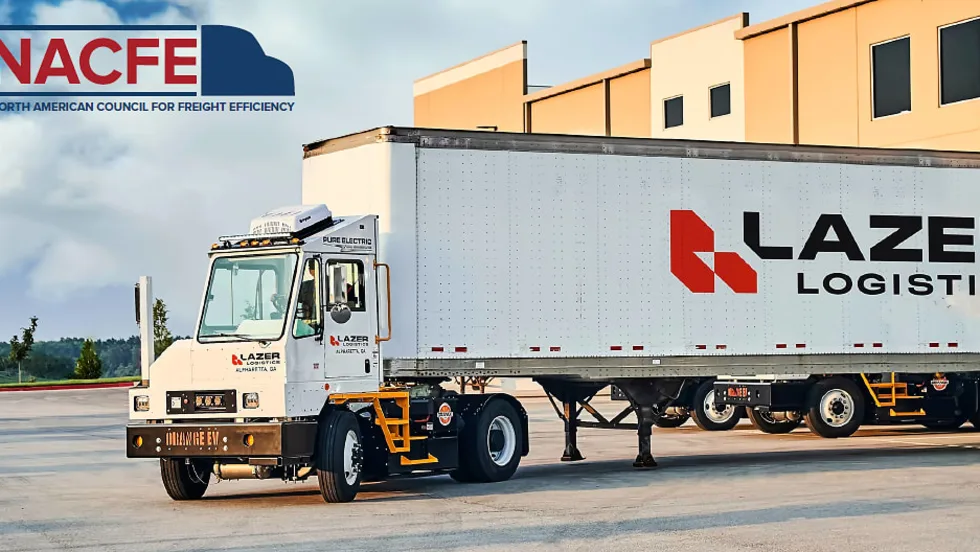
Electric Yard Tractors Move Beyond Pilots
Operating-cost savings have overtaken sustainability goals as the leading reason surveyed fleets are adopting battery-electric terminal tractors, according to new NACFE research.
Read More →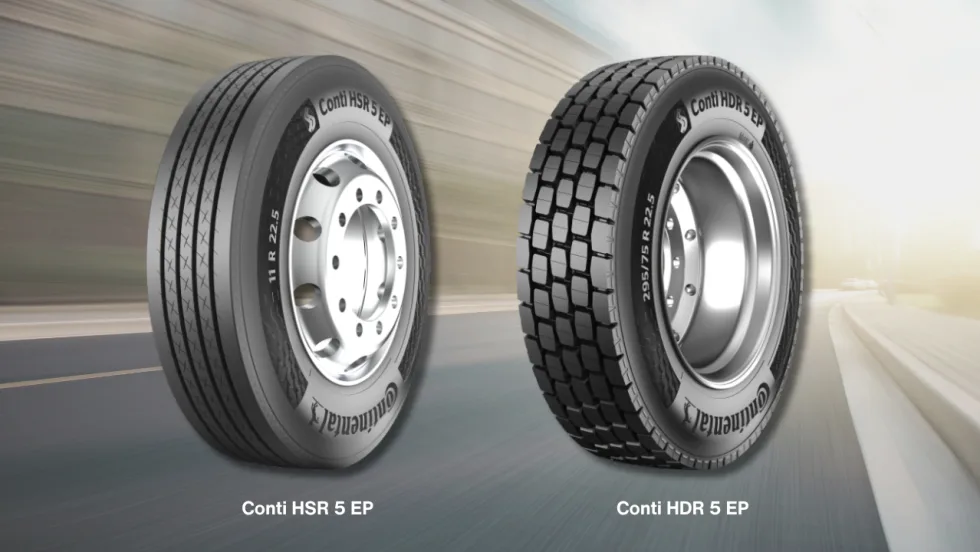
Continental Introduces New Regional Truck Tires
Continental says its new Generation 5 steer and drive tires for regional operations offer longer tread life, with estimated mileage gains of 22% and 19%, respectively.
Read More →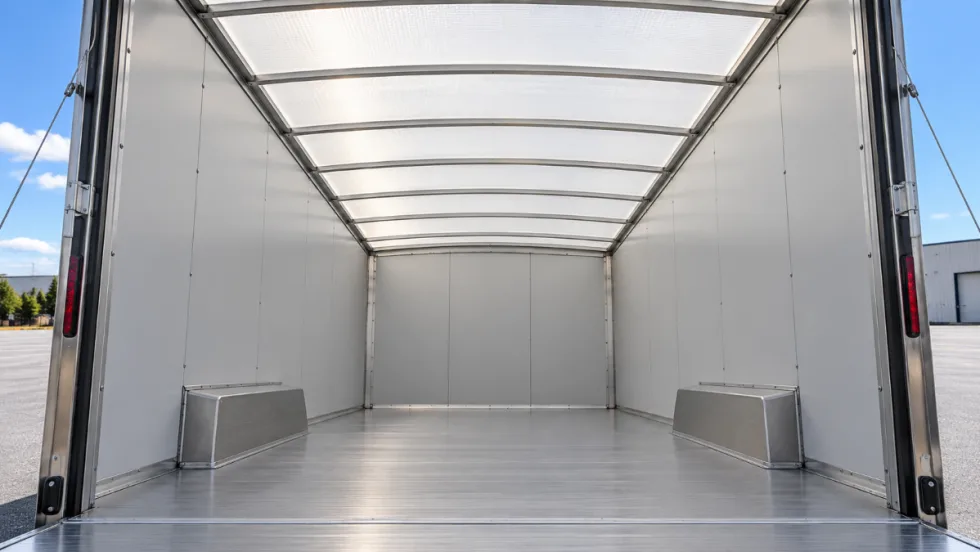
Tekmodo Introduces CargoBright Brand for Translucent Trailer Roofs
CargoBright is designed to diffuse daylight across the cargo area while performing as a working vehicle roof.
Read More →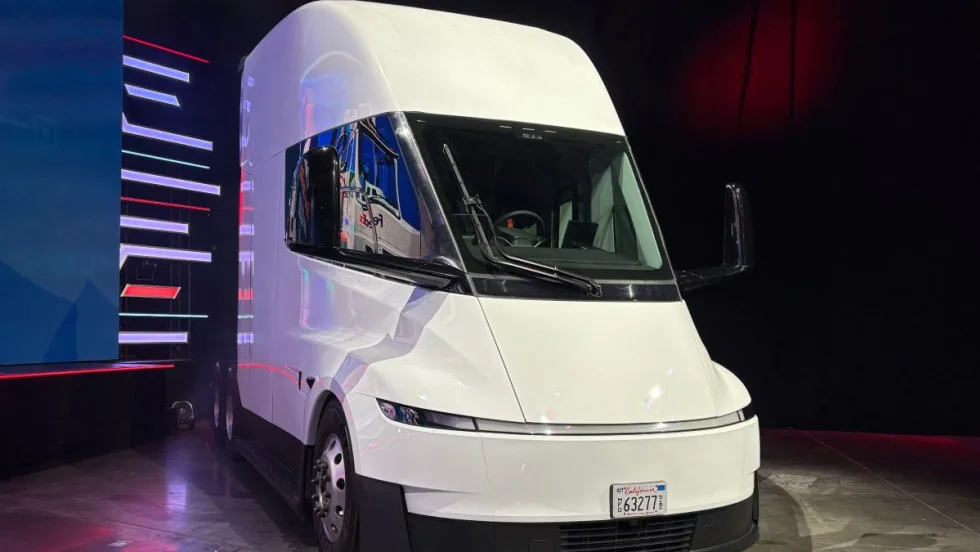
Fleet Economics Shape Electric Truck Outlook
ACT Research expects costs, charging infrastructure, and technology improvements to drive zero-emission commercial vehicle adoption as federal regulations and incentives retreat.
Read More →
Kodiak Targets Dallas–Houston for Driverless Trucks
The company says its autonomous trucks are completing the I-45 run without a safety observer taking control. It plans to remove the observer by the end of 2026.
Read More →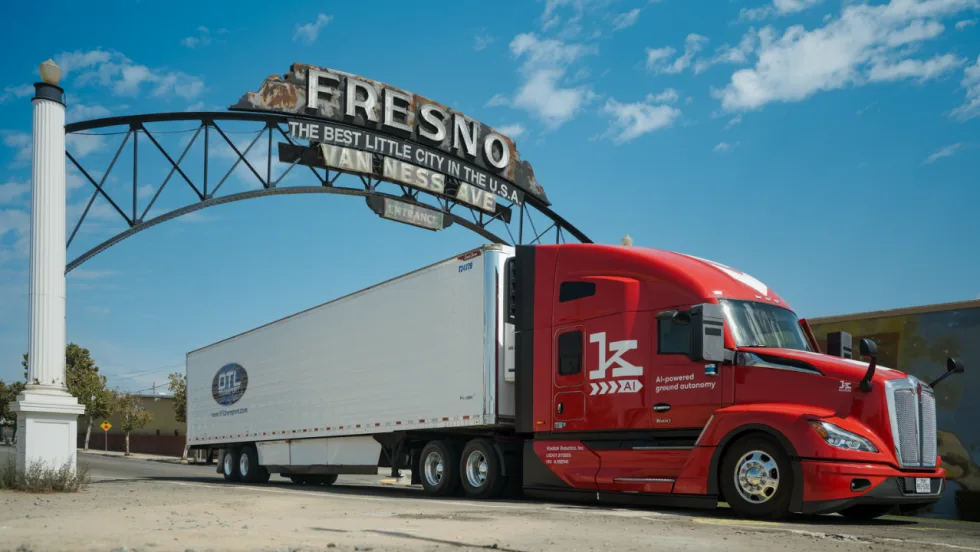
Kodiak Hauls Produce in California Autonomous Truck Pilot
Kodiak AI and DTL Transport have begun hauling produce between Fresno and Los Angeles under California’s new rules for testing heavy-duty autonomous trucks. A safety driver remains behind the wheel.
Read More →
Used-Truck Remarketing Math Is Changing
Used-truck value is no longer just a concern at trade-in. Decisions made throughout a truck’s first life can influence what it’s worth years later.
Read More →
How Volvo Updated Its D13 for EPA 2027 [Watch]
Volvo’s updated D13 promises lower emissions without sacrificing performance or fuel economy. Take a closer look at what changed inside the engine in this HDT Spotlight video.
Read More →
Michelin Tire Improves Efficiency and Durability for Regional Fleets
The Michelin X Multi Energy D2 is a regional haul drive tire engineered to help fleets improve fuel efficiency, durability and traction in demanding stop-and-go operations.
Read More →
ZF Expands Commercial Vehicle Push in North America
ZF is expanding its North American commercial-vehicle presence with new transmission applications, electrification, trailer technology and autonomous-driving systems.
Read More →