




Arsenault: Don't Over-Buy on Parts
Many maintenance shops buy more parts than necessary, in effect storing company cash on parts room shelves
Many maintenance shops buy more parts than necessary, in effect storing company cash on parts room shelves.
Even when buying ahead, they sometimes pay too much, says Dave Reed, maintenance consultant for trucking maintenance software provider Arsenault Associates.
Reed, who has a 30-year background in vehicle maintenance, says if the shop manager needs a particular part 12 times a year, he is likely to buy 12 at a time.
"Let's say it's a $100 part," Reed says. "If the manager buys 12 of them in January, that's $1,200 out of the company's cash flow that he just parked on a shelf. Multiply that $1,200 by dozens or hundreds of parts, and you're looking at serious money."
Managers should do some research, says Reed. If you use all 12 parts in the first three months and nothing thereafter, then you may want to buy six now and six more when you get down to one or two. The point is to avoid tying up that $1,200 in cash on a shelf.
Reed also warns against people offering a "good deal." In one shop Reed visited recently, a salesman had sold the manager parts that came 12 in a box. The parts sold for $5 apiece, but the salesman offered a "good deal" - a whole case for $65, or $5 more than had he purchased the items individually.
More Maintenance

Truck Drivers Need More Than Another Alert
Fleets have more visibility into truck health, safety events, and driver activity than ever. The next challenge is turning all that information into useful guidance for the person who has to decide what to do next.
Read More →
The Maintenance Checks Trucking Fleets Should Prioritize Before Fall Freight Picks Up
Making it through August isn’t the same as being ready for the next several months of operation. Find out what systems may have suffered from summer heat and need to be checked out before fall.
Read More →
What Three Fleets Are Doing Differently When Buying Truck Parts in 2026
With freight improving but costs still climbing, fleet maintenance executives explain how they're balancing price, quality, and supplier relationships.
Read More →
Paccar Recalls 2027 Trucks Built This Summer for Possible Electrical Problem
The nearly 6,000 Kenworth and Peterbilt trucks in the recall could potentially lose engine power, among other things.
Read More →
Will API PC-12 Oil Change Trucking Fleet Maintenance?
The new API PC-12 heavy-duty engine oil category reflects the changing demands of modern diesel engines. But fleets like Foodliner are looking to getting their own data before making decisions on adopting the new oils and questions such as extending oil drain intervals.
Read More →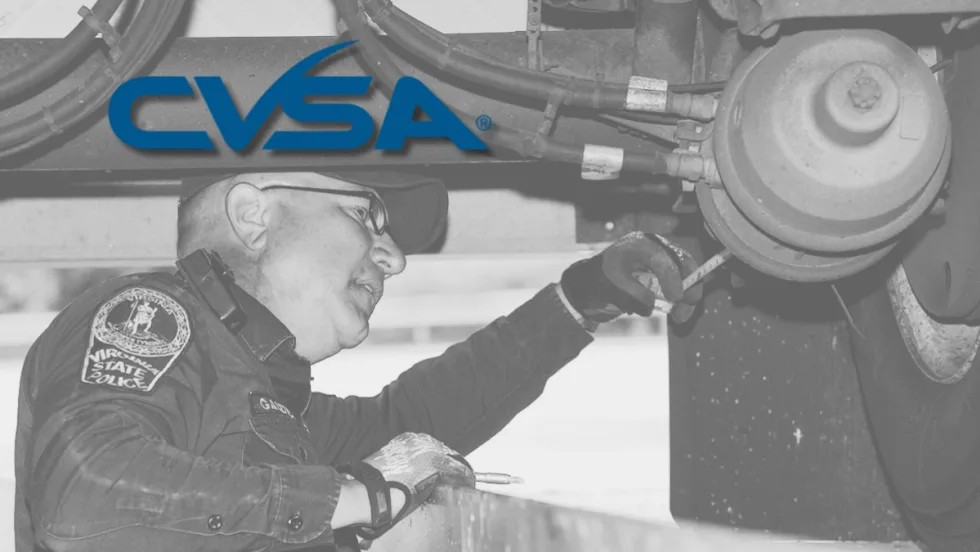
Brake Safety Week to Focus on Drums and Rotors
Commercial vehicle inspectors are focusing on truck brakes during CVSA's Brake Safety Week, August 23-29.
Read More →
Possible Battery-Cable Fires Prompt Recall of 15,000+ International MV and HV Trucks
On the recalled vehicles, manufacturing variations can cause the battery interconnect cable to contact the auxiliary stud and hold down the bracket.
Read More →
Rush, MCT Team Up to Grow Refrigeration Service Network
The joint venture will operate MCT's network of Carrier Transicold dealerships and mobile service locations, with the companies promising greater service capacity and uptime for refrigerated fleets.
Read More →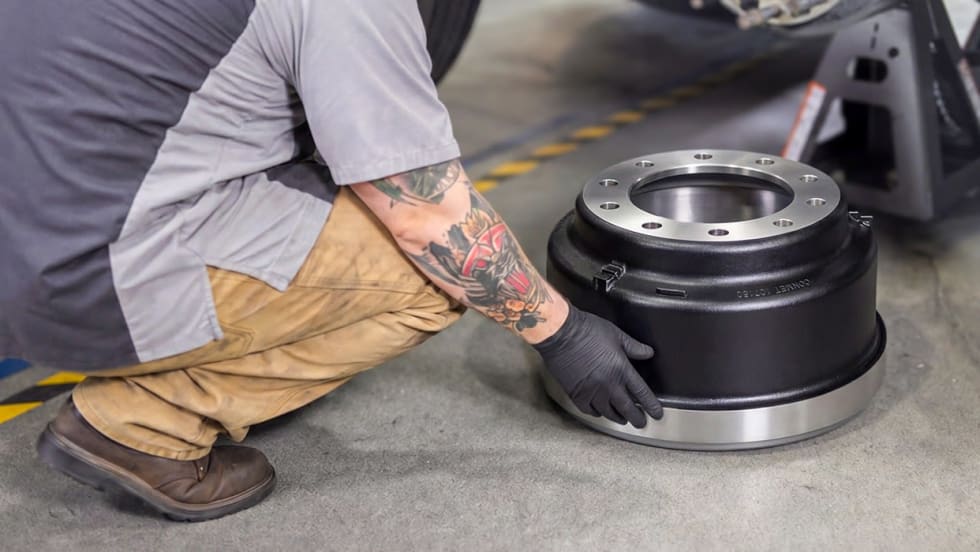
ConMet Expands Aftermarket Brake Drum Lineup With TruCast
A new heavy-duty truck brake drum option in the aftermarket gives customers more flexibility within the ConMet product family.
Read More →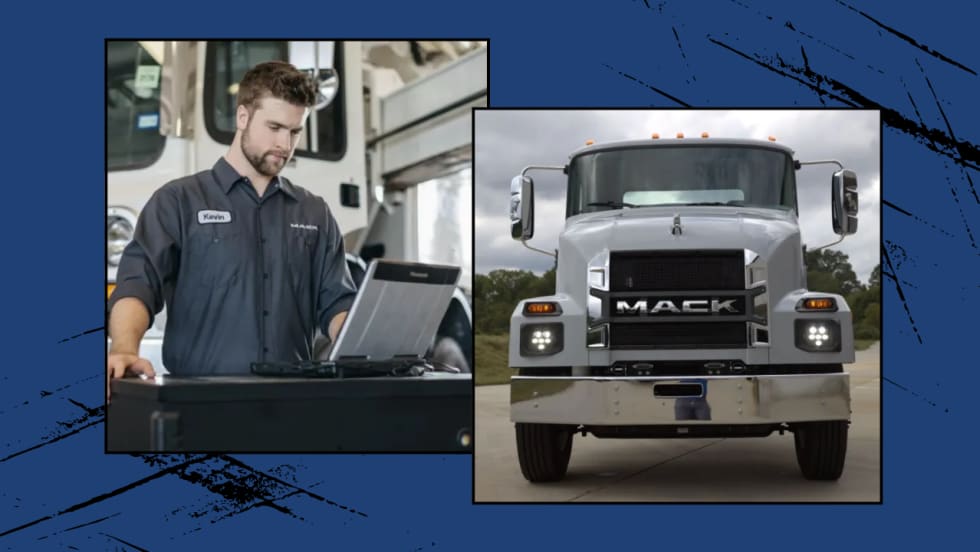
Mack Expands Premium Service Contract Coverage to Medium-Duty MD
With a service contract, inspections, preventive maintenance and repairs can be handled in a single visit instead of multiple ones.
Read More →