




Learn More: How to Select the Safest Truck Upfit
5 Important Details to Provide Your Commercial Truck Body Builder
To expedite the commercial truck body builder process, give truck builders these five essential details regarding fleet history and preferences.
by Cal Kanowitz, Marion Body Works
February 4, 2021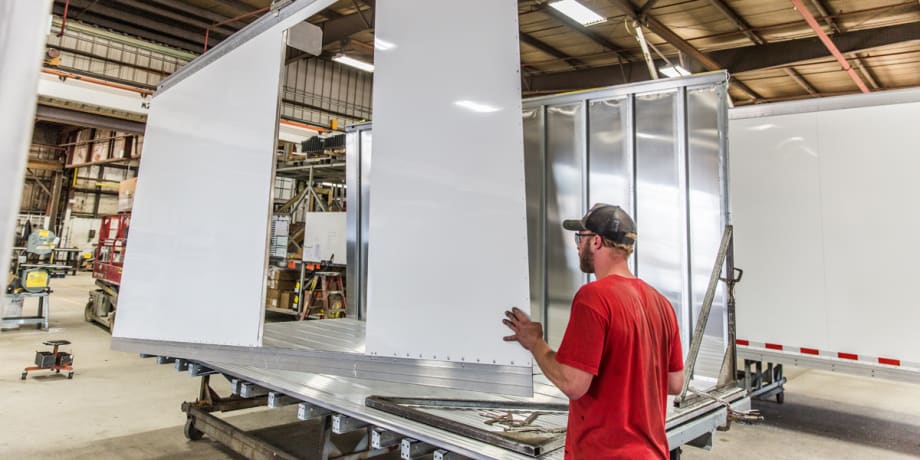
Commercial truck body buyers and builders must effectively communicate to achieve the best results. Understanding fleet pain points, applications, chassis, and add-ons makes the process faster.
Photo: Marion Body Works
4 min to read
Building a custom commercial truck body that satisfies a buyer’s needs is a two-way street. A good manufacturer must ask all the right questions to truly understand what the buyer needs, and the buyer must be able to answer those questions as thoroughly as they can.
If you are a buyer in the market for truck bodies, the more information you can provide a builder upfront, the better. While there will be many questions that arise throughout the planning process, there is some standard yet crucial information you can prepare in advance that will speed the process along and get you the long-lasting truck bodies you need.
1. Top Fleet Pain Points and Truck History
Buyers that can describe the history of their fleets and trucks will have an easier time with future fleet management. When you can identify operational pain points and how your trucks break down over time, your builder can design bodies that mitigate those problems.
If you have a telematics system in place that is gathering data points from your fleet, make notes about areas in which you’d like to see improvements. Providing data is an easy way for builders to understand where the problems are, and those problems can be designed out from the beginning.
2. The Truck’s Application
Once you have collected your pain points, determine how you plan to use the truck body. The truck’s application is what guides the design requirements.
A truck that is moving heavy equipment with the use of forklifts may need thicker flooring and reinforced sidewalls, whereas a smaller utility truck likely doesn’t need those features. Builders do not want to put unnecessary features on a truck or under design a body, so it’s best to talk through the application with your truck builder, leaving no room for interpretation.
That said, a buyer that communicates the application but then uses the truck beyond its intended purposes will likely experience issues. We’ve seen cases on other OEM bodies where the trucks were not engineered to handle the level of torque and shifting weight that occurs with heavy loads.
Knowing the application going into the first meeting not only helps you get the best body but also makes the quote process faster and easier.
3. Chassis Specifications
The vehicle chassis you purchase and send to your builder also establishes design needs for the truck body. When builders know the chassis they are mounting to, they can take into consideration customizations on frame rails and mounting bracket positioning. The frame strength of the chassis also determines the weight of the body and the materials that are used.
For a bodybuilder to properly quote and complete a custom body job, the chassis specifications are a must.
4. Preferred Add-Ons to Your Truck Body
Another way to speed up the quote process is preparing a list of your preferred add-ons.
Body buyers and managers understand what their operations and drivers need to be efficient. Come prepared with an idea of what your fleet will need, and the internal sales team can help guide you from there. Liftgates, flooring options, underbody boxes, and rearview cameras are just a few examples of add-ons that can be chosen when determining body specifications.
The interior of the body will likely have different requirements based on your operation and the truck’s application, so let your builder know if you need things such as precise e-track placement and tie-down areas.
An added benefit of communicating your preferred add-ons is that it will help you determine if the builder is capable of effectively completing your order and meeting your expectations.
5. Questions for the Commercial Truck Builder
The decision to move forward with a builder is yours, and that decision can be made easier by having a strong list of questions ready when entering the early stages of the conversation. Be sure to answer all of the builder’s questions, but when it’s your turn, ask as many questions as you can. Understanding which team members you will work with, past jobs and engineering capabilities, company-held certifications, and order timelines will give insight as to how the process will go. Warranty, on-time, and repeat customer percentages are also good to know if the builder is willing to share.
The foundation of a good buyer-builder relationship is trust, and these are questions that can strengthen that foundation.
Build a Long-Lasting Truck Body
Everyone involved in bodybuilding understands the cost of replacing a truck body or having a truck out of service. That’s what makes open, honest communication such an important factor when completing truck body orders. When a buyer and builder are comfortable sharing this kind of information, the best results can be achieved.
Longevity is the goal with all truck bodies, and with this information, it can hopefully be the goal for your builder relationship as well.
About the Author: Cal Kanowitz is the marketing and dealer development manager at Marion Body Works. Kanowitz has worked at Marion for over five years. This article was authored under the guidance and editorial standards of HDT’s editors to provide useful information to our readers.
Subscribe to Our Newsletter
More Equipment
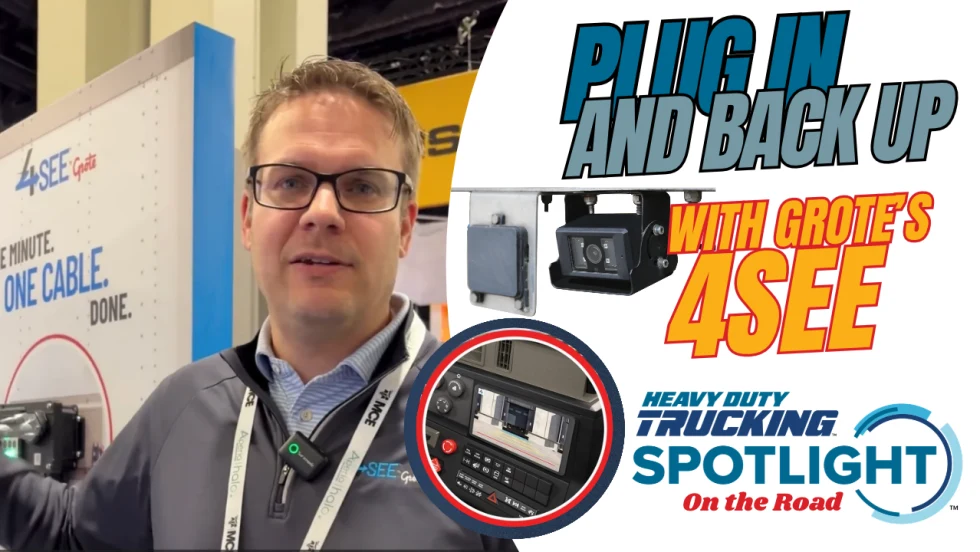
More Trailer Data Through the Same Seven-Way [Video]
Can trucking’s standard seven-way connector handle more cameras and trailer data? Grote’s Adam Slade shows HDT how the company is using new technology with its 4See trailer system, not only to add a new backup camera but also to expand other capabilities — without adding another connection.
Read More →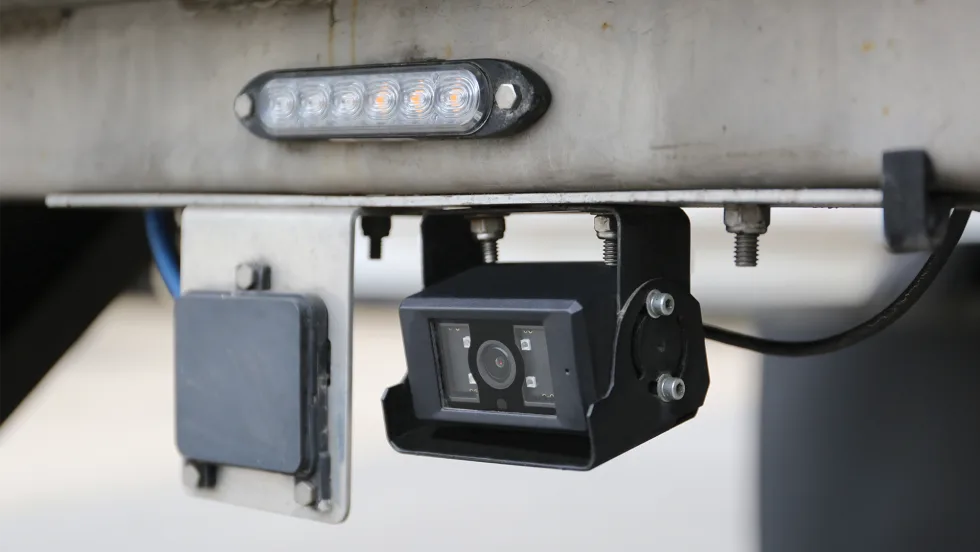
Grote: More Cameras, Same Seven-Way Connector
The next-generation 4See rear-view backup camera from Grote uses the standard seven-way connector and supports additional cameras and other trailer data.
Read More →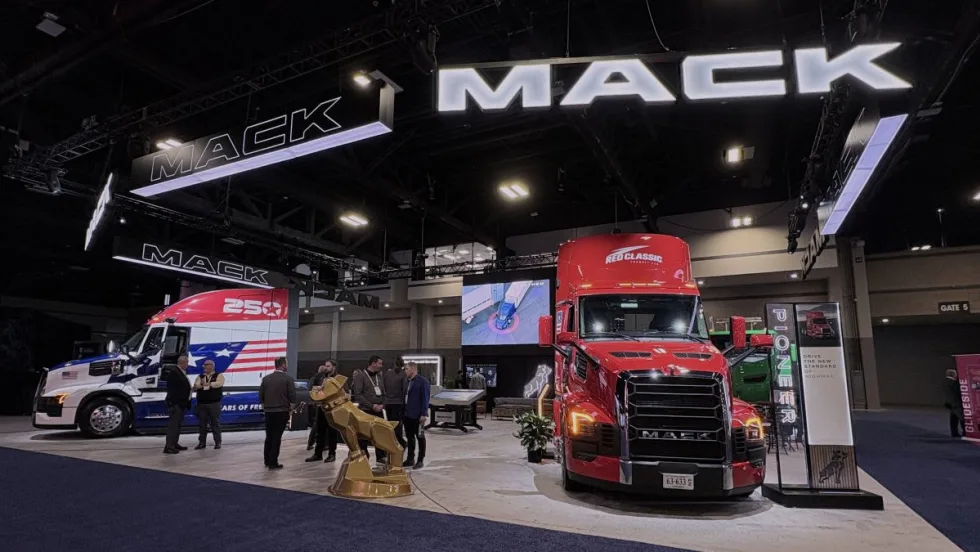
Trucks at ATA's 2026 MC&E in Charlotte, North Carolina [Photos]
From rigs decked out in patriotic America's 250 paint schemes to autonomous trucks and more, check out these photos from ATA's 2026 Management Conference & Exhibition.
Read More →
Help HDT Find Trucking’s Top Products
Have you come across a new product that could make a difference for trucking fleets? Nominate it for HDT’s 2027 Top 20 Products Awards by November 9.
Read More →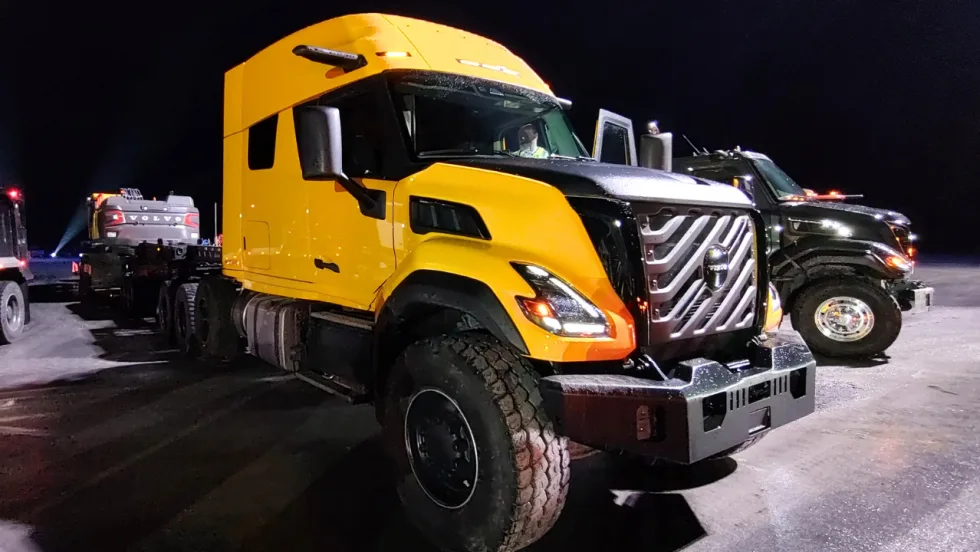
Volvo Unveils New VNX Heavy-Haul and Vocational Truck
Volvo Trucks has launched the VNX, a new vocational truck also available as a tractor in day cab and two sleeper configurations, with one heavy-haul model. The Volvo VNX is powered by Volvo's D13 platform, which delivers up to 540 horsepower and 1,950 pound-feet of torque and is EPA 2027-compliant.
Read More →
How GP Transco Cuts Trucking Fuel Costs, a Tenth of a Gallon at a Time
What’s another tenth of a mile per gallon worth? GP Transco shares how equipment upgrades and driver coaching turn small gains into meaningful fuel savings.
Read More →
Electric Yard Tractors Move Beyond Pilots
Operating-cost savings have overtaken sustainability goals as the leading reason surveyed fleets are adopting battery-electric terminal tractors, according to new NACFE research.
Read More →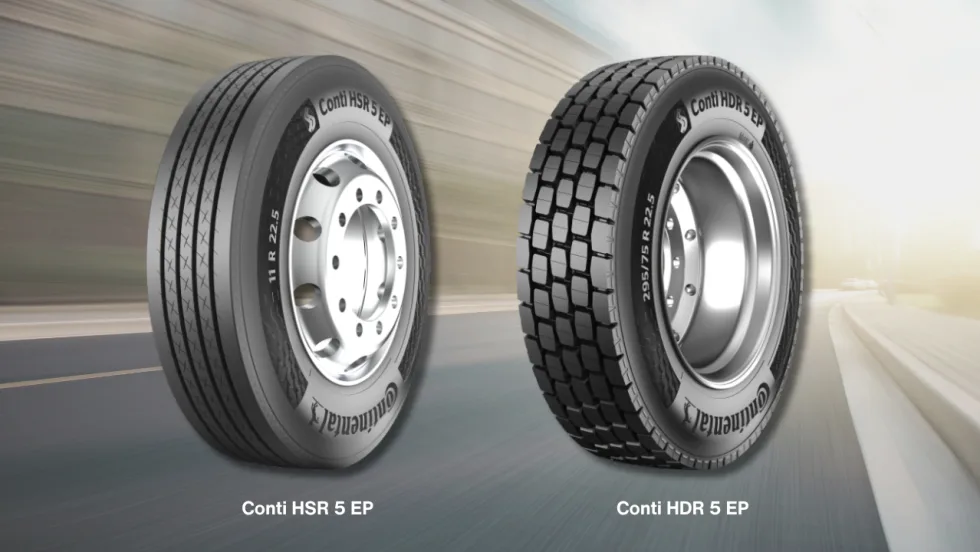
Continental Introduces New Regional Truck Tires
Continental says its new Generation 5 steer and drive tires for regional operations offer longer tread life, with estimated mileage gains of 22% and 19%, respectively.
Read More →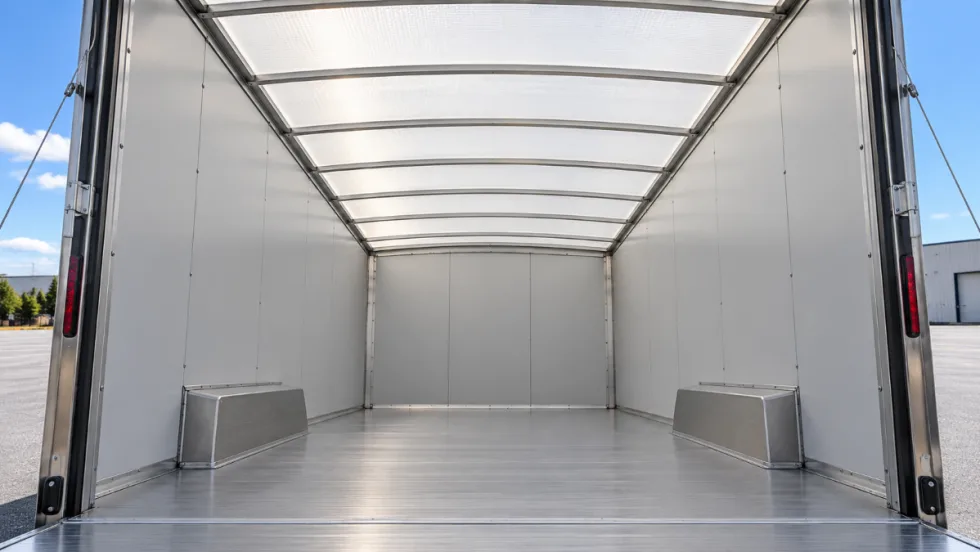
Tekmodo Introduces CargoBright Brand for Translucent Trailer Roofs
CargoBright is designed to diffuse daylight across the cargo area while performing as a working vehicle roof.
Read More →
Fleet Economics Shape Electric Truck Outlook
ACT Research expects costs, charging infrastructure, and technology improvements to drive zero-emission commercial vehicle adoption as federal regulations and incentives retreat.
Read More →