





Related: Trucking-Related Manufacturers Idle Production Facilities Due to COVID-19
DTNA Restarting All Manufacturing Operations
Daimler Trucks North America is beginning to reopen all nine of its manufacturing locations in North America following a three-month hiatus due to the COVID-19 pandemic.
June 5, 2020
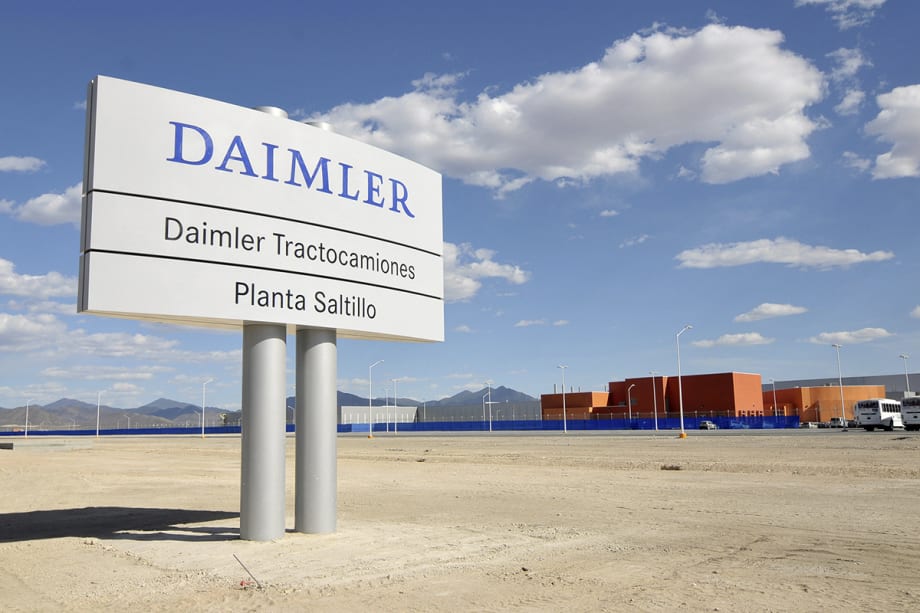
DTNA's plant in Saltillo, Mexico, was one of a pair that reopened on June 1, three months after closing to reduce the spread of COVID-19.
Photo: DTNA
1 min to read
Daimler Trucks North America is beginning to reopen all nine of its manufacturing locations in North America following a three-month hiatus due to the COVID-19 pandemic.
The full restart of its operations began on June 1 at the Saltillo and Santiago Truck Manufacturing Plants in Mexico. DTNA has implemented a number of universal safety protocols, as well as measures that have been tailored to each specific facility to make all workspaces as safe as possible and fully comply with all federal, state, provincial, and local regulations.
“Our commitment to the customers and drivers on the road for us, our families, and the world remains steadfast. Whether at our dealers’ sales and service centers, our parts distribution centers or at our manufacturing operations, DTNA is open for business, and we are here for you,” said Roger Nielsen, president and CEO, DTNA.
According to DTNA, it has also established localized task forces comprised of plant leadership and labor union representatives to routinely assess and fine-tune its protocols.
Among the safety measures implemented are:
Standardized cleaning regimens
Redesigned workflows and layouts of common spaces in observance of social distancing
Employee and visitor temperature screening with health questionnaires
Frequent communications to the employees
More Equipment

ZF Expands Commercial Vehicle Push in North America
ZF is expanding its North American commercial-vehicle presence with new transmission applications, electrification, trailer technology and autonomous-driving systems.
Read More →
Tesla Wants a Self-Driving Semi. Are Cameras Enough?
Could Tesla’s camera-only autonomous driving technology work on an 80,000-pound Semi? In this commentary, HDT's Deborah Lockridge takes a look at Tesla, Cybercab, and how autonomous trucks see the road.
Read More →
Kodiak: Driverless Long-Haul Truck Launch on Track for 2026
Kodiak AI says its driverless long-haul safety case is 93% complete and it remains on track to begin commercial operations by year-end 2026.
Read More →
What DOT’s Automated Vehicle Strategy Means for Trucking
The U.S. Department of Transportation issued a new automated-vehicle strategy that outlines plans for driverless-truck regulations, cross-state freight corridors, and federal safety standards.
Read More →
East Coast Port Launches $45M Electric Truck Push
The Port Authority of New York and New Jersey announced millions in incentives for zero-emission drayage trucks, yard tractors, and new charging hubs near the port.
Read More →
PlusAI Going Public to Fund Autonomous Truck Launch
A SPAC deal could provide PlusAI with up to $300 million as it works toward a 2027 commercial launch of factory-built autonomous trucks.
Read More →
NHTSA Moves to Rewrite Truck Fuel-Economy Rules
The National Highway Traffic Safety Administration says it lacks authority to regulate medium- and heavy-duty truck engines separately from complete vehicles, but the existing standards have not yet been eliminated.
Read More →
Detroit Opens Orders for EPA 2027 Engines
Detroit isn’t starting from scratch to meet EPA 2027 diesel emissions standards. Its Gen 6 DD13 and DD15 engines keep much of today’s platform while updating the fuel and aftertreatment systems.
Read More →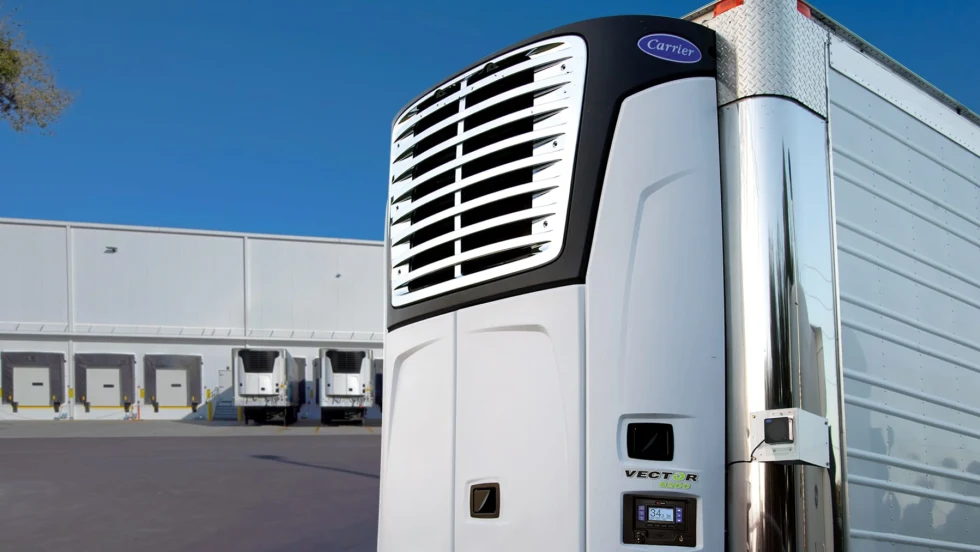
Carrier Transicold Adds All-Electric TRU for Stationary Cold Storage
Carrier Transicold’s new Vector 8200 all-electric transport refrigeration unit gives fleets a diesel-free option for temporary refrigerated and frozen trailer storage.
Read More →
A Closer Look at Kenworth’s Electric T880E Vocational Truck [Video]
Learn more about Kenworth's T880E battery-electric vocational truck at the Paccar Technical Center, including its range, applications, upfitting considerations, and PTO options, in this HDT Spotlight video.
Read More →