




Q&A: DAT Analytics Guru Explains how Freight Forecasting Works
DAT Solutions announced a pilot program for a suite of new rate forecasting and market analysis tools in January ahead of a commercial launch in April. In this HDT interview, we asked the company how this new capability works and how it benefits shippers, brokers and carriers alike.


As the digital freight-matching process unfolds in real time, it brings a lot of transparency to the rates for both sides of the shipping equation.
Photo: Deborah Lockridge
DAT Solutions announced a pilot program for a suite of new rate forecasting and market analysis tools in January ahead of a commercial launch in April. In this HDT interview, Ken Adamo, chief analytics officer, and Eileen Hart, vice president of marketing for the company, explain how this new capability works and how it benefits shippers, brokers and carriers alike.
HDT: Tell me a little about DAT Solutions and how you came to launching a freight-forecasting service.
Adamo: Well, DAT has been in the load board business for over 40 years. We help shippers, brokers and carriers match truckload capacity with freight that needs to be moved on the spot market. Last year, 183 million freight matches happened on our network. Back in 2010, our customers started sending us freight bill transaction data and created composite views of the price of capacity moving from market to market. This was all historic trend information that our customers have used as an industry benchmark. Once we delivered this, our customers kept asking if we could predict what the prices were going to look like in the future. Knowing what the price of a truck is going to be in the future is pretty darn valuable for planning scenarios. This is what DAT has set out to do, and how the idea of a freight forecasting service was born.
Hart: With the load board transaction data plus the $68 billion – that’s “billion,” with a “b" – worth of freight bill data we collect annually, we are able to look at not just historical trends, but also external variables influencing the market as well as price momentum.
HDT: So, there is a kind of crowd-sourcing element to getting the data, and you’re able to make predictions based off that information?
Hart: There is a vast amount of uncertainty out there when it comes to the price of moving freight. With our new freight forecasting service, we are able to apply information from that network Ken described, and use it to create a real-time marketplace where people can see accurate rate predictions for today, tomorrow, months, or a year from now.
Adamo: It starts with digital freight matching. I know “digital” is kind of a buzz word, right now. But that’s really how it works. And using that system, we can connect the most trucks with shippers and brokers who need to move freight and help them find a carrier match. As that process unfolds in real time, it brings a lot of transparency to the rates for both sides of the shipping equation. All parties can see how many loads are available in a market, as well as how many trucks are available. And so, if a market is hot, a carrier can instantly determine if they can charge a fee higher than its standard margin amount to move a load of freight.
HDT: And your new forecasting capabilities now extend those advantages in the future as well?
Adamo: Right. For example, say there’s a carrier who’s looking for a load to take from, let’s say Los Angeles to Louisville. And she can see there’s a load available that, based on vehicle and lane availability and other factors, that she, based on our forecasting, that she can charge 7% more for if she waits until tomorrow, when market conditions change. So, since it’s more important for fleets to maximize legal hours and keep their trucks’ wheels turning for the highest available price at all times, she can opt to haul a localized load today, and then contract to carry that long-haul load to Louisville tomorrow for the highest possible rate.
HDT: Ok. I see how that can help a fleet. But how does that ability help a broker or s shipper?
Adamo: Well, because the shipper or broker has access to the same information and forecasting data, they now have the ability to cut a deal. They can come back to the carrier and say, “Tell you what. That driver wants to get on the road to Louisville today, instead of spending another 24 hours in L.A. So I’ll pay you 5% over your usual rate, instead of the 7% you’d get by waiting until tomorrow to carry that freight.” So our service offers a win-win for both parties in helping them decide when loads they should move and when.
HDT: And you have the capability now to forecast this type of information out over even longer periods of time?
Adamo: Yes. In a way, we report history as it’s happening. We’re not working with last month, or even yesterday’s data. That gives us the capability to forecast out much farther than our competitors. We have a daily forecast for customers that goes out 14 days, as well as an annual forecast and even one that goes out as far as 24 months, to help fleets decide how many trucks they need in future. These forecasts can also help brokers, shippers and fleets take a lot of the guesswork out of a proposal to move freight, say, a year from now. That’s a decision that used to be based largely on experience and guesswork. And we can provide a lot of certainty to the process now.
Hart: Our customers share information with us in return for getting the benefits our service offers. But it’s important to note that all of that information is processed and aggregated. No single company’s data is ever shared individually in any way. The information we present is the sum total of data from all of the companies – shippers, brokers and carriers – that participate in our network.
More Fleet Management
Motive Adds AI Agents for Fleet Operations
New tools automate follow-up on fleet data, from maintenance work orders to driver alerts, with two-way voice conversations planned for later this year.
Read More →
Can You Beat Our Trucking Trivia Challenge?
Test your truck knowledge with 19 trivia questions from Heavy Duty Trucking Exchange. Can you keep up with the fleet pros?
Read More →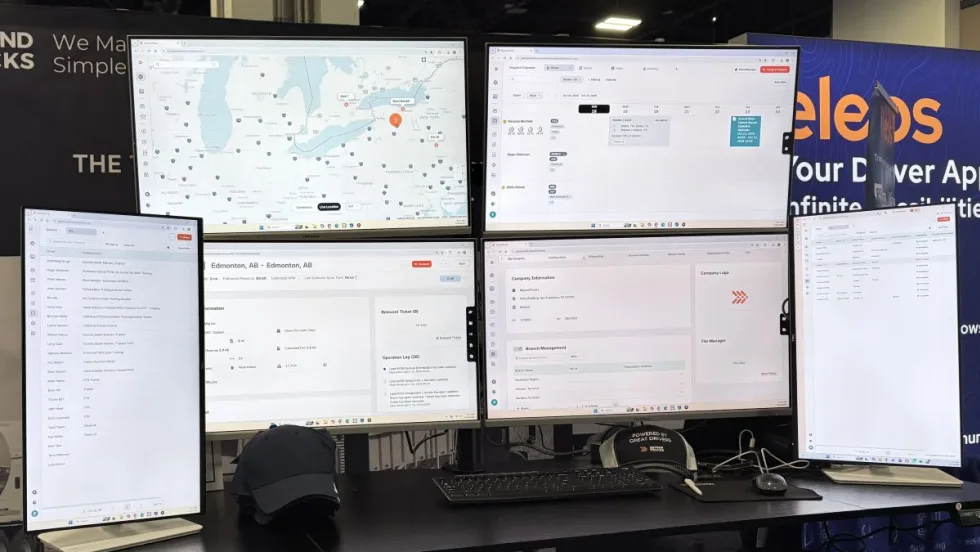
BeyondTrucks Adds Rules Checks to Dispatch
New Compatibility Engine checks driver qualifications, equipment requirements and fleet policies before loads are dispatched.
Read More →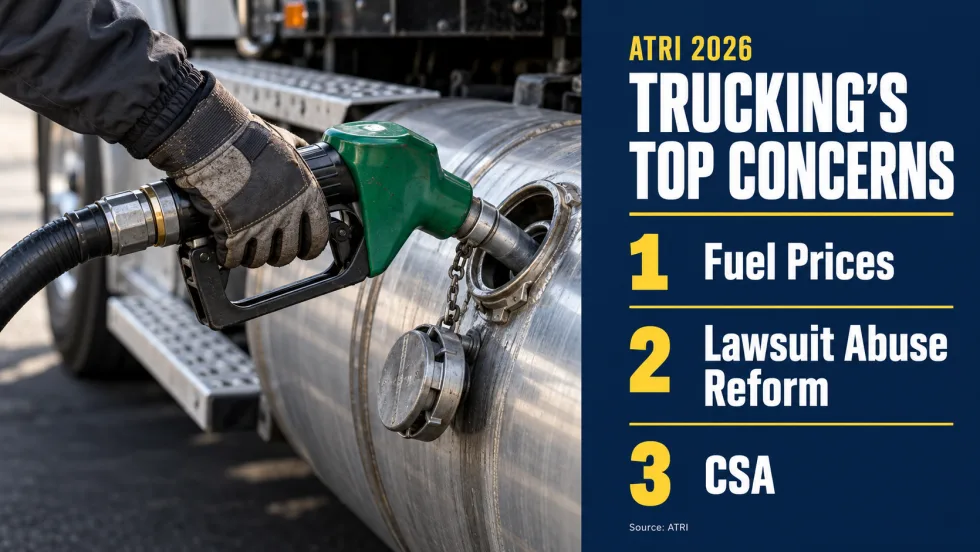
Diesel Prices Hijack Trucking’s Worry List
ATRI’s annual survey finds cautious optimism about freight, but diesel costs, litigation, and insurance continue to squeeze fleets. Drivers have different priorities on several issues.
Read More →
Nomination Deadline Extended for HDT Emerging Leaders
Just a few more days to nominate accomplished trucking fleet professionals under 40 who are making an impact and helping lead the industry forward for the HDT Emerging Leaders award. Deadline extended to October 20!
Read More →
What Will ATA’s New Leader Bring to Trucking's Table?
Incoming President and CEO Mark Colson’s record in Alabama offers clues about his priorities and approach following Chris Spear’s abrupt departure as the head of the American Trucking Associations.
Read More →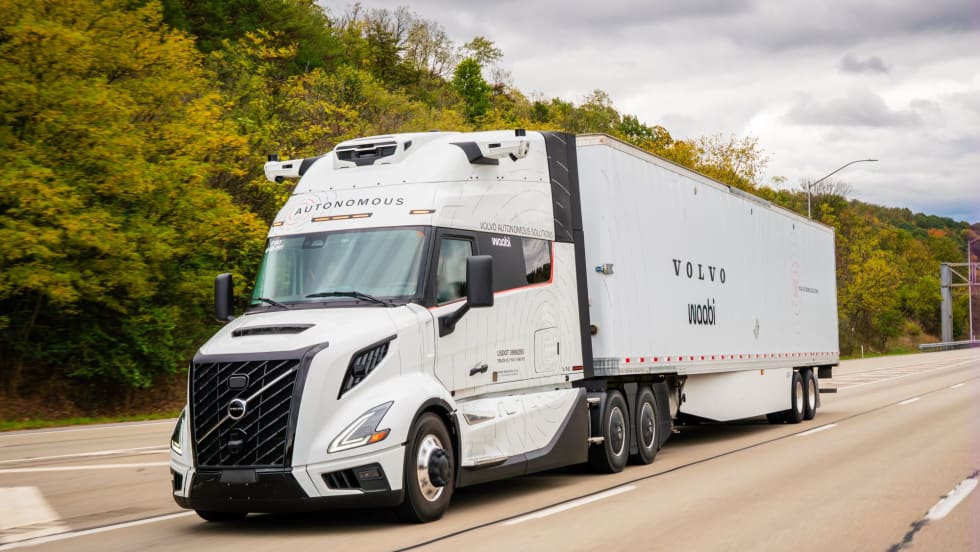
Volvo, Waabi Start Commercial Autonomous Operations in Texas
Volvo VNL Autonomous trucks, powered by the Waabi Driver, are hauling freight directly to third-party facilities for a customer in Texas.
Read More →
Samsara Launches Custom AI Agent Builder
Agent Studio lets fleets create AI tools for hours-of-service monitoring, reporting and driver support, including agents that communicate by phone.
Read More →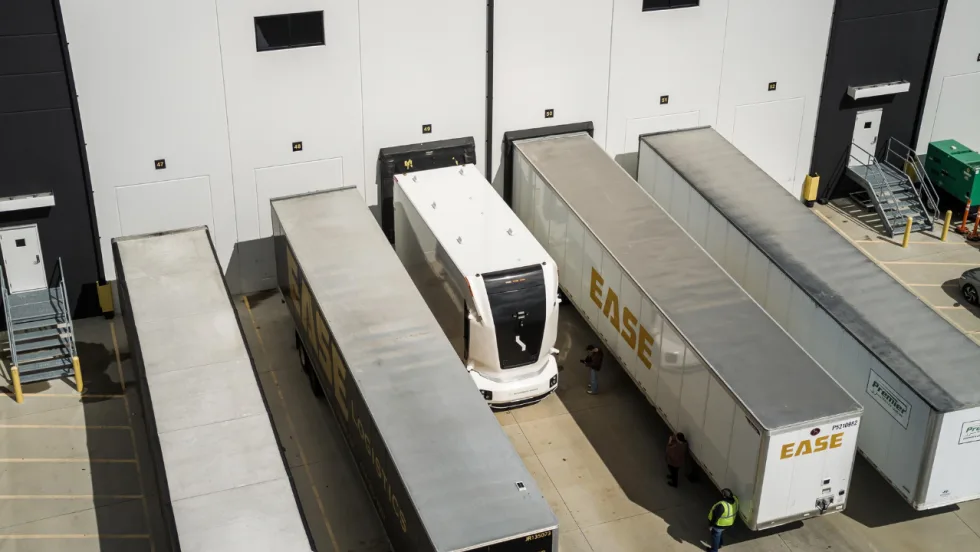
Einride Driverless Electric Trucks Begin Daily Freight Operations in Ohio
Two cabless electric trucks are hauling freight between EASE Logistics facilities in Marysville, Ohio, as part of a multi-state truck automation project.
Read More →
Geotab Links Fleet Card to Vehicle Data
The new card combines fuel discounts with telematics-based purchase controls. Geotab’s analysis also points to potential savings from choosing lower-priced fuel stops.
Read More →