





Reduce the Impact of Corrosion
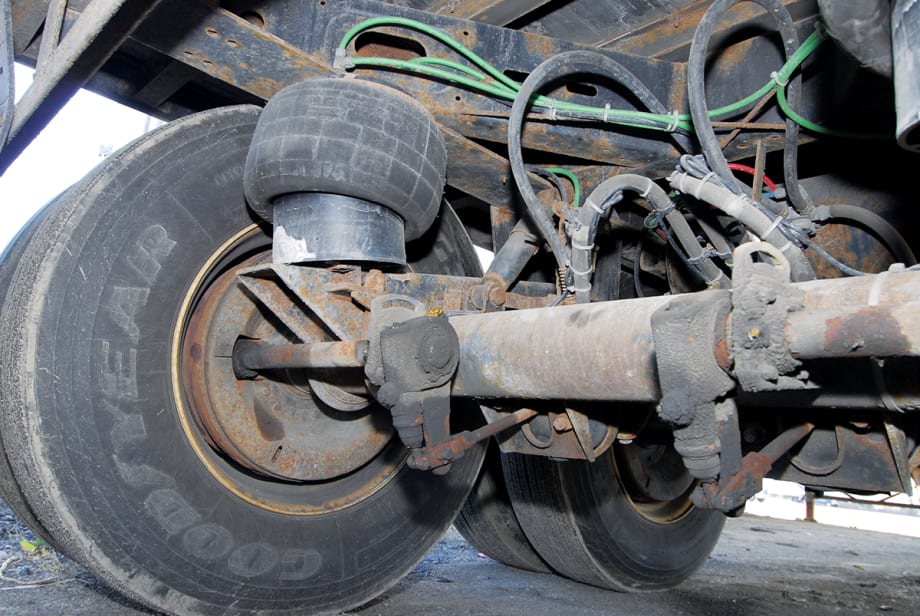
Corrosion is almost impossible to eliminate without spending your company into insolvency. There are, however, ways to mitigate the effects of corrosion – or in some cases forestall its onset until you dispose of the asset. It starts with the equipment spec, but most of the effort will go into maintenance.
Trent Siemens, director of maintenance for Winnipeg, Manitoba-based fuel hauler Paul’s Hauling, offers a few tried and proven strategies from his years of frustration trying to keep his equipment from rotting away. “I can’t count how many trailers I’ve put out to pasture just because of corrosion,” he says.
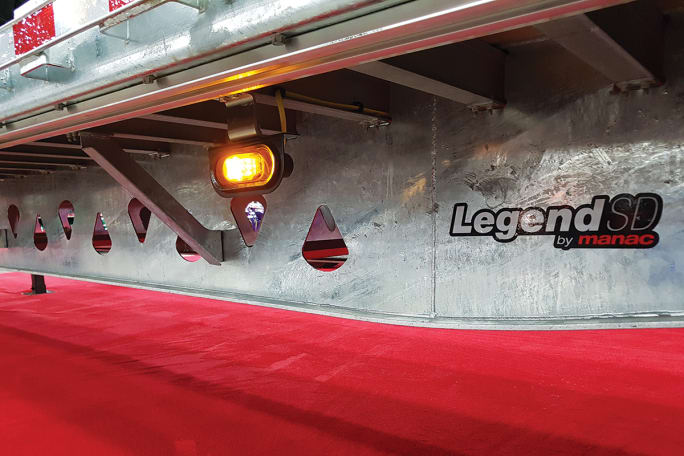
Spec materials that resist corrosion, such as aluminum, stainless steel or galvanized steel. While these materials can be more expensive and sometimes heavier, they will last longer.
Avoid mating two components made of dissimilar metals, cast iron and aluminum for example. Galvanic corrosion will occur at the contact points. When possible, use a non-conductive barrier between the two metals.
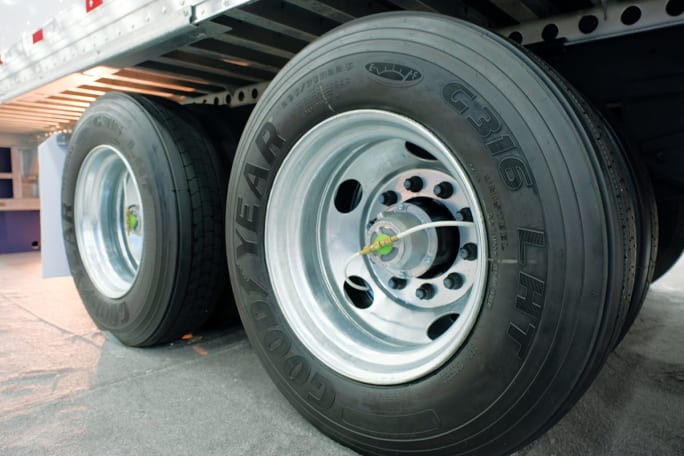
Consider a mid-life rehab for equipment with a long life expectancy. It may be cost-effective to strip the undercarriage from the chassis and sandblast and repaint the sub-frame and suspension, etc. That process, including wheel refinishing, will not stop corrosion, but it essentially puts it on pause, Siemens notes.
“That delay will buy you a few years before you have to consider doing it again,” he says. “If you choose to go that route, make sure whoever is doing your sandblasting is doing a very thorough job on your equipment. Cutting corners at this step only masks the corrosion as your material continues to erode under the fresh paint.”
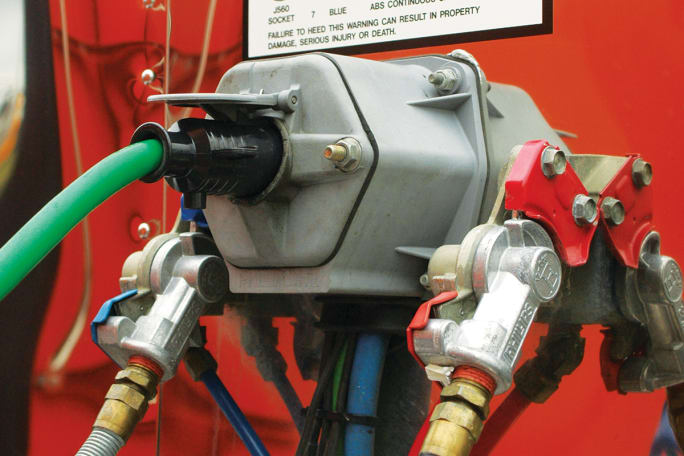
Establish a policy and procedure for repairing or replacing wiring and connectors. Use the OE connector where practical – and use it properly. Some require dielectric grease to seal the connection, but others do not. Make sure your techs know the difference.









