




NACFE Fleets Saved Almost $900 Million in Fuel Costs
The North American Council for Fuel Efficiency’s 2019 Annual Fleet Fuel Study found that the 21 participating fleets have saved almost $900 million in combined fuel costs since 2017. But there's a “significant” performance gap between them and typical fleet performance.

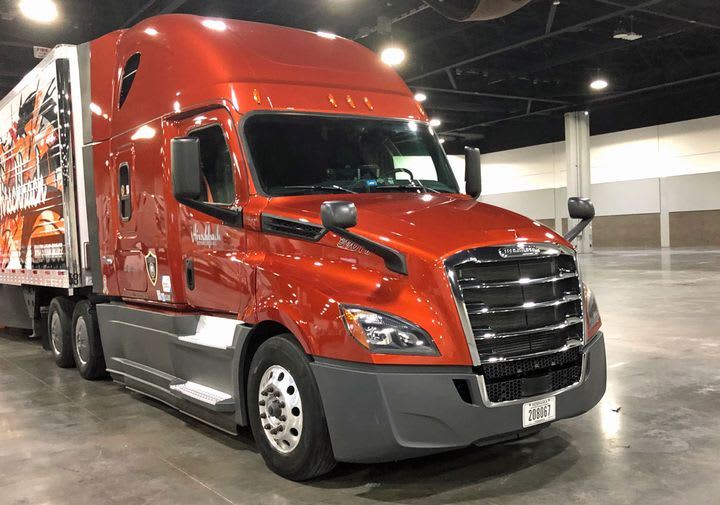
This highly aerodynamic Hirschbach regional haul Freightliner Cascadia was one of 10 trucks to take part in NACFE’s Run on Less Regional fuel efficiency demonstration, which wrapped up in Atlanta at the beginning of the 2019 North American Commerical Vehicle Show.
Photo: Jack Roberts
The North American Council for Fuel Efficiency’s 2019 Annual Fleet Fuel Study found that overall fuel efficiency for Class 8 trucks in long-haul applications continues to improve, thanks to a host of new technologies and operational practices. However, the study also found that there is a “significant” performance gap between the numbers being posted by most fleets and the best-in-class performers on the fuel efficiency front.
The study encompassed Class 8 tractors (daycabs and sleepers) and trailers in regional and long-haul applications. Its primary goal was to study the fleets’ levels of adoption of 85 technologies and practices, and the results those drove in each organization.
All 85 technologies are currently available – not prototypes, validation test units, or pre-production units. This study focuses on technologies purchased and implemented onto a fleet’s trucks and trailers. In certain cases, fleets were asked if they had retrofitted any of the devices on their equipment, but this was done for context and is not included in the adoption data.
Fleets providing data for this 2019 study include Bison Transport, C&S, Cardinal Logistics, CFI, CR England, Crete, Frito-Lay, Hirschbach, Maverick, Mesilla Valley Transportation, NFI Industries, Nussbaum, Paper Transport, Prime, Schneider, United Parcel Service, and Werner. Over the years new fleets have joined the study while others stopped or failed to report for a year.
The complete NACFE 2019 Annual Fleet Fuel Study can be accessed here.
According to NACFE, the primary finding of the 2019 study is that the 21 fleets being evaluated are increasing their rate of adoption of these technologies, and that they are enjoying improved fuel economy as a result of these efforts. The overall adoption rate for the technologies studied in this report has grown from 17% in 2003 to 45% in 2018. Not all technologies could be applied to a single tractor-trailer, as some are clearly an either-or decision.
The report cited several technologies that NACFE fleets adopted in greater quantities during 2019. The technologies with the highest adoption rates were:
Predictive cruise control -- 32% increase
Shift-to-neutral ATMs -- 29% increase
Low rolling resistance tires -- 21% increase
Aerodynamic wheel covers (tractors) -- 66% increase
Engine start/stop for HVAC -- 26% increase
FA-4 high efficiency engine oil -- 531% increase
Use of hotels to reduce idle -- 22% increase
Tire pressue inflation systems (tractors) -- 168% increase
Trailer nose cones -- 23%
Trailer gap reducers -- 1,389% increase
Truck stop electriciation (snorkel type) -- 29% increase
Solar panels (tractor) -- 126% increase
Aerodynamic wheel covers (trailers) -- 24% increase
Mechanical turbo compounding -- 25% increase
The average fleet-wide fuel economy of the trucks in this study was 7.27 mpg in 2018 — a slight increase from the 7.23 in 2017 – although the report’s authors’ note there is variability in each fleet’s yearly fuel efficiency depending on many factors.
At the same time, the report noted, the national average for the approximately 1.7 million tractors in over-the-road use jumped to 5.98 mpg in 2017, a reflection of the fact that the mpg increases over the last 10 years are starting to be reflected in the overall population’s efficiency. (As of the finalization of his report, 2018 data was still not available.)
Overall, the study reached the following conclusions:
Multiple factors are influencing fleet adoption. New factors have emerged that influence decisions by fleets to improve efficiency, including the current cost of fuel, potential future cost, federal and local regulations, and increasing public demand for more sustainable operations.
Fleets continue to adopt fuel-saving technologies. They are implementing technologies on tractors and trailers, improving overall adoption to 45%. Specific technologies adopted vary by fleet duty cycle, business models, fleet size and other factors.
Manufacturers accelerated delivery of technologies. They are delivering more advanced generations of existing technologies to shorten the payback period and mitigate the challenges of adoption. Other advancements come both as novel technologies that provide the same function in a different way and new technologies that address areas not considered in the past. 2018 also provided more new trucks that comply with Phase 1 of the federal GHG rule, and manufacturers are also developing technologies to meet GHGp2 starting in January 2021.
A significant gap to best-of-the-best still exists. The average fleet-wide performance of 7.27 mpg improved year-over-year, 2018 compared to 2017, a rate of 2% per year since 2011. It is expected that this level could reach somewhere between the 10.1 and 8.3 mpg demonstrated during the two Run on Less by NACFE best-of-the-best demonstrations.
To underscore the ability of new technology to improve fleet fuel efficiency, the study noted that during NACFE’s Run on Less demonstration in September 2017, the tractor-trailers equipped with the best of the best currently available technologies attained 10.1 mpg. In October 2019, the group conducted a second Run on Less where the average for the more demanding regional haul duty cycles reached 8.3 mpg.
The fuel savings in 2018 between the “business as usual” of 6.37 mpg and the NACFE fleets average of 7.27 mpg amounts to $6,492 per year per truck, at the $3.18 per gallon fuel cost over the average tractor mileage of 105,041. The fleets are saving $9,912 over the national average of 5.98 mpg. If fuel costs had been at the four-year average of $3.89 per gallon, the savings would have been $7,941 and $12,124, respectively.
And finally, the study found, the 21 fleets operating 73,844 trucks saved $895.32 million in 2018 compared to the average trucks on the road.
More Fuel Smarts
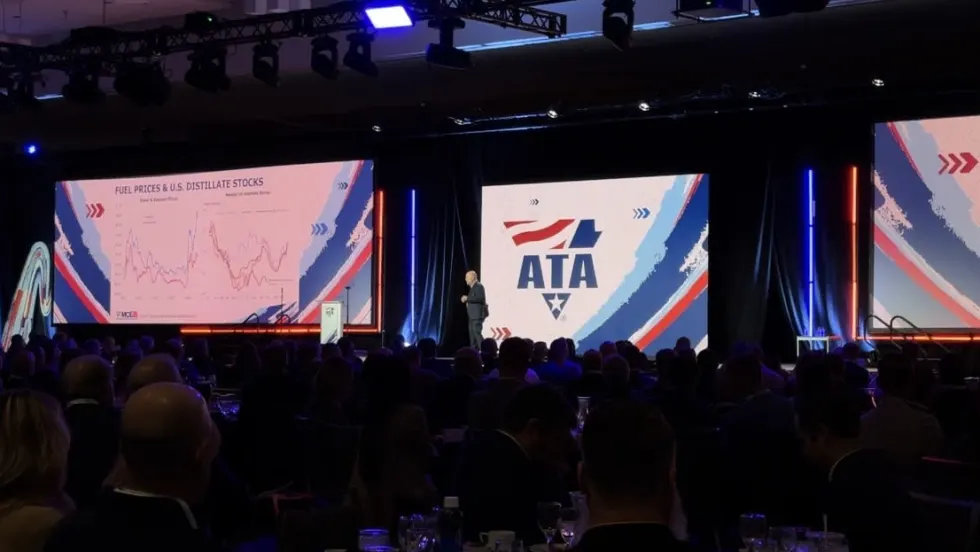
Trucking’s Diesel Squeeze Isn’t Letting Up
With diesel topping $6 a gallon nationally, ATA's Bob Costello explains why fleets should prepare for continued pressure at the pump.
Read More →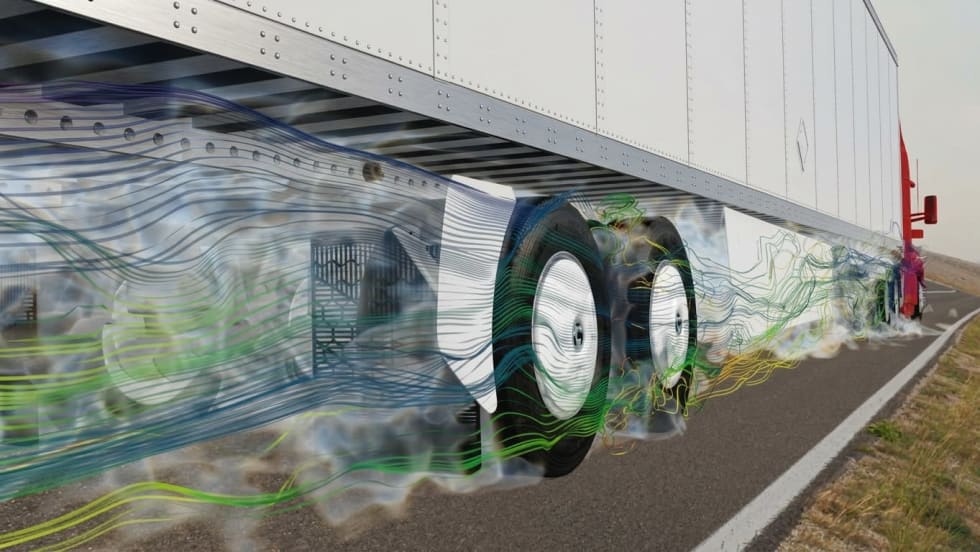
FlowBelow Redesigns Trailer AeroSlider to Cut Fuel Use
The lighter trailer aerodynamic system installs in less than 45 minutes, according to the company, with potential payback in under a year depending on fuel prices and trailer mileage.
Read More →
Why Diesel Price Relief Efforts May Fall Short
Diesel prices have eased from September’s record high, but doubts about additional Russian supply and limits on dyed-diesel tax relief mean trucking fleets still face expensive fuel. And prices could go higher.
Read More →
Why Small Fuel Savings Matter in Trucking
Can better fuel economy help pay for driver raises? In this podcast, GP Transco explains how small efficiency gains create room to reinvest in its people.
Read More →
How GP Transco Cuts Trucking Fuel Costs, a Tenth of a Gallon at a Time
What’s another tenth of a mile per gallon worth? GP Transco shares how equipment upgrades and driver coaching turn small gains into meaningful fuel savings.
Read More →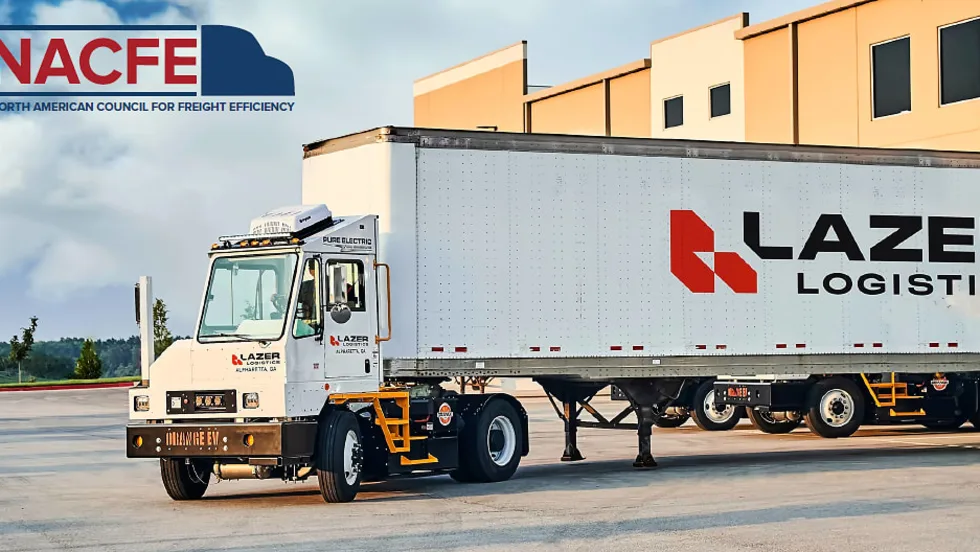
Electric Yard Tractors Move Beyond Pilots
Operating-cost savings have overtaken sustainability goals as the leading reason surveyed fleets are adopting battery-electric terminal tractors, according to new NACFE research.
Read More →
Geotab Links Fleet Card to Vehicle Data
The new card combines fuel discounts with telematics-based purchase controls. Geotab’s analysis also points to potential savings from choosing lower-priced fuel stops.
Read More →
Fleet Economics Shape Electric Truck Outlook
ACT Research expects costs, charging infrastructure, and technology improvements to drive zero-emission commercial vehicle adoption as federal regulations and incentives retreat.
Read More →
Wex Adds Cardless Fuel Payments for Over-the-Road Customers
A new fuel card feature for Wex customers offers convenience and security.
Read More →
New California Law Could Shed Light on Electric Truck Prices
Why do battery-electric Class 8 trucks remain so expensive? A California bill signed by Gov. Gavin Newsom would give fleets and state agencies more visibility into what manufacturers charge.
Read More →